Tyo Susilo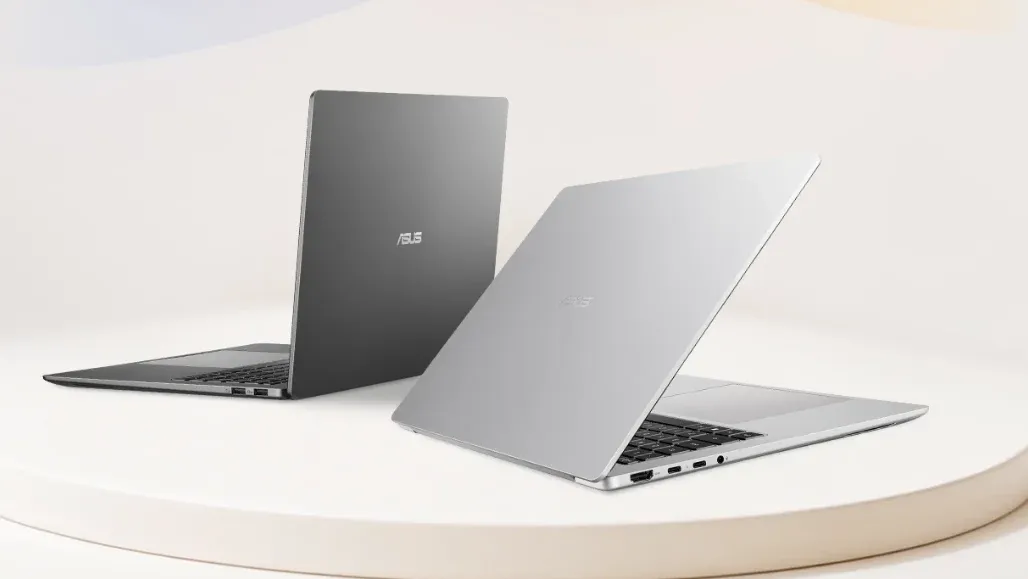
The global personal computer market has entered a new phase of integration between high-performance mobile computing and advanced artificial intelligence capabilities. ASUS, one of the industry’s leading manufacturers, has officially announced the launch of its latest iteration in the mainstream productivity segment: the ASUS Vivobook 16 Ryzen Edition 2026. Building directly upon the foundation laid by its predecessor, the Vivobook 16 2025 model, this new release brings significant upgrades in processing architecture, visual fidelity, and artificial intelligence integration. Designed specifically to cater to the evolving demands of modern professionals, content creators, and everyday power users, the 2026 edition aims to bridge the gap between heavy-duty workstation performance and the sleek, portable design philosophy that has come to define the Vivobook lineup.
Core Technical Specifications and Performance Architecture
At the heart of the ASUS Vivobook 16 Ryzen Edition 2026 lies the powerful AMD Ryzen 7 H 260 processor. Built upon the robust and energy-efficient Zen 4 architecture, this processor features an 8-core and 16-thread configuration capable of reaching a maximum boost clock speed of up to 5.1 GHz. This computational muscle allows the laptop to effortlessly handle demanding multitasking scenarios, complex spreadsheet calculations, video editing pipelines, and resource-intensive software suites without compromising system stability.
Accompanying the central processing unit is the integrated AMD Radeon 780M graphics solution, which utilizes the advanced RDNA 3 architecture. While not positioned as a dedicated enthusiast-grade gaming card, the Radeon 780M provides more than enough graphical horsepower for casual gaming, high-resolution media consumption, and accelerated rendering in creative applications.
A critical highlight of the Ryzen 7 H 260 processor is the inclusion of dedicated on-chip Ryzen AI hardware. Delivering a total artificial intelligence performance output of up to 38 TOPS (Tera Operations Per Second), the laptop is fully equipped to run local large language models, advanced generative AI features, and real-time machine learning workflows. This integration aligns with the broader industry movement toward AI-driven operating system features, ensuring the device remains future-proof as software ecosystems increasingly demand local neural processing units.
To complement the processing power, ASUS has equipped the Vivobook 16 with 16GB of high-speed LPDDR5 RAM and a swift 512GB PCIe solid-state drive. Understanding that modern users require flexibility and room for expansion, ASUS has engineered the motherboard to include dual M.2 storage slots. This thoughtful design choice allows users to easily upgrade their storage capacity down the line without needing to replace the primary drive, a feature that is increasingly rare in modern thin-and-light laptop designs.
Display Technology and Visual Excellence
Visual immersion is a cornerstone of the 2026 Vivobook 16 refresh. ASUS has moved away from standard panel configurations by outfitting the device with a expansive 16-inch display boasting a crisp 2.5K resolution. This higher pixel density ensures sharp text rendering and detailed image viewing, which is essential for document editing and creative workflows.
Furthermore, the display panel supports a high refresh rate of up to 144Hz, bringing a notable degree of fluidity to everyday navigation, scrolling, and gaming experiences. Color accuracy remains a priority for the brand, with the display covering 100% of the sRGB color gamut. This ensures that photos and video content are rendered with accurate color representation. Combined with a maximum brightness rating of 400 nits, the screen remains comfortably legible and vibrant even when used in brightly lit office environments or near sunlit windows.
Industrial Design, Portability, and Connectivity
Despite housing high-performance hardware and a spacious 16-inch screen, ASUS has managed to maintain a remarkably slim and portable profile. The chassis is constructed from durable metal materials, giving the laptop a premium tactile feel while enhancing structural rigidity. The device measures a mere 15.9 millimeters in thickness and tips the scales at approximately 1.69 kilograms. This makes it an ideal companion for mobile professionals and students who require a large screen workspace without the punishing weight typically associated with 16-inch laptops.

Power autonomy is supported by a robust 70Wh internal battery, designed to sustain productivity through a standard workday. When it comes to wired connectivity, the Vivobook 16 Ryzen Edition 2026 does not cut corners. It features two versatile USB Type-C ports that support both display output and Power Delivery, allowing users to charge the laptop and connect to external monitors using a single cable. Additionally, the device includes an HDMI 2.1 port for high-bandwidth video output to external displays and televisions.
For ergonomics and security, the laptop incorporates a full-size keyboard complete with a dedicated numeric keypad, which is a vital inclusion for data entry professionals and accountants. Security and convenience are further enhanced by an integrated infrared (IR) camera situated above the display. This camera fully supports Windows Hello facial recognition login and integrates seamlessly with advanced software solutions like Windows Studio Effects, which provides automated background blurring, eye-gaze correction, and advanced framing during video conference calls.
Market Positioning, Pricing, and Regional Availability
The ASUS Vivobook 16 Ryzen Edition 2026 has made its initial market debut in mainland China. In the Chinese market, the laptop carries an official retail price tag of 5,999 yuan, which directly translates to approximately IDR 14 million based on current conversion rates. This aggressive pricing strategy positions the device as an exceptionally competitive offering within the upper-midrange laptop category, providing hardware specifications that frequently rival more expensive enterprise machines.
However, international consumers will need to exercise patience. As of the initial launch window, ASUS has not yet disclosed a definitive timeline regarding when the Vivobook 16 Ryzen Edition 2026 will make its way to global markets, including Indonesia. Additionally, it remains unconfirmed whether regional subsidiaries will introduce alternative processor configurations—such as a more affordable AMD Ryzen 5 variant—similar to the product diversification strategy seen with previous generations of the Vivobook lineup.
Background Context and Product Evolution
The introduction of the 2026 Ryzen Edition represents a continuous refinement of ASUS’s strategy in the consumer and professional laptop sectors. Over the past several years, the Vivobook series has successfully transitioned from being viewed strictly as budget-friendly educational and home devices into highly capable machines suitable for professional office work and content creation.
The predecessor to this model, the Vivobook 16 2025, primarily relied on processors up to the Ryzen 7 170. While that iteration was well-received for its reliability and balanced feature set, the 2026 refresh addresses the industry’s rapid pivot toward localized artificial intelligence capabilities. By incorporating the Ryzen 7 H 260 processor and its integrated 38 TOPS NPU, ASUS ensures that its mainstream lineup stays competitive against rival manufacturers who are rapidly saturating the market with AI-ready hardware.
Broader Industry Implications and Analysis
The launch of the ASUS Vivobook 16 Ryzen Edition 2026 highlights several key trends currently shaping the personal computer industry. First, the democratization of high-performance mobile computing is accelerating. Features that were once exclusive to premium, high-end creator laptops—such as 2.5K high-refresh-rate displays, durable metal chassis designs, and advanced biometric security—are now standard features in mid-range productivity devices priced around the equivalent of USD 800 to USD 900.
Second, the integration of artificial intelligence processing hardware is no longer reserved for flagship machines. With chipmakers like AMD embedding powerful neural processing units into mid-tier processors like the Ryzen 7 H 260, software developers now have a reliable, ubiquitous hardware baseline to build AI-powered features into everyday applications. For business users and students, this means that productivity tools will become faster, more secure, and increasingly automated without requiring cloud-based data processing.
Finally, the fierce competition in the sub-IDR 15 million market segment continues to benefit consumers immensely. As brands like ASUS, HP, and others vie for market share with aggressively priced hardware, buyers are receiving unprecedented levels of performance, build quality, and feature richness. As the Vivobook 16 Ryzen Edition 2026 eventually expands beyond its initial Chinese release into broader international territories, it is expected to serve as a strong benchmark for what consumers should demand from a modern mainstream productivity laptop. Industry analysts will be closely monitoring how competing brands respond to the pricing and specification benchmarks established by this latest release from ASUS.