
 Tyo Susilo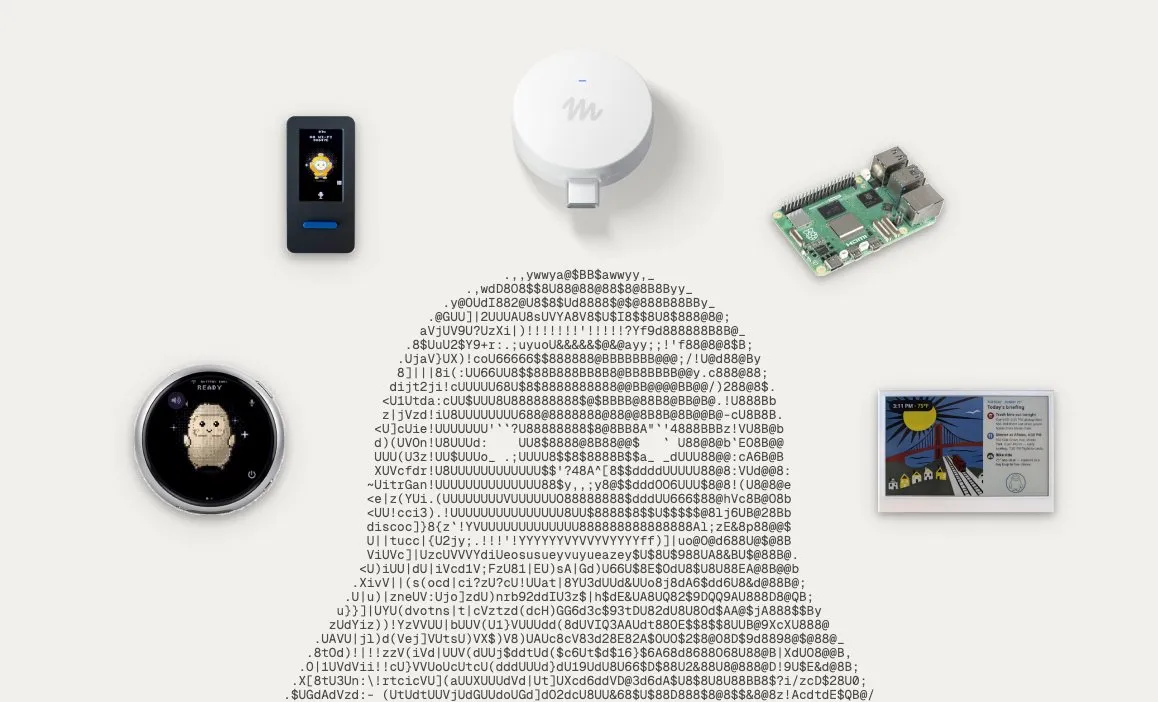
Meta has officially announced a significant shift in strategy for its Muse artificial intelligence ecosystem, making the technology fully open-source to encourage broader development by engineers, hobbyists, and commercial creators alike. By releasing comprehensive open-source firmware and a dedicated Linux Software Development Kit (SDK), the technology giant is positioning Muse as a versatile, modular "brain" capable of driving a diverse array of custom hardware projects. This move marks a pivotal transition from a closed ecosystem to a community-driven platform, fundamentally changing how consumers and enterprises can interact with and deploy edge-based AI solutions.
The announcement opens up unprecedented avenues for hardware customization. Under the umbrella of the newly launched open-source initiative, dubbed Muse Gadgets, developers are no longer restricted to proprietary form factors manufactured exclusively by Meta. Instead, the core technology can now be integrated into a wide spectrum of physical configurations—ranging from custom color e-ink displays and HDMI-enabled TV peripherals to popular microcontrollers and single-board computers like Raspberry Pi and ESP32. By decoupling the software intelligence from proprietary physical shells, Meta is effectively handing the keys of its AI hardware architecture over to the global maker community.
Evolution of the Muse Ecosystem and Chronology of Releases
The open-sourcing of Muse follows a calculated sequence of product rollouts and strategic market positioning by Meta over recent months. The journey began with the conceptualization of Muse as an advanced, context-aware AI assistant designed to bridge the gap between digital intelligence and physical interaction.

In September, Meta captured consumer and media attention with the introduction of Muse Charm, a portable AI device featuring a nostalgic design reminiscent of a Tamagotchi. This device demonstrated Meta’s interest in exploring alternative, playful form factors for AI interaction, moving away from standard rectangular smartphones and smart speakers. Shortly thereafter, the company broadened its commercial scope by introducing Muse for Small Business, a targeted iteration designed to integrate seamlessly with enterprise productivity and e-commerce platforms such as Shopify, Dropbox, and Slack.
The launch of the Linux SDK and open-source firmware represents the logical culmination of this hardware-software strategy. Rather than attempting to manufacture every conceivable niche device in-house, Meta is leveraging the collective ingenuity of the global developer ecosystem to discover new use cases and form factors that internal R&D teams might never have conceived.
Introducing Muse Home Link: Bridging AI and Smart Homes
As part of its strategy to demonstrate the practical capabilities of the newly liberalized SDK, Meta has engineered a hardware percontohan (prototype reference device) known as Muse Home Link. Shaped as a compact USB-C dongle, Muse Home Link serves as an intelligent physical bridge designed to connect the Muse ecosystem directly into existing smart home network infrastructures.
The primary advantage of Muse Home Link is its ability to interface with a wide array of legacy and modern smart home protocols without requiring developers or end-users to build proprietary communication layers from the ground up. By lowering the technical barrier to entry for home automation projects, Meta aims to stimulate rapid prototyping within the Internet of Things (IoT) sector.

To jumpstart adoption, Meta has confirmed an aggressive promotional rollout: the company is preparing to distribute 5,000 units of the Muse Home Link completely free of charge to qualifying subscribers of the Muse service. This initiative is expected to rapidly seed the market with developer-ready hardware, accelerating the feedback loop and encouraging the creation of community-driven smart home applications.
Strategic Implications and Enterprise Expansion
Meta’s decision to open-source Muse aligns with broader industry trends observed among major technology conglomerates seeking to build robust developer ecosystems around proprietary foundational models. While competitors have often focused heavily on cloud-based API access, Meta’s hardware-centric approach emphasizes edge computing, local processing capabilities, and physical ubiquity.
The establishment of a dedicated Enterprise Platform division within Meta further underscores the company’s dual-track approach. On one hand, consumer-facing experiments like Muse Charm and community-driven initiatives like Muse Gadgets foster grassroots innovation and brand loyalty. On the other hand, structured enterprise integrations ensure that scalable, revenue-generating deployments continue to target corporate environments, logistics, and small-to-medium businesses.
Industry analysts note that opening the Linux SDK for Muse could significantly accelerate the adoption of ambient computing. By allowing external engineers to attach sensors, physical actuators, custom buttons, and alternative display technologies to the Muse core, Meta has mitigated the risk of hardware obsolescence. If a specific form factor falls out of favor with consumers, the modular nature of the SDK ensures that developers can rapidly pivot the "brain" of the device into a completely new physical enclosure.

Community Reception and Future Outlook
Early responses from the global developer and maker communities have been overwhelmingly positive. Forums dedicated to IoT development, single-board computing, and embedded systems have expressed strong enthusiasm over the flexibility offered by the Linux SDK. The ability to integrate advanced AI processing directly with affordable hardware platforms like the Raspberry Pi opens up massive potential for educational institutions, independent inventors, and enterprise prototyping labs.
However, long-term success will ultimately depend on the quality of the documentation provided by Meta, the stability of the open-source firmware updates, and the responsiveness of corporate support channels as developers encounter edge cases during custom builds. Furthermore, maintaining stringent privacy and data security standards will remain paramount as Muse-powered devices begin populating both domestic households and enterprise workspaces.
As the first wave of community-built prototypes reaches maturation in the coming months, the technology sector will be closely watching to see whether Meta’s open-source gamble pays off. By inviting the world to co-create the future of physical AI interaction, Meta has set a high benchmark for hardware democratization. The definitive test, however, will rest in the hands of the developers: transforming raw firmware and an SDK into compelling, everyday gadgets that redefine how humans interact with ambient artificial intelligence.








