Tata Titiana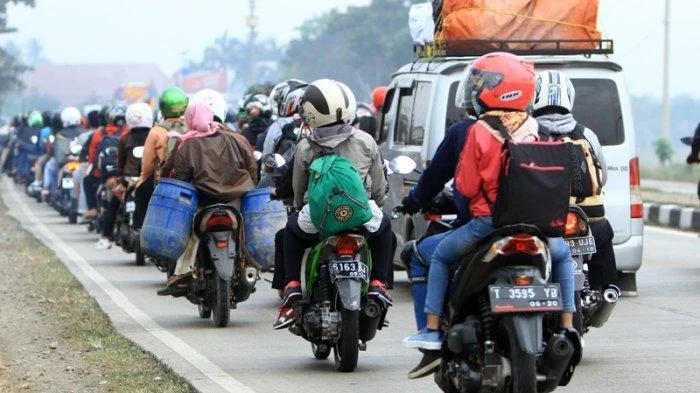
The annual tradition of returning to one’s hometown, widely known as mudik, experienced a significant policy reversal in 2021 following a complete prohibition the previous year due to the escalating global health crisis. Unlike the strict travel bans enforced during the 2020 Idul Fitri celebration to curb the initial wave of the coronavirus pandemic, the Indonesian government officially announced that citizens would be permitted to travel for the 2021 Eid al-Fitr holiday. This critical announcement was delivered by the Minister of Transportation, Budi Karya Sumadi, during a formal working session with Commission V of the House of Representatives (DPR RI) on Tuesday, March 16, 2021.
While the policy granted permission for citizens to travel, transportation authorities clarified that the announcement did not constitute an official recommendation or encouragement to travel. The Ministry of Transportation emphasized its lack of regulatory authority to mandate travel behaviors, instead framing the decision around managed mobility. To prevent the annual exodus from becoming a major vector for rural transmission, the Ministry committed to collaborating closely with the national COVID-19 Task Force. The primary objective of this cross-agency coordination was the formulation of a comprehensive, strict travel mechanism designed to safeguard rural communities, which often house older, more vulnerable demographic segments.
Background Context and Chronological Development
The trajectory of the 2021 mudik policy emerged against a backdrop of strict pandemic containment measures that began in early 2020. During the 1441 Hijriah Eid al-Fitr celebrations in May 2020, the Indonesian government enacted a sweeping, absolute ban on mudik to prevent unchecked viral dissemination across provincial borders. This restrictive stance severely impacted millions of urban workers seeking to visit their families, resulting in significant economic and logistical disruptions within the transportation sector.
By early 2021, the landscape began to shift with the rollout of the national vaccination program, which commenced in January 2021, prioritizing healthcare workers and public servants. Buoyed by the initial deployment of immunizations and a stabilization of infection curves in certain urban centers, policymakers began reevaluating blanket prohibitions. The Ministry of Transportation’s March 2021 announcement marked the first official indication that the government favored regulated mobility over outright bans, initiating weeks of intensive inter-agency planning to establish safe transit protocols.
Official Requirements and Implementation Protocols
In his address to the DPR RI, Minister Budi Karya Sumadi outlined several mandatory requirements and structural provisions intended to regulate the anticipated surge in passenger volume. The regulatory framework relied on three core pillars: stringent health protocols across all phases of travel, enhanced contact tracing mechanisms to mitigate passenger spikes, and shortened validity periods for mandatory pre-travel screening tests, such as rapid antigen tests and polymerase chain reaction (PCR) evaluations.
The operational guidelines mandated rigorous enforcement of health standards—commonly referred to as the 3M principles in Indonesia—encompassing mandatory face mask compliance, physical distancing in terminals, stations, and airports, and frequent disinfection of public transport infrastructure. Furthermore, transportation operators were directed to implement capacity limitations on buses, trains, and aircraft, alongside optimized scheduling to prevent overcrowding. Government officials stressed that while administrative enforcement mechanisms would be robust, individual compliance and social responsibility remained paramount to the initiative’s success.
Public Health Concerns and Epidemiological Warnings
Despite assurances from transportation officials, the decision to permit mudik drew immediate skepticism and concern from public health experts and epidemiologists. Critics argued that despite the ongoing vaccination rollout, population-level immunity was far from sufficient to prevent widespread transmission.
Dr. Riris Andono Ahmad, an epidemiologist from Gadjah Mada University (UGM), publicly voiced concerns regarding the underlying rationale of the policy. According to Dr. Riris, policymakers risked placing too much confidence in the initial coverage of the immunization program. He noted that vaccination primarily reduces the severity of illness rather than entirely eliminating the transmission risk, particularly if travelers fail to adhere to basic health protocols upon arriving in destination communities. Epidemiologists warned that an uncontrolled influx of urban travelers into rural areas—where healthcare infrastructure is typically less equipped to handle surges in severe cases—could trigger localized transmission clusters.
Modal Transport Challenges and Screening Infrastructure
A critical aspect of the 2021 mudik debate centered on the choice of transit modes and the efficacy of route monitoring. Public health analysts noted that mass public transportation systems offered a safer alternative compared to private vehicles due to standardized operational oversight, mandatory screening, and capacity controls.
To address potential vulnerabilities, the government worked to integrate advanced diagnostic tools into major transit hubs. Facilities such as airports, railway stations, and primary bus terminals were equipped with GeNose C-19—a domestically developed breathalyzer screening tool—alongside conventional rapid antigen testing stations.
Conversely, the use of private automobiles and motorcycles presented a significant regulatory challenge. Epidemiologists highlighted that millions of travelers utilizing private transport without centralized oversight would bypass structured screening checkpoints, creating invisible vectors for viral transmission along secondary and tertiary road networks. Consequently, authorities continuously urged the public to utilize regulated public transport to ensure seamless contact tracing and health verification in the event of an outbreak.
Broader Implications and Ongoing Policy Debates
The 2021 mudik policy framework underscored the complex tension between economic mobility, cultural preservation, and public health preservation during a prolonged global crisis. Public health advocates maintained that the macro-level risks of facilitating mass travel outweighed the social benefits, projecting that the pandemic would remain a formidable threat throughout the mid-2021 period.
Ultimately, the policy served as a critical test for Indonesia’s pandemic management strategy, demonstrating the delicate balance required when governing large-scale population movements in the shadow of emerging viral variants. The discourse surrounding the 2021 homecoming season highlighted the necessity of data-driven policymaking, transparent communication between scientific advisors and government regulators, and unwavering public adherence to safety protocols regardless of vaccination status.