
 Chalifah Fatihah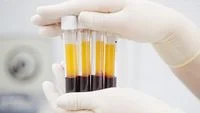
JAKARTA — The Ministry of Health of the Republic of Indonesia is currently formulating comprehensive regulatory frameworks aimed at establishing a robust and self-sustaining national plasma ecosystem. This strategic health initiative is designed to fundamentally reinforce the nation’s overall healthcare resilience while guaranteeing a secure, uninterrupted, and domestic supply of Plasma-Derived Medicinal Products (PDMPs) for patients suffering from critical, chronic, and rare medical conditions.
The announcement was emphasized during the commemoration of International Plasma Awareness Week (IPAW) 2026 in Jakarta, where senior health officials, medical experts, foundation representatives, and international pharmaceutical partners gathered to address the urgent clinical and logistical demands surrounding plasma collection and utilization within the archipelago.
The Core Challenges of Developing a National Plasma Ecosystem
Addressing an audience of medical professionals and stakeholders, Aswardi, Head of the Working Group for Blood Disorders and Immunological Deficiencies at the Ministry of Health, outlined three primary structural and cultural obstacles that the government must successfully navigate to establish a flourishing plasma infrastructure in Indonesia.
The first major hurdle is resource limitation. Developing the specialized infrastructure required for high-grade plasma collection, cryogenic storage, fractionating processing, and safe distribution demands substantial capital investments and advanced medical technology. Without adequate institutional resources and specialized equipment, domestic processing of PDMPs remains constrained, forcing the nation to heavily rely on foreign imports to meet critical patient demands.
The second formidable challenge involves public readiness, awareness, and participation in targeted plasma donation programs. While whole blood donation has achieved a relatively stable level of cultural acceptance across various Indonesian demographics, the specialized process of plasma donation remains largely unfamiliar to the general public.
"The next challenge is the availability and readiness of the community to become donors. This is precisely the key for all of us: how can PDMPs be successfully implemented if the public is not yet ready or willing to play an active role in donating?" Aswardi stated during the IPAW 2026 event.
The third challenge centers on cross-sector collaboration. Building an independent and sustainable national plasma ecosystem transcends the operational capacity of the health ministry alone; it requires synchronized cooperation among government agencies, hospital networks, blood transfusion units (UTDs), private pharmaceutical industries, patient advocacy groups, and individual donors.
The Critical Role of Plasma-Derived Medicinal Products in Healthcare
Echoing the necessity of structural reform, Dita Novianti Sugandi Argadireja, Director of Pharmaceutical Production and Distribution at the Ministry of Health, underscored that plasma is far more than a simple biological component of human blood. Instead, it represents an essential lifeline and a foundational pillar for patient survival.
"When we talk about plasma, we are actually not only talking about one of the components of blood, but we are talking about the hope and survival of patients who need plasma-based therapy as an important part of their medical treatment," Dita stated, citing data from national reports.
PDMPs play an irreplaceable therapeutic role in modern clinical medicine. They are utilized extensively in the management and treatment of complex, debilitating, and life-threatening conditions, including primary immunodeficiencies, congenital bleeding disorders such as hemophilia, acquired coagulopathies, severe burns, shock, and various rare chronic diseases.
According to the Ministry of Health, securing a domestic, safe, high-quality, and affordable supply of PDMPs directly strengthens the national health system. It ensures that vulnerable patients can maintain their daily physiological stability, reduce hospitalization frequencies, and preserve their long-term quality of life, allowing them to remain productive and active contributors to society.
Understanding Plasma and the Apheresis Donation Process
Despite the growing clinical demand, public awareness regarding plasma donation in Indonesia lags significantly behind traditional whole blood donation. Plasma constitutes approximately 55 percent of total human blood volume. It serves as a pale-yellow liquid matrix carrying cellular elements through the cardiovascular system. Crucially, plasma is rich in essential functional proteins—including albumin, immunoglobulins (antibodies), and specific blood-clotting factors—which can be extracted and fractionated into concentrated therapeutic medicines.
Dr. Teguh Triyono, an expert in Blood Bank and Transfusion Medicine, explained that the physiological extraction of plasma differs fundamentally from conventional whole blood donation. While whole blood donation collects all blood components simultaneously, plasma collection utilizes a specialized medical procedure known as apheresis.
During an apheresis procedure, a donor’s blood is drawn through a sterile, single-use tubing set into a specialized automated cell separator machine. The machine isolates and collects only the plasma fraction, while safely returning the red blood cells, platelets, and white blood cells back to the donor’s circulatory system.
"Therefore, a comprehensive understanding of plasma and the collection process is essential, as is recognizing the profound contribution of plasma donors as an indispensable part of the patient’s treatment journey," Dr. Teguh explained. Because plasma donation requires specific cellular criteria and a slightly longer time commitment than whole blood donation, building public trust and understanding is vital for long-term supply sustainability.
Community Engagement and Strategic International Partnerships
Sustaining a reliable pool of regular donors requires moving beyond basic public service announcements. Mila Rahmania, Head of Communication and Information at the Laskar Aferesis Berbagi Foundation (YLAB), noted that civic engagement is maximized when citizens clearly understand the direct clinical impact of their donations.
Rahmania emphasized that sustainable civic participation cannot rely solely on periodic recruitment campaigns. Donors require continuous access to accurate educational information, comfortable and professional donation environments, and formal recognition of their altruistic contributions. When donors feel valued and informed, retention rates rise exponentially.
To accelerate the technological and infrastructural readiness of the domestic framework, international partnerships are playing an instrumental role. Global healthcare companies are lending technical expertise to assist Indonesian stakeholders. For instance, Takeda Pharmaceutical Company, through its global BioLife plasma services network, has signaled its institutional commitment to supporting the expansion of plasma collection networks in Indonesia, strictly adhering to international standards of safety, quality assurance, and regulatory compliance.
Andreas Gutknecht, President Director of PT Takeda Life Sciences, emphasized the company’s dedication to collaborating closely with the Indonesian Ministry of Health and local medical institutions to fortify the domestic healthcare ecosystem.
"Plasma-Derived Medicinal Products play a critical role in supporting patients living with complex and life-threatening conditions. In Indonesia, increasing public understanding of plasma and supporting the development of a sustainable plasma ecosystem are vital steps in strengthening the health system," Gutknecht stated.
Strategic Implications and Future Outlook
The concerted push by the Indonesian Ministry of Health to institutionalize a comprehensive regulatory framework for national plasma development marks a pivotal milestone in the nation’s healthcare trajectory. Historically, low domestic collection rates have forced Indonesia to export raw plasma fractions for overseas fractionation or import finished PDMPs at fluctuating global market costs.
By prioritizing domestic self-sufficiency, Indonesia aims to insulate its healthcare system from international supply chain disruptions, foreign exchange volatility, and global shortages of biological medical products. Furthermore, establishing local processing capabilities complies with national pharmaceutical independence mandates, stimulates biotechnology research, and creates high-skilled employment opportunities within the domestic health sector.
As the Ministry of Health finalizes the upcoming regulatory guidelines, successful implementation will depend heavily on sustained multi-stakeholder execution. Public health campaigns, transparent donor welfare programs, modernized blood banking infrastructure, and rigorous quality control protocols will collectively determine whether Indonesia can successfully transition into a self-reliant nation capable of meeting its own advanced therapeutic needs.








