Eko Sulistyo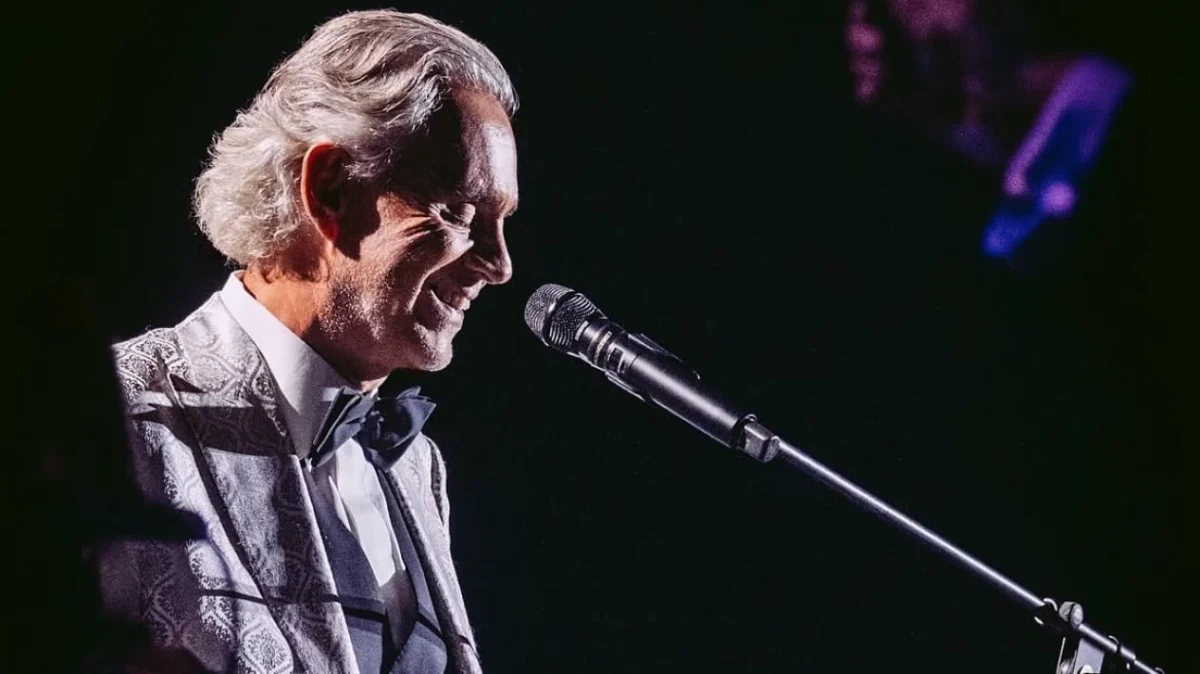
The upcoming concert tour of world-renowned Italian tenor Andrea Bocelli in Indonesia has become the epicenter of a significant cultural and political debate. As the planned dates at Jakarta and the historic Borobudur Temple approach, the maestro has officially responded to intense pressure from the Indonesian Ulema Council (MUI), which has formally requested the cancellation of the performances. The controversy stems from public scrutiny regarding Bocelli’s past professional associations and appearances, which critics have linked to geopolitical tensions involving Israel.
In a formal statement released on Monday, October 12, 2026, the 68-year-old tenor sought to decouple his artistic presence from the complexities of international diplomacy. Bocelli emphasized that his visit is motivated strictly by the universal language of music and a commitment to humanitarian values, rather than any alignment with political agendas or military initiatives.
The Core of the Controversy: A Conflict of Art and Geopolitics
The tension surrounding the tour began to escalate following public remarks from the Indonesian Ulema Council (MUI), a prominent Islamic clerical body in Indonesia, which is the world’s most populous Muslim-majority nation. The organization expressed strong reservations regarding the concert, citing Bocelli’s historical record and past performances in Israel. The MUI argued that given Indonesia’s consistent and vocal support for the Palestinian cause, hosting an artist who has been perceived as supporting the Israeli state could be interpreted as an affront to the national stance on the conflict.
The protest gained momentum on social media platforms, with various advocacy groups calling for the Indonesian government to review the permits granted to the concert organizers. The debate has effectively turned the musical event into a litmus test for the intersection of global entertainment and local political sentiment.
Andrea Bocelli’s Official Stance on Political Neutrality
Addressing the controversy directly, Bocelli stated, "My participation is based solely on art and the sense of humanity that we share." He sought to clarify the financial and logistical nature of the tour, explicitly denying any involvement in fundraising for political or military causes.
"There is no plan for fundraising to support political or military interests associated with these concerts. No revenue from these performances is intended for such purposes," Bocelli clarified. The tenor, who has sold over 90 million records throughout his illustrious career, reiterated his long-standing policy of maintaining a boundary between his professional stage life and the volatile world of international politics.
"After dedicating my life to this calling, I have always maintained a distance from politics and political alignments—matters that require deep understanding that I do not claim to possess," the singer added. For Bocelli, every performance represents a singular mission: to share the beauty of his voice and the power of classical music with a diverse audience, regardless of their religious or ideological backgrounds.
Chronology of the Dispute
The escalation of this situation can be mapped through several key phases:
- Announcement Phase: Organizers announced the tour dates, promising a historic performance at the Borobudur Temple, a UNESCO World Heritage site, intended to promote Indonesian tourism and cultural diplomacy.
- Public Scrutiny: Activist groups and social media users began circulating footage and news reports of Bocelli’s past performances in Israel, framing these as evidence of political bias.
- Formal Intervention: The MUI issued a public statement urging the Indonesian government to reconsider the tour, suggesting that the event’s cultural impact would be overshadowed by the political controversy.
- The Response: Following mounting pressure, Bocelli’s management team released the official statement on October 12, 2026, aimed at calming the public discourse and separating the artist from the political debate.
Economic and Cultural Implications for Indonesia
The potential cancellation of the Bocelli tour holds significant economic implications. Major international concerts in Indonesia are key drivers of the "MICE" (Meetings, Incentives, Conferences, and Exhibitions) sector, which the Indonesian government has been actively cultivating to recover from post-pandemic economic shifts.
Borobudur, as a selected venue, is a point of national pride. Hosting a world-class artist of Bocelli’s stature is meant to project Indonesia as a global cultural hub. However, the controversy highlights a delicate reality for event organizers in Southeast Asia: the need to navigate the sensitive religious and political values of the local populace while maintaining international cultural standards.
Analysts suggest that if the government yields to pressure and cancels the concert, it could create a precedent for future international artists, potentially causing promoters to exercise caution when booking performers with any history of involvement in global conflict zones. Conversely, allowing the concert to proceed could lead to further protests, potentially impacting the brand image of the venues involved.
Contextualizing the Artist: Career and Values
Andrea Bocelli is globally recognized as an artist who transcends borders. Born in Lajatico, Italy, he rose to international fame in the mid-1990s. His appeal is attributed to his unique ability to bridge the gap between operatic tradition and contemporary pop. With a catalog that includes best-selling albums like Romanza and Sogno, he has performed for popes, presidents, and royalty.
His supporters argue that the demand to cancel the tour is a form of "guilt by association" that ignores the artist’s humanitarian work. Through the Andrea Bocelli Foundation, the tenor has been involved in numerous global charity projects, including initiatives for education, healthcare, and infrastructure development in impoverished regions. His supporters emphasize that his artistic mission is fundamentally inclusive, intended to bring people together rather than divide them.
Analysis: The Future of International Performances in Indonesia
The Bocelli incident serves as a case study for the evolving relationship between global entertainment and domestic activism. Indonesia’s stance on the Israel-Palestine conflict is a cornerstone of its foreign policy, deeply rooted in its national identity and constitution. When high-profile international cultural events collide with these deeply held beliefs, the result is an inevitable friction that demands careful navigation by both the government and private promoters.
Moving forward, the Indonesian government faces a dual challenge: upholding its commitment to international cultural exchange and tourism, while remaining responsive to the moral and political concerns of its citizens. The Ministry of Tourism and the Ministry of Foreign Affairs may eventually need to establish clearer frameworks for how international artists are vetted to avoid such public confrontations in the future.
Conclusion: The Standoff Continues
As of October 12, 2026, the status of the concerts remains a subject of intense negotiation and public interest. While Bocelli has stated his intentions clearly, the final decision likely rests with the Indonesian authorities, who must weigh the potential for civil unrest against the benefits of hosting a high-profile cultural event.
For now, the tenor’s plea for his music to be viewed as an act of unity rather than a political statement remains the focal point of the narrative. Whether this clarification will be sufficient to satisfy the concerns of the MUI and the broader public remains to be seen. The coming days will be critical in determining whether the music of one of the world’s most beloved tenors will indeed ring out at Borobudur or if this tour will be remembered as another victim of the increasingly polarized global geopolitical landscape.