Eko Sulistyo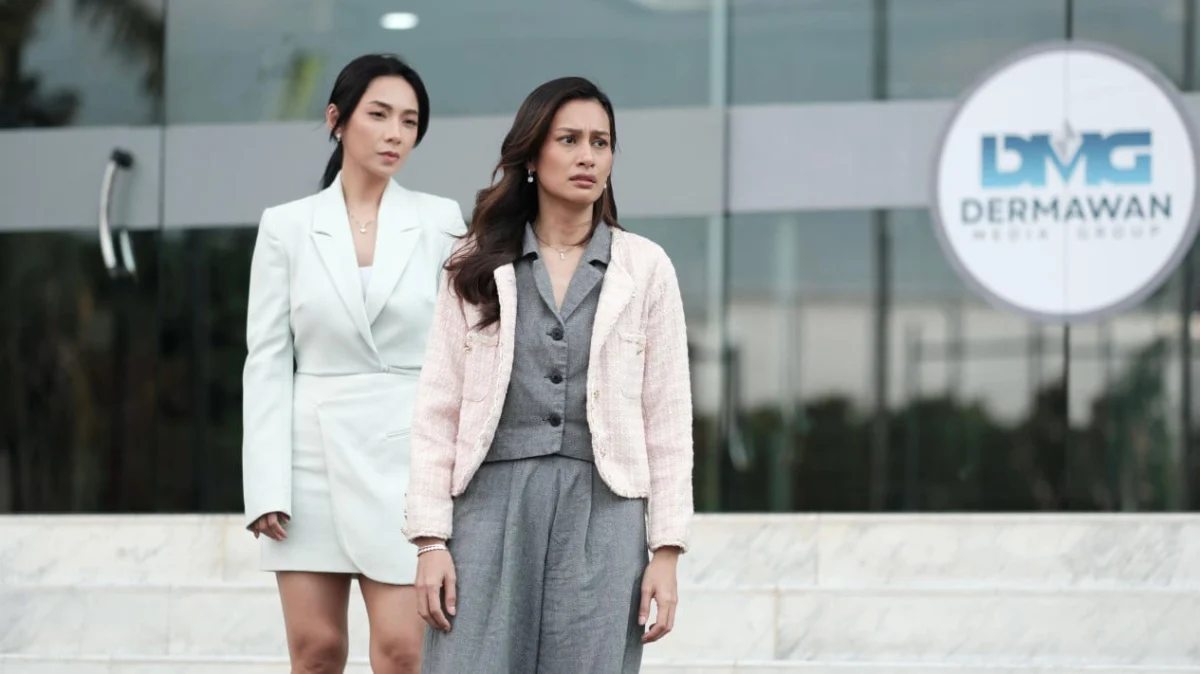
The dynamics of sibling rivalry are rarely black and white, often masking deeper currents of professional insecurity, parental validation, and the burden of legacy. This is the core theme currently unfolding in the hit serial Tante Sonya, where the character of Diana, portrayed by Dinda Kirana, has become a focal point for audiences analyzing the intersection of family expectations and corporate ambition. As the series reaches its seventh episode, the narrative has shifted from a standard familial dispute into a high-stakes corporate drama that mirrors real-world challenges faced by heirs in family-run conglomerates.
The central conflict involves the Dermawan Group, a fictional powerhouse where the protagonist, Diana, has served as the Chief Financial Officer (CFO). For years, Diana operated as the steady hand of the company while her sister, Sonya (played by Raihaanun), was absent in the United States. The tension erupts when Sonya returns and is immediately re-entrusted with the leadership of the pivotal Nexora investment project, effectively sidelining Diana.
The Psychology of Professional Erasure
For many viewers and critics, Diana’s trajectory provides a case study in the "second-child syndrome" within corporate structures. While the narrative is fictional, industry analysts note that the phenomenon of long-term employees or family members feeling invisible after years of dedicated service is a frequent catalyst for internal corporate conflict.
In a recent discussion held during the "Tea Time with Dinda Kirana" event at the Rapi Films studio, the actress provided insight into the motivations driving her character. Dinda Kirana revealed that she drew upon her own life experiences regarding family business involvement to breathe authenticity into Diana’s frustration. "Diana feels she has sacrificed everything to hold the company together, yet her efforts remain invisible to her father," Dinda stated. "When Sonya returns and is handed the keys to the kingdom, the question isn’t just about jealousy; it is a profound existential question: ‘What was my purpose all this time?’ Understanding that distinction is key to seeing Diana not as a villain, but as a person pushed to the brink of desperation."
Chronology of a Corporate Coup
The escalation of the conflict within Tante Sonya has followed a methodical, albeit destructive, path. The timeline of the narrative’s most recent developments serves as a blueprint for the character’s descent:
- The Tenure of Stability: During Sonya’s years in the United States, Diana solidifies her role as CFO, navigating the fiscal complexities of the Dermawan Group and positioning herself as the natural successor.
- The Catalyst of Return: Sonya’s return to the company is marked by an immediate reinstatement to a position of high authority, specifically the Nexora project, which Diana perceives as a direct insult to her contributions.
- The Formation of an Alliance: Feeling systematically dikesampingkan (sidelined), Diana forms a strategic, albeit morally compromising, alliance with the character Lydia (Sarah Felicia).
- The Exposure: Utilizing sensitive information, Diana orchestrates the public revelation of a clandestine relationship between Sonya and Ben (Maxime Bouttier).
- The Aftermath: The fallout is immediate and severe. Ben faces termination, Sonya is officially suspended from her duties, and the Nexora project is transferred to Diana’s control.
The Professional Implications of Family Conflict
From a management perspective, the events occurring within the Dermawan Group highlight the risks of nepotism and unclear succession planning. In many real-world family-owned enterprises, the lack of a transparent transition strategy often leads to the exact scenario presented in the show: two highly qualified individuals fighting for the approval of a patriarch, leading to the destruction of the company’s internal culture.
The decision to install Sonya in the Nexora project without acknowledging Diana’s stewardship serves as a failure of leadership by the fictional patriarch of the Dermawan Group. By creating a vacuum of recognition, the company inadvertently fostered a hostile work environment. Diana’s decision to leak information about Sonya and Ben is, in corporate terms, an act of "whistleblowing" weaponized for personal gain. While this secures her the professional victory she craved, it also creates a toxic corporate environment that is likely to invite regulatory scrutiny and loss of investor confidence in subsequent episodes.
Media and Audience Reception
The serial Tante Sonya, produced in collaboration with the streaming giant WeTV, has seen a significant uptick in viewership as the plot has intensified. The show has successfully captured a demographic interested in the "prestige drama" genre—stories that focus on wealth, power, and the emotional costs associated with both.
Industry experts suggest that Dinda Kirana’s portrayal of Diana has been pivotal in this success. By moving away from the "evil sister" trope and grounding the character in a narrative of perceived injustice, the show has encouraged a more nuanced discussion on social media platforms. Fans and content creators have been actively debating the ethics of Diana’s actions, with many acknowledging that while her methods were wrong, her underlying grievance against a patriarchal family structure is deeply relatable.
Broader Context: The Reality of Family Business Dynamics
While Tante Sonya is a work of fiction, the struggles depicted align with data regarding family-owned businesses globally. According to various business management studies, sibling rivalry is the leading cause of dissolution in family-run companies. The tension often stems from a lack of "meritocratic clarity"—where emotional history overrides professional performance.
In the case of the Dermawan Group, Diana’s role as CFO should have, by all metrics, entitled her to a greater degree of corporate deference. However, the emotional narrative of the father-daughter relationship supersedes the fiscal reality. This conflict is a universal theme, appearing in everything from Shakespearean tragedies to modern dramas like Succession. The inclusion of these themes in Indonesian media demonstrates an evolution in local storytelling, moving toward more complex, character-driven narratives that challenge the audience to empathize with "gray" characters.
Looking Ahead: The Cost of Victory
As the narrative progresses beyond the seventh episode, the audience is left to consider the long-term cost of Diana’s victory. While she has secured control over the Nexora project, she has also alienated her family and potentially damaged the reputation of the firm she worked so hard to preserve.
The upcoming episodes are expected to address the fallout of the internal investigation into Sonya and Ben. Can a business survive when its primary stakeholders are engaged in a zero-sum game of personal retribution? Furthermore, how will the relationship between the sisters recover—if it can recover at all?
The creators of Tante Sonya have signaled that the drama is far from over. With the Nexora project now firmly under Diana’s control, the pressure on her to perform will increase significantly. Any minor failure in the project’s execution will now be magnified, given the circumstances under which she attained her position. The show continues to serve as a stark reminder that in the world of high-stakes business, the most dangerous enemies are often found within one’s own family tree.
As the series moves toward its climax, the focus will likely remain on the moral ambiguity of its characters. By providing a platform for discussions like "Tea Time with Dinda Kirana," the production team has successfully bridged the gap between the onscreen drama and the real-world audience, turning a fictional story into a broader conversation about professional validation, family trauma, and the price of ambition. For viewers, the question remains: is the power worth the isolation that inevitably follows such a calculated ascent to the top? As Diana’s story unfolds, the answer seems increasingly complex, reflecting the very nature of the human experience that the show aims to explore.