
 Chalifah Fatihah
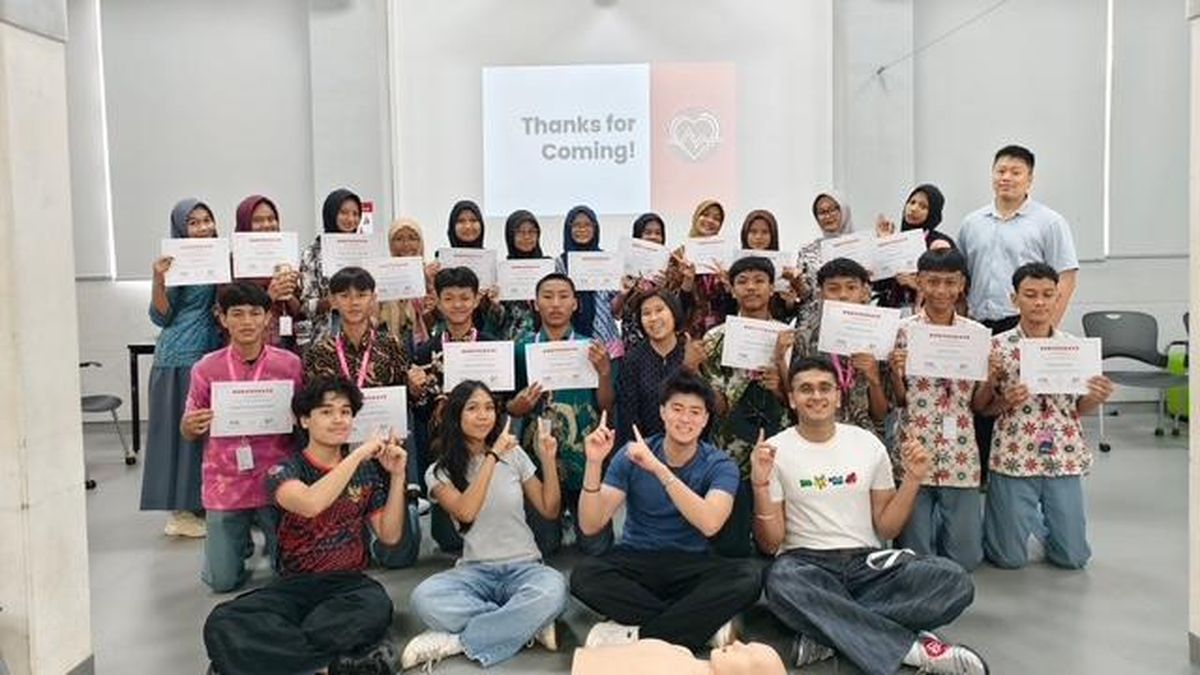
The critical window of survival during a sudden cardiac arrest is measured in precious minutes, a reality that prompted the Beatkeepers Collective to spearhead an intensive life-support training initiative at the British School Jakarta. Bringing together students from Sekolah Binar, the educational workshop was meticulously designed to bridge the gap between theoretical emergency response and practical, hands-on intervention. Led by Russell Young, founder of the Beatkeepers Collective, the program aimed to demystify cardiopulmonary resuscitation (CPR) and the operation of automated external defibrillators (AEDs). By embedding these vital competencies into school-aged demographics, the initiative tackles a pressing public health challenge head-on: preparing ordinary citizens to act as first responders long before professional emergency medical services arrive at the scene.
The Anatomy of a Life-Saving Workshop: Theory to Practice
The comprehensive educational session commenced with an engaging theoretical overview led by Young and his seasoned team of instructors. Students were introduced to the foundational chain of survival, learning how to swiftly recognize the physiological indicators of sudden cardiac arrest when an individual collapses unexpectedly. The curriculum emphasized that hesitation is often the greatest barrier in emergency scenarios, instructing participants on how to systematically assess a scene for safety, call for professional medical assistance, and simultaneously designate peers to locate the nearest AED device.
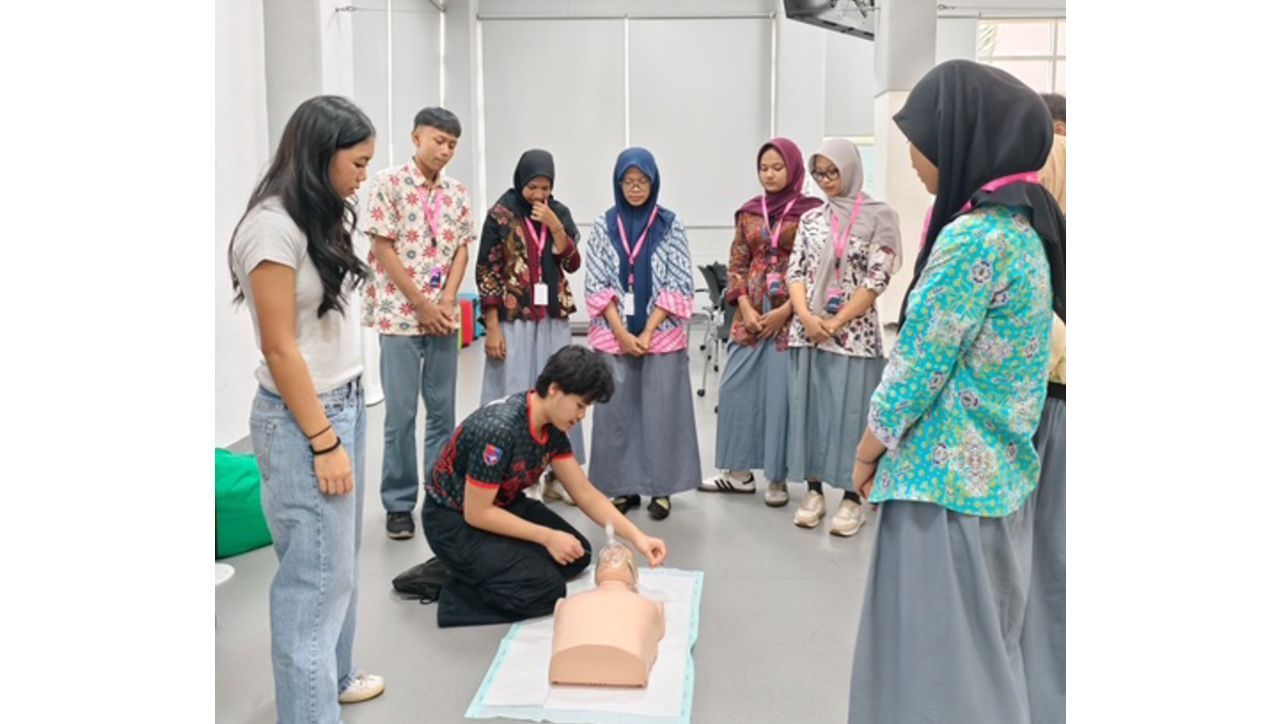
Following the classroom-style introduction, the workshop transitioned into rigorous, hands-on application. Participants were guided through the precise biomechanics of chest compressions—maintaining the correct depth, rate, and recoil—as well as the administration of rescue breaths. Crucially, the students interacted directly with medical-grade training manenkins, simulating real-world pressure conditions. This experiential learning phase was closely monitored by the collective’s core medical advisors, Dr. Paulus and Dr. Vanessa. These resident experts provided immediate, individualized feedback, correcting hand placement, compression cadences, and operational familiarity with training AED units.
The inclusion of interactive Q&A segments allowed students to voice uncertainties, correct minor technical errors, and build physical muscle memory. This pedagogical approach ensures that theoretical knowledge transforms into actionable confidence, mitigating the panic typically associated with life-threatening medical emergencies.
Addressing a Silent Epidemic: The Urgency of Early Intervention
Sudden cardiac arrest does not discriminate by age, time, or location; it can strike unexpectedly in athletic fields, residential homes, classrooms, or public thoroughfares. According to global cardiovascular health metrics, survival rates plummet by roughly 7 to 10 percent for every minute a victim goes without defibrillation and effective CPR. In environments like schools, where adolescents spend a significant portion of their daily lives, the presence of trained student bystanders can fundamentally alter survival trajectories.
Traditional emergency medical response times in densely populated urban centers like Greater Jakarta are frequently impeded by severe traffic congestion and logistical hurdles. Consequently, the initial four to six minutes following a cardiac event—often referred to as the golden minutes—fall entirely upon whoever happens to be in the immediate vicinity. By equipping students with the capacity to initiate immediate chest compressions and deploy an AED, the Beatkeepers Collective effectively establishes an immediate line of defense, transforming passive bystanders into active links within the emergency medical chain.
Expanding Reach and Institutional Vision
The recent collaborative event involving students from Sekolah Binar marks a significant milestone in a broader, ongoing mission. To date, the Beatkeepers Collective has successfully trained over 300 students spanning more than ten distinct educational institutions across Indonesia. This systematic expansion underscores a growing recognition among international and national schools regarding the necessity of holistic health and safety education.
Founded and spearheaded by Russell Young, the Beatkeepers Collective emerged from a vision to demystify emergency cardiovascular care and eradicate the intimidation factor often surrounding medical equipment like AEDs. Many laypeople harbor unwarranted fears regarding the legal liabilities or mechanical complexities of operating an AED. The collective’s workshops actively dismantle these misconceptions through standardized, accessible instruction, proving that adolescent learners possess both the cognitive capacity and physical dexterity required to perform effective resuscitation.
"With ongoing education, we can ensure that an increasing number of young people become familiar with CPR and AED protocols, instilling the vital self-assurance required to step forward when crisis strikes," Young noted during the event. This philosophy of multiplier education relies on the premise that students will share these techniques within their familial circles and peer networks, thereby diffusing critical medical literacy deep into the wider community fabric.
Strategic Implications for Indonesian Public Health
The proactive stance demonstrated by organizations like the Beatkeepers Collective highlights a critical structural gap in standard academic curricula. While academic proficiency remains a primary metric of institutional success, the integration of basic life support (BLS) training addresses a fundamental life skill that transcends traditional subjects. Public health analysts suggest that widespread adoption of mandatory CPR and AED training in secondary schools could exponentially elevate community resilience against cardiovascular emergencies.
Furthermore, the initiative aligns with international emergency medical guidelines that advocate for public access defibrillation (PAD) programs. As modern infrastructure in Indonesian urban hubs increasingly incorporates AEDs into public spaces, shopping centers, transit hubs, and educational facilities, the corresponding human infrastructure—individuals trained and willing to use these devices—must evolve in parallel. Without a knowledgeable populace, the strategic placement of life-saving hardware remains an underutilized resource.
Looking Ahead: The Future of Youth-Led Medical Preparedness
As the Beatkeepers Collective looks toward the future, the organization plans to scale its operational footprint, targeting additional educational institutions and community organizations throughout the archipelago. The blueprint established at the British School Jakarta serves as a scalable model for future interventions: combining expert medical oversight, experiential learning, and an empowering pedagogical philosophy.
Ultimately, the initiative spearheaded by Russell Young, Dr. Paulus, Dr. Vanessa, and the broader Beatkeepers team redefines the role of youth in public safety. By transforming students into competent emergency responders, the collective is not merely teaching a technical skill; it is cultivating a culture of communal responsibility, preparedness, and proactive care that resonates far beyond the classroom walls.








