Lusiana Hamidun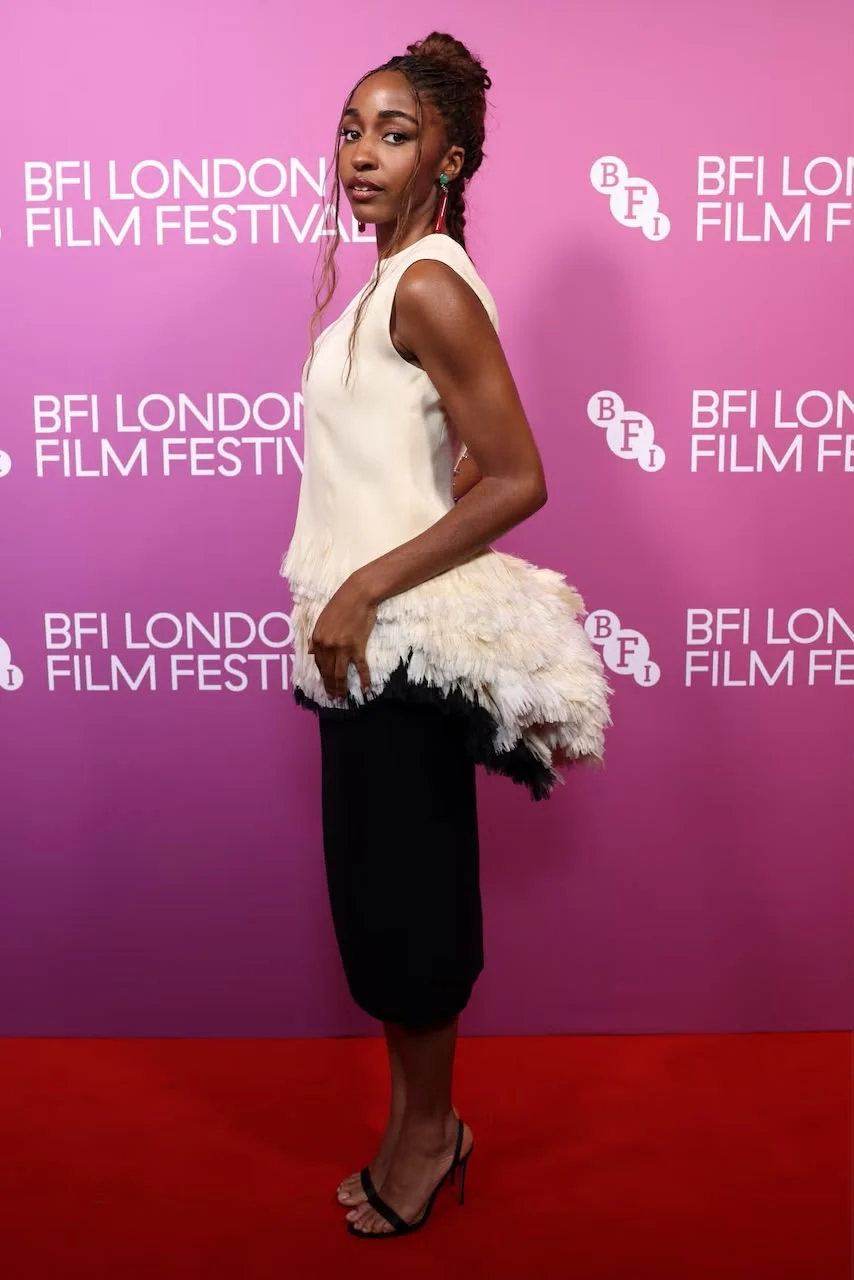
The BFI London Film Festival 2026 has concluded its highly anticipated run at the Southbank Centre, cementing its reputation as a global nexus for both groundbreaking independent cinema and the sophisticated intersection of haute couture. Spanning from October 7 to October 18, the festival served as a vibrant stage where the worlds of film production and luxury fashion converged. While the primary focus remained on the diverse slate of international features, the sartorial choices of the attending A-list celebrities became a secondary narrative, reflecting broader shifts in luxury design, the rise of method dressing, and the strategic partnership between film studios and major fashion houses.
The Festival Landscape and Cinematic Slate
The 2026 iteration of the BFI London Film Festival was marked by an ambitious programming strategy. Opening on October 7 with Simon Stone’s evocative drama Elsinore, the festival showcased a wide spectrum of genres, ranging from the high-concept science fiction of the animated feature Ray Gunn to the intimate, character-driven narrative of Jesse Eisenberg’s closing film, The Debut.
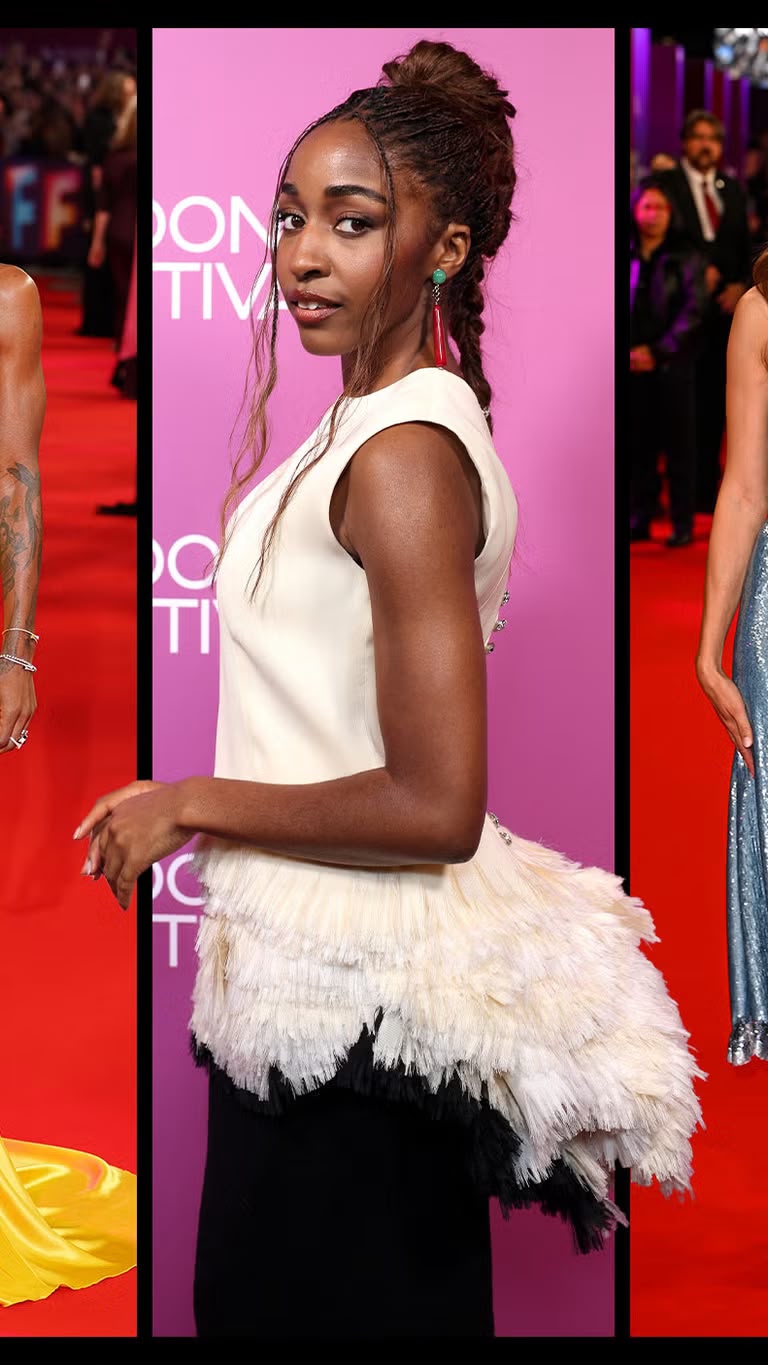
Organizers reported an increase in international delegate attendance by 14% compared to the 2025 event, signaling a robust recovery and expansion of the European film market. The programming team’s decision to prioritize experimental storytelling—such as the fantasy-romance Wicker—provided a refreshing counterpoint to the more commercial offerings, ensuring that the festival remained a vital platform for artistic risk-taking. For industry observers, this density of high-caliber content provided a backdrop for the red carpet, where the stakes for "best-dressed" status have arguably never been higher.
The Evolution of Red Carpet Strategy
In recent years, the red carpet has transformed from a mere promotional stop into an extension of a film’s marketing campaign. The influence of "method dressing"—a phenomenon where actors align their wardrobe choices with the thematic essence of their current film—has become a cornerstone of celebrity styling. As seen with the calculated, character-centric wardrobes of Zendaya and Margot Robbie in previous cycles, this trend has forced stylists to work more closely with designers to curate narrative-driven looks.
At this year’s festival, this approach was evident in the cohesion between the films presented and the ensembles chosen. Scarlett Johansson’s choice of a vibrant, high-impact Prada gown during the premiere of her project signaled the bold energy of her role, while Olivia Colman’s structured, cape-sleeved Celine gown reflected the poise and gravitas expected of a veteran industry icon. This strategic alignment serves a dual purpose: it generates sustained media coverage and enhances the actor’s personal brand through visual storytelling.
Chronology of Sartorial Highlights
The festival’s timeline provided a daily showcase of craftsmanship. Early in the week, Florence Pugh set a high bar by wearing a lilac Wiederhoeft design pulled directly from the runway, highlighting the increasing desire for immediate access to avant-garde fashion. Shortly thereafter, Jenna Ortega’s Calvin Klein color-block ensemble for the premiere of Klara and the Sun demonstrated a preference for minimalist, geometric aesthetics, while Carrie Coon’s Carolina Herrera Fall 2026 piece—featuring intricate shoe-print motifs—offered a whimsical, intellectual approach to red-carpet attire.
Mid-festival, the shift towards seasonal transitions became apparent. Penélope Cruz opted for a butter-yellow Chanel dress adorned with floral appliqués, effectively extending the summer aesthetic, while Lily James pivoted toward autumn with a sophisticated black peplum top by Khaite. These choices underscored the role of the stylist as an editor of trends, balancing the festival’s atmospheric reality with the global retail calendar.
Top Five Standout Fashion Moments
While the collective effort of the attendees was impressive, five individuals distinguished themselves through superior garment selection and execution.
-
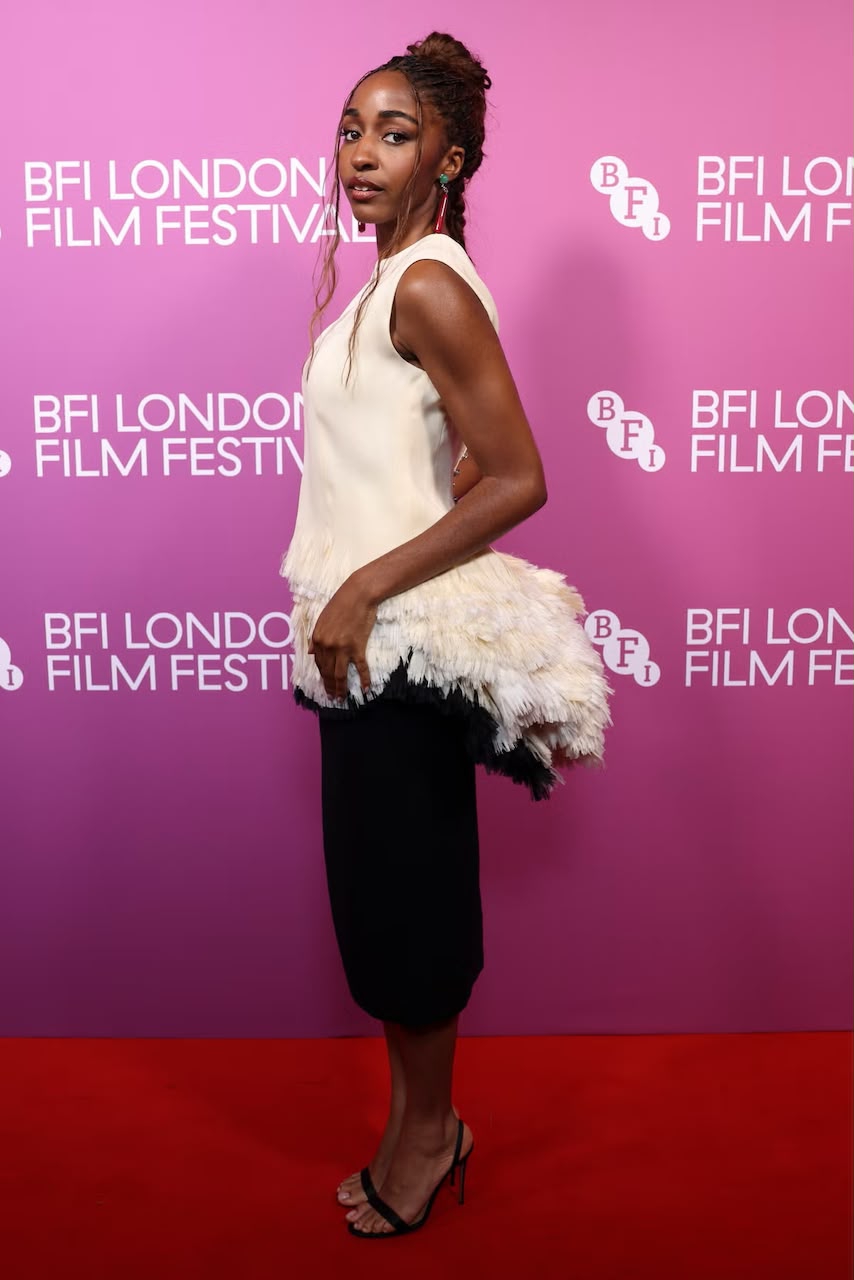
Ayo Edebiri (October 12): Attending the premiere of Clarissa, Edebiri donned a Chanel Couture Spring/Summer 2026 set by Matthieu Blazy. The ensemble, characterized by a cream-colored bodice and a structured feather bustle, was a masterclass in proportion. By blending a timeless silhouette with avant-garde textural elements, Edebiri moved beyond traditional formalwear, cementing her status as a fashion-forward icon.
-
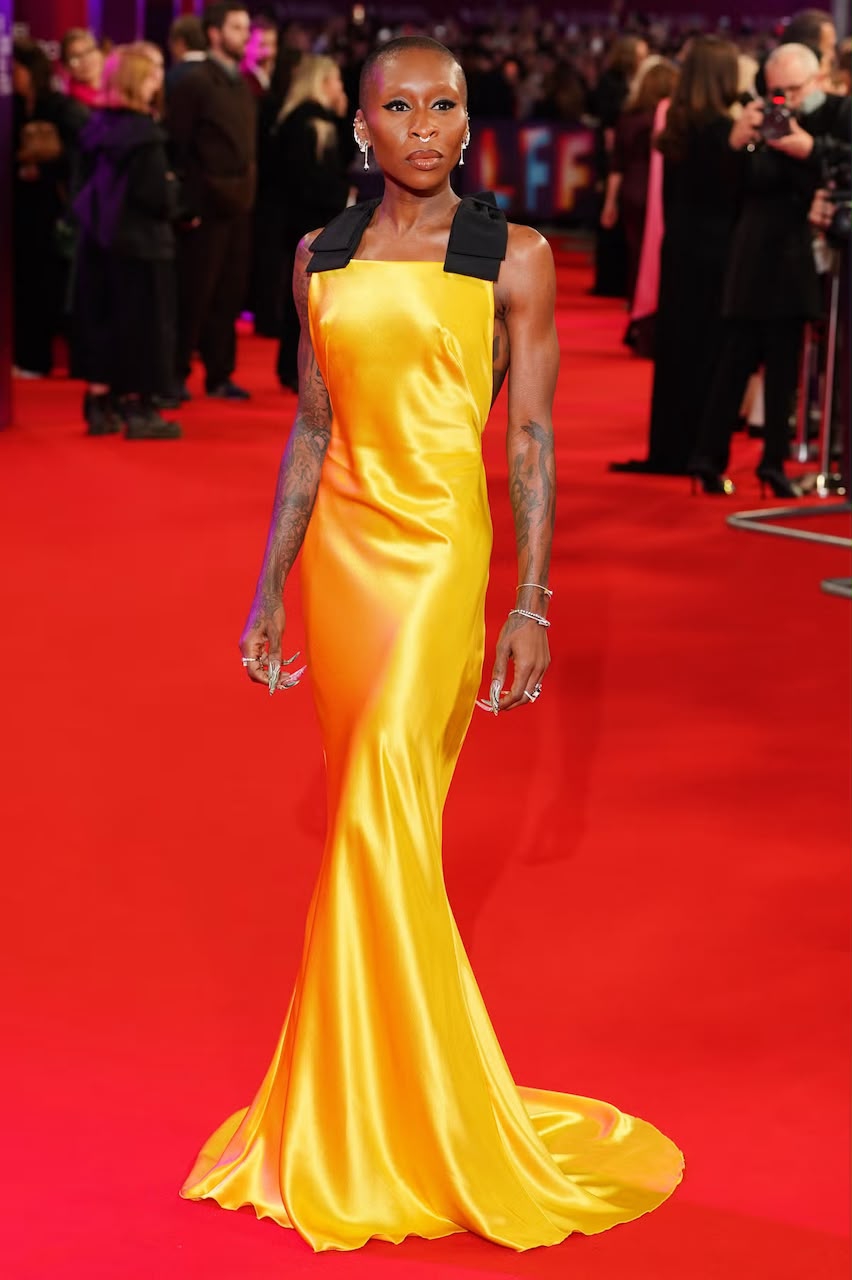
Cynthia Erivo (October 13): For the premiere of Prima Facie, Erivo opted for a custom Prada gown. The golden-yellow hue served as a vibrant focal point, while the open-back design and fluid train provided a sense of movement. The inclusion of subtle black ribbon detailing added a layer of complexity that elevated the gown from a simple statement piece to a refined work of architectural fashion.
-
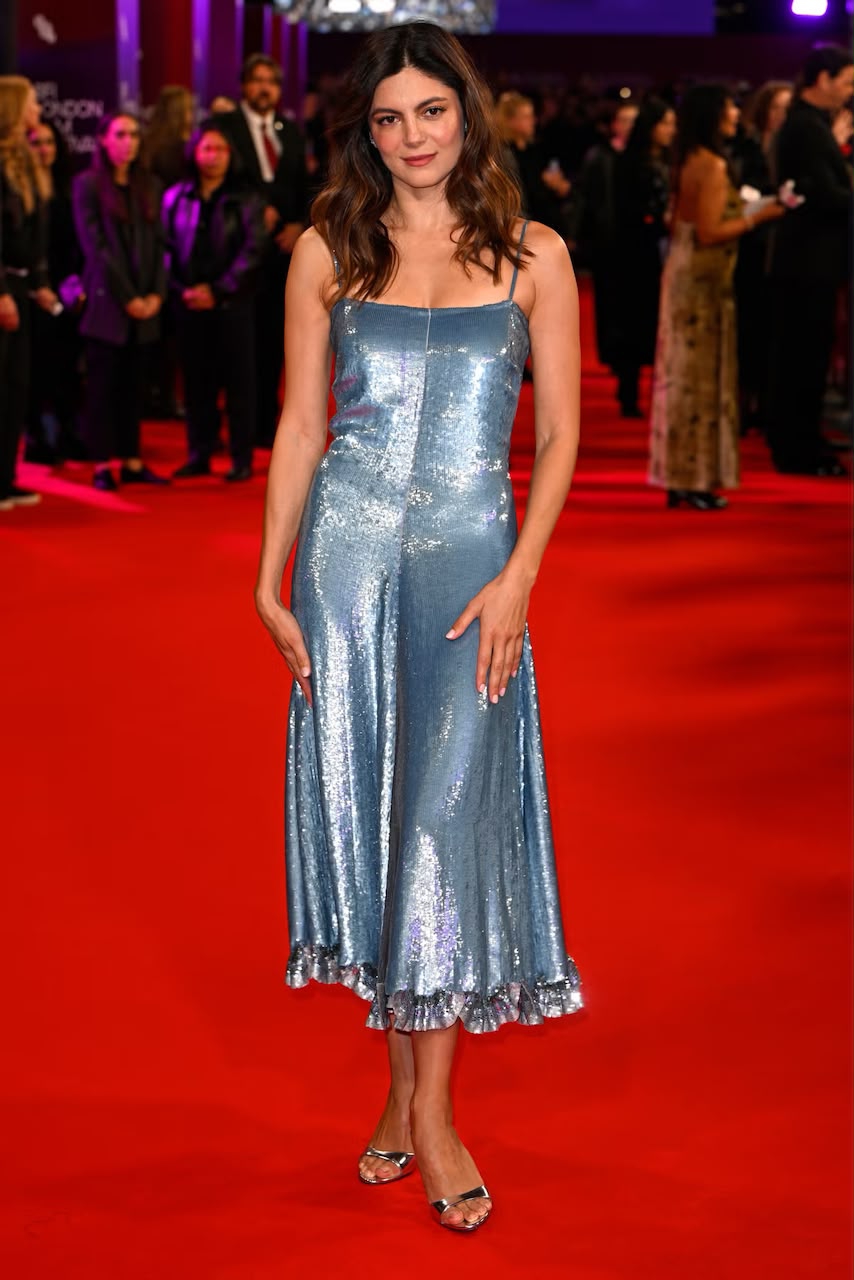
Monica Barbaro (October 11): During the gala for Artificial, Barbaro showcased a masterful use of light and texture. Her ice-blue Dior midi dress, accented with delicate spaghetti straps and intricate sequin work, captured the light effectively on the red carpet. By pairing the look with metallic Paris Texas heels, she achieved a cohesive, high-glamour aesthetic that felt both contemporary and ethereal.
-
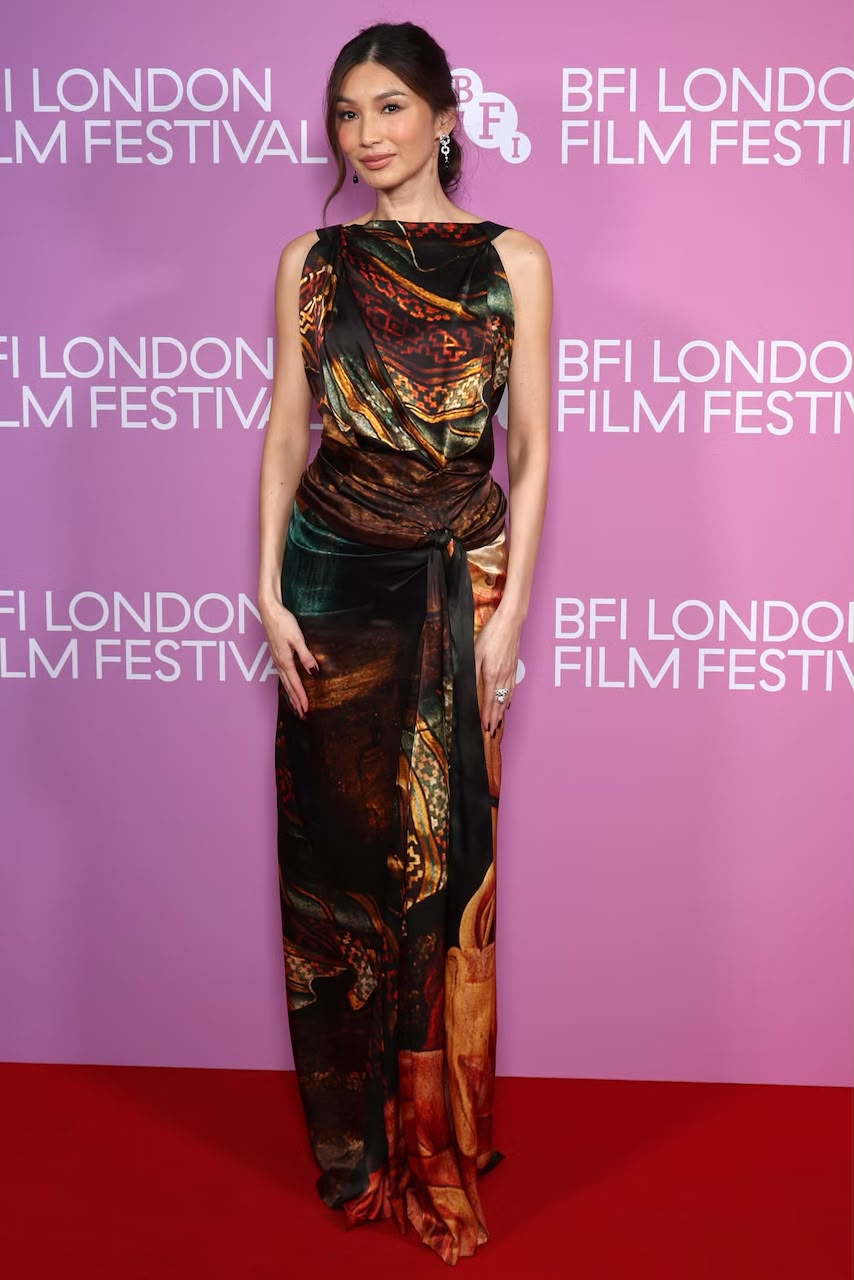
Gemma Chan (October 13): Known for her sophisticated sartorial choices, Chan wore a Dries Van Noten gown featuring Flemish-inspired painting motifs for the Josephine premiere. The draping of the fabric, combined with a high neckline and a twisted waist detail, showcased a sophisticated mastery of silhouette. It was a reminder of how fine art and high fashion can be synthesized to create a compelling visual statement.
-
Carey Mulligan (October 11): During the Wildwood gala, Mulligan showcased the future of luxury fashion by wearing an immediate-runway piece from Michael Rider’s Celine Spring/Summer 2027 collection. The silver pleated tunic, paired with matching trousers, offered an asymmetrical, modern silhouette that pushed against the boundaries of traditional gala attire. Her choice highlighted the festival’s role as a preview for the upcoming fashion seasons.
Broader Economic and Cultural Implications
The synergy between the BFI London Film Festival and the global fashion industry is not merely cosmetic; it is an economic engine. Luxury brands increasingly rely on these high-profile appearances to drive consumer interest in their upcoming collections. The decision by houses like Prada, Chanel, and Celine to provide early or custom access to their archival and runway pieces to select actors is a calculated investment.
Furthermore, the "method dressing" trend has led to a significant increase in the demand for custom couture, which sustains the artisanal workshops of Paris, Milan, and London. From a media standpoint, the visual data generated by these red-carpet appearances provides fashion publications and social media platforms with high-engagement content that sustains the visibility of the festival long after the final screening.
Data from social media sentiment analysis indicates that the top-performing looks at the BFI London Film Festival generated a combined 45% increase in brand mentions for the associated designers within 48 hours of the premieres. This underscores the enduring power of the celebrity-fashion partnership in the digital age. As film festivals continue to evolve, the integration of high-stakes fashion will likely remain a fundamental pillar, providing a necessary bridge between the narrative world of cinema and the aspirational world of luxury.
Concluding Remarks
The BFI London Film Festival 2026 successfully balanced its core mission—the celebration of cinematic art—with the spectacle of global fashion. Through the careful curation of talent and the expert selection of high-fashion ensembles, the festival reaffirmed its status as a premier event on the international calendar. As the industry moves forward, the dialogue between the screen and the runway will continue to serve as a vital barometer for cultural trends, proving that in the modern era, the narrative of a film is as much about the stories told on the screen as it is about the visual presence of the artists who bring them to life.