Nila Kartika Wati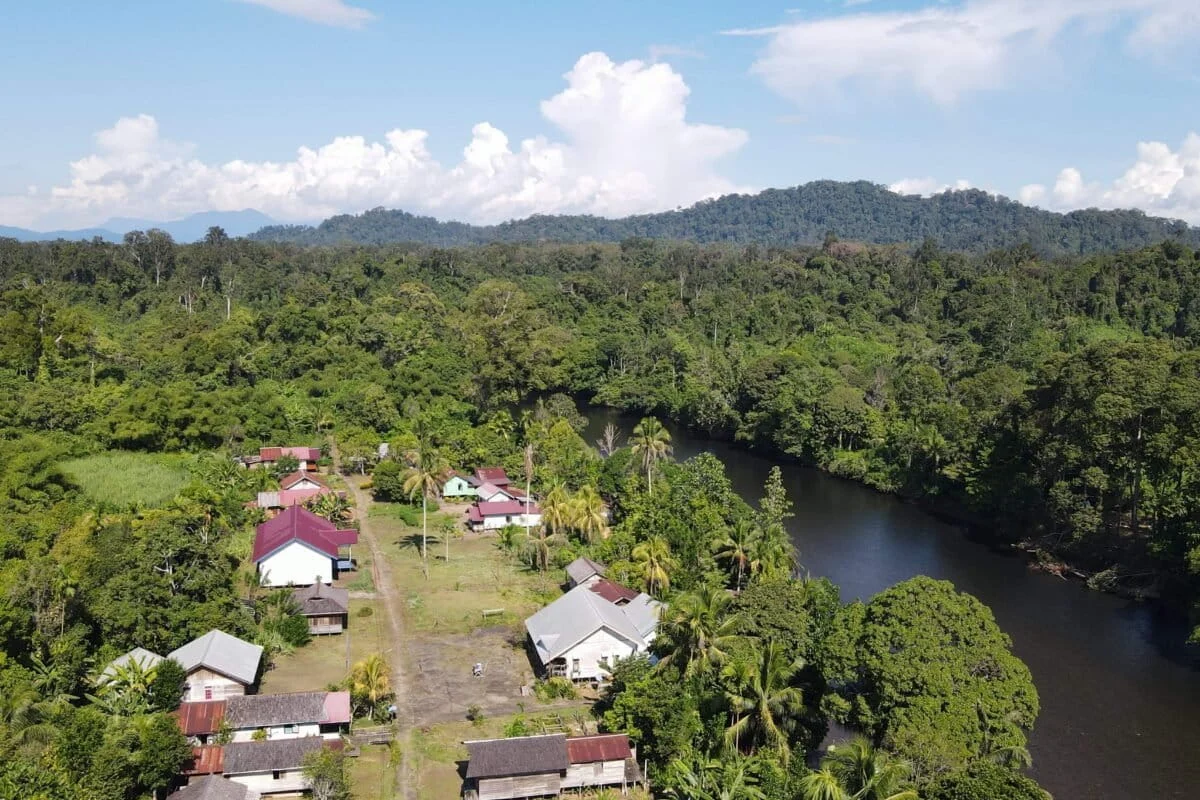
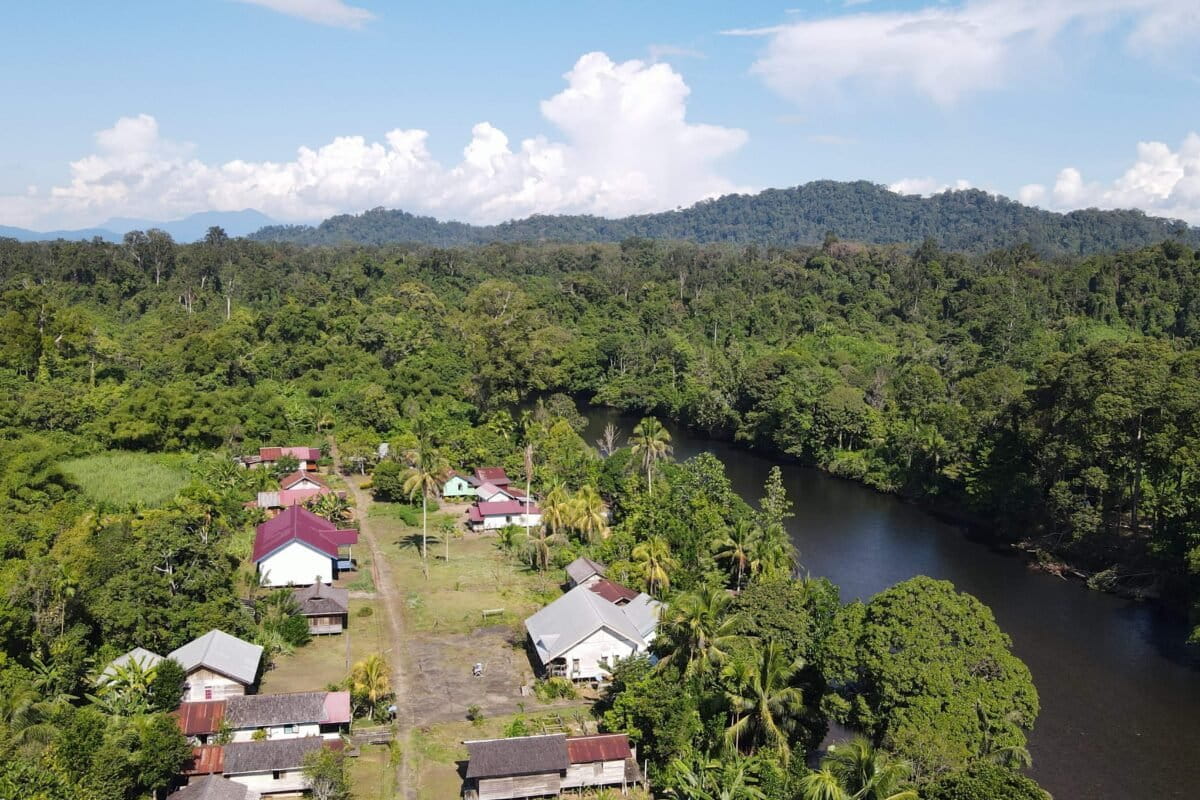
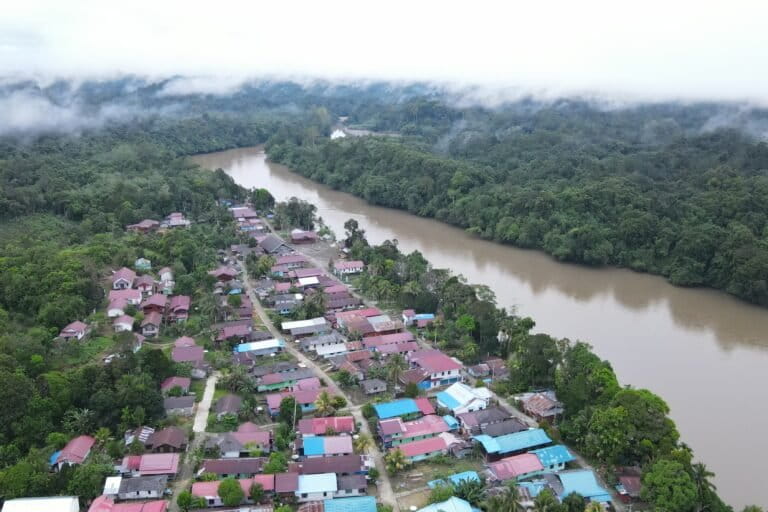
The morning mist clings to the canopy of the primary rainforest surrounding Long Isun, a remote village nestled in the Mahakam Ulu regency of East Kalimantan, Indonesia. For the Dayak Bahau Umaq Suling people, this forest is not merely a collection of carbon stocks or a line item in a global environmental ledger; it is their pharmacy, their grocery store, and the sacred repository of their ancestral heritage. As the world pivots toward market-based solutions to combat climate change, the residents of Long Isun have found themselves at the epicenter of a geopolitical and ethical collision, firmly rejecting the World Bank-funded Forest Carbon Partnership Facility (FCPF) in favor of the autonomy they have exercised for generations.
The Mechanism of Global Carbon Markets
The FCPF-CF, a flagship project spearheaded by the World Bank in partnership with the Indonesian government, is designed to curb greenhouse gas emissions through the REDD+ framework (Reducing Emissions from Deforestation and Forest Degradation). The premise is performance-based: if the Indonesian government succeeds in preventing the release of 22 million tons of CO2 equivalent by 2028, the World Bank will unlock US$100 million (approximately IDR 1.6 trillion) in incentives.
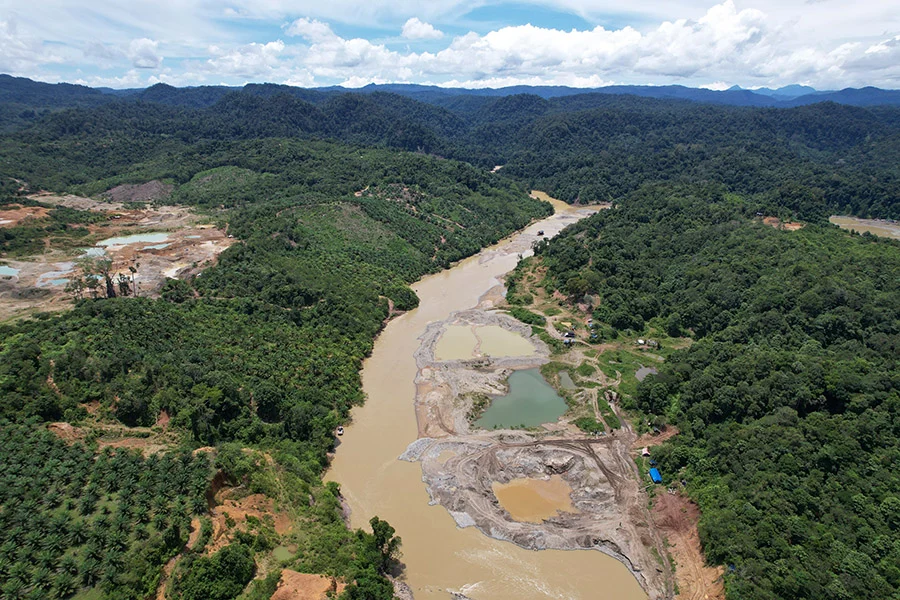
East Kalimantan, which holds 54% of its territory as tropical forest—totaling roughly 6.5 million hectares—was selected as the pilot region for this massive initiative. The funds are intended to flow to 417 villages, 24 sub-districts, and various indigenous groups. However, for the people of Long Isun, the project represents a top-down intervention that threatens the very traditions they have practiced long before the concepts of "carbon credits" or "deforestation metrics" existed.
A Chronology of Resistance and Marginalization
The tension between the community and the carbon project is not an isolated incident; it is the latest chapter in a long-standing struggle for land rights. The timeline of this conflict reveals a history of systemic exclusion:
- 2014: A flashpoint in local history occurred when indigenous leader Teodorus Tekwan Ajat was arrested and held for 109 days. The community views this as criminalization, triggered by their resistance to the operations of PT Kemakmuran Berkah Timber, a logging firm whose concession overlapped with their ancestral territory.
- 2018: Long Isun formally initiated the process to secure legal recognition of their customary land (Hutan Adat).
- August 13, 2024: A pivotal moment of deception occurred when villagers were invited to a meeting they believed was for the verification of their Customary Law Community (MHA) status. Upon arrival, they were confronted with banners and paperwork for the FCPF carbon project.
- November 2025: Exhausting local channels, the community filed a formal complaint with the World Bank’s Inspection Panel, citing a lack of Free, Prior, and Informed Consent (FPIC).
- February 2026: A World Bank investigation team conducted field visits to Long Isun to assess the grievances.
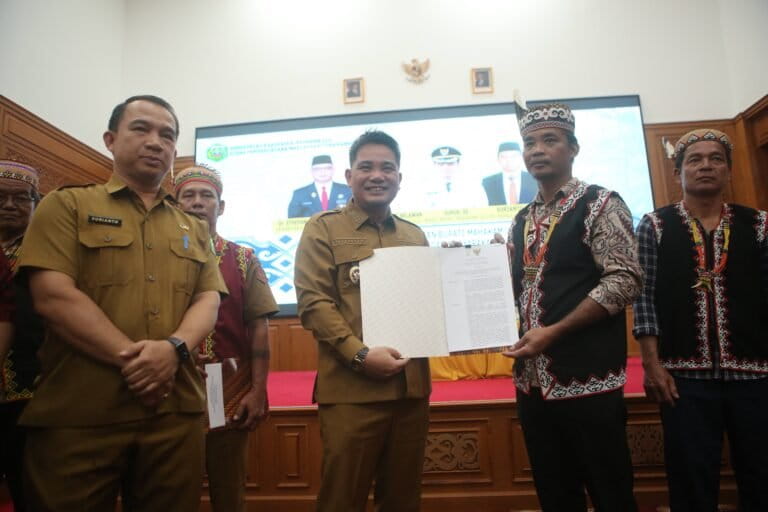
- June 2026: The Mahakam Ulu government granted the village recognition as a Customary Law Community, a significant, albeit incomplete, milestone in their quest for territorial sovereignty.
The Flaw in the FPIC Framework
The core of the dispute lies in the principle of Free, Prior, and Informed Consent (FPIC). Critics and legal advocates, including organizations like Accountability Counsel, argue that the FCPF design fundamentally assumes consent rather than earning it.
"The project design from the outset assumed that all communities were on board," explains Julio Castor Achmadi, a Communities Associate at Accountability Counsel. The incident in August 2024, where residents were pressured to sign attendance sheets that were subsequently framed as consent for the carbon program, is viewed by activists as a clear violation of the World Bank’s own social and environmental safeguard frameworks.
Furthermore, the intimidation tactics reported by village leadership—including anonymous threats regarding the potential withholding of village funds should they refuse to participate in the carbon project—have fostered a climate of distrust toward any government-led development initiative.
Economic Disparities in Benefit Sharing
Beyond the issues of consent, the structure of the Benefit Sharing Plan (BSP) has drawn sharp criticism. Under the current arrangement, the East Kalimantan provincial government is slated to receive 65% of the funds, while project management costs consume 25%. Indigenous communities, who act as the primary stewards of the forest, are allocated only 10% of the total incentives.
Critics argue that this ratio is inherently skewed, placing the greatest financial burden of stewardship on those receiving the smallest share of the reward. There is also significant concern regarding "greenwashing," where funds might inadvertently flow toward entities or projects that do not provide actual environmental value, or worse, toward corporations that have historically participated in forest degradation.
Official Stance and Administrative Hurdles
The provincial government of East Kalimantan maintains that the carbon project is a legitimate effort to mitigate climate change. Iwan Darmawan, Head of the Economic Bureau of the East Kalimantan Secretariat, asserts that the distribution of funds follows strict World Bank protocols. Regarding the refusal of Long Isun to participate, Darmawan stated, "If they refuse, that is fine. The money will simply remain with the Environmental Fund Management Agency (BPDLH)."
However, the administration acknowledges that the process of legal recognition for customary lands is fraught with bureaucratic delays. While the village has achieved some level of recognition, the precise demarcation of their 108,450-hectare territory remains a point of contention. Government officials argue that participation in the carbon program could provide the necessary funding to finalize these legal boundaries—a proposal that the community has soundly rejected as a coercive tactic.
The Cultural and Ecological Cost
For the women of Long Isun, the forest is not a commodity. It is a vital source of materials for daily life—rattan for weaving, traditional roofing, and medicinal plants used to treat ailments before modern medicine is even considered. Ngayang Ding, Chair of the Village Consultative Body (BPK), emphasizes that their conservation efforts are rooted in centuries of ancestral knowledge.
"We have kept this forest green for hundreds of years without being paid by anyone," Ding said. "Let us continue to protect our ancestral forest using our own methods and traditions for the sake of our children and grandchildren."
The community fears that the strict regulations accompanying carbon credits—such as bans on traditional slash-and-burn farming practices—would dismantle their way of life. They argue that their traditional farming is regulated by customary law, which includes strict boundary markers and fire management rituals that prevent the large-scale wildfires often blamed on smallholders.
Implications for Global Climate Finance
The struggle of the Dayak Bahau Umaq Suling is a microcosm of a broader, global challenge: how to reconcile the drive for international carbon mitigation with the rights of indigenous people. The case has forced the World Bank to confront its own operational failures in the field.
If the World Bank and the Indonesian government fail to address the land tenure crisis before imposing market-based solutions, they risk creating a new era of "carbon colonialism." The precedent set by the Long Isun case is likely to influence future environmental funding. Experts suggest that for such projects to succeed, they must prioritize the legal recognition of indigenous land rights over the commodification of standing trees.
As the Inspection Panel of the World Bank continues its review, the people of Long Isun remain steadfast. They have made it clear that their sovereignty is not for sale. For them, the true value of the forest is found in the biodiversity of the ecosystem and the continuity of their culture—assets that cannot be measured in tons of CO2 or redirected by international bank transfers.
The silence of the jungle in Long Isun is not empty; it is filled with the presence of a community that has decided to defend its home, proving that in the race to save the planet, the voices of the most marginalized are often the most essential.