Nila Kartika Wati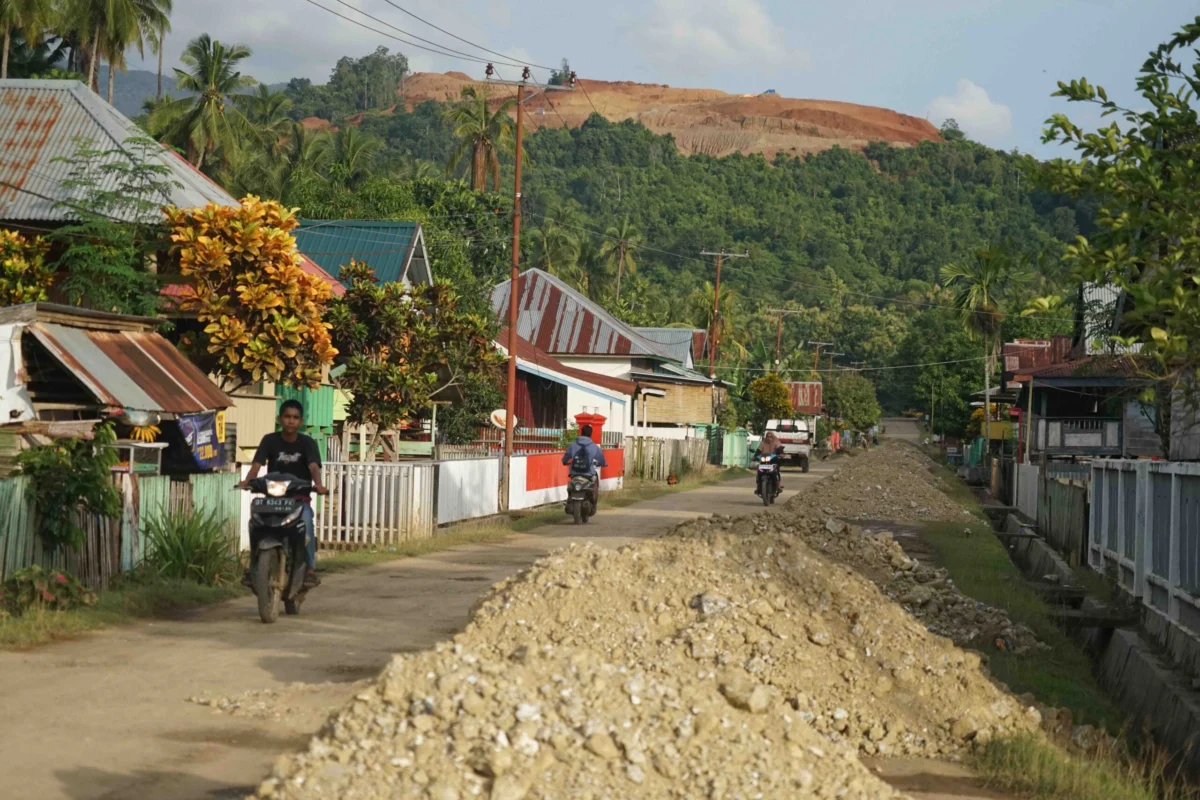
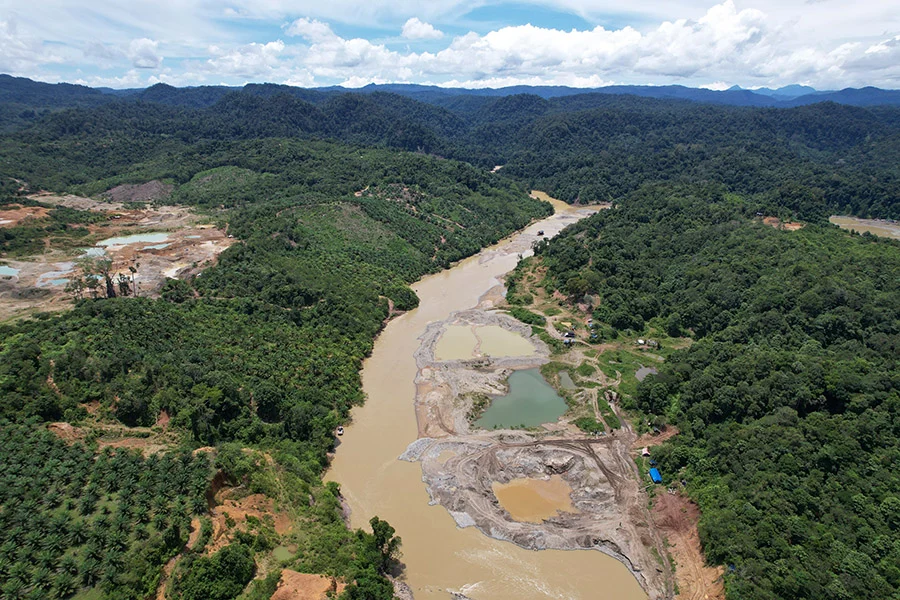
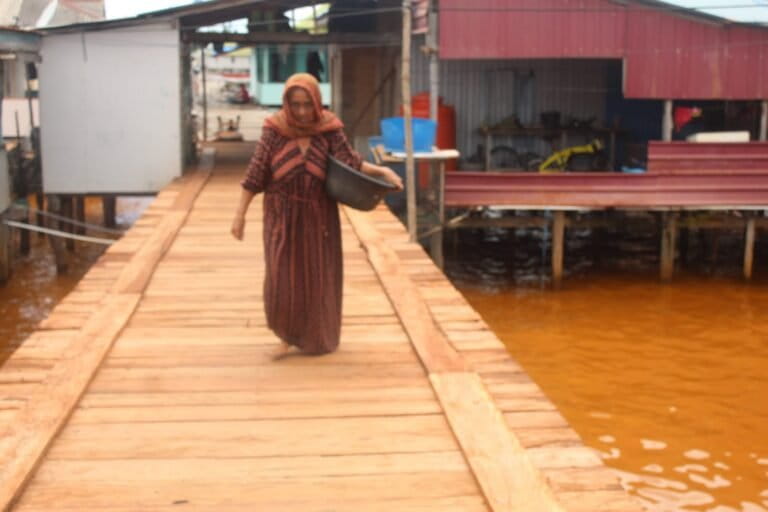
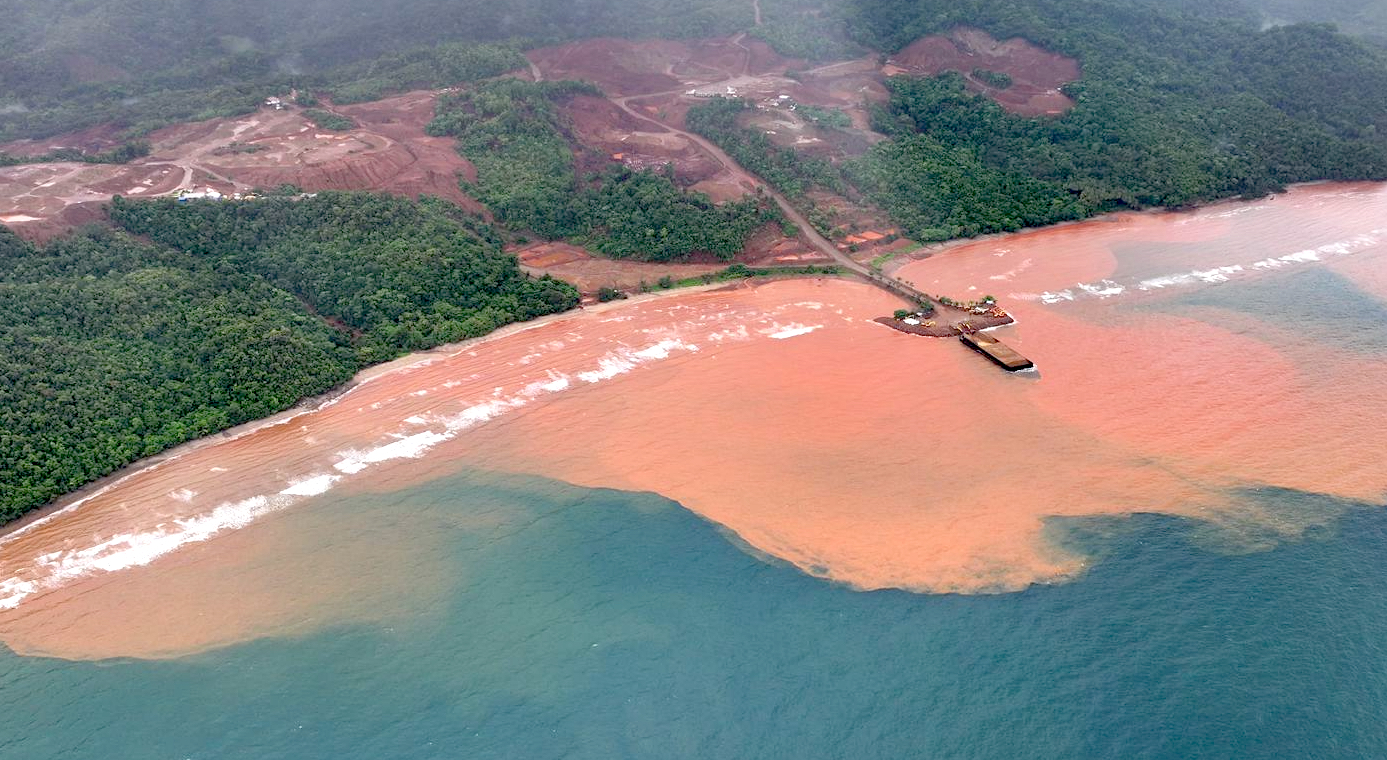
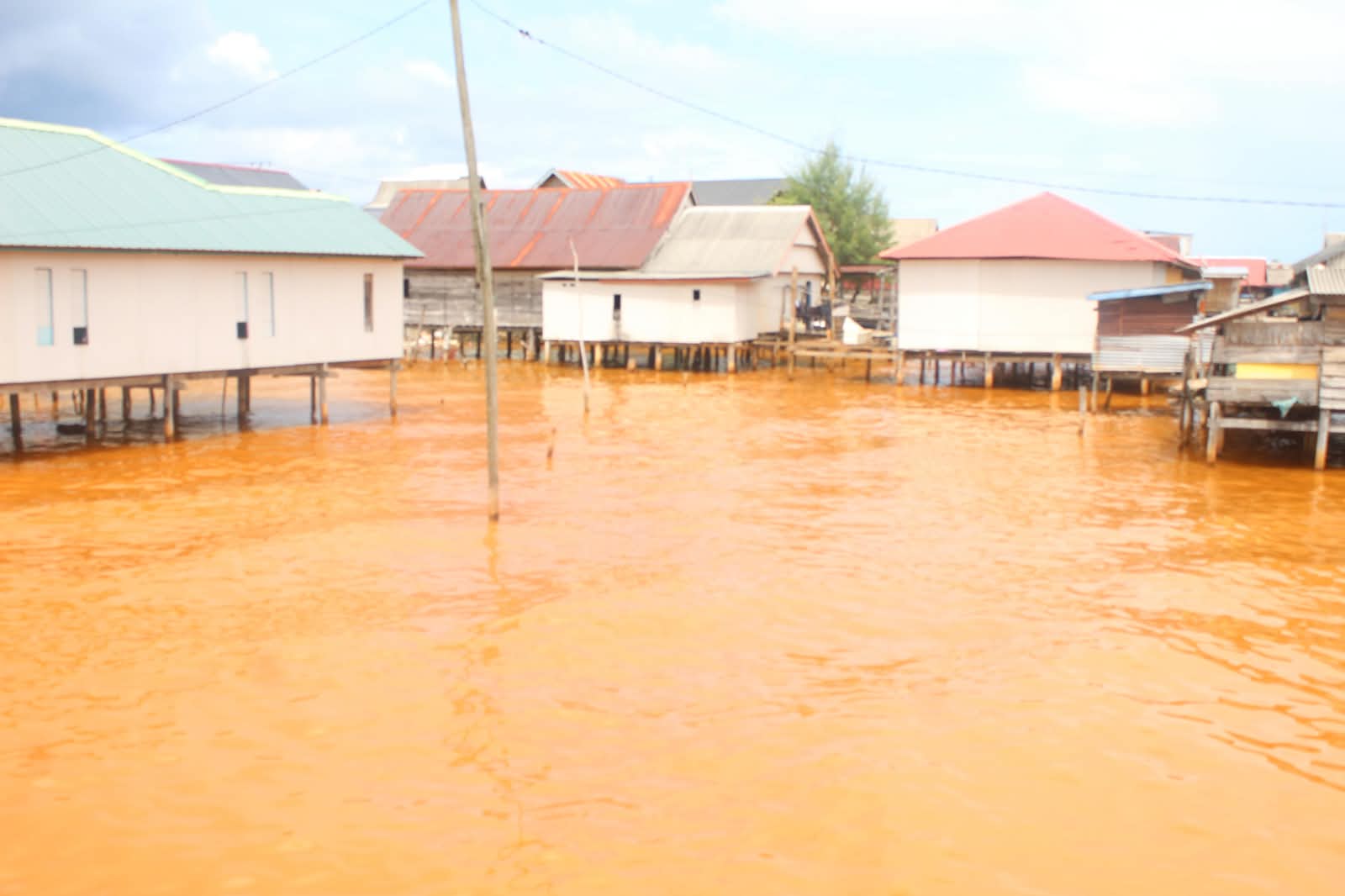
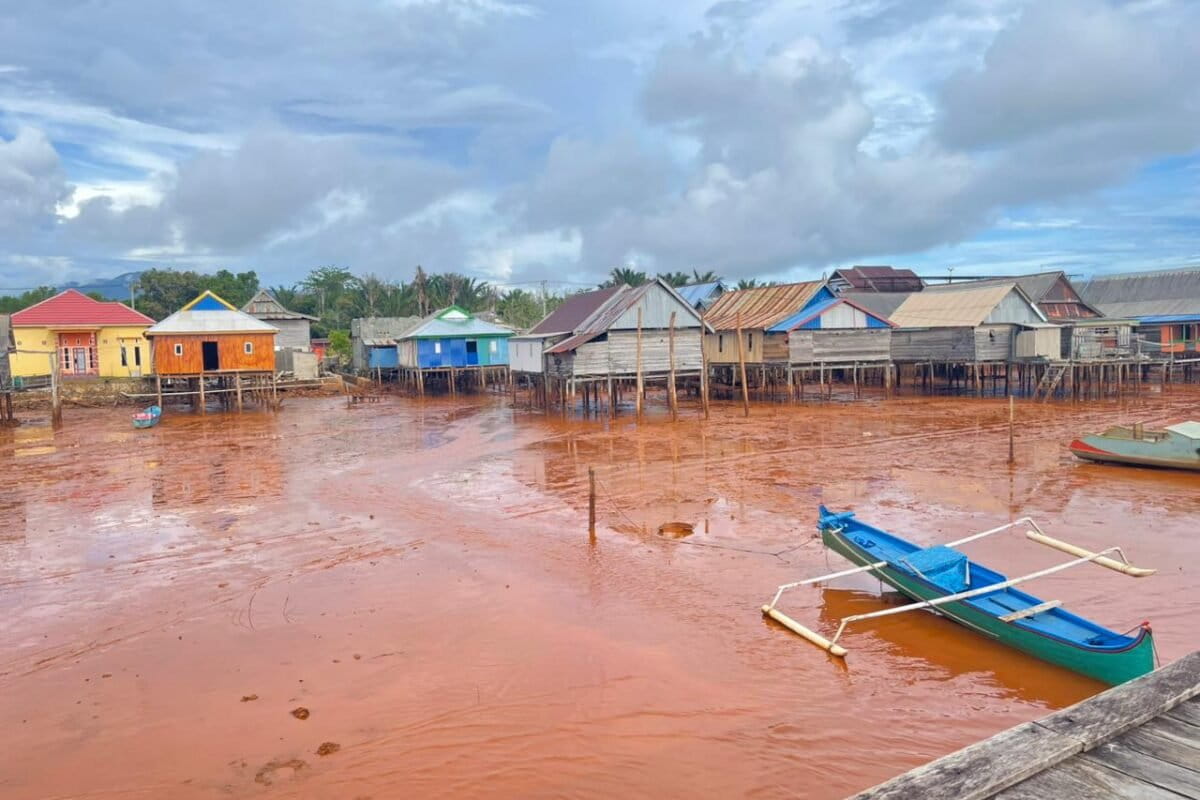
The coastal waters of Baliara village on Kabaena Island, Southeast Sulawesi, have transformed from a pristine source of life into a murky, orange-hued expanse of toxic sediment. For the indigenous Bajo people, whose history is tethered to the sea, this environmental degradation represents more than just a loss of income; it is an existential threat that has pushed families into a cycle of poverty, health crises, and psychological trauma. The culprit, according to residents and environmental researchers, is the intensive nickel mining operation by PT Timah Investasi Mineral (TIM), whose activities have systematically poisoned the local marine ecosystem and dismantled the traditional socio-economic structures of the community.
The Erosion of a Traditional Way of Life
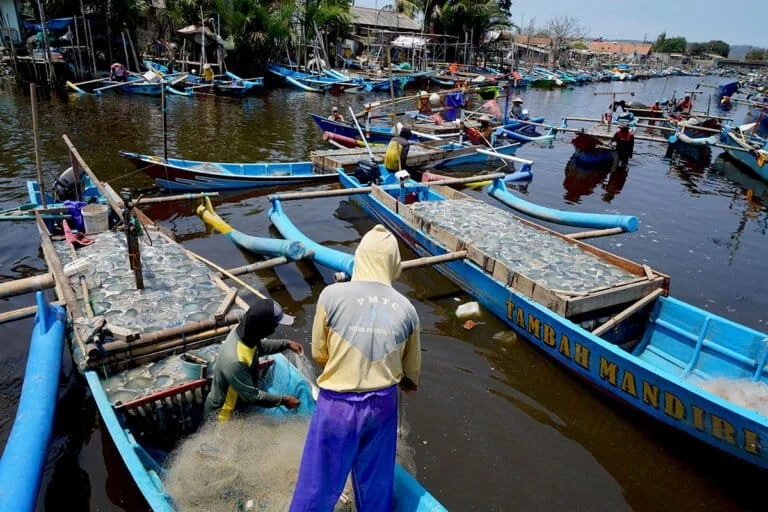
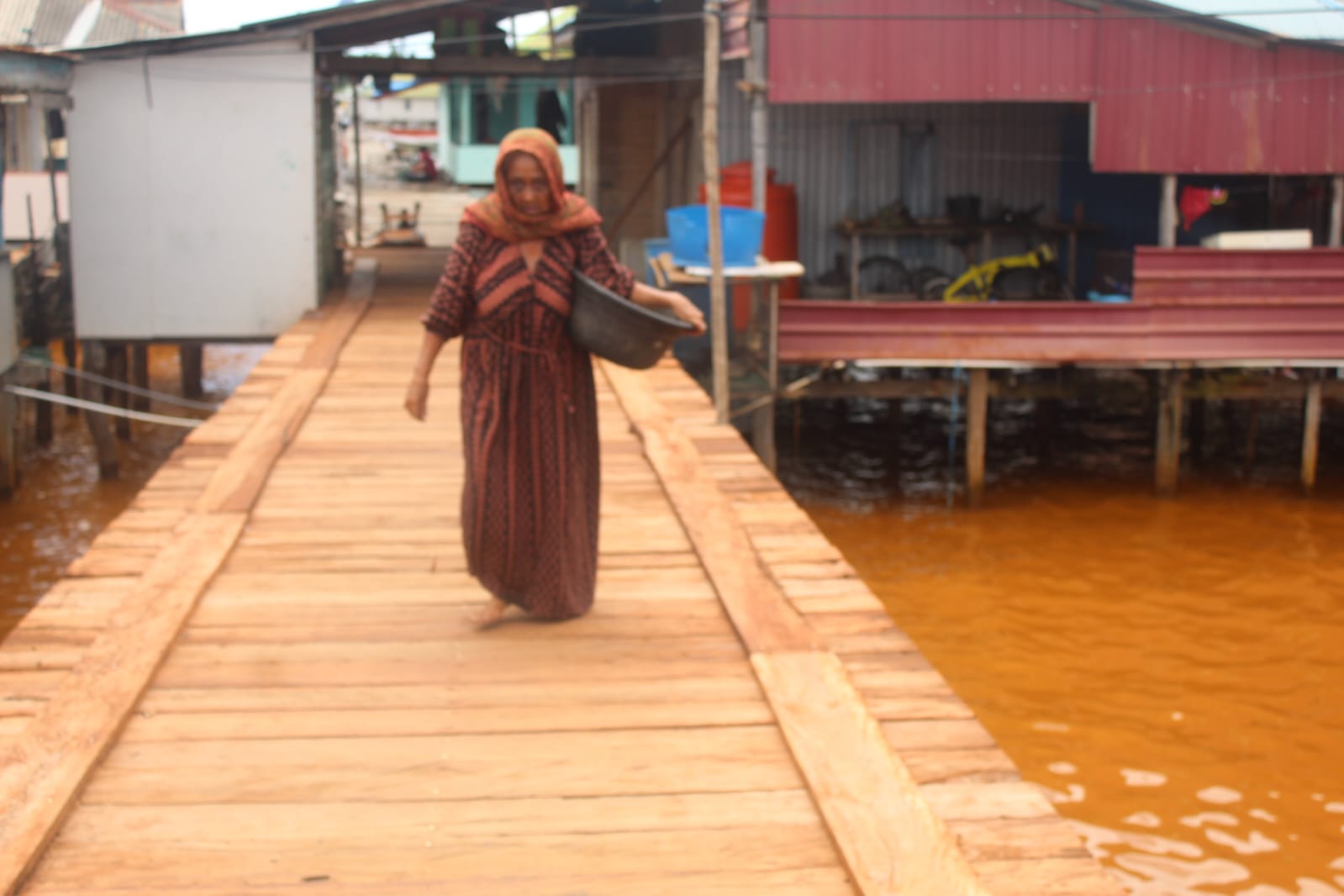
For generations, the Bajo community in Baliara thrived in harmony with the ocean. Fishing was not merely a job; it was a sustainable way of life that provided food security and a modest surplus for trade. Elders recall a time when the water was so clear that one could spot a needle on the seabed. Today, that clarity has been replaced by heavy siltation.
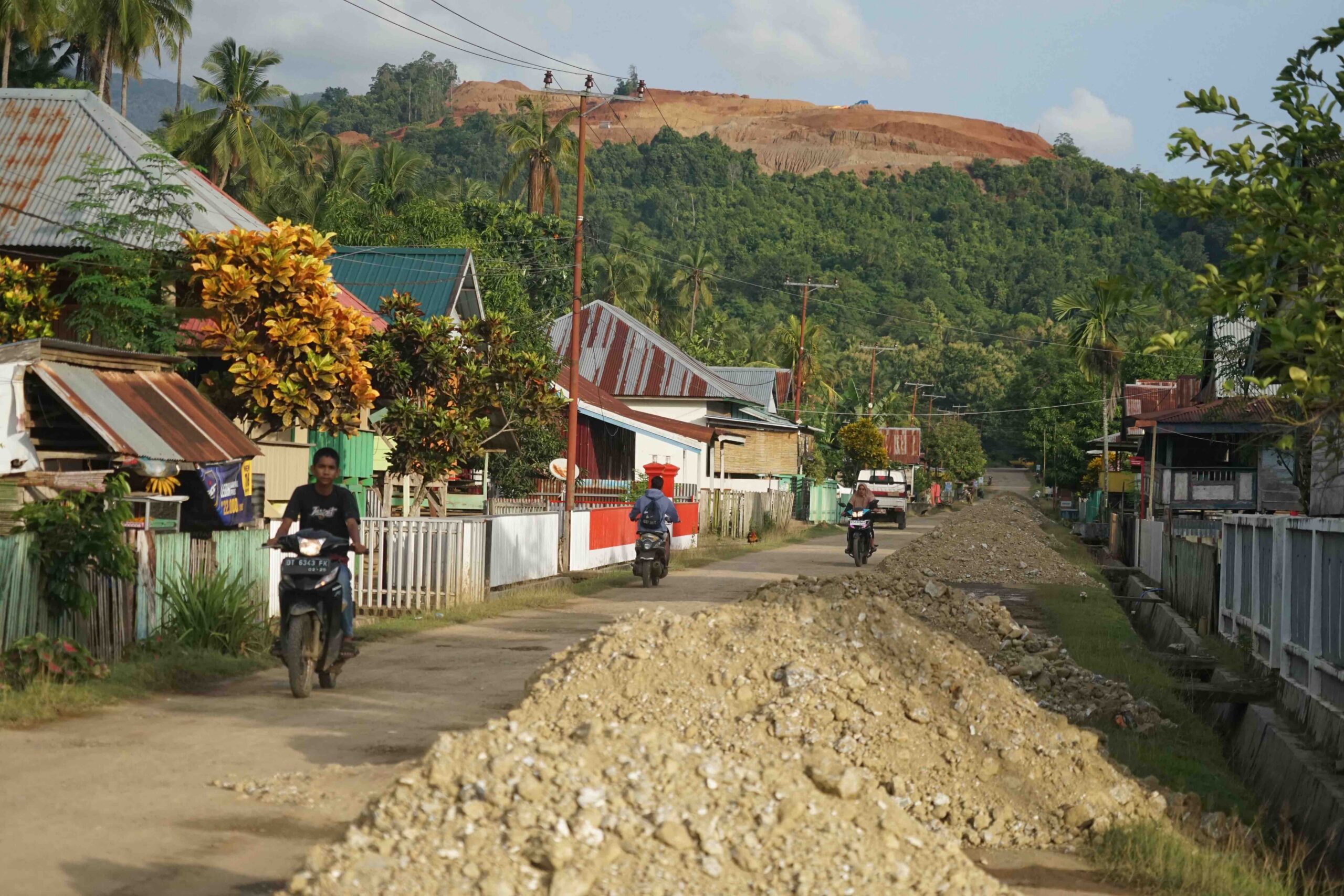
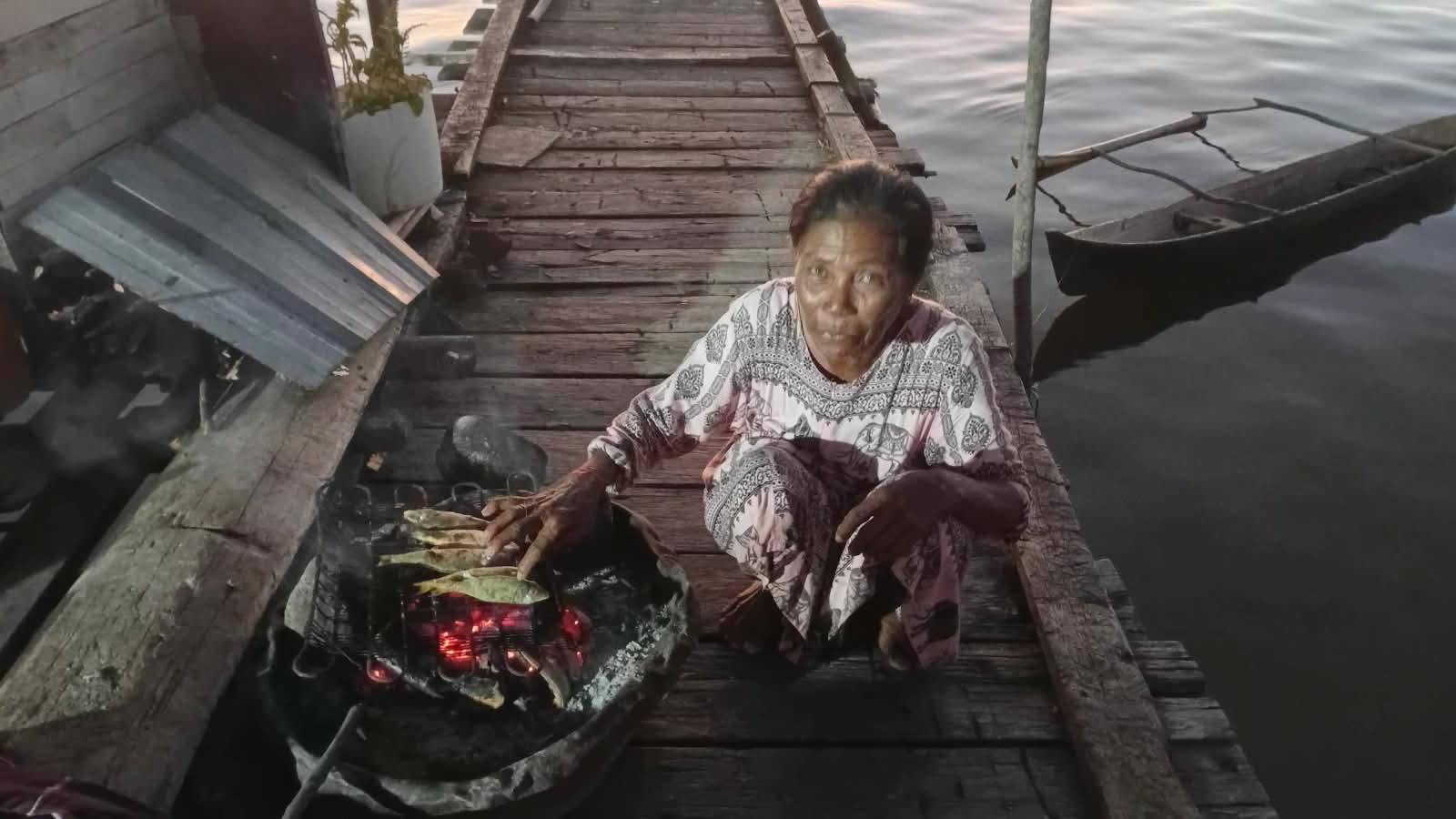
Mpila, a 60-year-old widow and fisherwoman, serves as a poignant symbol of this decline. Once capable of supporting her family through small-scale fishing, she now spends ten hours at sea only to return with a meager catch that barely covers the cost of her fuel. The encroaching mud from the nearby TIM mining concession, located just 1.3 kilometers away on the eastern hills, has decimated the local fish populations. As a result, Mpila and many others are forced to take on high-interest loans from local cooperatives just to survive, creating a debt trap from which there is little hope of escape.
A Chronology of Environmental Degradation
The environmental crisis in Baliara is not a sudden occurrence but the culmination of years of unchecked industrial expansion. Since the commencement of mining operations by PT Timah Investasi Mineral, which holds a 300-hectare concession on the island, the ecological balance of the coastal zone has been severely compromised.
Technical assessments, including research from the Universitas Pembangunan Negeri (UPN) Veteran Yogyakarta and the Institut Teknologi Adhi Tama Surabaya (ITATS), have identified a critical failure in the company’s tailings and water management systems. The infrastructure designed to handle storm runoff and mine drainage has proven inadequate for the region’s rainfall patterns. Consequently, during periods of heavy rain, runoff laden with nickel-rich silt flows directly into the rivers and eventually into the sea, settling in the coastal areas where the Bajo people reside.
By April 2026, spatial data analysis by the environmental organization Satya Bumi indicated that the sediment plume had expanded to cover 14.89 hectares of the coastline, with silt deposits reaching the depth of an adult’s calf. This physical transformation of the seafloor has effectively suffocated local seagrass and coral habitats, leading to the collapse of local biodiversity.
The Silent Crisis: Health and Human Toll
The impact of the mining industry extends deep into the biology of the residents. Satya Bumi’s water and sediment sampling revealed concentrations of heavy metals—including nickel, cadmium, copper, and zinc—that far exceed the safety thresholds established by the World Health Organization (WHO).
The health implications are particularly severe for women, who are the primary users of the coastal water for domestic and sanitation purposes. According to researcher Dhany Alfalah, the constant contact with these heavy metals poses a high risk for chronic conditions, including kidney failure, reproductive health issues, and potential carcinogenic effects. Clinical testing of urine samples from 12 residents, including seven women, showed heavy metal concentrations significantly higher than those found in professional mining workers, a deeply alarming statistic for a residential population.
Beyond physical ailments, the community is grappling with profound psychological wounds. The death of four children in the muddy coastal waters between 2010 and 2025 has left a permanent scar on the village. The most recent tragedy involved a two-year-old girl, whose death plunged her mother, Rahmi—a woman living with disabilities—into a state of deep trauma. Observers note that the lack of mental health support for such victims, combined with the daily stress of economic instability, has created a secondary, invisible crisis that is largely ignored by both the mining company and local government authorities.
The Death of a Sustainable Economy
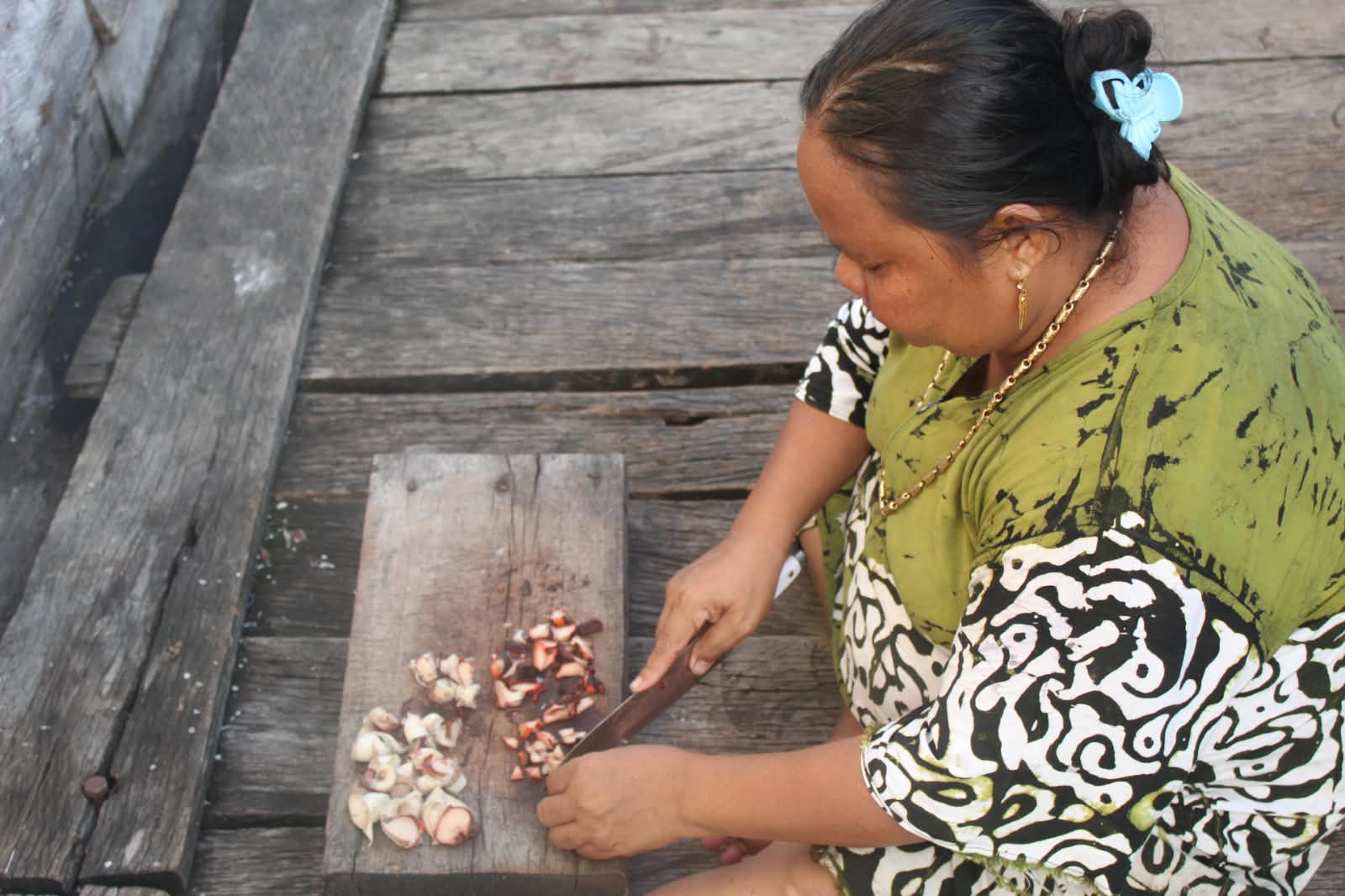
The destruction of the coastal ecosystem has also wiped out the seaweed farming industry, which once served as a vital economic buffer for the Bajo people. Seaweed cultivation required only basic tools and a healthy marine environment, allowing families to earn enough to fund education and even pilgrimages.
Sumarni, a local resident, described the catastrophic loss of these farms. "If there was seaweed, the Bajo people wouldn’t be poor," she lamented. The persistent layer of silt and contaminants has made it impossible to grow seaweed, stripping the community of its primary source of financial independence. This economic collapse has not only increased food insecurity but has also dissolved the social cohesion that was forged during the communal process of planting and harvesting seaweed.
Official Responses and Regulatory Failure
Despite the mounting evidence of environmental harm and human rights abuses, PT Timah Investasi Mineral has remained largely silent. Attempts by investigative outlets to solicit comments from the company in August and September 2026 yielded no response. While the company reportedly promised to clear the sediment in February 2025, their only action was to offer residents a pittance to collect the toxic mud themselves—a move critics describe as exploitative.
The regulatory framework governing Kabaena Island is also under intense scrutiny. Although Kabaena is designated as a small island, and therefore subject to stringent protections under Law No. 27/2007 (amended by Law No. 1/2014) regarding the management of coastal areas and small islands, 73% of the island’s land mass has been permitted for mining.
Prabianto Mukti Wibowo, Vice Chairman of the National Commission on Human Rights (Komnas HAM), has been unequivocal in his assessment. During a visit to the island, he stated that the mining activities have resulted in a clear violation of human rights, specifically the rights to a healthy environment, health, and sustainable livelihood. He emphasized that the state’s failure to enforce regulations and provide oversight has enabled the "reckless" behavior of mining corporations.
Implications and Future Outlook
The situation on Kabaena serves as a stark case study in the broader conflict between the national "nickel downstreaming" agenda and the rights of local indigenous communities. As the government prioritizes the extraction of mineral resources for global markets, the environmental and human costs are being disproportionately borne by vulnerable populations.
The lack of accountability for PT Timah Investasi Mineral, coupled with the systemic failure to provide remediation or healthcare, suggests that the current trajectory is unsustainable. Experts argue that if the government does not move to re-evaluate mining permits and hold corporations accountable for the damage caused, the social and environmental fabric of Kabaena will face total erasure.
For the people of Baliara, the fight is not just for the sea—it is for their survival. As the sediment continues to rise and the economic options continue to dwindle, the call for immediate government intervention, proper environmental restoration, and justice for the affected families becomes more urgent than ever. The international community, increasingly focused on the ethical sourcing of minerals, may soon find that the "green transition" promoted by the nickel industry is built upon a foundation of human and environmental suffering in places like Kabaena.