Nila Kartika Wati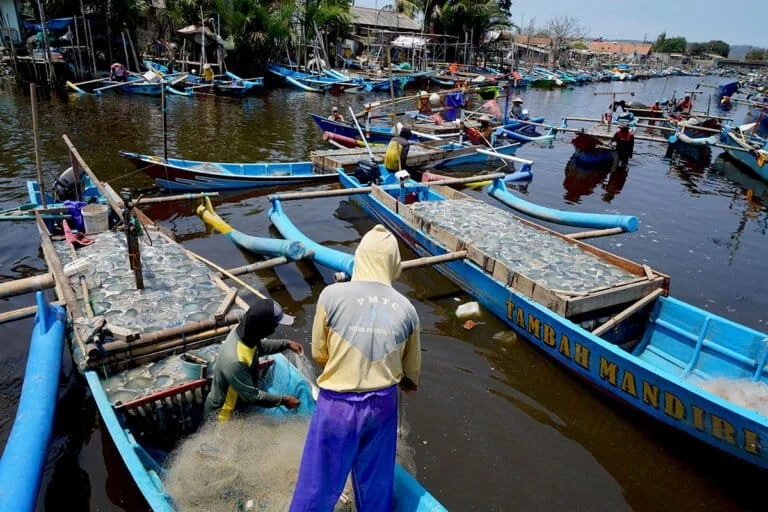
The coastal waters of Cilacap, Central Java, have become the epicenter of a remarkable marine phenomenon as local fishermen navigate an extraordinary season of jellyfish abundance. Since August 2026, the traditional fishing grounds surrounding the Tegalkatilayu Fish Auction Place (TPI) in the sub-district of South Cilacap have been transformed by an influx of jellyfish, providing a vital economic lifeline to hundreds of families during a period typically characterized by unpredictable fish stocks and the challenges of a prolonged El Niño-induced drought.
The Anatomy of an Unexpected Harvest
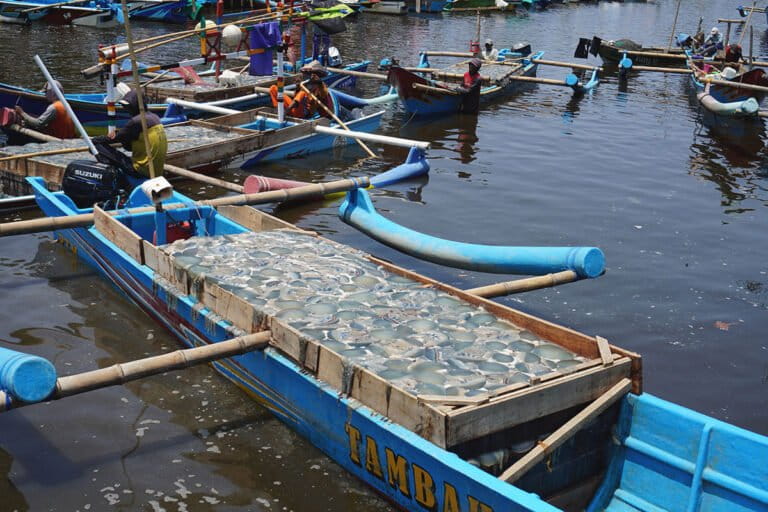
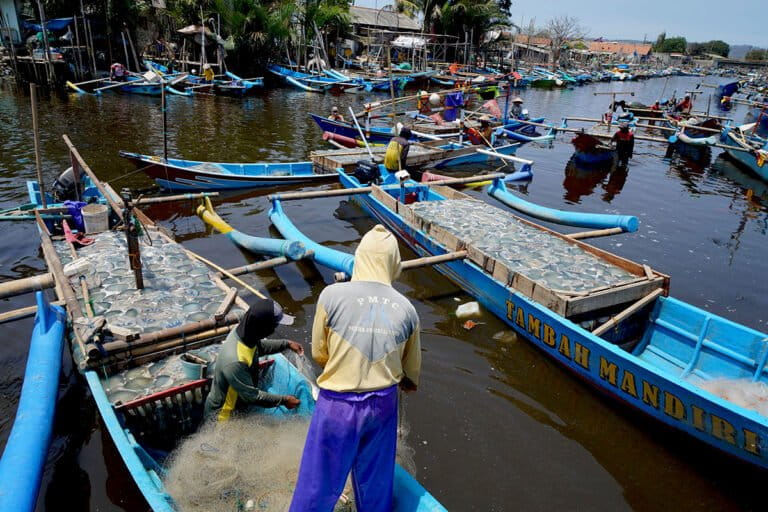
For the residents of Tegalkamulyan, the sight of modified wooden vessels returning to shore is a testament to their adaptation to changing environmental conditions. These small boats, measuring approximately 2 by 9 meters, have been retrofitted with large, box-like containers specifically designed to store the gelatinous catch. This modification is not merely cosmetic; it is a necessary logistical adjustment for a volume of biomass that few in the region have witnessed in recent memory.
Rahmat, a 32-year-old local fisherman, describes the daily rhythm of this season as a race against time and tide. Every morning at 04:00 WIB, fishermen set out just one to two kilometers from the shoreline. Within a three-hour window, a single boat can haul as much as two tons of jellyfish. This high-yield, short-distance operation has allowed the community to maintain productivity despite the broader environmental shifts that have rendered traditional deep-sea fishing less reliable.
Chronology and Environmental Context
The current surge in jellyfish populations is deeply intertwined with the meteorological conditions of 2026. Experts and local authorities note that the phenomenon is primarily driven by the extended dry season, exacerbated by the El Niño Southern Oscillation (ENSO). Unlike migratory fish species that require specific thermal layers and nutrient-rich currents to thrive, jellyfish often proliferate in warmer, calmer waters with lower salinity levels—conditions that have persisted along the Cilacap coast since the beginning of August.
Data provided by the Cilacap Fisheries Office indicates that this is not a routine occurrence. Over the past five years, there have been at least two years where the jellyfish population remained negligible. The 2026 season, however, is being described by officials as potentially record-breaking, both in terms of total volume harvested and the duration of the biological bloom. As of mid-October, the harvest continues, though the sustainability of this trend remains tethered to the arrival of the monsoon rains.
Economic Impact on the Local Value Chain
The economic impact of this season is significant, rippling through the local fishing community and the peripheral processing industry. At the point of first sale, fishermen receive approximately Rp800 per kilogram. For a single boat crew returning with two tons, this translates to a gross revenue of roughly Rp1.6 million per trip. While this figure must be reconciled against the costs of fuel, gear maintenance, and labor, it represents a substantial increase in daily income compared to the lean periods often experienced during the height of the dry season.
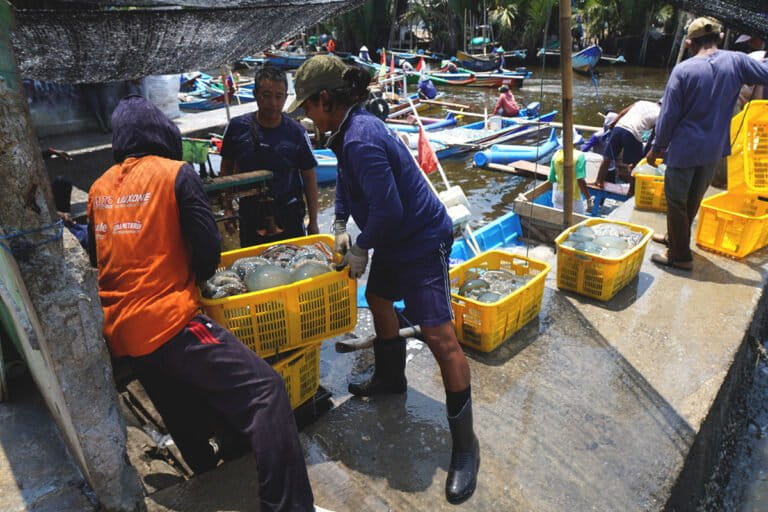
The infrastructure at the Pelabuhan Perikanan Samudera (Oceanic Fishing Port) of Cilacap has expanded to accommodate this influx. Currently, ten specialized collection points—or "lapaks"—are operating, each servicing approximately 50 boats. These facilities are processing between 50 and 80 tons of jellyfish daily. Supri, a local collector, emphasizes that the efficiency of this supply chain is critical. The jellyfish must be handled quickly, as they are highly perishable and require immediate processing to maintain their value for the export market.
Official Perspectives and Safety Protocols
The Himpunan Nelayan Seluruh Indonesia (HNSI) of Cilacap has been actively monitoring the situation to ensure that the pursuit of this "sea gold" does not compromise the safety of the workers. Parjo, the Vice Chairman of the local HNSI chapter, notes that while the increased volume is a welcome development, the nature of the catch requires careful handling.
"While we are encouraged by the surge in productivity, we must remind our fishermen that the sea remains an unpredictable environment," Parjo stated. He urged the fleet to remain vigilant regarding weather shifts and to prioritize safety, especially given the increased load-bearing requirements of their vessels. Even with fishing occurring close to the shoreline, the risk of capsizing or mechanical failure remains a concern when vessels are heavily laden with thousands of kilograms of cargo.
Indarto, the Head of the Cilacap Fisheries Office, echoed these sentiments, framing the situation as a rare opportunity that requires cautious management. "This is a seasonal, stochastic event," Indarto explained. "We cannot rely on it as a permanent feature of our local economy. However, we are taking steps to ensure that the logistical chain is supported so that the benefits to the fishermen are maximized while the season lasts."
Global Markets and Future Implications
The ultimate destination for the bulk of the Cilacap harvest is the international market, specifically China. The jellyfish are processed into salted jellyfish, a product that undergoes a rigorous preservation process involving salt to ensure it can withstand long-distance transport. This process is essential for the global culinary demand, where jellyfish is a staple in various traditional dishes.
While the current price of Rp800 per kilogram is the baseline for the fishermen, the value of the processed product in the international market is significantly higher. This gap highlights a potential area for local economic development: the potential for domestic value-added processing. By developing local facilities that can process, package, and export the product directly, the Cilacap community could theoretically retain a larger portion of the final market value.
However, the volatility of this resource remains the primary challenge. Because the jellyfish bloom is entirely dependent on climatic conditions, it cannot be managed or farmed in the traditional sense. A single significant rain event could alter the salinity and temperature of the coastal waters, effectively ending the season overnight.
Broader Implications of Climate-Driven Fishery Shifts
The situation in Cilacap serves as a microcosm for the broader challenges facing coastal communities in the era of climate change. The unpredictability of traditional fish stocks, often pushed to the brink by overfishing and warming ocean temperatures, is being met by the rise of "opportunistic" species. While the current jellyfish boom is a boon for the fishermen, it also serves as a warning of the underlying ecological instability in the region.
The scientific community is closely observing the 2026 season to determine if this pattern is a precursor to a long-term shift in the local marine ecosystem. If the frequency of these blooms increases, the regional government may need to formalize a policy framework that includes safety regulations, market price stabilization, and sustainable management practices that protect the marine environment while supporting the livelihoods of those who depend on it.
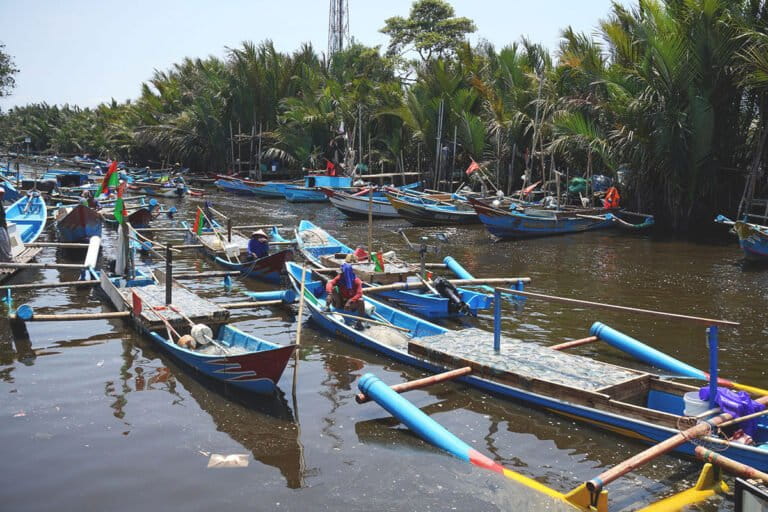
For the fishermen of Tegalkatilayu, the focus remains on the present. As they continue to navigate their boats into the dark waters before dawn, they are engaging in an age-old practice of adapting to the rhythms of the sea. Whether this season lasts another month or concludes with the next rainfall, the 2026 jellyfish harvest has provided a necessary cushion for a community working to navigate the complexities of a changing world. The resilience of these fishermen, manifested in their ability to pivot from traditional fishing to the collection of unconventional marine resources, remains the backbone of the coastal economy in Cilacap.