Chalifah Fatihah
The global fashion calendar in Paris extends far beyond the high-profile runways of Paris Fashion Week, capturing a vital B2B ecosystem where trade professionals, international buyers, concept store curators, and master artisans converge. Among the most anticipated trade events in the French capital is Premiere Classe, held annually at the historic Jardin des Tuileries. While Paris Fashion Week commands mainstream consumer attention, Premiere Classe operates as the ultimate business-to-business nexus, transforming avant-garde concepts and heritage textiles into commercially viable global enterprises. At this year’s edition, the Indonesian fashion industry secured a prominent footprint on the international stage, driven by the collaborative efforts of the Pintu Incubator program.
The Pintu Incubator Initiative: Bridging Cultures and Commerce
Pintu Incubator, a bilateral fashion business incubation and acceleration initiative jointly established between Indonesia and France, serves as a strategic bridge for emerging creative talents. The program is specifically engineered to elevate Southeast Asian design standards to meet the rigorous demands of the European market. Through its intensive Pintu Residency track, Indonesian creators are paired with French counterparts to foster cross-cultural design dialogues, merging traditional heritage techniques with contemporary European silhouettes.
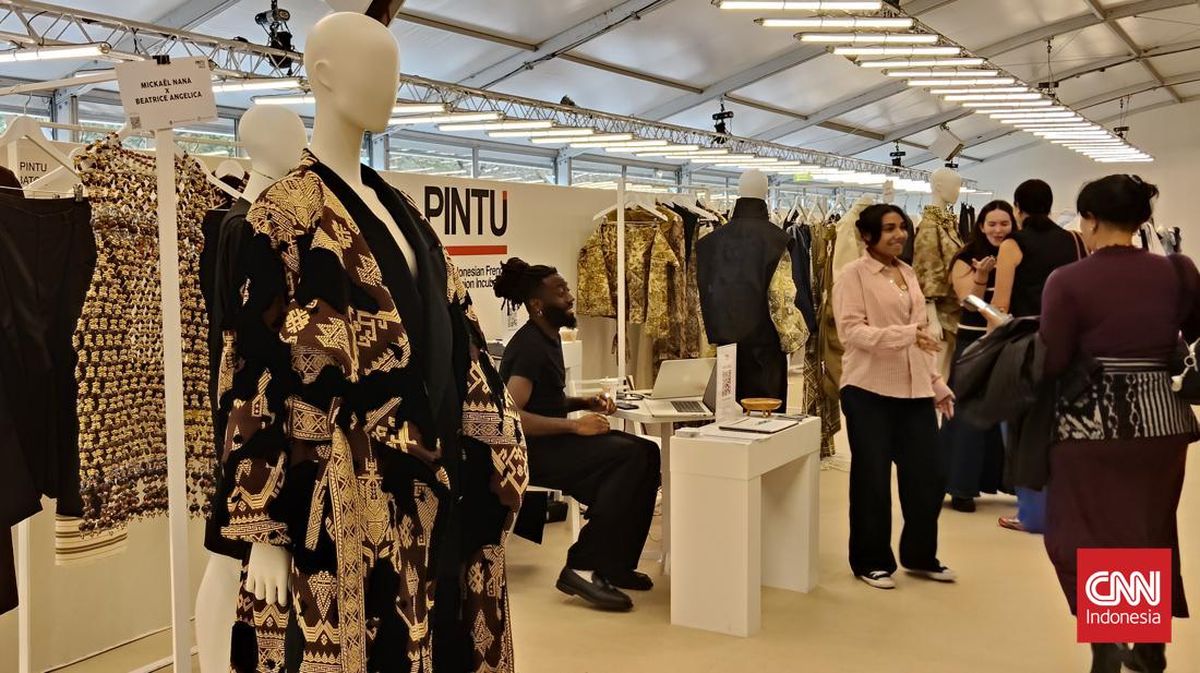
For the latest showcase at Premiere Classe, Pintu Incubator proudly presented two distinct collaborative collections: "Garuda," crafted by Indonesian designer Beatrice Angelica in partnership with French designer Mickael Nana, and "Au Large," a collaborative effort between Indonesian designer Gabriel Marcella and French designer Lisa Rayar. Both collections initially debuted on the domestic runway at the JF3 Fashion Festival in July, before undergoing rigorous refinements to prepare for international commercial exposure.
Redefining Traditional Textiles for the Contemporary Market
The "Garuda" collection draws heavily on the rich heritage of Indonesian wastra (traditional textiles), focusing specifically on intricate weaving techniques from Lombok, West Nusa Tenggara. By fusing authentic Indonesian hand-woven textiles with sleek, structured European silhouettes, the collection offers a modern interpretation of cultural garments.
However, introducing hand-woven Lombok textiles to an international audience presented unique educational challenges. European buyers and industry observers initially mistook the elaborate textures for surface-level machine embroidery. According to Beatrice Angelica, explaining the intricate mechanics behind the fabric completely shifted audience perceptions. Once international attendees realized that every single yard was painstakingly hand-woven—a labor-intensive process requiring weeks of dedicated craftsmanship—their appreciation for the artistic value and historical depth of the garments deepened significantly.
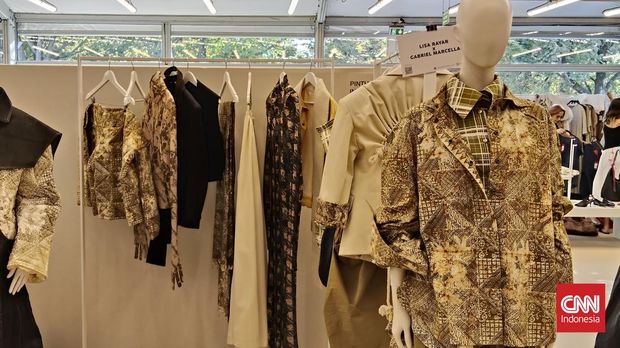
Parallel to this, the "Au Large" collection utilized Mojokerto batik to forge a visual narrative bridging the maritime heritage of France with the coastal communities of northern Java. While batik enjoys widespread global recognition, having been formally inscribed as an Intangible Cultural Heritage by UNESCO, Gabriel Marcella noted that international buyers were particularly captivated by the contemporary application of the textile rather than traditional motifs. By subverting expected patterns and styling the garments with oversized utilitarian bags and modern cuts, the designers successfully captured the attention of sophisticated concept store buyers looking for innovative ready-to-wear pieces.
Inside Premiere Classe: The B2B Powerhouse
Unlike consumer-facing fashion weeks, Premiere Classe remains strictly curated for industry insiders. Founded in 1989 initially as a showcase for high-end accessories, the trade show has steadily evolved over its 37-year history to encompass a broader spectrum of the global creative industries. According to Sylvie Pourrat, Director of Premiere Classe, the expansion reflects the shifting demands of the contemporary luxury market. Pourrat emphasized that modern buyers and fashion enthusiasts attending the event seek cohesive, immersive lifestyle experiences that blend ready-to-wear apparel with artistic accessories.
Thresia Mareta, Co-initiator of Pintu Incubator, highlighted the distinct strategic advantages that trade platforms like Premiere Classe offer compared to domestic exhibition models. In Indonesia, typical fashion exhibitions primarily connect designers directly with end consumers. Conversely, Premiere Classe operates as a high-traffic, rigorously curated multi-brand environment where every single visitor is a vetted industry professional, ranging from department store merchandise managers to independent boutique owners and international stylists.
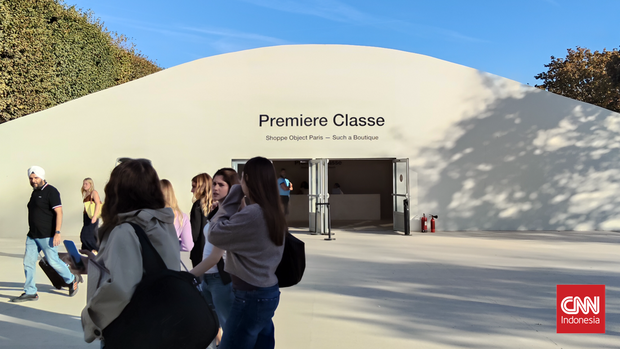
Participating in such a trade show provides emerging brands with guaranteed foot traffic and pre-screened commercial leads—an invaluable asset for foreign designers who lack a permanent physical showroom or established infrastructure in Europe. Mareta noted that the rigorous pre-marketing efforts undertaken by the event organizers ensure that incoming buyers arrive thoroughly informed about the participating brands, significantly increasing the conversion rate for commercial orders and international stockists.
Strategic Implications and Lessons in Ready-to-Wear Production
For the participating designers, the journey from local incubation to the historic tents of the Jardin des Tuileries offered profound professional insights into the realities of the global ready-to-wear (RTW) market. Gabriel Marcella reflected on the immense preparation required to scale up production for international standards, noting that designing a commercial RTW collection demands meticulous attention to detail, fabric durability, and consistent sizing—elements that are easily underestimated during local atelier productions.
Similarly, Beatrice Angelica expressed that the immersive residency experience in France fostered a renewed reverence for traditional Indonesian craftsmanship. Working hands-on with raw materials, natural dyes, and indigenous weaving communities highlighted the profound artistry embedded within wastra Nusantara. Witnessing the historical longevity and deeply rooted foundations of major European fashion houses during museum visits and workshop tours also underscored the importance of cultural preservation paired with commercial discipline.
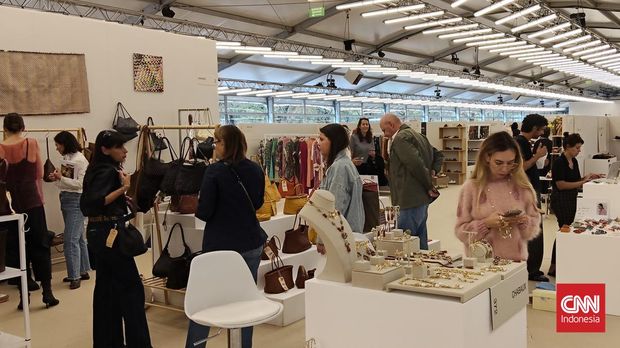
Mickael Nana echoed these sentiments, describing the trade show as an essential core moment for the contemporary fashion ecosystem. For Nana, the value of Premiere Classe lies not merely in securing retail orders, but in the organic exchange of aesthetic visions, capsule collection concepts, and long-term professional networks across international borders.
Broader Economic Impact on the Indonesian Creative Economy
The successful participation of Pintu Incubator designers at Premiere Classe signals a broader strategic pivot for the Indonesian fashion sector. By moving away from purely localized domestic consumption and targeting international B2B platforms, Indonesian creative enterprises are positioning themselves as competitive players in the global sustainable luxury market.
As global consumers and high-end retailers increasingly demand ethical production methods, transparency, and authentic cultural narratives, traditional Indonesian textiles—backed by modern design interventions—are uniquely positioned to capture international market share. The ongoing success of initiatives like Pintu Incubator demonstrates that cross-cultural collaboration, combined with rigorous business acceleration, is a viable pathway for emerging designers seeking to transition from local artisans to globally recognized fashion houses.