Tyo Susilo
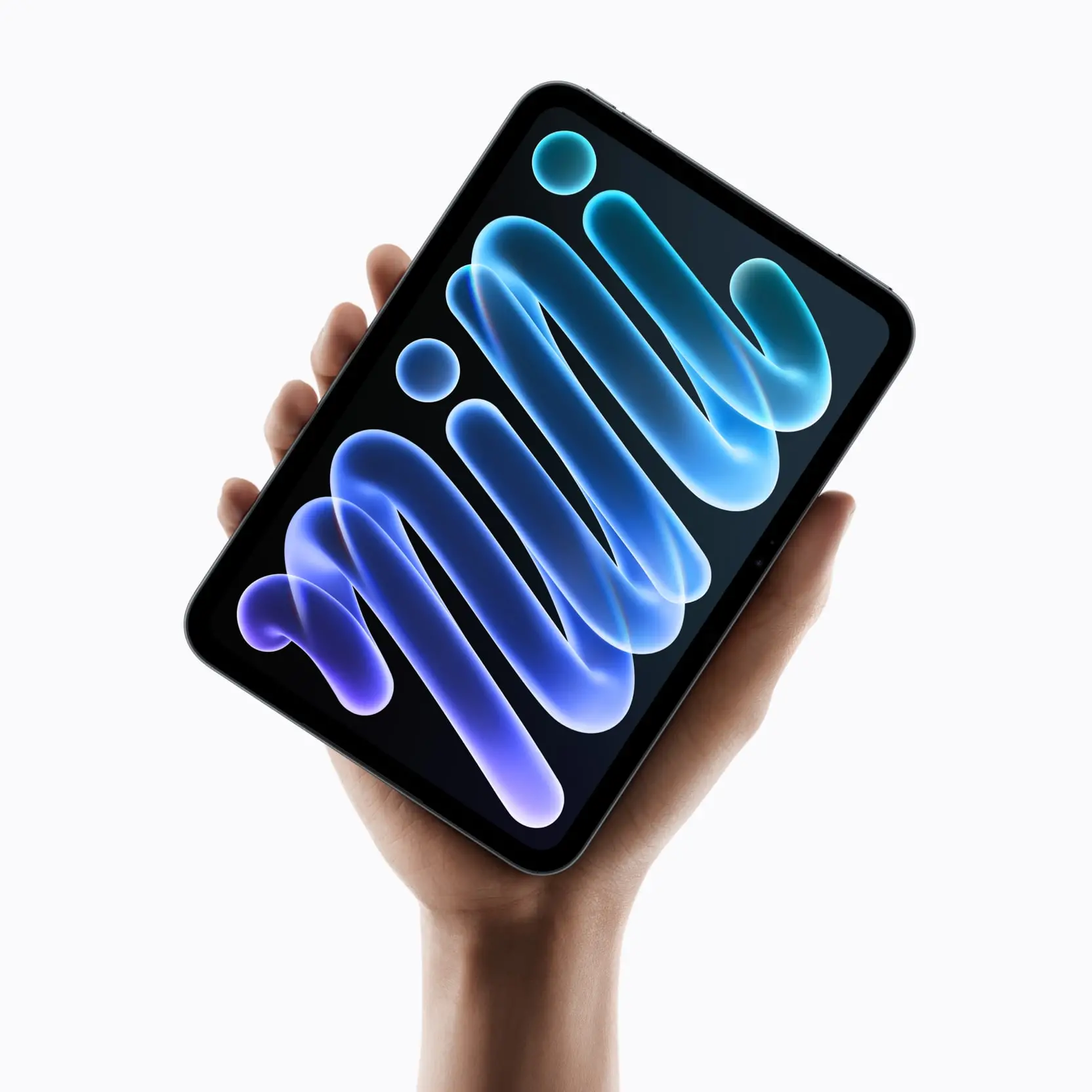
Apple Inc. has officially announced the launch of the completely redesigned iPad mini, marking what industry analysts are calling the most significant generational leap in the device’s history. Unveiled on October 26, 2026, the compact tablet brings a suite of advanced hardware upgrades typically reserved for Apple’s flagship Pro-tier devices. Key features of the new hardware include a vibrant Super Retina XDR OLED display, the cutting-edge A20 Pro system-on-chip built on an ultra-efficient 2-nanometer architecture, enhanced artificial intelligence processing capabilities, and a remarkably slim chassis that introduces formal water and dust resistance for the first time in the line’s history.

The introduction of this latest model underscores Apple’s ongoing commitment to pushing the boundaries of miniaturization without compromising performance. As mobile computing requirements shift heavily toward localized artificial intelligence workloads and high-fidelity media consumption, the newest iPad mini positions itself as a powerhouse in an ultra-portable form factor. With a redesigned internal layout and upgraded connectivity standards, the device aims to capture both mobile professionals and creative enthusiasts who demand desktop-grade power in a pocket-friendly enclosure.
A Masterclass in Industrial Design and Display Technology
The most immediate visual upgrade to the iPad mini is its expansive 8.5-inch Super Retina XDR OLED panel. By shrinking the surrounding bezels by approximately 24 percent compared to its predecessor, Apple engineers managed to increase the usable screen estate while maintaining the signature compact footprint that consumers expect from the mini series. This design achievement ensures the tablet remains exceptionally comfortable for single-handed use, reading, and digital note-taking.

The newly integrated OLED panel brings monumental improvements to image quality, offering a peak brightness of 1,200 nits and an astonishing 2,000,000:1 contrast ratio. Deep blacks, vivid color accuracy, and HDR performance are significantly elevated, making the screen ideal for viewing high-dynamic-range content and performing color-critical creative work. Furthermore, Apple is offering an optional nano-texture glass variant—previously introduced on high-end pro displays—which scatters ambient light to drastically minimize glare and reflections when working in brightly lit environments or outdoors.
Despite the inclusion of advanced display hardware and a larger battery, the device measures a mere 5.4 mm in thickness and boasts a reduced overall weight. In a major durability breakthrough, Apple has incorporated an IP67 rating into the aluminum chassis. This certification ensures the tablet is fully protected against dust ingress and can withstand accidental immersion in fresh water up to a depth of one meter for up to thirty minutes, providing peace of mind for users who frequently travel or work on location.

Groundbreaking Performance Powered by the A20 Pro 2nm SoC
Beneath the sleek exterior lies the industry-leading A20 Pro chip, constructed using an advanced 2-nanometer fabrication process. This technological milestone allows Apple to cram an unprecedented number of transistors into silicon, resulting in massive efficiency gains and performance leaps. According to official performance metrics released by Apple, the multi-threaded CPU capability has surged by up to 60 percent, while graphic processing performance is now up to 2.7 times faster than the previous generation, empowering the tablet to handle resource-heavy 3D rendering and professional illustration software with ease.
Artificial intelligence forms a core pillar of the A20 Pro architecture. The chipset integrates dedicated Neural Accelerators into every single GPU core, driving a 4.5x increase in AI processing speeds compared to earlier iterations. For users opting for the maximum 512GB storage configuration, Apple has included a robust Dual 16-core Neural Engine. This specialized hardware is tailored to handle heavy on-device machine learning tasks, generative AI applications, and complex computational photography without leaning heavily on cloud infrastructure.

Immersive Audio and Enhanced Camera Systems
Audio fidelity on the new iPad mini has been completely re-engineered through the adoption of an Acoustic Display system. Moving away from traditional speaker grilles alone, this innovative architecture utilizes a concealed woofer integrated directly behind the display panel, paired with specialized high-frequency tweeters positioned precisely between the front glass and the aluminum frame. The result is a much richer sound profile characterized by deeper bass response and crystal-clear vocal clarity during media playback, gaming, and conference calls.
The camera array has also received thoughtful hardware adjustments. The 12-megapixel ultra-wide front-facing camera is now situated neatly along the landscape edge of the tablet. This repositioning provides a natural field of view during video conferencing and fully supports Apple’s Center Stage feature, keeping users centered in the frame even as they move around. On the rear, a 12-megapixel camera equipped with Smart HDR 4 enables detailed 4K video recording at up to 60 frames per second. An upgraded Adaptive True Tone Flash has been added to assist with low-light photography and to improve document scanning accuracy under challenging lighting conditions.

Next-Generation Connectivity and Ecosystem Integration
Connectivity options on the refreshed iPad mini set a new benchmark for portable tablets. The device is powered by Apple’s proprietary N1 wireless chip, delivering native support for Wi-Fi 7, Bluetooth 6, and Thread networking protocols. Meanwhile, cellular configurations utilize an advanced C2 modem, which boosts mobile data transmission speeds by up to 50 percent while optimizing power consumption and maintaining robust eSIM functionality.
Running on iPadOS 27, the tablet seamlessly integrates into the broader Apple Intelligence ecosystem, offering users access to advanced beta features such as system-wide writing tools, context-aware personal intelligence, on-screen content recognition, and the creative Image Playground suite. Moreover, with the rollout of iPadOS 27.2, users gain the added versatility of utilizing compatible external monitors as extended display workspaces, bridging the gap between a portable slate and a desktop workstation.

Pricing, Availability, and Launch Timeline
Apple has structured the pricing and storage tiers of the new iPad mini to cater to a wide spectrum of consumers. The lineup is available in two sophisticated finishes, Midnight and Starlight, across three capacity options: 128GB, 256GB, and 512GB. Full compatibility is maintained with the Apple Pencil Pro, Apple Pencil USB-C, and a redesigned Smart Folio accessory ecosystem.
In the United States, the base model featuring Wi-Fi connectivity starts at an introductory price of $699 USD, while the Wi-Fi + Cellular configuration begins at $849 USD. Global rollout plans dictate that pre-orders will officially open on October 28, 2026, with in-store availability and initial shipments commencing on November 6, 2026. Regional pricing and availability dates for international markets, including Southeast Asia and Europe, are expected to be announced by local authorized distributors in the coming weeks.