 Eko Sulistyo
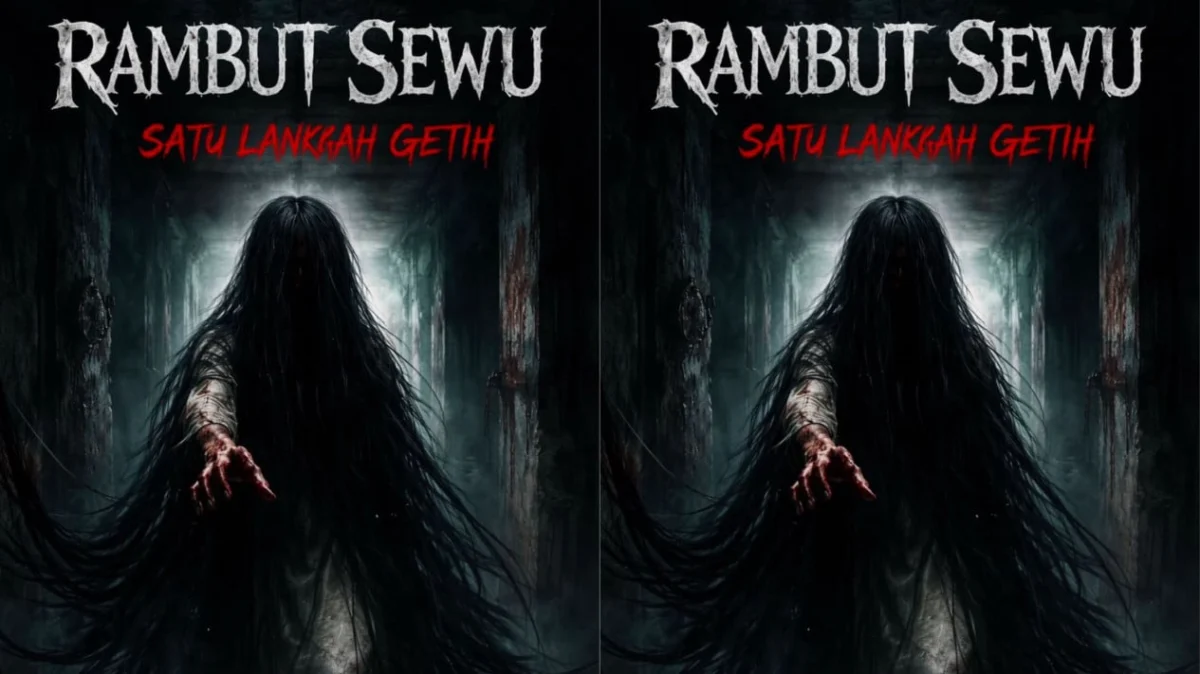
The Indonesian horror film industry has experienced a significant renaissance over the past decade, moving beyond mere jump scares toward a more nuanced exploration of folklore, religious sensitivity, and psychological depth. As the industry prepares for the upcoming release of Rambut Sewu: Satu Langkah Getih on November 5, 2026, the discourse surrounding the production has shifted toward the rigorous efforts of its cast in balancing entertainment with cultural authenticity. Jakarta-based actors Ihsan Tarore and Nita Gunawan have emerged as central figures in this narrative, as their respective approaches to their roles have sparked discussions regarding the intersection of performance art and religious practice in contemporary cinema.
The production of Rambut Sewu: Satu Langkah Getih serves as a case study for the evolving standards of horror filmmaking in Indonesia. With a release date set for November 2026, the film is poised to contribute to a competitive market that has seen horror become the most commercially successful genre in the country. Data from the Indonesian Film Board indicates that horror films accounted for nearly 60% of total domestic box office revenue in the preceding three years, highlighting the massive audience appetite for supernatural narratives that often draw from local myths and religious beliefs.
The Weight of Representation: Ihsan Tarore as Ustaz Ahmad
For Ihsan Tarore, portraying a religious figure such as Ustaz Ahmad presented a unique set of professional challenges. In the context of Indonesian horror, the "ustaz" (Islamic teacher) character serves as the moral compass and the primary antagonist to the supernatural forces terrorizing the protagonist. Ihsan noted that the pressure of representing a figure of authority within a religious framework is significant. Unlike portraying a fictional villain or a generic hero, the role of a religious teacher carries societal expectations regarding behavior, knowledge, and the correct depiction of rituals.
During an interview on October 26, 2026, the actor expressed his apprehension regarding the portrayal. "It is a heavy responsibility," Tarore stated. "When you step into the role of a religious leader, you are not just acting; you are being observed through a lens of authenticity. I was deeply concerned about ensuring that the representation did not lead to misconceptions or misinterpretations of religious practice, which could reflect poorly on both the production and my own public image."
Scholarly Intervention: The Revision of Religious Scripts
One of the most noteworthy aspects of the production was Ihsan Tarore’s active involvement in the script development process. Upon receiving the initial screenplay, Tarore identified inconsistencies between the written prayers for exorcism scenes and the established practices in Islamic tradition. Recognizing that audiences in Indonesia are increasingly critical of the portrayal of religious rites in cinema, Tarore took the initiative to consult with the creative team.
The actor’s approach was not merely about personal preference; it was a form of quality control intended to ground the supernatural narrative in a recognizable reality. "The prayers in the original script were, to be honest, not accurate," Tarore explained. "When I sat down to break down the scenes, I realized we needed something more grounded in reality. I approached the writing team with my concerns, and we engaged in a constructive dialogue. I am pleased that the production was receptive to these changes. We ultimately incorporated verses like Ayat Kursi, which are widely recognized and hold significant meaning for the audience, to ensure the scenes felt authentic."
This level of collaboration between actors and writers underscores a broader trend in the Indonesian film industry: the professionalization of the creative process. By ensuring that rituals are depicted with a level of accuracy that resonates with the audience, the film aims to avoid the pitfalls of religious trivialization, a common critique faced by earlier iterations of Indonesian horror cinema.
Nita Gunawan and the Physicality of Horror
While Ihsan Tarore focused on the ideological and religious weight of his character, Nita Gunawan faced the physical demands of playing a woman afflicted by possession. In horror cinema, the portrayal of possession is arguably the most demanding physical performance an actor can undertake, requiring a mastery of body language that transcends dialogue.
To prepare for her role as an afflicted wife, Gunawan looked beyond traditional horror tropes. Instead of relying on conventional displays of hysteria, she sought inspiration from the predatory movements observed in the animal kingdom—specifically the snake. Gunawan revealed that she studied the movements of characters in psychological thrillers, such as the iconic portrayal of Hannibal Lecter, to understand how to build tension through subtle, unnatural body language.
"It’s not just about screaming or thrashing around," Gunawan stated during the pre-release promotional cycle. "I wanted to convey a sense of unease that was more psychological. By mimicking the fluid yet threatening movements of a snake, I hoped to create a visual language that felt genuinely unsettling to the audience." This analytical approach to character development indicates a move toward "method horror," where actors invest in physical discipline to create a more immersive and disturbing viewing experience.
Chronology and Production Context
The production cycle of Rambut Sewu: Satu Langkah Getih spanned approximately eight months, beginning in early 2026. The filming process, which took place in several rural locations in West Java, was designed to emphasize the isolation and atmospheric tension central to the story.
- March 2026: Casting process begins, with Ihsan Tarore and Nita Gunawan confirmed as leads.
- April 2026: Script workshops and table reads commence. This is where Tarore identified the issues regarding the religious dialogue in the script.
- May–July 2026: Principal photography. This period involved rigorous training for the cast, particularly for the possession scenes, which required stunt coordination and body movement coaching.
- August–September 2026: Post-production, including sound design and color grading, aimed at maximizing the film’s "eerie" atmosphere.
- October 2026: Promotional campaign launches, focusing on the unique challenges and behind-the-scenes efforts of the lead actors.
- November 5, 2026: Scheduled national wide release.
Implications for the Horror Genre in Indonesia
The meticulous attention to detail demonstrated by the cast of Rambut Sewu reflects a shift in the industry’s approach to genre storytelling. As horror continues to dominate the box office, production houses are recognizing that audience expectations have evolved. Viewers are no longer satisfied with generic scares; they demand stories that are culturally resonant, well-researched, and performed with a high degree of technical skill.
Furthermore, the collaboration between actors like Tarore and the production team signifies a positive development in the creative hierarchy of Indonesian film. When performers are empowered to contribute to the narrative structure—especially concerning sensitive cultural or religious themes—the final product often gains a level of credibility that can be the difference between a cult classic and a forgettable release.
The film’s focus on the "Rambut Sewu" myth also taps into the rich vein of local urban legends that continue to define the Indonesian horror landscape. By grounding these myths in the professional, researched performances of its leads, the film attempts to elevate the genre. The industry is currently observing these trends closely; if the film succeeds both critically and commercially, it will likely set a new benchmark for how religious themes and physical acting are integrated into mainstream horror productions.
Ultimately, the journey of Rambut Sewu—from a script in need of revision to a highly anticipated theatrical release—serves as a reminder that even within the confines of a genre often dismissed as "low-brow," there is significant room for intellectual rigor and artistic discipline. The contributions of Ihsan Tarore and Nita Gunawan provide a blueprint for how actors can navigate the complexities of their roles, ensuring that their work not only scares the audience but also maintains a standard of respect and quality that the evolving Indonesian film market demands. As the premiere date approaches, the industry awaits to see if these efforts will translate into a transformative experience for the audience, potentially redefining the standards for supernatural storytelling in the years to come.