Nila Kartika Wati
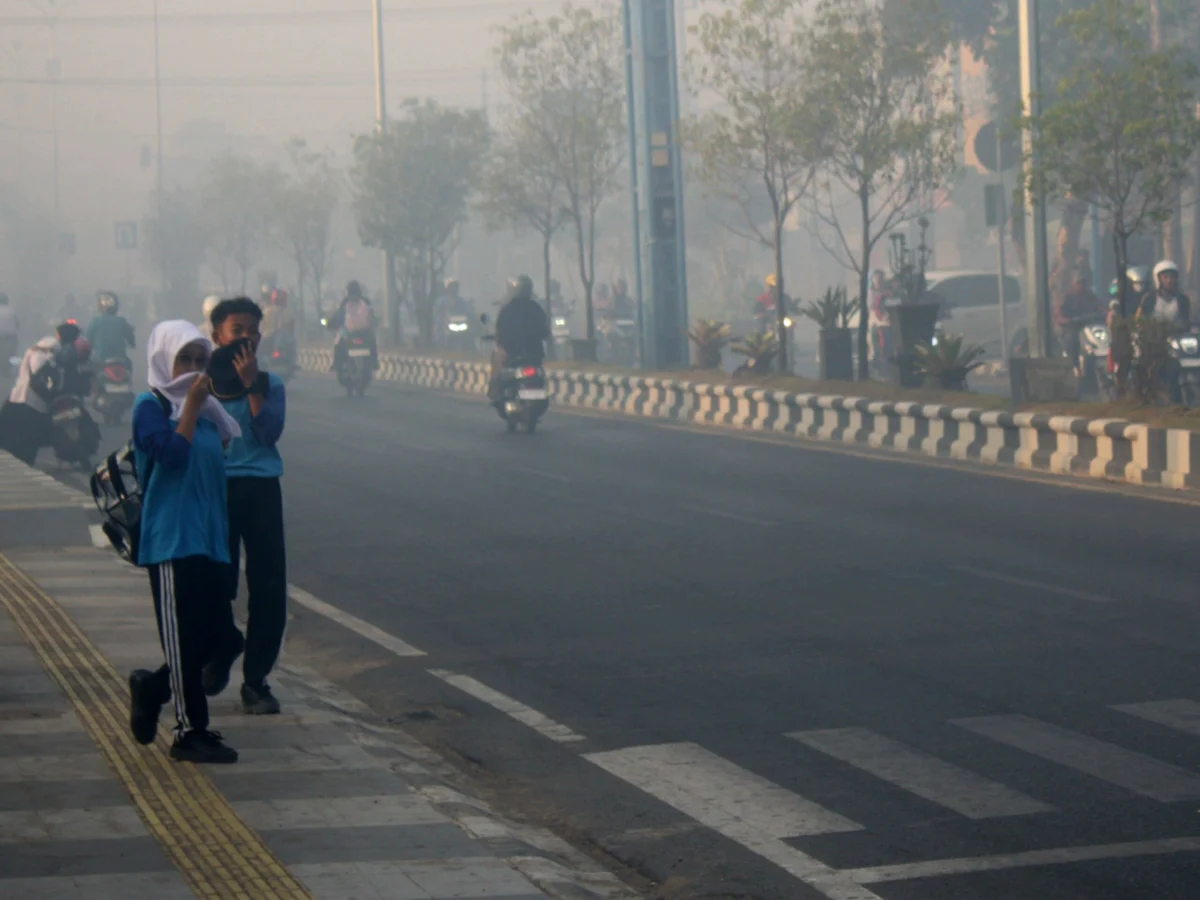
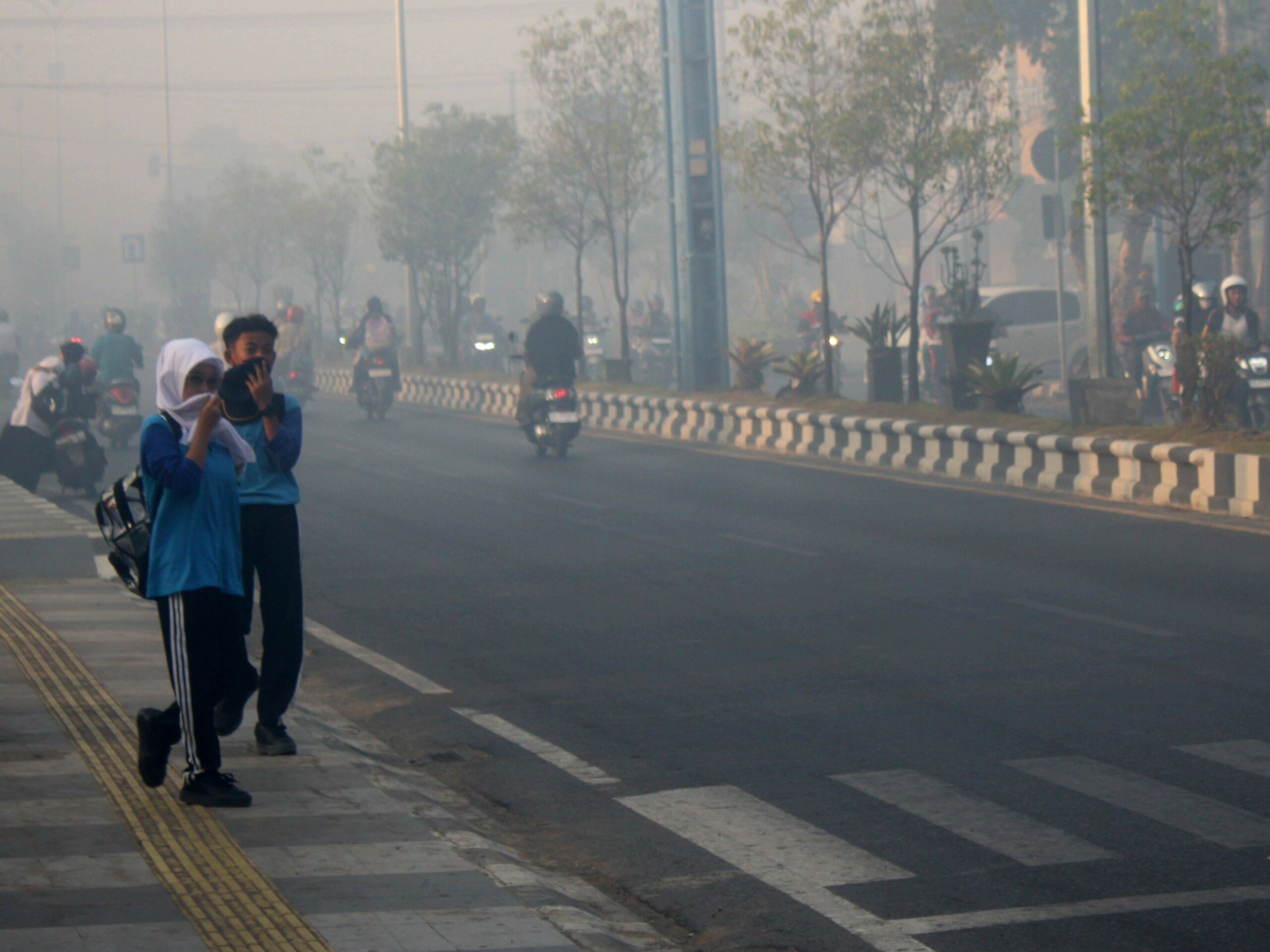
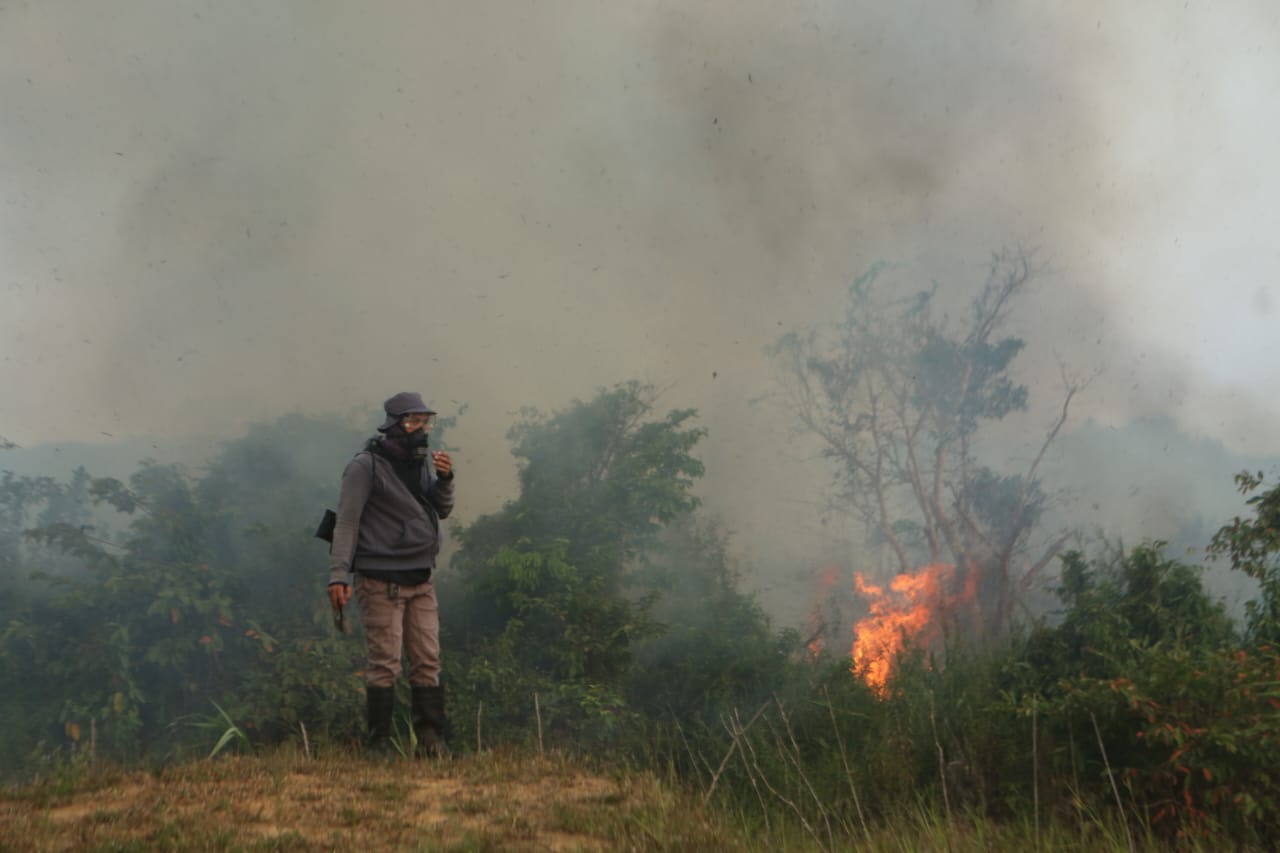
The persistent and thickening blanket of toxic haze engulfing cities across East Kalimantan has triggered a severe public health crisis, leaving families devastated and civil society demanding immediate government intervention. As forest and land fires (karhutla) continue to rage across the region, the human toll has become increasingly apparent, marked by a surge in respiratory illnesses and the tragic death of a toddler in Samarinda. The situation has reignited intense debates regarding the efficacy of government response, the accountability of corporations managing land concessions, and the systemic failure to protect vulnerable populations from environmental hazards.
Chronology of the Escalating Crisis
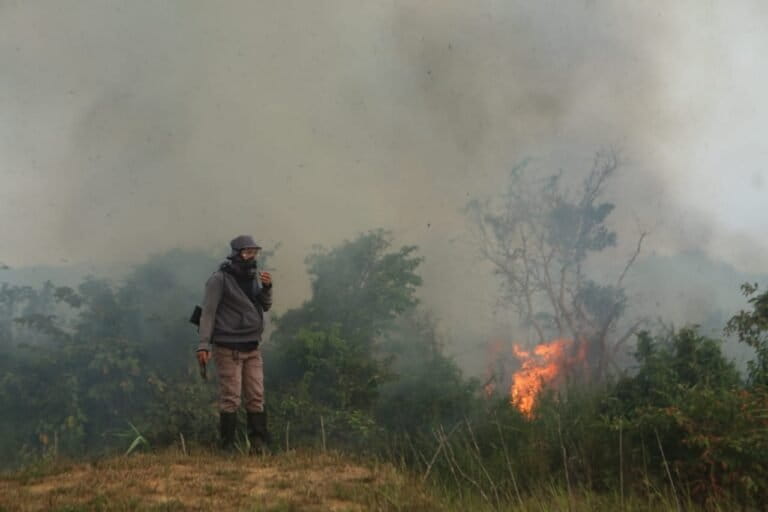
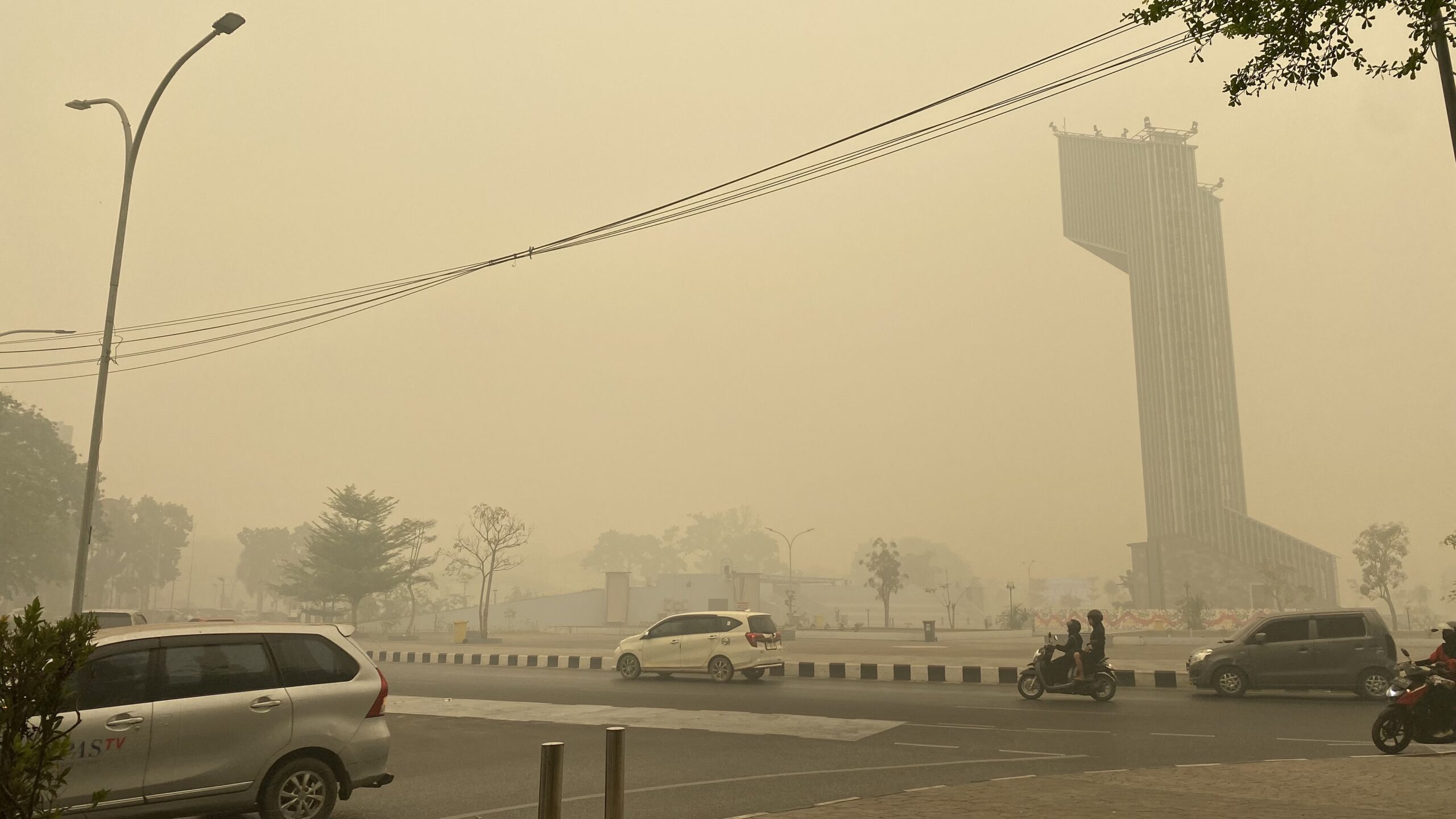
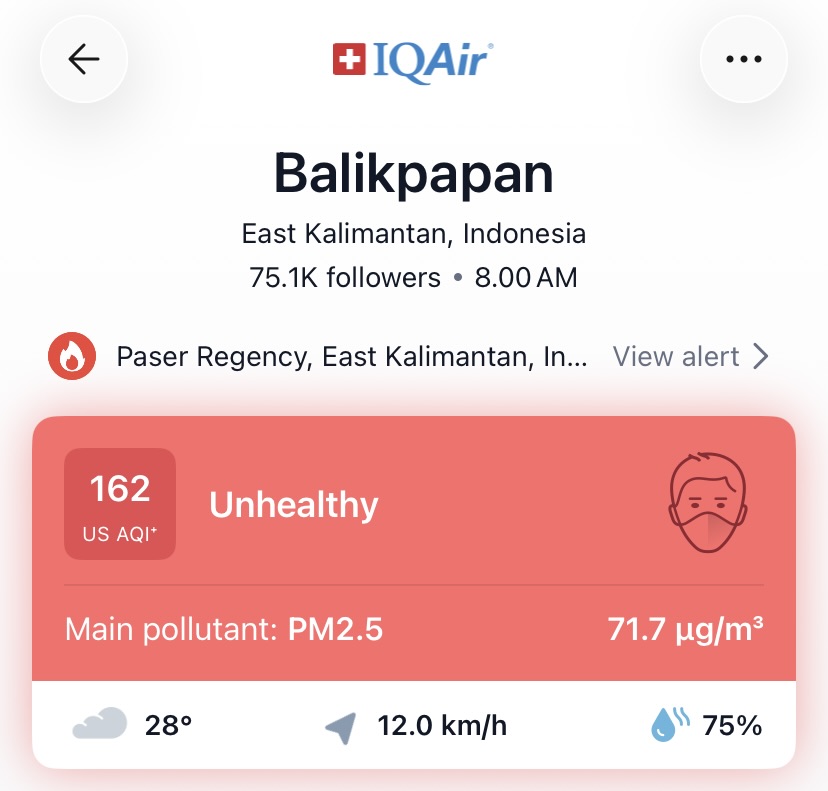
The current environmental emergency began to intensify in late September 2026, as dry conditions provided fertile ground for widespread wildfires across East Kalimantan. By early October, the air quality index (AQI) in major urban centers like Balikpapan and Samarinda had shifted into the "unhealthy" to "hazardous" categories.
On October 14, 2026, the severity of the situation was brought into sharp focus when a one-year-eight-month-old child in Balikpapan was diagnosed with pneumonia. Medical examinations revealed infiltrates in the upper left lung, a condition the child’s parents directly attributed to the dense, toxic smog that has permeated the city for weeks.
The tragedy deepened on October 15, 2026, in the Palaran district of Samarinda, where a 14-month-old infant, Yazlyn Syanindita, succumbed to sudden respiratory failure. According to the child’s family, the infant had no prior history of respiratory illness. The child’s health deteriorated rapidly, leading to a fatal outcome shortly after admission to a pediatric intensive care unit (PICU). This event was preceded by another grim incident in the region: a 60-year-old man identified as LJ lost his life while trapped in a fire within a plantation area in the Samarinda Ulu district.
By October 19, 2026, the frustration reached a boiling point, prompting the Rapid Response Team for the Protection of Women and Children (TRC PPA) of East Kalimantan to stage a protest in front of the Governor’s office. The demonstrators demanded that the government officially declare the fires a national disaster and provide clear, actionable protections for children living in the affected areas.
Statistical Evidence and Public Health Implications
Data provided by the East Kalimantan Health Office through the Early Warning and Response System (SKDR) paints a troubling picture. Between late June and October 21, 2026, the province witnessed a 10% to 20% increase in suspected Acute Respiratory Infection (ISPA) cases. Cumulative data indicates that Balikpapan, Samarinda, and Kutai Kartanegara are the hardest-hit regions.
According to the District Health Information System (DHIS2), over 33,000 cases of ISPA specifically linked to the wildfire situation have been reported across the province. Among these, approximately 8,400 cases involve children under the age of four, a demographic highly susceptible to long-term respiratory complications.
Experts in environmental health, including Diah Satyani Saminarsih, founder of the Center for Indonesia’s Strategic Development Initiatives (CISDI), warn that the current situation is far more dangerous than simple irritation. Research from institutions such as Colorado State University suggests that smoke from such fires contains over 1,000 toxic compounds, many of which are carcinogenic.
"When individuals inhale this air, they are breathing in particulate matter (PM 2.5) and carbon monoxide that trigger inflammation in the respiratory tract and blood vessels," Saminarsih noted. The implications are not limited to short-term acute illnesses; they include potential long-term damage such as chronic obstructive pulmonary disease (PPOK), developmental delays in children, and risks of low birth weight or fetal mortality in pregnant women.
Government Response and Official Stance
The response from provincial authorities has been met with skepticism by activists and grieving families. Fitnawati, Head of Disease Prevention and Control at the East Kalimantan Health Office, confirmed that the government has been in daily communication with the Ministry of Health to monitor the situation. Regarding the death of the infant in Palaran, local health officials and the treating hospital issued statements clarifying that the medical cause of death was not officially attributed to the haze, citing the intensive care provided during the child’s final hours.
Despite this, the government has acknowledged the correlation between the haze and the spike in ISPA cases. Authorities have distributed masks, vitamins, and medical supplies to the ten regencies and cities in East Kalimantan. They have also signaled their readiness to establish "oxygen houses" in various health facilities should the need arise. However, the government has refrained from declaring a formal state of health emergency, maintaining that the situation remains under control through existing health service protocols.
Broader Impacts: Accountability and Policy Reform
The ongoing crisis has prompted legal and policy experts to call for a fundamental shift in how Indonesia manages its land and environmental safety. Haris Retno, Chairperson of the Center for Women and Children’s Legal Studies at Mulawarman University, argues that the government has normalized a cycle of environmental disasters.
"We have not seen a blue sky in months," Retno stated. "The government cannot simply treat these events as routine occurrences managed by firefighters and volunteers. We need to address the root causes, which involve land management and corporate responsibility."
Legal experts are now advocating for a comprehensive audit of industrial concessions. The argument is that if a company is granted a massive tract of land, they are legally and morally obligated to ensure it does not become a source of toxic emissions. When fires occur within these concessions, the company should be held accountable, rather than allowing the burden to fall solely on individual laborers or smallholders.
Furthermore, the lack of transparency in the investigation of fire sources has drawn criticism. Activists argue that law enforcement must look beyond those caught lighting fires on the ground and trace the chain of command, identifying the corporate or political entities that may benefit from the clearing of land.
The Human Cost of Developmental Neglect
The demand for "people-centered care" has become the rallying cry for those affected by the smoke. This approach emphasizes that public health should be the primary benchmark for all economic and industrial development. When the pursuit of land-based industries leads to the degradation of air quality—a fundamental human right—the state’s primary duty is to intervene, regardless of the economic interests at play.
As the smoke continues to linger, the pressure on the government to act is mounting. The death of a toddler is being viewed by many as a warning sign of a systemic failure to protect the most vulnerable. For families like those in Palaran, the damage is already done, and the demand for justice is not merely about identifying a cause of death, but about ensuring that the next generation of children in Kalimantan is not sacrificed for the sake of unregulated development.
Moving forward, the situation demands more than just temporary medical relief; it requires a structural overhaul of land-use policies, rigorous enforcement of environmental laws against corporate entities, and a proactive disaster management strategy that prioritizes human life above all else. The incident serves as a stark reminder that in the face of climate-driven catastrophes, the silence or inaction of the state can be as toxic as the air itself.