Nasution Nanang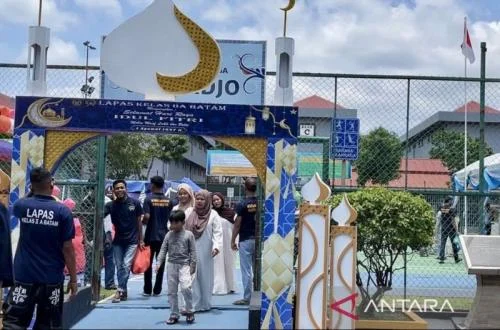
Batam, Riau Islands – A total of 1,000 inmates across correctional facilities in Batam received special Idul Fitri 1447 Hijriah remission on Saturday, March 21, 2026. This significant humanitarian gesture, a tradition observed annually during major religious holidays in Indonesia, saw a substantial number of beneficiaries, with five individuals among them gaining immediate freedom, marking a crucial step in their journey towards reintegration into society. The remissions were meticulously processed and distributed, reflecting the government’s commitment to rehabilitation and the provision of second chances within the nation’s justice system.
Understanding the Indonesian Remission System
Remission, locally known as "remisi," is a reduction in a criminal sentence granted to convicts who have met specific legal and administrative requirements. It is a fundamental component of Indonesia’s correctional philosophy, aiming to incentivize good behavior, foster rehabilitation, and mitigate the challenges of prison overcrowding. The legal basis for remission is enshrined in various regulations, primarily Law No. 12 of 1995 concerning Corrections, and subsequent governmental decrees issued by the Ministry of Law and Human Rights (Kemenkumham).
There are generally two categories of remission awarded during religious holidays:
- Remisi Khusus I (RK I): This grants a reduction in the duration of an inmate’s sentence. The amount of reduction typically varies from 15 days to one or two months, depending on the length of time already served and the specific criteria met. For most recipients, RK I means an earlier release date.
- Remisi Khusus II (RK II): This is the most anticipated form of remission, as it results in the immediate release of the inmate. An inmate qualifies for RK II if the amount of remission granted equals or exceeds the remaining portion of their sentence.
Eligibility for remission is not automatic. Inmates must demonstrate exemplary conduct, actively participate in correctional programs, and not be serving sentences for specific serious crimes unless they meet additional stringent requirements. For instance, prisoners convicted of terrorism, drug-related offenses, corruption, or transnational crimes often face stricter conditions, including cooperation with law enforcement and payment of fines or restitution, before being considered for remission. The Idul Fitri remission, specifically, is a yearly event celebrated across Indonesia, extending a compassionate gesture to inmates of the Muslim faith who have shown repentance and commitment to reform. This particular event for Idul Fitri 1447 H aligns with the Islamic calendar, which typically sees the holiday fall in early March 2026, making the March 21 distribution date a timely post-celebration act.
The Batam Remission: Specifics and Leadership Insights
The distribution of remissions in Batam was concentrated across two primary correctional facilities: the Class IIA Correctional Institution (Lapas Kelas IIA Batam) and the Class IIA Detention Center (Rutan Kelas IIA Batam). The Lapas, which houses convicted individuals serving their sentences, saw 759 inmates receive remissions. Of these, two individuals were granted RK II, leading to their immediate release. Yosafat Rizanto, the Head of Lapas Kelas IIA Batam, underscored the significance of this moment. "We are immensely proud to witness 759 of our residents receive remissions this Idul Fitri. This is not merely a reduction of sentence but a recognition of their efforts in demonstrating good behavior and active participation in our rehabilitation programs," Rizanto stated during the ceremony. He further emphasized the profound impact of RK II, noting, "Two individuals walking free today are a testament to their commitment to change and the efficacy of our correctional system in preparing them for a new chapter." He also highlighted a nuanced case where one inmate, despite receiving remission, still needed to complete a "subsider" period—additional detention time served in lieu of a fine—illustrating the complexity of legal stipulations that can accompany sentence reductions.
Meanwhile, at the Rutan Kelas IIA Batam, which primarily holds individuals awaiting trial or serving shorter sentences, 241 inmates were granted remission. A significant three individuals from this facility also qualified for RK II and were released on the spot. Surya Kusuma, the Head of Sub-section Detainee Services at Rutan Batam, provided a detailed breakdown. "Out of the 241 recipients, 238 were granted RK I, meaning their sentences were reduced by periods ranging from 15 days to one month. The joy, however, was palpable for the three inmates who received RK II and walked out as free citizens," Kusuma explained. He elaborated on the meticulous evaluation process, ensuring that every applicant met the stringent criteria set forth by Kemenkumham, stressing that the integrity of the remission process is paramount to maintain fairness and uphold legal principles. The collective joy and relief among inmates and their families during these events are always a powerful reminder of the human aspect embedded within the correctional system.
The Broader Picture: National Correctional System and Remission
The annual Idul Fitri remission program in Batam is part of a larger, nationwide initiative spearheaded by the Ministry of Law and Human Rights through its Directorate General of Corrections (Ditjen PAS). These holiday remissions serve multiple purposes beyond mere sentence reduction. They act as a powerful incentive for inmates to adhere to prison regulations, engage constructively in rehabilitation programs, and develop a positive outlook towards their future. Nationally, thousands of inmates receive similar remissions during religious holidays such as Idul Fitri, Christmas, Nyepi, Waisak, and Chinese New Year, reflecting Indonesia’s diverse religious landscape and its commitment to inclusive correctional practices.
One of the critical implications of mass remissions is their potential to alleviate prison overcrowding, a persistent challenge within the Indonesian correctional system. While the 1,000 remissions in Batam represent a fraction of the total inmate population, such consistent programs contribute to managing the capacity of facilities. According to national statistics, Indonesian prisons often operate significantly above their designed capacity, leading to various issues including strained resources, health concerns, and challenges in implementing effective rehabilitation programs. Remission, along with other measures like parole and conditional release, forms part of a multi-pronged strategy to address this systemic problem. Officials from Kemenkumham frequently emphasize that while punitive justice is essential, the ultimate goal of corrections is rehabilitation and successful societal reintegration, and remission plays a vital role in achieving this balance. The consistent application of remission policies also reinforces the rule of law by demonstrating that justice is tempered with mercy and that there are clear pathways for inmates to earn their way back into society through demonstrated good conduct.
Beyond Remission: Supporting Reintegration and Family Ties
The correctional facilities in Batam did not limit their efforts to just granting remissions. Recognizing the importance of family connections for the psychological well-being of inmates and their successful reintegration, both Lapas and Rutan implemented special services for the Idul Fitri period. Special Lebaran visitation services were opened to families, extending until March 23, 2026. These visits, a cherished tradition, allow inmates to reconnect with their loved ones, providing crucial emotional support. To manage the anticipated surge in visitors, each session was carefully regulated, with durations limited to 20 to 30 minutes. The facilities projected a substantial increase in visitor numbers, estimating up to 800 visitors per day at Lapas Batam and an even higher 1,000 visitors per day at Rutan Batam, with visiting hours set from 09:00 to 16:00 WIB.
Furthermore, to ensure that inmates whose families could not travel for direct visits could still connect with them, a "Warung Telekomunikasi Khusus Pemasyarakatan" (Wartel Suspas) – a Special Correctional Telecommunication Kiosk – was made available at each service unit. This facility allows inmates to make supervised phone calls or video calls to their families, bridging geographical distances and fostering vital silaturahmi (familial bonds) during the significant Lebaran moment. Such initiatives underscore the holistic approach adopted by Indonesian correctional institutions, acknowledging that while inmates serve their time, maintaining ties with family and community is fundamental for their mental health and ultimately, for reducing recidivism rates post-release. The provision of these communication tools is particularly crucial in a sprawling archipelago like Indonesia, where families might reside on different islands, making physical visits challenging or impossible for many.
Analysis and Implications
The granting of Idul Fitri remission to 1,000 inmates in Batam carries multifaceted implications, extending from the individual level to broader institutional and societal contexts.
- Individual Impact: For the inmates, especially the five who gained immediate freedom, remission represents a tangible second chance. It instills hope, reinforces positive behavioral changes, and serves as a powerful motivator to continue on a path of reform. The reduction of sentences, even by a few days or months, can significantly impact an individual’s psychological state, offering a clearer horizon for their future. However, the challenge of reintegration remains; former inmates require robust support systems, including employment opportunities, housing, and community acceptance, to prevent recidivism.
- Institutional Impact: For Lapas and Rutan Batam, the remission program offers a degree of operational relief by slightly reducing the inmate population. This can momentarily ease the strain on resources and staff, allowing for better management of existing inmates and programs. More broadly, the consistent application of remission policies enhances the credibility and fairness of the correctional system, fostering a more cooperative environment between inmates and staff. It reinforces the idea that good conduct within the facilities is genuinely rewarded.
- Societal Impact: The release of inmates, particularly those who have demonstrated rehabilitation, contributes to the broader societal goal of restorative justice. It signals a belief in an individual’s capacity for change and offers communities an opportunity to participate in the reintegration process. Successful reintegration reduces the likelihood of future criminal activity, thereby enhancing public safety and fostering a more inclusive society. However, societal stigma against ex-convicts remains a significant hurdle, necessitating sustained public education and support programs.
- Policy Implications: The annual remission program prompts continuous evaluation of correctional policies and rehabilitation effectiveness. It highlights the ongoing need for robust vocational training, educational programs, and psychological support within prisons to ensure that inmates are genuinely prepared for life outside. The case of the inmate serving "subsider" also underscores the importance of clear legal guidance and comprehensive pre-release counseling to ensure inmates fully understand their obligations and conditions of release.
In conclusion, the Idul Fitri 1447 H remission in Batam is more than just a bureaucratic procedure; it is a profound act of compassion and a cornerstone of Indonesia’s correctional philosophy. It underscores the dual objectives of justice and humanity, offering a path to redemption for those who have erred and a hope for a better future, while simultaneously addressing systemic challenges within the nation’s correctional institutions. As these individuals step out or look forward to their eventual release, the collective hope is for their successful reintegration, contributing positively to their families and communities.