Nasution Nanang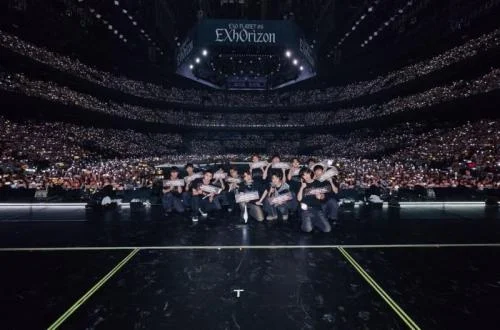
The Jakarta Provincial Government, through its Transportation Agency (Dinas Perhubungan – Dishub) DKI Jakarta, has announced comprehensive situational traffic engineering plans for the vicinity of Gelora Bung Karno (GBK) on June 6-7, 2026. This proactive measure is designed to effectively manage and mitigate the significant increase in vehicle volume and pedestrian traffic anticipated due to a confluence of high-profile events scheduled concurrently within the iconic sports and entertainment complex. These events include the highly anticipated concert by global K-pop sensation EXO, a performance by acclaimed Indonesian singer Raisa, and the Polytron Indonesia Open 2026 badminton tournament.
Contextualizing the High-Stakes Weekend at GBK
The upcoming weekend promises to be a vibrant showcase of Jakarta’s capacity to host diverse, large-scale events, drawing tens of thousands of attendees from across Indonesia and internationally. The three primary events driving the need for elaborate traffic management are:
-
EXO Planet #6 ExhOrizon in Jakarta: This concert, featuring the globally renowned K-pop group EXO, is scheduled to take place at the Indonesia Arena. EXO, a powerhouse in the K-pop industry with a massive and dedicated global fanbase known as EXO-L, consistently attracts sell-out crowds. Their concerts are not merely musical performances but cultural events that often draw international visitors, leading to increased demand for accommodation, transportation, and local services. The Indonesia Arena, a relatively new and state-of-the-art indoor stadium within the GBK complex, boasts a substantial capacity, expected to host a significant portion of the total estimated attendees. The sheer volume of fans, many of whom travel long distances and arrive hours in advance, presents unique logistical challenges.
-
Raisa Live Concert ‘Love & Let Go’: Indonesian pop diva Raisa Andriana will perform her ‘Love & Let Go’ concert at the Jakarta Convention Center (JICC) Plenary Hall, also located within the sprawling GBK area. Raisa is one of Indonesia’s most beloved and successful musical artists, known for her powerful vocals and captivating stage presence. Her concerts consistently attract a loyal and enthusiastic domestic audience. The JICC Plenary Hall, a prominent venue for major conferences and concerts, has its own distinct access points and parking considerations that need to be integrated into the overall traffic scheme. The simultaneous appeal of an international K-pop act and a national music icon amplifies the potential for overlapping crowds and traffic pressure.
-
Polytron Indonesia Open 2026: Concurrently, the prestigious Polytron Indonesia Open 2026 badminton tournament will be held at Istora Senayan, another iconic venue within GBK. Indonesia has a rich tradition in badminton, and the Indonesia Open is a Super 1000 event on the BWF World Tour, attracting top international players and a passionate local following. Badminton fans, often families and sports enthusiasts, contribute to the vehicle count, distinct from the concert-goers. The tournament typically runs over several days, with peak attendance during weekend finals, coinciding directly with the concert schedule. The blend of sports and entertainment audiences further complicates traffic flow, as their entry and exit patterns may differ.
Head of the DKI Jakarta Transportation Agency, Budi Awaluddin, underscored the necessity of these measures, stating, "We have meticulously prepared situational traffic engineering strategies to ensure smooth mobility for all communities and attendees during these high-density events. Our plans are flexible and will be adjusted based on real-time field conditions." He further projected that the combined events are expected to draw approximately 37,800 people on June 6 and an even larger crowd of 43,000 on June 7, highlighting the scale of the logistical challenge.
Detailed Traffic Management Strategy and Implementation
The comprehensive traffic engineering plan focuses on several key areas, including route diversions, personnel deployment, parking management, and extensive inter-agency coordination.
1. Situational Route Diversions:
Dishub DKI Jakarta has outlined specific alternative routes to alleviate congestion on main arteries leading to and from the GBK complex. These diversions are crucial for managing the flow of vehicles and preventing gridlock, especially during peak arrival and departure times for each event.
- South to North (e.g., Blok M towards Tanah Abang): Vehicles will be directed to utilize alternative routes such as Jl. Panglima Polim, Jl. Kyai Maja, and Jl. KH. Mas Mansyur. This aims to divert traffic away from the immediate GBK surroundings, particularly Jl. Jenderal Sudirman and Jl. Gatot Subroto, which are primary access routes.
- West to South/East: For commuters traveling from western parts of Jakarta towards the south or east, alternative routes will be provided to bypass the GBK bottleneck. This might involve utilizing inner-city toll roads or other major arterial roads further away from the immediate event perimeter.
- North to South: Similarly, traffic originating from northern Jakarta heading south will be guided through designated alternative corridors to minimize impact on GBK-adjacent roads.
These diversions will be implemented dynamically, meaning traffic police and Dishub personnel will monitor conditions in real-time and open or close specific routes as needed. Variable Message Signs (VMS) strategically placed around the city will provide live updates to motorists, advising them on the most efficient routes.
2. Personnel Deployment and Coordination:
A significant contingent of personnel will be deployed across critical points within and around the GBK area. Budi Awaluddin emphasized, "We have prepared personnel for traffic regulation, parking supervision, and close coordination with the police and event organizers." This deployment will include:
- Traffic Police (Polda Metro Jaya): Responsible for enforcing traffic laws, directing vehicles, and responding to incidents. Their presence is vital for maintaining order and ensuring compliance with temporary regulations.
- Dishub Officers: Tasked with monitoring traffic flow, managing public transport access, assisting with parking, and providing information to the public. They will work in tandem with the police to implement the situational plans.
- Event Organizers’ Staff: Collaborating with authorities to manage pedestrian flow into and out of venues, guide attendees to designated areas, and address any internal logistical issues.
- Joint Command Posts: Established to facilitate seamless communication and rapid decision-making among all stakeholders, including the police, Dishub, GBK management, and event organizers. This integrated approach is critical for effective crowd and traffic management.
3. Parking Management and Public Transportation Emphasis:
To mitigate parking congestion, authorities strongly encourage attendees to utilize public transportation. Jakarta boasts an increasingly integrated public transport network that serves the GBK area, including:
- MRT Jakarta: Senayan and Istora Mandiri stations are within walking distance of GBK, offering a fast and efficient way to reach the complex from various parts of the city.
- TransJakarta Bus Rapid Transit (BRT): Numerous routes connect to GBK, with dedicated bus lanes providing a relatively quick option.
- LRT Jakarta: While not directly serving GBK, it connects to other public transport modes that do.
- Commuter Line (KRL Commuterline): Palmerah Station is a viable option for those coming from greater Jakarta, with a short onward journey by ride-sharing or TransJakarta.
Designated drop-off and pick-up points for ride-sharing services and private vehicles will be clearly marked to prevent indiscriminate stopping and blocking of roads. Parking within the GBK complex will be limited and strictly managed, with priority potentially given to official vehicles and those with pre-booked passes. Attendees are advised to park at designated peripheral parking lots and continue their journey to GBK via public transport or shuttle services if available.
Broader Implications and Urban Mobility Challenges
Jakarta, a megacity grappling with persistent traffic congestion, views events of this magnitude as both an opportunity and a significant test of its urban mobility infrastructure and planning capabilities. The successful management of such events contributes to Jakarta’s reputation as a world-class city capable of hosting international-level entertainment and sports.
Economic Impact: The influx of attendees, especially for international acts like EXO, provides a substantial boost to the local economy. Hotels, restaurants, retail businesses, and transportation services all stand to benefit from increased patronage. This economic stimulus is a key motivator for cities to host such events, despite the logistical challenges.
Environmental Considerations: While increased vehicle movement inevitably leads to higher emissions, the emphasis on public transportation aims to mitigate this impact. Encouraging a shift away from private cars aligns with Jakarta’s broader sustainability goals and efforts to improve air quality.
Lessons Learned and Future Planning: Each major event provides invaluable data and experience for urban planners and traffic management authorities. Analyzing the effectiveness of the current strategies will inform future plans for even larger or more frequent events. This continuous learning cycle is crucial for a dynamic city like Jakarta. The deployment of smart city technologies, such as real-time traffic monitoring cameras and AI-driven predictive analytics, can further enhance response capabilities and optimize traffic flow in the long run.
Recommendations for Attendees and Commuters
To ensure a smooth and enjoyable experience, both event attendees and regular commuters are strongly advised to take the following precautions:
- Plan Ahead: Check official announcements from Dishub DKI Jakarta, event organizers, and public transport providers for the latest information on routes and schedules.
- Utilize Public Transportation: This is the most recommended mode of travel to and from GBK to avoid traffic and parking difficulties.
- Allow Extra Travel Time: Expect delays, especially during peak hours before and after the events.
- Stay Informed: Follow official social media channels, listen to local radio, and check navigation apps for real-time traffic updates.
- Carpooling and Ride-Sharing: If private vehicles are necessary, consider carpooling to reduce the number of vehicles on the road.
- Adhere to Instructions: Follow directions from traffic police and Dishub officers on site.
In conclusion, the DKI Jakarta Provincial Government’s proactive and comprehensive approach to traffic engineering around the Gelora Bung Karno complex for the upcoming EXO concert, Raisa concert, and Polytron Indonesia Open underscores its commitment to ensuring public safety, maintaining urban mobility, and successfully hosting major events. Through meticulous planning, inter-agency coordination, and a strong emphasis on public awareness and public transport utilization, Jakarta aims to navigate this high-traffic weekend efficiently, allowing both residents and visitors to enjoy the vibrant cultural and sporting offerings of the city.