Chalifah Fatihah
Jakarta, Indonesia – As the festive spirit of Eid celebrations lingers, so too do the beloved, rich coconut milk dishes that grace many tables. While these culinary delights are savored, concerns often arise regarding the safety of reheating them, particularly those containing coconut milk, which are perceived as having a shorter shelf life and potential health risks. However, according to dietitian Yesi Herawati from the Dokter Hasan Sadikin General Hospital in Bandung, these delicious leftovers can still be safely enjoyed for up to three days after Eid, provided they are stored and reheated correctly.
Herawati, speaking on Tuesday, March 24, 2026, emphasized that the key to preserving both the safety and quality of these dishes lies in meticulous preparation and reheating practices. "The critical factor is ensuring that the heat is distributed evenly throughout the food, reaching its core, rather than just warming the surface," she explained, as reported by Antara. This principle is paramount for preventing the proliferation of harmful bacteria that can thrive in less thoroughly heated food.
The Science Behind Safe Reheating
The concern surrounding reheating coconut milk dishes stems from the delicate nature of fats and proteins present in coconut milk and meats. When food is not heated to a sufficient internal temperature, it can create a breeding ground for bacteria. Herawati outlined specific temperature guidelines to mitigate this risk: an internal temperature of at least 70 degrees Celsius maintained for two minutes, or 75 degrees Celsius for 30 seconds, or 80 degrees Celsius for just six seconds, is recommended to effectively kill most harmful microorganisms.
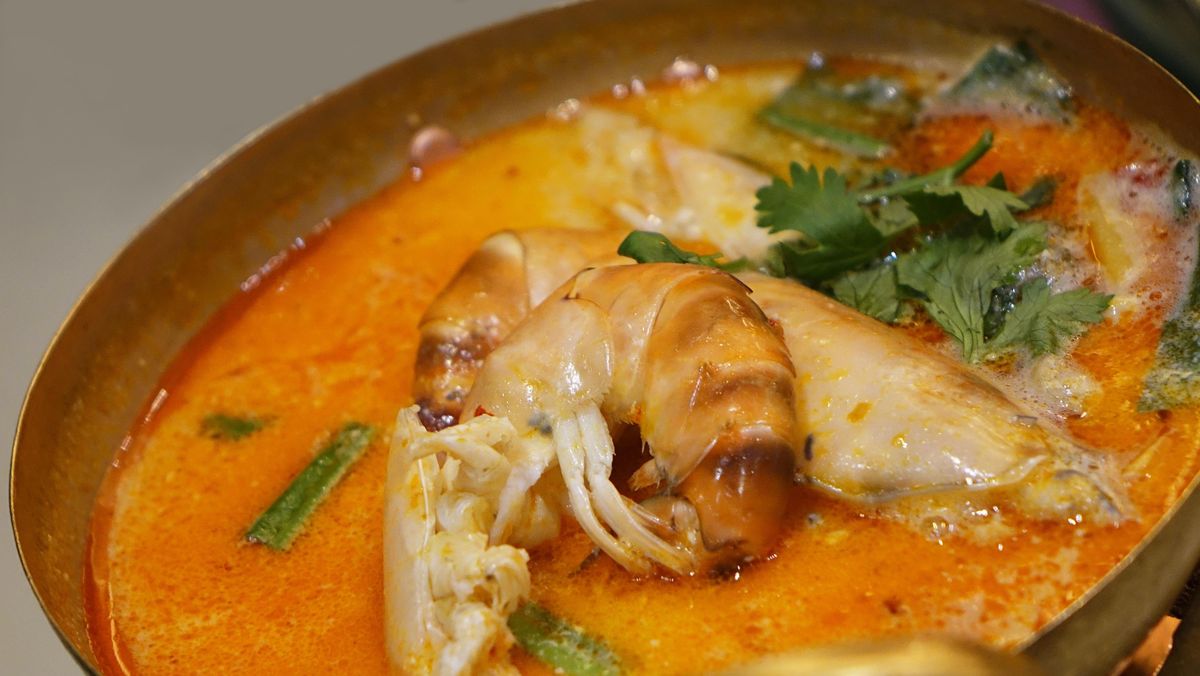
For soupy coconut milk dishes, such as opor ayam (chicken in coconut milk) or rendang (slow-cooked meat in coconut milk and spices), the most effective reheating method is to bring them back to a rolling boil. This ensures that the entire dish reaches the necessary temperature for a sustained period.
For drier coconut milk-based dishes, like those where the sauce has significantly reduced or evaporated, alternative reheating methods are advised. These include stir-frying, steaming, or utilizing appliances like ovens, microwaves, or air fryers. Each of these methods, when applied correctly, can help ensure the food is heated thoroughly and evenly.
The Perils of Repeated Reheating
Herawati issued a stern warning against the practice of reheating food multiple times. This is not merely an issue of taste and texture degradation, but a significant health concern. "Coconut milk dishes, when heated repeatedly, can generate free radicals and trans fats, which are detrimental to health," she stated. These byproducts can increase the risk of various chronic diseases over time.
The risk of food poisoning is significantly elevated when reheating is not done properly. Bacteria such as Bacillus cereus and Staphylococcus aureus are common culprits in foodborne illnesses, and they can multiply rapidly in the "danger zone" of temperatures between 4 and 60 degrees Celsius (40 to 140 degrees Fahrenheit). Inadequate reheating fails to eliminate these bacteria, leaving consumers vulnerable.
Beyond Coconut Milk: A Broader Food Safety Perspective
Herawati’s advice extends beyond just coconut milk dishes to encompass other types of leftovers. She specifically highlighted vegetables with dark green leaves, such as spinach or kale, as foods that should also be avoided for repeated reheating. These vegetables are rich in nitrates, which, when subjected to multiple heating cycles, can convert into carcinogenic compounds. This transformation poses a long-term health risk, particularly in relation to cancer development.
Best Practices for Storing Leftovers
To maximize the safety and longevity of Eid leftovers, proper storage is as crucial as correct reheating. Herawati recommends dividing larger portions into smaller, manageable containers. These smaller portions should then be stored in airtight containers within the refrigerator. This practice not only helps in portion control for reheating but also prevents the entire batch from being exposed to temperature fluctuations if only a small amount is needed.
According to Herawati, food stored in the refrigerator’s chiller section in airtight containers can remain safe for consumption for three to four days. For longer-term storage, freezing is an option, with food potentially lasting for three to four months. However, she cautioned that prolonged storage, even when frozen, can lead to a loss of moisture and a subtle alteration in taste and texture.
The Cultural Significance of Eid Leftovers
The tradition of Eid celebrations in Indonesia, as in many Muslim-majority countries, is deeply intertwined with communal feasting and the subsequent sharing and preservation of food. Dishes like rendang, opor ayam, gulai, and various kue kering (cookies) are prepared in large quantities to cater to numerous guests and for family consumption over several days. The abundance of food is a symbol of blessings and gratitude.
However, this abundance also presents the challenge of managing leftovers effectively. Historically, households relied on traditional methods of preservation and reheating, which may not always align with modern food safety standards. The advice from experts like Herawati serves to bridge this gap, offering scientifically backed guidance that respects cultural traditions while prioritizing public health.
Broader Implications for Food Safety Awareness
The focus on reheating coconut milk dishes brings to the forefront the broader conversation around food safety in households across Indonesia. As culinary practices evolve and access to diverse ingredients increases, so too does the need for accessible and understandable food safety information. Public health campaigns and educational initiatives often highlight common pitfalls, such as improper food storage, cross-contamination, and inadequate cooking or reheating temperatures.
The economic implications of food waste are also significant. By extending the safe consumption period of leftovers through proper handling, families can reduce food waste, contributing to household savings and a more sustainable approach to food consumption.
Expert Consensus and Public Health Goals
Herawati’s recommendations align with general food safety guidelines promoted by global health organizations. The World Health Organization (WHO) and national food safety agencies consistently emphasize the importance of maintaining safe temperatures for both hot and cold foods, thorough cooking, and avoiding the repeated reheating of perishable items.
The ultimate goal is to empower individuals with the knowledge to make informed decisions about their food, ensuring that the joy of celebratory meals does not come at the expense of health. As Eid celebrations become a cherished annual event, the dissemination of such practical advice remains vital for the well-being of communities. The dietitian’s insights serve as a timely reminder that with a little care and attention, the delicious flavors of Eid can be enjoyed safely and responsibly, long after the festivities have concluded.