Chalifah Fatihah
Capsule wardrobe represents a minimalist and functional approach to fashion, focusing on versatile pieces that are easily interchangeable. This concept stands in stark contrast to the prevailing fast fashion culture, advocating for a curated collection of clothing that can be worn repeatedly with enduring style. The core idea is to eliminate the need for an extensive wardrobe by selecting items that truly serve a purpose and can be mixed and matched to create numerous outfits.
The fundamental principle of a capsule wardrobe is that each garment and accessory should complement the others, enabling the creation of diverse looks from a limited selection of clothing. This mathematical approach to style allows for an exponential increase in potential outfits from a relatively small number of pieces. By embracing a capsule wardrobe, individuals can actively push back against the unsustainable practices of fast fashion. This article will delve into the origins of the capsule wardrobe concept, explore its evolution, and outline key considerations for those looking to adopt this mindful approach to dressing.
The Historical Roots of the Capsule Wardrobe
While the term "capsule wardrobe" might sound like a recent trend, its underlying philosophy of intentional dressing has a much longer history. The concept of a carefully curated, limited collection of clothing began to gain traction in the fashion world long before it was formally named.
Early Seeds of the Concept: Mid-20th Century Fashion Narratives
The idea of a versatile, foundational wardrobe can be traced back to the mid-20th century. In July 1938, Vogue magazine published an article titled "Summer Slip Covers," which explored the joy of mixing and matching garments. The piece highlighted how a single, well-chosen black dress could be transformed into various looks by adding different tops, such as camisoles or sweaters. This early editorial demonstrated an awareness of the power of versatile pieces, a cornerstone of the modern capsule wardrobe.
A few years later, on August 15, 1941, Vogue revisited this theme in a special edition, framing it as a "campus wardrobe." An article in this issue recommended a selection of 16 essential fashion items for university students, including skirts, blouses, and jackets. The underlying message was consistent: a smaller, well-chosen collection of clothing could provide ample styling options. This pre-dates the formal coining of the term "capsule wardrobe" by several decades, suggesting that the principles were already embedded in the collective consciousness of fashion-conscious individuals.
Formalization and Popularization: The 1970s and 1980s
The term "capsule wardrobe" itself began to gain broader recognition in the 1970s. Sarah Jones, writing for The Independent UK, noted that Susie Faux, the owner of a London boutique, is credited with popularizing the term. Faux used it to describe a method of helping women streamline their closets by focusing on essential, high-quality pieces that could be seamlessly integrated. This approach aimed to simplify dressing and elevate personal style through thoughtful selection.
The concept’s visibility surged in the 1980s. In 1985, American fashion designer Donna Karan introduced her "Seven Easy Pieces" collection. This line was revolutionary for its time, offering a foundation of versatile workwear that could be worn in multiple combinations and transition from day to night. Karan’s vision emphasized the power of a few key items to create a sophisticated and adaptable wardrobe, resonating with working women and further solidifying the capsule wardrobe idea in the public imagination.
The Modern Renaissance of the Capsule Wardrobe
In recent years, the capsule wardrobe has experienced a significant resurgence in popularity. This revival is driven by a confluence of factors, reflecting a growing global consciousness around sustainability, a desire for simpler living, financial prudence, and a psychological reaction to the overwhelming nature of consumerism.
Environmental Imperatives and Conscious Consumption
The environmental impact of the fashion industry, particularly fast fashion, has become a critical concern. The rapid production and disposal of garments contribute significantly to landfill waste, water pollution, and carbon emissions. According to the United Nations Environment Programme (UNEP), the fashion industry is responsible for an estimated 10% of global carbon emissions – more than international flights and maritime shipping combined. Furthermore, textile dyeing is the second-largest polluter of water globally.
In this context, the capsule wardrobe emerges as a powerful antidote. By prioritizing quality over quantity and investing in durable, timeless pieces, consumers can significantly reduce their fashion footprint. The emphasis shifts from accumulating disposable trends to building a lasting collection, thereby decreasing demand for new production and minimizing waste. This aligns with broader movements towards sustainable living and conscious consumption, where individuals are increasingly making purchasing decisions based on ethical and environmental considerations.
The Rise of Minimalism and Decluttering Culture
The minimalist lifestyle movement, which advocates for living with less and focusing on what truly adds value, has also fueled the adoption of capsule wardrobes. The popularization of decluttering methodologies, such as Marie Kondo’s "KonMari Method," has encouraged individuals to reassess their possessions and keep only those items that "spark joy." Applied to clothing, this philosophy naturally leads to a more curated and intentional wardrobe.
A cluttered closet can contribute to mental stress and indecision. The overwhelming number of choices can lead to analysis paralysis, making it difficult to select an outfit and fostering a sense of dissatisfaction. A capsule wardrobe, by its very nature, simplifies this process. With fewer, well-chosen items, the daily task of getting dressed becomes more efficient and less stressful. This reduction in visual and mental clutter contributes to a more serene and organized lifestyle.
Financial Prudence and the "Economic Advantage"
In an era of economic uncertainty and rising living costs, the financial benefits of a capsule wardrobe are undeniable. Fast fashion often encourages impulsive buying through low prices and constant new arrivals. This can lead to significant spending on items that are quickly discarded. A capsule wardrobe, conversely, promotes thoughtful purchasing. By investing in higher-quality, durable pieces that can be worn across seasons and occasions, consumers can save money in the long run.
Instead of frequently purchasing cheap, trend-driven items, individuals can allocate their clothing budget towards fewer, more substantial pieces that will last for years. This "buy less, buy better" philosophy not only benefits the wallet but also encourages a more appreciative relationship with one’s clothing. The prolonged lifespan of garments in a capsule wardrobe represents a significant economic advantage, reducing the need for constant replenishment.
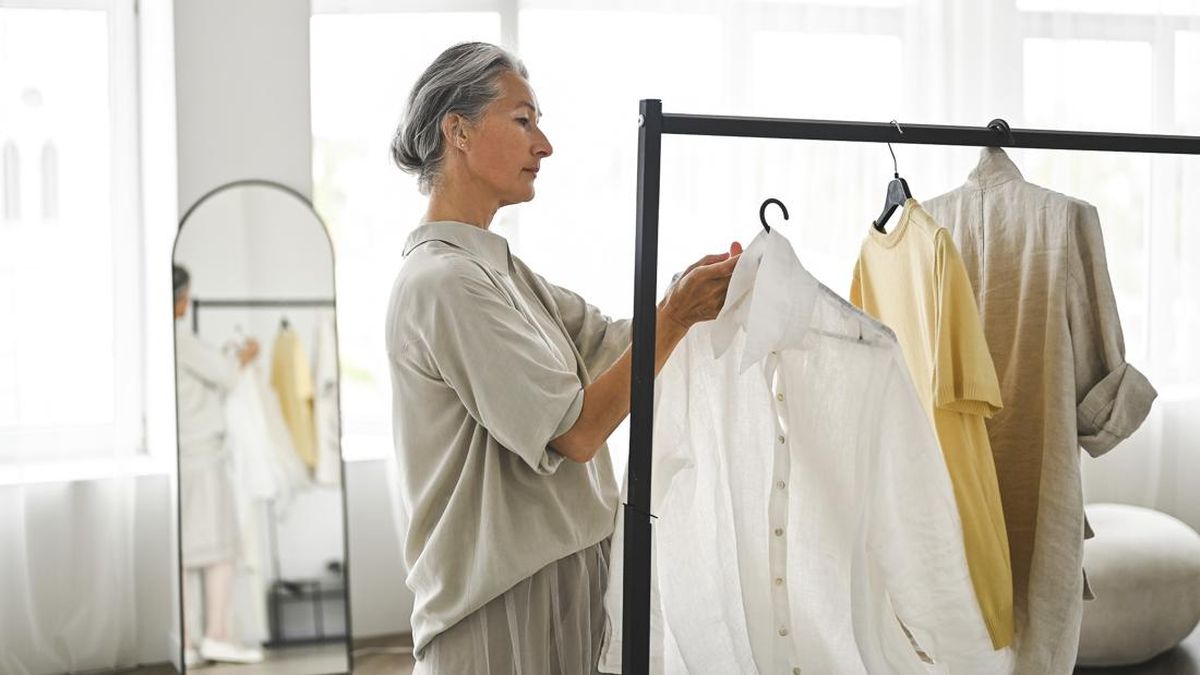
Psychological Well-being and "Decision Fatigue"
The sheer volume of choices presented by modern consumer culture can lead to "decision fatigue," a psychological phenomenon where the ability to make further decisions is impaired by prior exertion of choice. In the context of fashion, a wardrobe overflowing with options can contribute to this fatigue, making the daily act of choosing an outfit feel like a chore.
A capsule wardrobe acts as a form of "mental brake," allowing individuals to maintain their style while operating within reasonable limits. By pre-selecting a core set of versatile items, the daily decision-making process is streamlined. This reduction in cognitive load can lead to increased efficiency and a greater sense of control. The ability to create numerous stylish outfits from a limited selection also fosters a sense of creativity and resourcefulness, contributing to a positive psychological experience associated with personal style.
Key Considerations for Building a Capsule Wardrobe
Adopting a capsule wardrobe is a personal journey that requires introspection and strategic planning. It’s not about adhering to a rigid set of rules but rather about creating a system that works for an individual’s lifestyle, preferences, and needs.
1. Assessing Your Lifestyle and Needs
The foundation of any successful capsule wardrobe lies in understanding one’s daily activities and commitments. Consider the following:
- Work Environment: Does your job require formal attire, business casual, or a more relaxed dress code?
- Social Life: What are your typical social activities? Do you attend formal events, casual gatherings, or a mix of both?
- Hobbies and Interests: Do you engage in activities that require specific clothing, such as sports, outdoor adventures, or creative pursuits?
- Climate: What are the prevailing weather conditions in your region throughout the year? This will influence the types of fabrics and layering pieces you need.
By thoroughly analyzing these aspects, you can identify the types of garments that will be most frequently used and therefore deserve a place in your curated collection.
2. Defining Your Personal Style
While capsule wardrobes emphasize versatility, they should also reflect your individual style. This involves identifying recurring themes in your current wardrobe and considering what aesthetic resonates with you.
- Color Palette: While neutrals form the backbone of many capsule wardrobes, incorporating accent colors that you love and that complement each other is crucial. Consider a base of neutrals (e.g., black, white, grey, navy, beige) and then add 2-3 accent colors that you feel confident wearing.
- Silhouettes and Fits: What types of cuts and shapes do you find most flattering and comfortable? Understanding your preferred silhouettes will guide your selection of tops, bottoms, and dresses.
- Fabrics and Textures: Do you prefer natural fibers like cotton and linen, or do you gravitate towards synthetic blends for their durability and ease of care? Consider how different textures can add depth and interest to your outfits.
3. The "Core Pieces" Approach
A capsule wardrobe typically consists of essential, versatile pieces that can be combined in multiple ways. These "core pieces" form the foundation of your collection. Common categories include:
- Tops: A selection of basic t-shirts, blouses, button-down shirts, and perhaps a few sweaters or cardigans.
- Bottoms: Well-fitting jeans, tailored trousers, skirts, and potentially shorts depending on your climate and lifestyle.
- Outerwear: A versatile jacket (e.g., denim jacket, blazer), a trench coat or classic overcoat, and perhaps a more casual option like a parka.
- Dresses/Jumpsuits: A little black dress or a versatile day dress can be dressed up or down.
- Footwear: Comfortable and stylish shoes for various occasions, such as sneakers, boots, loafers, and heels.
- Accessories: Scarves, belts, jewelry, and bags that can elevate and personalize your outfits.
The number of items in a capsule wardrobe can vary, with many proponents suggesting between 30 to 50 pieces, including clothing, shoes, and outerwear. However, the focus should be on functionality and personal preference rather than a strict number.
4. The Process of Building and Maintaining
Transitioning to a capsule wardrobe is often a gradual process. Here are some practical steps:
- Declutter Ruthlessly: Begin by emptying your entire wardrobe. Sort items into categories: keep, donate, sell, or discard. Be honest about what you actually wear and what fits your current lifestyle and style.
- Identify Gaps: Once you have your "keep" pile, assess what essential pieces are missing to create a cohesive wardrobe.
- Shop Intentionally: When purchasing new items, focus on quality, versatility, and how they integrate with your existing capsule. Resist impulse buys and trend-driven purchases.
- Seasonal Updates: For those in climates with distinct seasons, consider creating seasonal capsule wardrobes. This allows for adapting to changing weather while maintaining the core principles.
- Regular Review: Periodically review your capsule wardrobe (e.g., every 3-6 months) to ensure it still meets your needs. Remove items that are no longer worn or suitable and identify any new essential pieces to incorporate.
The Broader Impact and Future of Mindful Fashion
The growing interest in capsule wardrobes signifies a broader shift in consumer attitudes towards fashion. It reflects a move away from disposable trends and towards a more considered, ethical, and sustainable approach to dressing.
A Cultural Shift Towards Sustainability
The adoption of capsule wardrobes is not merely a personal style choice; it is part of a larger cultural movement towards sustainability. As consumers become more aware of the environmental and social costs of fast fashion, they are actively seeking alternatives. This has led to increased demand for:
- Sustainable Brands: Companies prioritizing eco-friendly materials, ethical labor practices, and transparent supply chains.
- Secondhand and Vintage Clothing: The burgeoning resale market offers a sustainable way to acquire unique and affordable pieces.
- Repair and Upcycling Services: Initiatives that encourage extending the life of existing garments through mending and creative transformation.
The Role of Digital Platforms and Social Media
Digital platforms and social media have played a crucial role in disseminating the concept of capsule wardrobes and inspiring individuals to adopt them. Influencers, bloggers, and online communities dedicated to minimalist fashion and sustainable living share tips, tutorials, and outfit inspiration, making the concept more accessible and relatable. Online challenges and hashtags further encourage participation and create a sense of collective effort.
However, the digital realm also presents challenges. The constant barrage of new fashion content can fuel the desire for more, potentially undermining the principles of minimalism. Therefore, mindful engagement with digital platforms is essential for those pursuing a capsule wardrobe.
The Long-Term Implications for the Fashion Industry
The sustained growth of the capsule wardrobe movement and the broader shift towards conscious consumption have significant implications for the fashion industry. Brands that fail to adapt to these changing consumer values risk being left behind. The future of fashion likely lies in:
- Circular Economy Models: Designing products with their end-of-life in mind, promoting repair, reuse, and recycling.
- On-Demand and Made-to-Order Production: Reducing overproduction and waste by manufacturing garments only when they are ordered.
- Emphasis on Quality and Longevity: Shifting from a focus on rapid trend cycles to producing durable, timeless pieces that consumers will cherish for years.
In conclusion, the capsule wardrobe is more than just a fashion trend; it is a philosophy that promotes mindful consumption, environmental responsibility, and a more intentional approach to personal style. By embracing this concept, individuals can not only simplify their lives and enhance their wardrobes but also contribute to a more sustainable and ethical fashion industry. The journey towards a capsule wardrobe is a continuous process of learning, adapting, and making conscious choices that align with personal values and a commitment to a more mindful future.