Tyo Susilo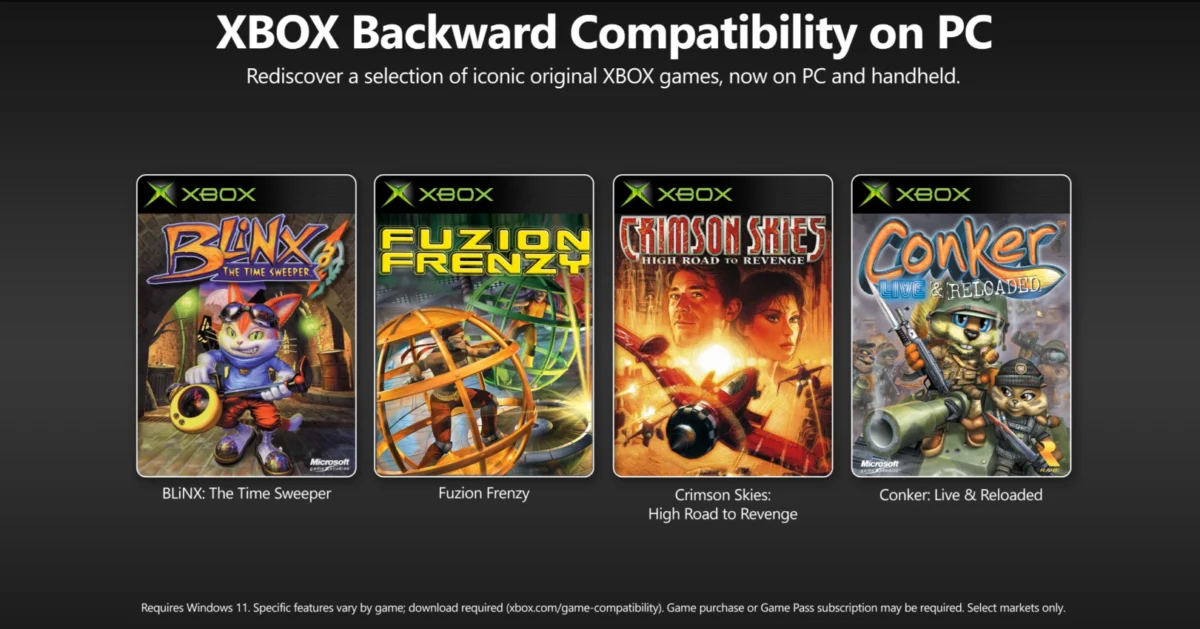
Microsoft has officially launched its highly anticipated Xbox Backward Compatibility program for PC, a significant move that allows PC gamers to legally play a curated selection of original Xbox era titles without the need for unofficial emulators or ports. This initiative underscores Microsoft’s growing commitment to preserving its gaming legacy, a strategy that runs counter to the prevailing industry trend of focusing solely on new releases. The program debuts with an initial offering of four beloved classics, enhanced with modern visual upgrades, promising to rekindle nostalgia for long-time fans and introduce a new generation of players to the foundational titles of the Xbox ecosystem.
A Strategic Pivot Towards Preservation
The video game industry has often been characterized by a relentless pursuit of the next big thing, with publishers frequently prioritizing the development of new intellectual properties and sequels over the maintenance and accessibility of older titles. However, Microsoft’s decision to bring backward compatibility to PC represents a strategic pivot, acknowledging the intrinsic value of its gaming heritage. This move aligns with a broader trend observed in the entertainment industry, where the resurrection and remastering of classic content are increasingly recognized as vital for both fan engagement and long-term brand sustainability.
The formal introduction of Xbox Backward Compatibility on PC was announced via an official post on Xbox Wire, the company’s dedicated news outlet. This marks a pivotal moment, as it provides PC players with a sanctioned and officially supported method to experience games that were once exclusive to the original Xbox console. Prior to this, PC enthusiasts seeking to play these titles often resorted to unofficial emulators, which could be technically challenging, legally ambiguous, and prone to performance issues.
The Inaugural Lineup and Accessibility
The inaugural wave of backward-compatible titles includes a diverse set of fan-favorite games:
- BLiNX: The Time Sweeper: A unique 3D platformer known for its innovative time-manipulation mechanics and charming protagonist.
- Conker: Live & Reloaded: A celebrated, albeit mature-themed, platformer that gained notoriety for its humor and technical prowess on the original Xbox.
- Crimson Skies: High Road to Revenge: A thrilling aerial combat game set in an alternate history 1930s, praised for its engaging story and arcade-style dogfighting.
- Fuzion Frenzy: A fast-paced, multiplayer party game that offered a variety of mini-games designed for competitive fun.
These titles are available for purchase individually through the Microsoft Store, or can be accessed directly by subscribers of all tiers of Xbox Game Pass for PC. Furthermore, users who own the digital licenses for these games on an Xbox console will also gain access on their PC through the Play Anywhere initiative, a program designed to allow seamless progression and ownership across both platforms for supported titles. This integrated approach aims to maximize accessibility and convenience for players, ensuring that their investment in these classic games is leveraged across their preferred gaming environments.
Enhancements Beyond Simple Porting
Microsoft’s approach to backward compatibility on PC extends beyond merely making old games playable. The company has invested in modernizing these classic titles with significant visual enhancements. Key improvements include:
- Resolution Upscaling: Games can now be rendered at up to four times their original resolution, offering a dramatically sharper and more detailed visual experience on modern displays. This is a crucial upgrade for games originally designed for lower-resolution televisions.
- VSync Support: The inclusion of Vertical Synchronization (VSync) helps to eliminate screen tearing, providing a smoother and more visually pleasing gameplay experience, especially in fast-paced action titles.
- Fullscreen and Windowed Modes: Players now have the flexibility to choose between immersive fullscreen gameplay or a more convenient windowed mode, catering to different user preferences and multitasking needs.
- Anisotropic Filtering and Anti-Aliasing: These advanced graphical techniques are implemented to improve texture clarity and reduce jagged edges, further enhancing the overall visual fidelity of the games.
These technical upgrades are designed to make the classic games look and play better on contemporary hardware without altering the core gameplay mechanics that defined their original appeal. Microsoft’s commitment to maintaining the integrity of the original experience while enhancing its presentation is a key differentiator of this program.
The Future of Game Preservation at Microsoft
While the initial launch features four titles, Microsoft has clearly indicated that this is merely the beginning of a larger, more ambitious game preservation effort. The company has stated its intention to progressively introduce more backward-compatible titles to the PC platform. This long-term vision suggests a significant investment in rediscovering and reintroducing the vast library of games that have been developed under the Xbox umbrella since its inception.
The success of this program could have far-reaching implications for the gaming industry. It sets a precedent for other platform holders and publishers to actively engage in the preservation of their back catalogs. For players, it means a more accessible and enriched experience of gaming history, allowing them to revisit cherished memories or discover influential titles that shaped the medium.
Broader Industry Context and Player Reception
The launch of Xbox Backward Compatibility on PC arrives at a time when the conversation around game preservation has gained considerable traction. Game preservation organizations and advocacy groups have long highlighted the risks of digital games becoming inaccessible due to evolving technology, changing business models, or the cessation of online services. Microsoft’s proactive approach, therefore, is being viewed by many as a positive step towards mitigating these risks for a significant portion of gaming history.
Early reactions from the gaming community have been largely positive, with many players expressing excitement at the prospect of legally playing their favorite Xbox classics on PC with modern enhancements. Social media platforms and gaming forums are abuzz with discussions about which titles players hope to see added to the program next. This enthusiastic reception underscores the strong demand for accessible retro gaming experiences.

The strategy also serves Microsoft’s broader ecosystem goals. By making classic Xbox games available on PC, the company strengthens its Game Pass offering, making it a more compelling value proposition for PC gamers. Furthermore, it reinforces the Xbox brand as a comprehensive gaming platform that spans across consoles, PCs, and cloud gaming, catering to a wide spectrum of player preferences.
Analysis of Implications
The introduction of Xbox Backward Compatibility to PC carries several significant implications:
- Reinforced Value of the Xbox Ecosystem: This initiative solidifies the Xbox brand’s commitment to its history and its players, transcending the typical console-centric view of backward compatibility. It broadens the appeal of Game Pass and the Xbox ecosystem to a larger PC audience.
- Industry Standard for Preservation: Microsoft’s successful implementation could encourage other major players in the industry to invest more heavily in their own game preservation efforts, potentially leading to a more robust and accessible library of classic games across all platforms.
- Economic Opportunities: The program opens new revenue streams for Microsoft through the sale of classic titles and Game Pass subscriptions. It also allows older, established games to find new life and audiences, potentially boosting sales for titles that might otherwise have remained dormant.
- Player Loyalty and Engagement: By providing access to beloved older games, Microsoft fosters deeper engagement with its player base, nurturing a sense of loyalty and appreciation for the brand’s legacy. This can translate into long-term player retention and advocacy.
- Technical Innovation: The development of sophisticated upscaling and enhancement technologies for older games could have spillover effects, informing future game development and remastering processes.
The inclusion of features like Achievements, which are slated to arrive in the coming months, further demonstrates Microsoft’s dedication to providing a comprehensive and modern gaming experience for these classic titles. The company’s focus on enhancing visual fidelity while preserving the original gameplay ensures that these games are not only playable but enjoyable for contemporary audiences.
As Microsoft continues to expand this program, the gaming world will be watching closely to see which other gems from the original Xbox era will be resurrected. The success of Xbox Backward Compatibility on PC is a testament to the enduring appeal of classic games and Microsoft’s strategic vision for embracing and celebrating its rich gaming heritage. This move is more than just a technical feat; it’s a cultural statement about the importance of preserving the history that has shaped the interactive entertainment landscape.