Tyo Susilo
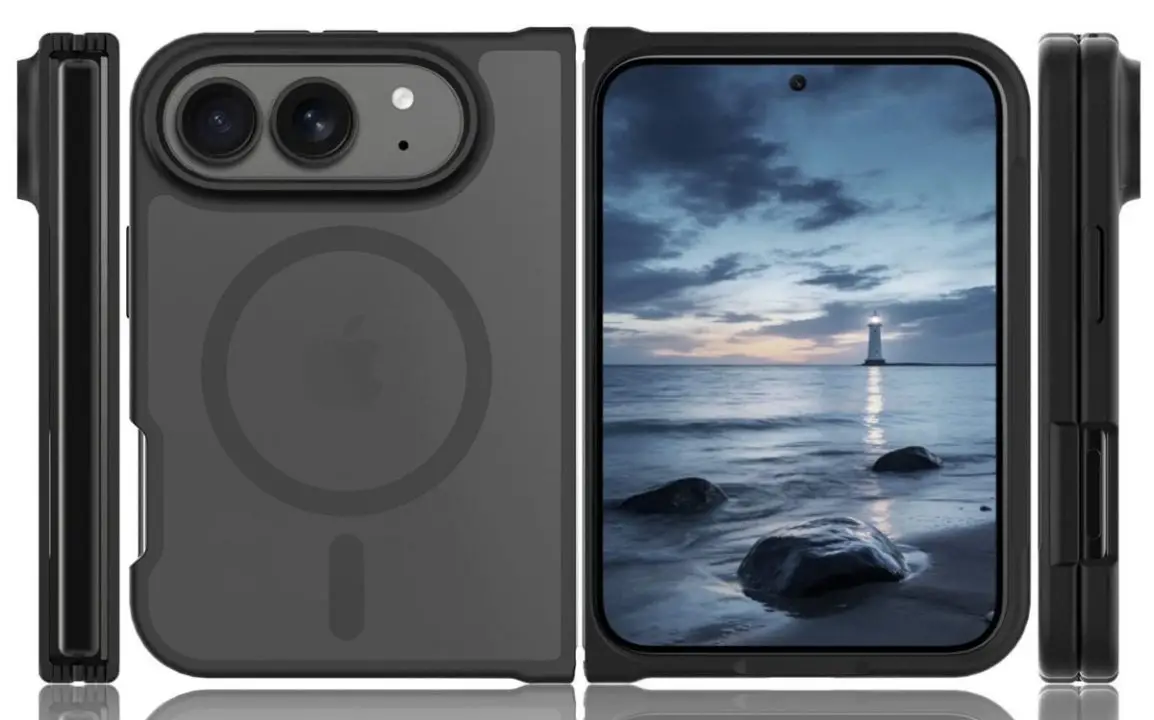
The highly anticipated iPhone Ultra, Apple’s purported first foldable smartphone, may be facing a significant delay in its market release due to ongoing production adjustments, according to recent industry reports. While Apple has yet to officially confirm the existence of the iPhone Ultra, a steady stream of leaks and rumors has painted a detailed picture of the device, sparking considerable excitement among tech enthusiasts and industry observers alike. The potential setback, reportedly stemming from challenges with the device’s hinge mechanism and the durability of its foldable display, raises questions about the timeline for its debut alongside the expected iPhone 18 Pro and iPhone 18 Pro Max.
The core of the reported production challenges lies within the intricate engineering required for a foldable device. Manufacturing a smartphone that can reliably fold and unfold thousands of times necessitates a robust and precisely engineered hinge. Industry sources suggest that Apple’s manufacturing partner, Foxconn, the Taiwanese giant responsible for assembling the vast majority of iPhones, is encountering difficulties in refining this critical component. Furthermore, ensuring the long-term integrity and resilience of the foldable screen under daily use presents another significant engineering hurdle. These issues are not uncommon in the nascent foldable smartphone market, where early iterations from competitors have also grappled with durability concerns and the complexities of mass production.
A Timeline of Rumors and Anticipation
The concept of an "iPhone Ultra" capable of folding has been circulating within the tech community for several years. Initial speculation pointed towards a device that would challenge established players in the foldable market, such as Samsung’s Galaxy Z Fold series. The alleged form factor of the iPhone Ultra has been described as similar to the Samsung Galaxy Z Fold8, suggesting a book-style foldable design where the device opens up to reveal a larger internal display. This design typically involves a slightly shorter, wider aspect ratio when unfolded, offering a more tablet-like experience.
Leaked specifications have further fueled the anticipation. The iPhone Ultra is rumored to house a dual-battery configuration, potentially totaling around 4,883 mAh, a capacity that would be crucial for powering a larger display and demanding internal components. The camera system is also a subject of speculation, with reports suggesting it will feature a dual-rear camera setup, a 18MP selfie camera, and a fingerprint sensor integrated into the side button – a departure from the Face ID sensors typically found on current iPhones. Under the hood, the device is expected to be powered by Apple’s latest custom silicon, potentially an A20 Pro chip, promising top-tier performance.

The initial expectation, based on persistent rumors, was that Apple would unveil the iPhone Ultra concurrently with the iPhone 18 Pro and iPhone 18 Pro Max, a traditional September product launch window. This would have marked a significant diversification of Apple’s iPhone lineup, introducing a premium foldable option to its existing flagship models. However, the latest reports of production snags cast doubt on this synchronized release strategy.
Understanding the Manufacturing Complexities
The challenges faced by Foxconn in producing the iPhone Ultra are emblematic of the broader complexities inherent in foldable smartphone manufacturing. Unlike traditional smartphones with rigid displays, foldable devices require innovative materials and sophisticated engineering to manage the stress and strain on the screen and hinge during repeated folding and unfolding.
The hinge mechanism is particularly critical. It must be robust enough to withstand tens of thousands of cycles, smooth in its operation, and integrated seamlessly into the device’s design without compromising its overall aesthetics or durability. Early foldable phones from various manufacturers have experienced issues ranging from hinge creaking and stiffness to outright failure, highlighting the difficulty in perfecting this component. Apple, known for its meticulous attention to detail and commitment to user experience, is likely pursuing a hinge design that meets its exacting standards, which may require more extensive testing and refinement.
The foldable display itself presents another set of challenges. These displays are typically made of ultra-thin glass (UTG) or advanced plastic polymers, which are more susceptible to scratches and creases than traditional smartphone screens. Apple’s approach to mitigating these issues, whether through a new type of protective layer, an improved screen coating, or a specific folding angle to minimize creasing, is likely a key area of ongoing development and testing.
Industry Context and Competitive Landscape

The foldable smartphone market, while still a niche segment, has seen significant growth and innovation in recent years. Samsung has been a dominant force, consistently iterating on its Galaxy Z Fold and Z Flip lines, establishing a strong market presence and refining the technology. Other manufacturers, including Google, Motorola, and various Chinese brands, have also entered the fray with their own foldable offerings, driving competition and pushing the boundaries of design and functionality.
Apple’s entry into this market is widely seen as a significant validation of the foldable concept. The company’s reputation for design excellence, robust software integration, and premium user experience could potentially elevate the foldable smartphone category further. However, entering a market where competitors have already established a foothold and faced initial challenges means Apple must deliver a product that not only meets but exceeds existing expectations, particularly in terms of durability and user satisfaction.
The reported production delays, while disappointing for eager consumers, could also be interpreted as a sign of Apple’s commitment to quality control. The company has a history of prioritizing product perfection over aggressive release schedules. If the manufacturing issues are indeed substantial, a delay might be a strategic decision to ensure the iPhone Ultra launches with a level of polish and reliability befitting the Apple brand. This approach is consistent with Apple’s strategy for other product categories, where meticulous development has often led to long-term market success.
Potential Implications of a Delayed Launch
A delay in the iPhone Ultra’s release could have several implications. Firstly, it might affect the perception of Apple’s readiness to innovate in emerging smartphone categories. While the company consistently leads in many aspects of smartphone technology, a delayed entry into the foldable space could be seen by some as a sign of caution or difficulty in adapting to new form factors.
Secondly, it could provide competitors with a further opportunity to solidify their market share and introduce their next-generation foldable devices. Samsung, for instance, is expected to continue its annual release cycle for the Galaxy Z Fold and Z Flip series, potentially launching new models before Apple’s foldable device reaches the market. This could mean that when the iPhone Ultra eventually arrives, it might face even more advanced and refined competition.
However, a delay could also allow Apple to learn from the experiences of its competitors and incorporate the latest advancements in foldable display technology and manufacturing processes. By observing the successes and failures of earlier foldable phones, Apple may be able to develop a more polished and durable product from the outset, potentially leapfrogging some of the issues that have plagued earlier generations of foldable devices.
The specific nature of the production adjustments at Foxconn remains unclear. Whether these are minor tweaks to the manufacturing line or more fundamental engineering challenges will determine the length of the potential delay. Industry analysts suggest that such adjustments can take anywhere from a few weeks to several months to resolve, depending on their complexity.
Looking Ahead: What to Expect
As of now, the official stance from Apple remains one of silence regarding the iPhone Ultra. The company is known for its strict control over product information, and details typically emerge only during official launch events. However, the persistent rumors, coupled with reports from supply chain sources, paint a compelling picture of a foldable iPhone in development.
The question of whether the iPhone Ultra will still be launched alongside the iPhone 18 Pro and iPhone 18 Pro Max remains open. If the production issues are resolved swiftly, a synchronized launch is still plausible. However, if the challenges prove more significant, Apple might opt for a staggered release, introducing the foldable device at a later date, perhaps in early 2027. This would allow the company to focus its resources on ensuring the successful launch of its traditional flagship models while continuing to refine the iPhone Ultra.
Ultimately, consumers eager for Apple’s foray into the foldable market will have to wait for official confirmation and further updates. The current situation underscores the inherent risks and complexities involved in pioneering new hardware categories, particularly those that push the boundaries of material science and manufacturing. Apple’s reputation for delivering high-quality, user-friendly products suggests that any delay in the iPhone Ultra’s release is likely a strategic move to ensure the device meets the company’s stringent standards before it reaches the hands of consumers. The exact timeline for this highly anticipated device remains one of the most closely watched developments in the smartphone industry.