Nila Kartika Wati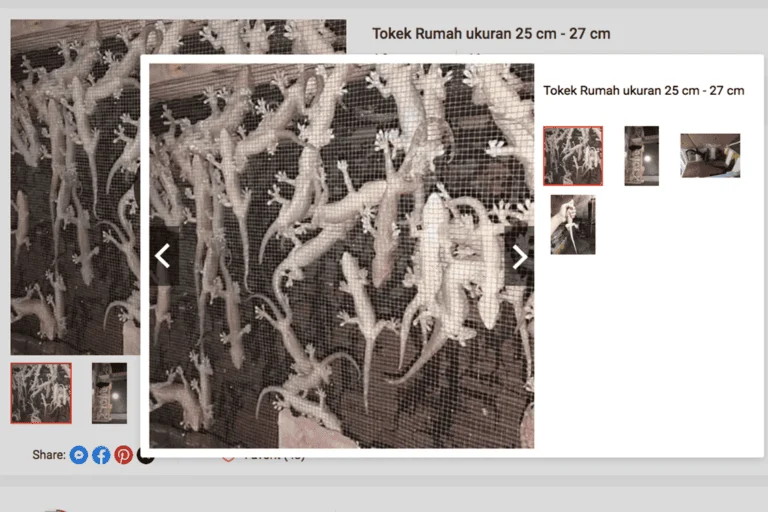
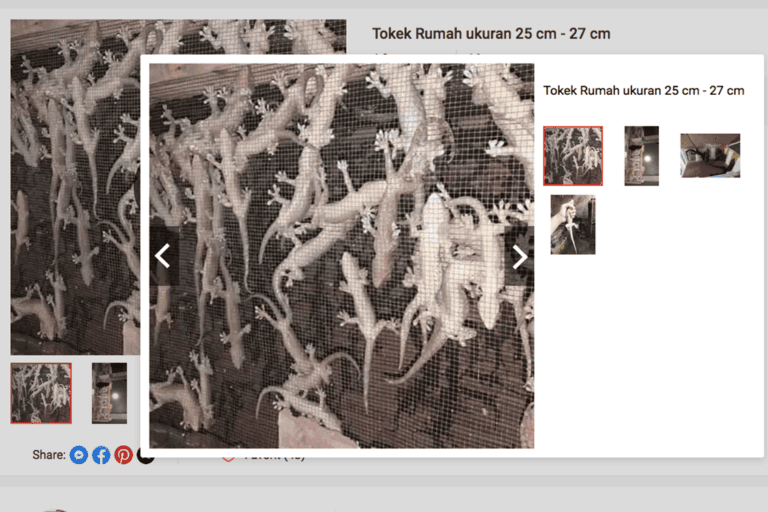
The house gecko, scientifically known as Gekko gecko, has transitioned from a common household inhabitant to a high-value commodity openly traded across Indonesia’s digital marketplaces. Recent investigations into major e-commerce platforms reveal a bustling trade where live specimens are offered for as little as Rp30,500 (approximately $2 USD) per head. Digital storefronts display significant inventories, with some individual sellers listing stocks of nearly 500 geckos and reporting high transaction volumes. These listings are frequently accompanied by bold, scientifically unverified claims regarding the animal’s medicinal properties, ranging from enhancing physical stamina and treating asthma to the controversial assertion that gecko consumption can aid in the treatment of cancer.
As this domestic and international trade flourishes, Indonesian authorities and conservationists are grappling with the complexities of managing a species that is neither endangered nor entirely free from the pressures of over-exploitation. The primary concern for regulators and the scientific community is the provenance of these animals—specifically, whether they are sourced from regulated captive breeding facilities or harvested directly from the wild. For a nation that serves as a primary global supplier of geckos, the answer involves a sophisticated framework of international treaties, national quotas, and rigorous biological assessments aimed at ensuring the species’ long-term survival in the wild.
The CITES Framework and Indonesia’s Regulatory Shift
The global landscape for the gecko trade underwent a significant transformation in 2019 during the 18th Conference of the Parties (CoP18) to the Convention on International Trade in Endangered Species of Wild Fauna and Flora (CITES). During this summit, the house gecko was officially listed under Appendix II. Amir Hamidy, a Research Professor in Biosystematics and Evolution at the National Research and Innovation Agency (BRIN), emphasizes that this classification does not categorize the gecko as a species currently threatened with extinction. Instead, Appendix II status mandates that international trade must be strictly controlled to prevent utilization that would be incompatible with their survival.
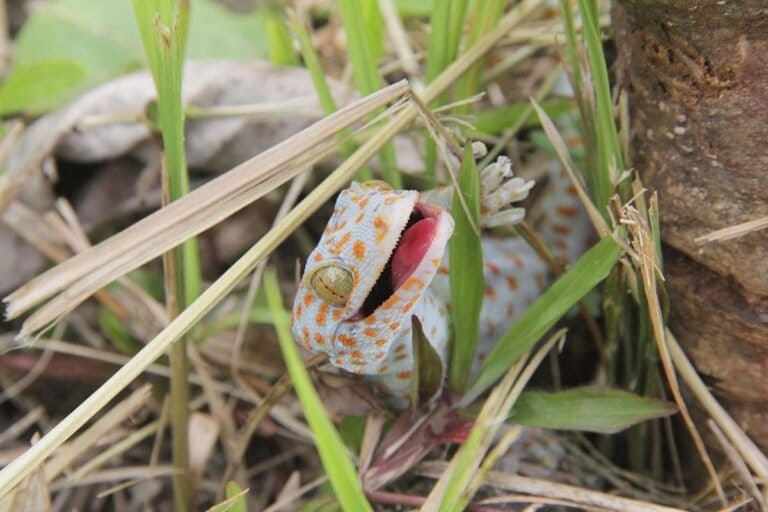
The inclusion of Gekko gecko in Appendix II was a response to the massive volumes of geckos being traded globally, primarily driven by demand from the Traditional Chinese Medicine (TCM) market. For Indonesia, this listing meant that every shipment destined for export must now be accompanied by a CITES permit, proving that the specimens were legally acquired and that their removal from the wild was not detrimental to the local population. To fulfill these international obligations, Indonesia is required to produce a Non-Detriment Finding (NDF)—a scientific study that evaluates the impact of harvest on the species’ ecological stability.
Understanding the 2026 Harvest Quotas
In alignment with these international standards, the Indonesian government has established clear boundaries for the legal harvest of house geckos. According to the Decree of the Director General of Conservation of Natural Resources and Ecosystems (KSDAE) Number 254 of 2025, the government has set the total national quota for the collection of house geckos from the wild at 2,509,362 individuals for the 2026 period. This massive figure highlights the sheer scale of the industry and its economic significance to rural communities across the archipelago.
The quota is strategically divided based on the intended use of the animals. The overwhelming majority of the allocation—2,487,750 geckos—is designated for the consumption market, specifically in the form of "dried geckos" or kering wayang. These are specimens that have been gutted, stretched on bamboo frames, and dried for use in traditional medicine or as food products. In contrast, a much smaller portion of the quota, totaling 21,612 geckos, is allocated for the live pet trade, where geckos are prized by hobbyists for their vibrant colors and distinctive vocalizations.
Geographically, the harvest quotas are distributed across provinces that have historically served as hubs for gecko collection and processing. East Java holds the largest share of the quota, with an allocation of 480,000 geckos, reflecting its status as a primary center for export logistics. Other significant allocations include Central Java (393,600), North Sulawesi (350,000), East Nusa Tenggara (244,550), and West Java (200,000). These regional figures are based on historical data of the trade and the estimated density of gecko populations in various habitats, from primary forests to suburban environments.
The Science of Sustainability: The 15-Centimeter Rule
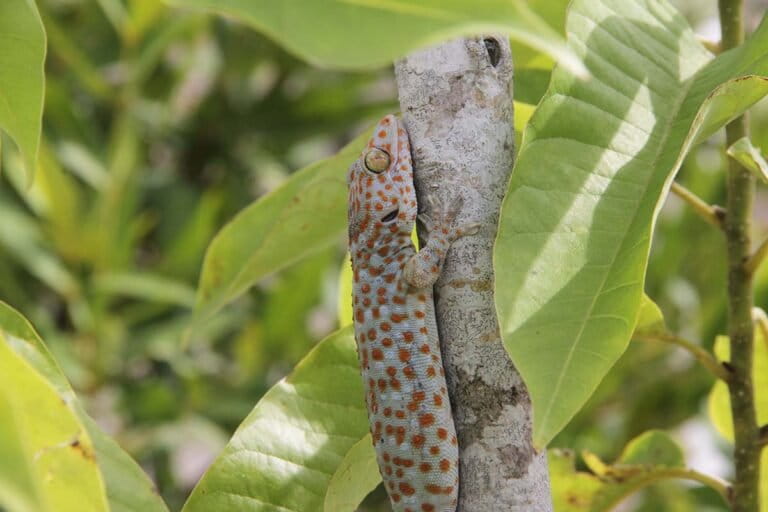
The sustainability of the gecko trade relies heavily on the biological characteristics of the species. Unlike larger reptiles or marine megafauna like sharks and rays, which often have slow reproductive cycles and few offspring, house geckos are relatively resilient. They reach sexual maturity quickly—often in less than a year—and are capable of frequent breeding. However, to prevent population crashes, the Indonesian government has implemented a minimum size requirement for all wild-caught geckos intended for the consumption trade.
Professor Amir Hamidy explains that the biological threshold for harvest is set at a Snout-Vent Length (SVL) of at least 15 centimeters, with a minimum chest width of 13 centimeters. This regulation is rooted in reproductive science; house geckos typically reach reproductive maturity when they are between 10 and 11 centimeters in length. By mandating a 15-centimeter harvest limit, the government ensures that every gecko taken from the wild has already had the opportunity to reproduce at least once, thereby contributing to the next generation and maintaining the population’s regenerative capacity.
"If they are caught at a size of 15 centimeters, it means they have already contributed to the population," Hamidy noted. "Anything below that size is legally protected from harvest." This "size-selective harvesting" strategy is a cornerstone of the NDF approved by the CITES forum and serves as Indonesia’s primary defense against the ecological risks of over-harvesting.
Cultural Drivers and the Myth of the Miracle Cure
The demand driving this multi-million dollar industry is deeply rooted in cultural traditions, particularly in East and Southeast Asia. In the context of Traditional Chinese Medicine, geckos—known as Ge Jie—have been used for centuries. They are believed to nourish the lungs and kidneys, and are commonly prescribed for chronic coughs, asthma, and impotence. The surge in online sales in Indonesia often mirrors these traditional beliefs, but they are frequently amplified by modern misinformation.
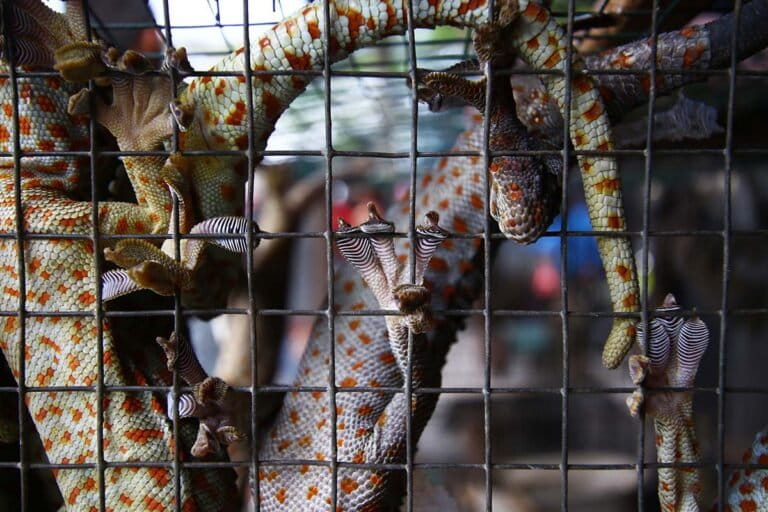
During the height of the COVID-19 pandemic, rumors circulated globally that gecko extracts could treat the virus, leading to a temporary spike in prices and demand. Similarly, the recurring myth that gecko enzymes can cure HIV/AIDS or cancer continues to fuel a lucrative black market. Health experts and the World Health Organization (WHO) have repeatedly clarified that there is no clinical evidence to support these claims. Nevertheless, the economic allure of the "miracle cure" persists, making it difficult for regulators to decouple the legitimate trade from opportunistic exploitation.
Enforcement Challenges in an Archipelago
While the scientific and regulatory framework appears robust on paper, the practical implementation of these rules presents a daunting challenge for Indonesian authorities. As the world’s largest archipelagic nation, Indonesia possesses thousands of potential exit points for illegal wildlife trade. The sheer volume of the legal trade provides a convenient "smoke screen" for illegal actors to smuggle undersized geckos or exceed their regional quotas.
Amir Hamidy acknowledges that monitoring the size of 2.5 million individual geckos is a logistical nightmare. "It is not easy to implement these size restrictions on the ground," he admitted. "Continuous socialization and education for business actors are essential to ensure that these rules are actually applied in the field." Furthermore, Indonesia faces regional competition and regulatory discrepancies. For instance, Thailand, another major player in the gecko trade, only fully began implementing CITES provisions in 2025 after previously holding a reservation against the listing. This regional shift may change market dynamics, potentially putting more pressure on Indonesian stocks.
The Need for Real-Time Population Data
A critical component of the NDF process is the reliance on accurate, up-to-date population surveys. Muhammad Fakhri Fauzan, a Terrestrial Ecology Specialist and doctoral candidate at IPB University, highlights the necessity of periodic monitoring to validate harvest quotas. Surveys conducted by BRIN and the Natural Resources Conservation Agency (BKSDA) have previously focused on areas like the Thousand Islands (Kepulauan Seribu), which were once hotspots for gecko collectors due to their high population densities.
"We need to conduct follow-up surveys to determine whether populations have declined after the implementation of harvest quotas," Fauzan stated. He warned that without modern data, the government’s quotas could lose their scientific basis, potentially leading to a situation where the harvest exceeds the environment’s carrying capacity. Science-based management requires a feedback loop where field observations directly inform the following year’s legal limits.
Broader Ecological and Economic Implications
The house gecko trade is a microcosm of the broader tension between economic development and biodiversity conservation. For many rural Indonesians, gecko hunting is a vital source of supplemental income. The industry supports a chain of collectors, middle-men, processors, and exporters. If the trade were to be banned, it could drive the industry underground, removing all oversight and potentially leading to a more rapid decline in the species.
Conversely, the ecological role of the house gecko cannot be overlooked. As opportunistic insectivores, they play a significant role in controlling populations of pests, including mosquitoes and moths, in both forest and human-dominated landscapes. A massive removal of these predators could have unforeseen ripple effects on local ecosystems and public health.
As Indonesia moves into 2026, the success of its gecko management plan will depend on three pillars: the integrity of the scientific data provided by institutions like BRIN, the effectiveness of the BKSDA in monitoring regional harvests, and the willingness of the private sector to adhere to the 15-centimeter rule. While the house gecko remains a species of "Least Concern" on the IUCN Red List, the intensity of the trade necessitates a vigilant, science-first approach to ensure that the "tock-ay" sound remains a common feature of the Indonesian nights for generations to come.