Tyo Susilo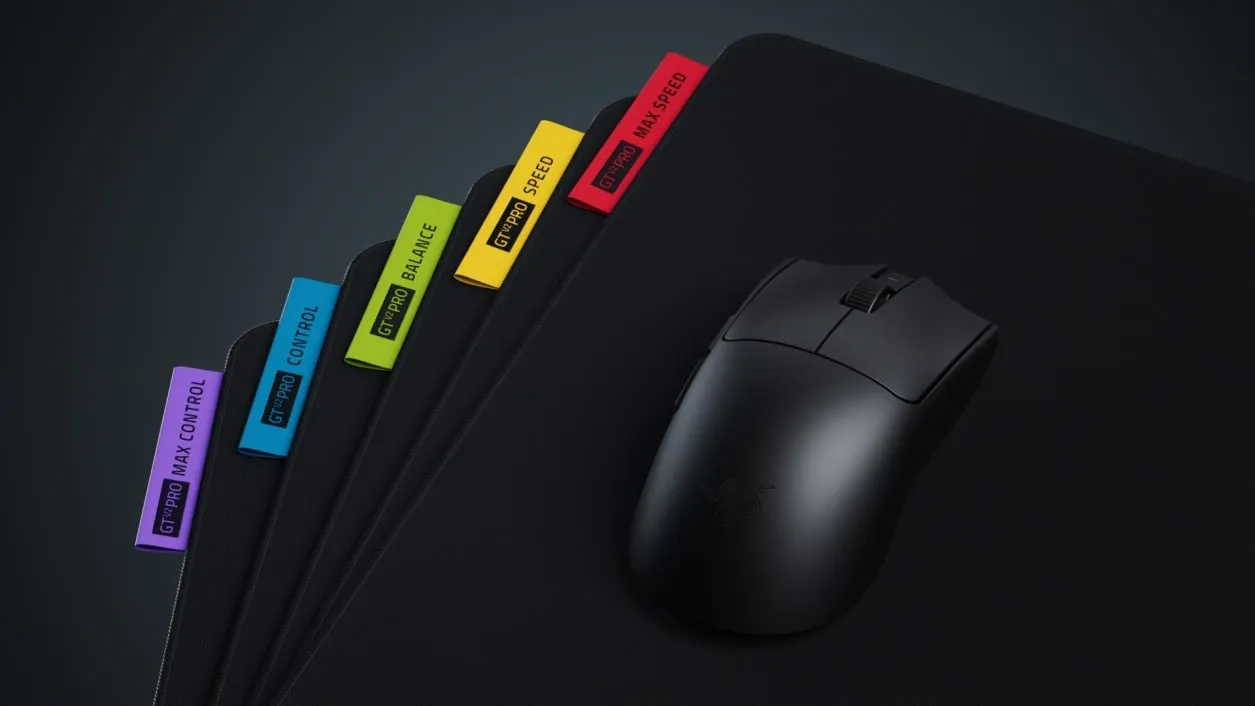
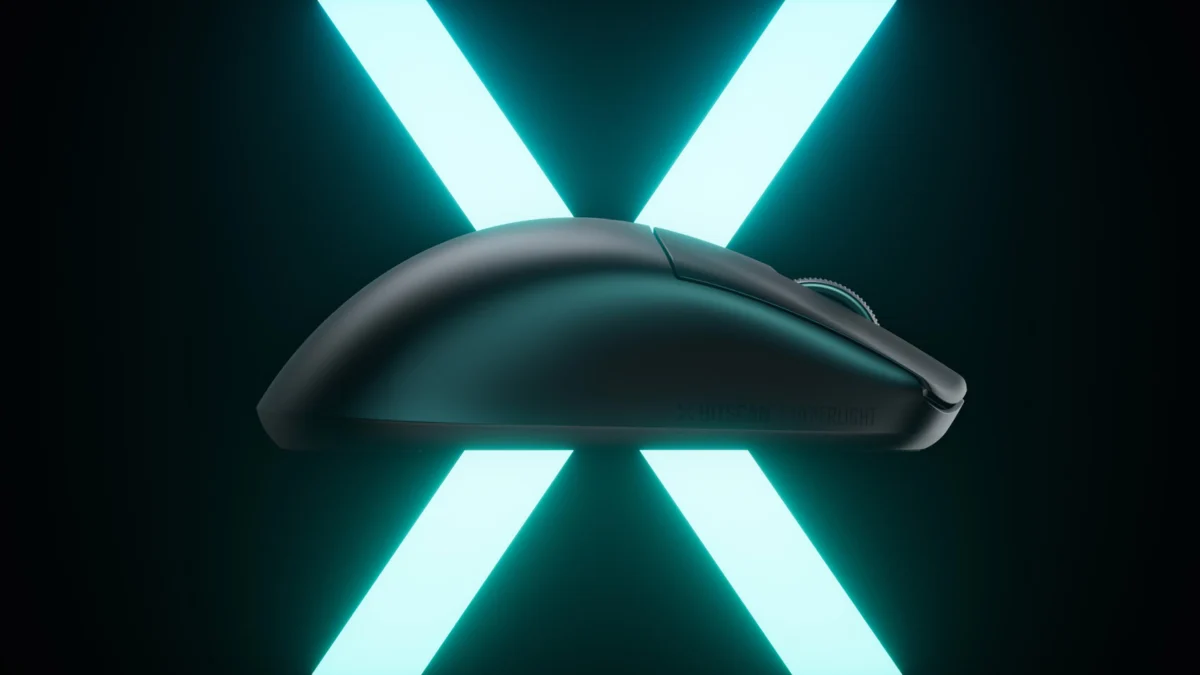
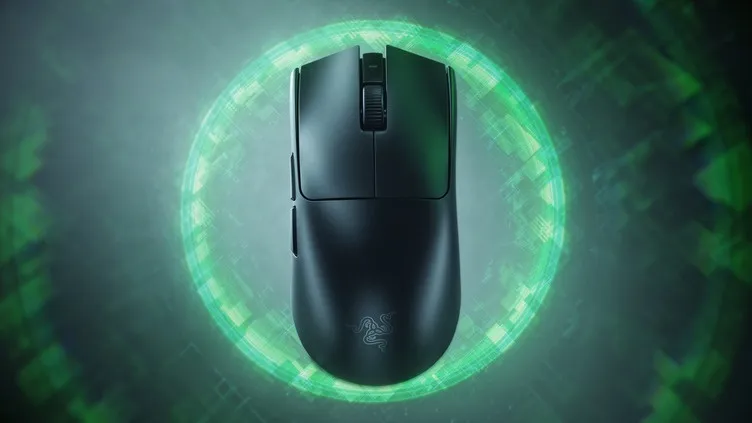
Razer, a global leader in lifestyle for gamers, has officially unveiled its latest flagship gaming mouse, the Viper V4 Pro, meticulously engineered to meet the demanding standards of professional esports athletes. This successor to the highly acclaimed Viper V3 Pro introduces a groundbreaking new optical sensor, the Focus Pro Gen 3, pushing the boundaries of precision and responsiveness with an astonishing 50,000 DPI, an industry-leading 930 IPS tracking speed, and a formidable 90G acceleration.
The introduction of the Viper V4 Pro marks a significant advancement in Razer’s commitment to providing competitive gamers with tools that offer an unparalleled edge. In the hyper-competitive world of esports, where milliseconds and pixel-perfect accuracy can determine victory or defeat, the technological leaps embodied by the Viper V4 Pro are not merely incremental upgrades but represent a strategic move to solidify Razer’s position at the forefront of gaming peripheral innovation. The development cycle for such a high-performance peripheral likely involved extensive research and development, including partnerships with professional esports teams and individual players to fine-tune its capabilities based on real-world competitive scenarios.
Revolutionizing Precision with the Focus Pro Gen 3 Sensor
At the heart of the Viper V4 Pro lies the revolutionary Focus Pro Gen 3 optical sensor. This cutting-edge sensor boasts a maximum sensitivity of 50,000 DPI, a figure that significantly surpasses most current market offerings and provides an extraordinary level of granular control for gamers. For context, the standard DPI for most gaming mice hovers between 800 and 1600 DPI, with high-end models reaching up to 20,000 DPI. The jump to 50,000 DPI allows for incredibly swift cursor movements across large displays or for users who prefer extremely low sensitivity settings, translating to minute adjustments with physical mouse movement.
Complementing the immense DPI capability is the sensor’s remarkable tracking speed of 930 IPS (inches per second). This metric indicates the maximum speed at which the mouse can accurately track movement without losing its position. For fast-paced esports titles like first-person shooters or real-time strategy games, where rapid flick shots and quick turns are commonplace, a high IPS rating ensures that every movement is registered precisely. Furthermore, the 90G acceleration capability allows the sensor to accurately interpret rapid changes in direction, preventing any choppiness or inaccuracy during aggressive maneuvers.
Beyond raw specifications, the Focus Pro Gen 3 sensor incorporates advanced technologies designed to minimize latency and optimize performance. Notably, the inclusion of Frame Sync technology is a critical development. Frame Sync synchronizes the sensor’s data output with the mouse’s polling rate intervals. This synchronization dramatically reduces processing delay, ensuring that the information sent to the computer is as immediate as possible. In competitive gaming, this reduction in latency translates directly to quicker reaction times, allowing players to execute actions with a greater sense of immediacy and responsiveness.
Unparalleled Customization and Connectivity
The Viper V4 Pro doesn’t just excel in sensor technology; it also offers a comprehensive suite of software-driven customization options, empowering users to tailor the mouse’s behavior to their unique preferences and playstyles. These features include:
- Dynamic Sensitivity: This allows for on-the-fly adjustments to DPI settings, enabling players to seamlessly switch between precision aiming and rapid target acquisition.
- Mouse Rotation: While less common, this feature could offer unique control schemes or accessibility options by allowing for the remapping of directional inputs.
- 1 DPI Step Adjustments: Granular control over DPI settings ensures that users can find their perfect sensitivity down to the finest increment.
- Sensitivity Matcher: This tool is invaluable for players transitioning between different mice or games, allowing them to match the sensitivity of their new mouse to their existing setup.
- 26 Levels of Asymmetric Cut-Off: Asymmetric Lift-Off Distance (LoD) allows users to set different heights at which the sensor stops tracking when the mouse is lifted. This feature is crucial for players who frequently lift their mouse during gameplay, preventing unwanted cursor movement. The extensive 26 levels offer exceptional fine-tuning for this critical setting.
- Smart Tracking: This intelligent feature likely optimizes tracking performance across various surfaces and conditions, ensuring consistent accuracy.
In terms of connectivity, the Viper V4 Pro embraces Razer’s cutting-edge HyperSpeed Wireless technology, now in its second generation. This wireless solution is renowned for its low latency, often rivaling that of wired connections. Crucially, it supports an astounding 8,000 Hz polling rate, available in both wired and wireless modes. A higher polling rate means the mouse reports its position to the computer more frequently per second, leading to smoother cursor movement and reduced input lag. At 8,000 Hz, the mouse reports its position 8,000 times per second, a significant increase from the standard 1,000 Hz found on most gaming mice.
Razer claims that this combination of advanced sensor and connectivity technologies allows the Viper V4 Pro to achieve click latency as low as 0.204 milliseconds and motion latency as low as 0.36 milliseconds. These figures represent some of the lowest reported latencies in the gaming mouse market, providing a tangible advantage in competitive scenarios where split-second decisions are paramount.
Furthermore, the battery life on the Viper V4 Pro is impressive, offering up to 180 hours of use at a 1,000 Hz polling rate. While the polling rate can be increased, this typically impacts battery life, meaning users will need to manage their settings based on their priorities for wireless uptime versus absolute lowest latency.
Featherlight Design and Enduring Durability
Weight is a critical factor for many professional gamers, and Razer has made significant strides in reducing the Viper V4 Pro’s mass. Weighing in at just 49 grams for the black variant and 50 grams for the white variant, the Viper V4 Pro is approximately 9% lighter than its predecessor. This reduction in weight was achieved through meticulous internal redesign, including a more compact PCB layout and refinements to the mouse’s shell structure. A lighter mouse can reduce fatigue during long gaming sessions and allow for quicker, more fluid movements.
Despite its lightweight construction, the Viper V4 Pro is built to withstand the rigors of professional gaming. Its optical switches are rated for an impressive 100 million clicks, ensuring long-term durability and reliable performance even under intense usage. This durability is essential for professional gamers who rely on their equipment for countless hours of practice and competition.

Complementary Peripheral: The Gigantus V2 Pro Mouse Mat
Accompanying the launch of the Viper V4 Pro is the Razer Gigantus V2 Pro mouse mat. This isn’t just any mouse mat; it’s designed to complement the high-performance capabilities of the new mouse. The Gigantus V2 Pro is available in five distinct surface variants: Max Control, Control, Balance, Speed, and Max Speed. Each variant features a unique texture and pattern, meticulously engineered to cater to different player preferences and playstyles. Whether a gamer prioritizes precise stopping power for tactical aiming or swift glide for rapid flick shots, there’s a Gigantus V2 Pro surface to match their needs. This strategic pairing of a high-performance mouse with a customizable mouse mat underscores Razer’s holistic approach to optimizing the gaming experience.
Pricing and Availability
The Razer Viper V4 Pro is positioned as a premium peripheral, retailing for USD 159 (approximately Rp2.6 million in Indonesian Rupiah). The Razer Gigantus V2 Pro mouse mat is priced at USD 50 (approximately Rp840,000 in Indonesian Rupiah). The availability of these products in specific regions, including Indonesia, will be a key factor for consumers eager to get their hands on this advanced gaming gear.
Broader Impact and Implications for Esports
The launch of the Razer Viper V4 Pro with its advanced Focus Pro Gen 3 sensor and 8,000 Hz polling rate signifies a continued push towards ultra-low latency and hyper-responsiveness in gaming peripherals. For the esports industry, this means that the technological ceiling for player performance, as influenced by hardware, continues to rise. Professional players and teams will likely scrutinize these specifications closely, potentially leading to a new wave of hardware adoption and strategic considerations in competitive play.
The availability of such precise and responsive tools can also serve as an inspiration and attainable goal for aspiring gamers. As top-tier equipment becomes more accessible, the gap between amateur and professional play, in terms of hardware capabilities, narrows, allowing talent and dedication to shine even brighter. The emphasis on customizable software features also highlights the growing importance of personalized gaming setups, where players can fine-tune every aspect of their peripherals to achieve optimal comfort and performance.
The development of mice like the Viper V4 Pro is a testament to the symbiotic relationship between peripheral manufacturers and the esports community. Continuous feedback, rigorous testing, and a shared pursuit of excellence drive innovation that ultimately benefits all gamers, from the professional circuit to the casual enthusiast. As the esports landscape continues to evolve at a rapid pace, the technology powering the players’ interactions with the virtual world will undoubtedly continue to advance, with Razer consistently aiming to be at the vanguard of these developments. The question remains how these advancements will translate into measurable performance gains in diverse esports titles and for a wide spectrum of players.