Chalifah Fatihah
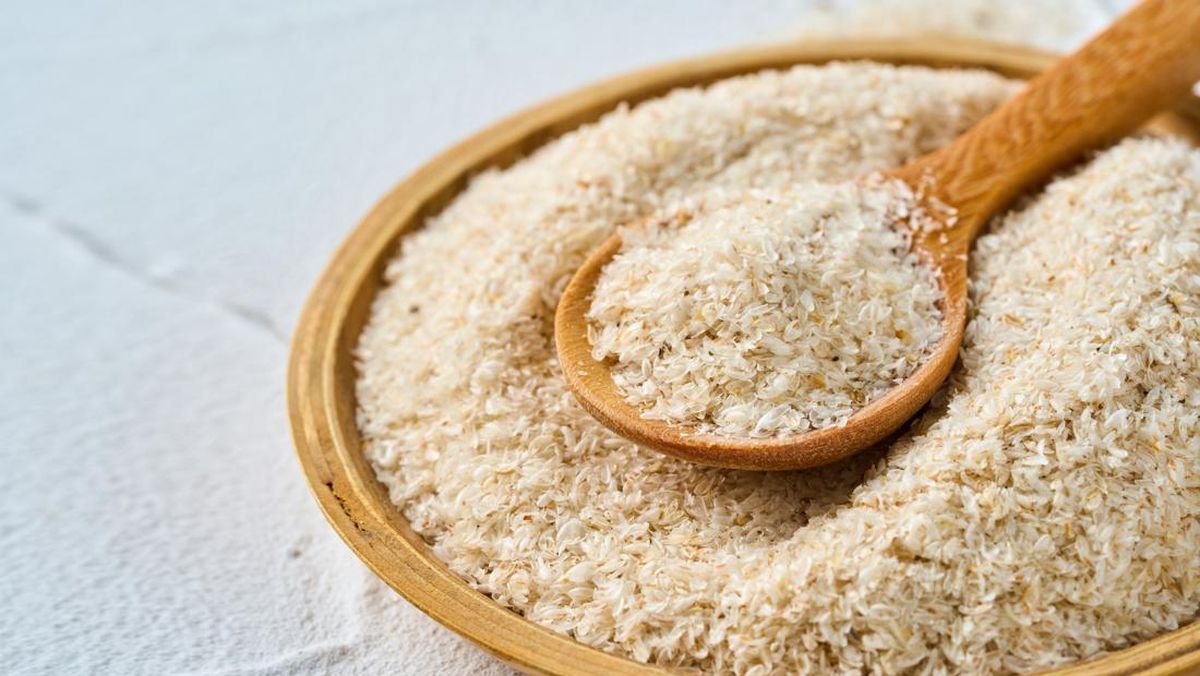
Psyllium husk, a soluble fiber derived from the seeds of the Plantago ovata plant, has gained significant traction in the wellness community for its multifaceted health benefits. Primarily recognized for its efficacy in promoting digestive regularity, managing cholesterol levels, and aiding in blood sugar control, psyllium husk offers a convenient way to augment daily fiber intake. However, the optimal utilization of this natural supplement hinges on understanding the correct methods of consumption and timing. Its unique ability to absorb water and form a gel within the digestive tract necessitates a precise approach to maximize its benefits while ensuring safety. This comprehensive guide, drawing upon scientific understanding and expert recommendations, outlines the recommended practices for incorporating psyllium husk into one’s diet.
The Growing Prominence of Psyllium Husk
The increasing awareness of the crucial role dietary fiber plays in overall health has propelled psyllium husk into the spotlight. In an era where processed foods often lead to a deficit in essential nutrients, psyllium husk presents a readily available solution. Its versatility allows it to be integrated into various dietary regimens, appealing to a broad spectrum of individuals seeking to improve their well-being. From individuals experiencing occasional digestive discomfort to those proactively managing chronic conditions like hypercholesterolemia and type 2 diabetes, psyllium husk has emerged as a popular and accessible dietary supplement.
Understanding the Mechanism of Action
The efficacy of psyllium husk lies in its high soluble fiber content. When consumed with water, psyllium husk absorbs a significant amount of liquid, swelling to form a viscous gel. This gel plays a crucial role in several bodily functions:
- Digestive Health: The gel lubricates the intestinal tract, facilitating the smooth passage of stool and preventing constipation. It also acts as a prebiotic, feeding beneficial gut bacteria, which can contribute to a healthier gut microbiome. Furthermore, by adding bulk to the stool, it can be beneficial in managing both constipation and diarrhea.
- Cholesterol Management: Soluble fiber, like that found in psyllium husk, can bind to bile acids in the digestive system. Bile acids are produced by the liver from cholesterol. By binding to these acids, psyllium husk helps in their excretion from the body. Consequently, the liver must draw upon existing cholesterol in the bloodstream to produce more bile acids, thereby lowering LDL ("bad") cholesterol levels. Studies have shown that regular psyllium husk consumption can lead to a reduction in total cholesterol and LDL cholesterol, with some meta-analyses indicating reductions of up to 10% in LDL cholesterol.
- Blood Sugar Regulation: The gel-forming property of psyllium husk can slow down the absorption of glucose into the bloodstream after meals. This helps to prevent sharp spikes and subsequent crashes in blood sugar levels, making it a valuable adjunct for individuals managing type 2 diabetes or those at risk. The American Diabetes Association acknowledges the role of soluble fiber in improving glycemic control.
Recommended Methods of Consumption
To harness the full potential of psyllium husk while mitigating any potential risks, adherence to specific consumption guidelines is paramount.
1. Mixing with Liquids: The Primary Approach
The most widely recommended and effective method for consuming psyllium husk is by thoroughly mixing it with a sufficient quantity of liquid. This applies to both powdered and whole husk forms.
Standard Dosage and Preparation:
A common starting point is approximately one teaspoon of psyllium powder or one tablespoon of whole psyllium husk. This should be combined with a minimum of 240 to 300 milliliters (approximately 8-10 fluid ounces) of water – equivalent to a full glass. It is crucial to stir the mixture rapidly and consume it promptly before the psyllium husk begins to gel significantly. The rapid absorption of water causes the mixture to thicken into a gel-like consistency within minutes.
The Importance of Hydration:
Following the initial consumption of the psyllium mixture, it is highly advisable to drink another full glass of water. This additional hydration is essential to ensure the fiber moves effectively through the digestive tract, preventing any potential blockage or discomfort. The presence of ample water aids in the gel’s smooth passage and promotes optimal fiber function.
Beverage Choices:
While water is the preferred vehicle, unsweetened juices can also be utilized. However, it is important to avoid carbonated beverages or those with high sugar content, as these can potentially counteract the health benefits or lead to undesirable side effects. The goal is to facilitate the fiber’s action, not to introduce unnecessary sugars or gases.
2. Incorporating into Food: An Alternative Method
For individuals who find the gel-like texture of psyllium mixed with water unappealing, incorporating it into soft foods offers a viable alternative.
Suitable Food Pairings:
Psyllium husk can be effectively blended into:
- Yogurt: A simple and common method, adding psyllium to yogurt can mask its texture while delivering its benefits.
- Smoothies: Blending psyllium husk into fruit or vegetable smoothies is another excellent way to consume it discreetly.
- Oatmeal or Porridge: Stirring psyllium into cooked oatmeal or other porridges allows it to absorb liquid and integrate seamlessly into the meal.
- Baked Goods: Psyllium husk is a popular ingredient in gluten-free baking. Its binding properties help to improve the elasticity and structure of gluten-free doughs, preventing them from crumbling easily. It can be added to recipes for bread, muffins, and cookies.
Continued Hydration is Key:
Regardless of whether psyllium husk is consumed in liquid or food form, maintaining adequate fluid intake throughout the day remains critical. This ensures that the psyllium can perform its intended functions without causing digestive issues. Sufficient water intake is the cornerstone of effective psyllium husk utilization.
Crucial Safety Precautions
The inherent properties of psyllium husk necessitate strict adherence to safety guidelines to prevent adverse events.
Do Not Consume Dry Psyllium Husk
Under no circumstances should psyllium husk be ingested in its dry form without adequate liquid. The remarkable water-absorbing capacity of psyllium means it can swell rapidly before reaching the stomach. This expansion in the esophagus can lead to choking or, in severe cases, esophageal obstruction. Individuals with pre-existing swallowing difficulties or a history of esophageal narrowing should exercise extreme caution and consult a healthcare professional before using psyllium husk.
Determining Safe Dosage
Starting with a low dose is crucial to allow the body to adjust to the increased fiber intake.
Initial Dosing:
A common and recommended starting dose is ½ to 1 teaspoon (approximately 2.5 to 5 grams) of psyllium husk per day. This initial dosage should be maintained for about a week.
Gradual Increase:
After the initial adaptation period, the dosage can be gradually increased if needed and tolerated. For maintenance purposes, a daily intake of 5 to 10 grams is typically recommended. This can be divided into one to three doses throughout the day, depending on individual needs and tolerance.
Variations in Formulations:
It is important to note that the density of psyllium husk can vary between whole husks and finely ground powders. Finely powdered psyllium may be more concentrated, meaning a smaller volume might be equivalent to a larger volume of whole husk. Always refer to product-specific instructions for accurate dosing.
Ongoing Hydration:
Consistent and increased water intake throughout the day is strongly advised for anyone regularly consuming psyllium husk. This supports the fiber’s function and prevents dehydration.
Consultation with Healthcare Professionals:
Before incorporating psyllium husk into a regular dietary regimen, particularly for individuals with pre-existing medical conditions, consulting with a healthcare provider or a registered dietitian is highly recommended. They can provide personalized advice based on individual health needs and potential interactions with medications.
Broader Health Implications and Future Outlook
The widespread adoption of psyllium husk as a dietary supplement underscores a growing societal interest in natural approaches to health management. Its ability to address multiple health concerns—from digestive regularity to cardiovascular health and metabolic control—positions it as a valuable tool in preventative healthcare.
Supporting Data and Research:
Numerous scientific studies have substantiated the benefits of psyllium husk. For instance, a meta-analysis published in the American Journal of Clinical Nutrition reviewed several trials and concluded that psyllium supplementation significantly lowered LDL cholesterol levels in hypercholesterolemic individuals. Similarly, research in the Journal of the American College of Nutrition has highlighted its positive impact on glycemic control in patients with type 2 diabetes.
Potential for Public Health Initiatives:
Given its accessibility and proven efficacy, psyllium husk could potentially play a role in public health initiatives aimed at increasing fiber intake and combating lifestyle-related diseases. Educational campaigns focusing on its correct usage and benefits could empower individuals to make informed dietary choices.
Challenges and Considerations:
Despite its benefits, challenges remain. Misinformation regarding dosage and consumption methods can lead to ineffective use or adverse effects. Ensuring clear, accessible, and scientifically accurate information is crucial for widespread safe adoption. Furthermore, accessibility and affordability can be factors for certain populations.
Conclusion:
Psyllium husk stands as a testament to the power of natural dietary interventions for enhancing health and well-being. When consumed correctly, with adequate hydration and appropriate dosage, it offers a practical and effective means to improve digestive function, manage cholesterol levels, and contribute to better blood sugar control. By understanding and adhering to these guidelines, individuals can safely unlock the full spectrum of benefits that this remarkable soluble fiber has to offer, integrating it as a cornerstone of a healthy lifestyle. As research continues to explore the intricate connections between diet and health, psyllium husk is poised to remain a significant player in the pursuit of optimal wellness.