Chalifah Fatihah
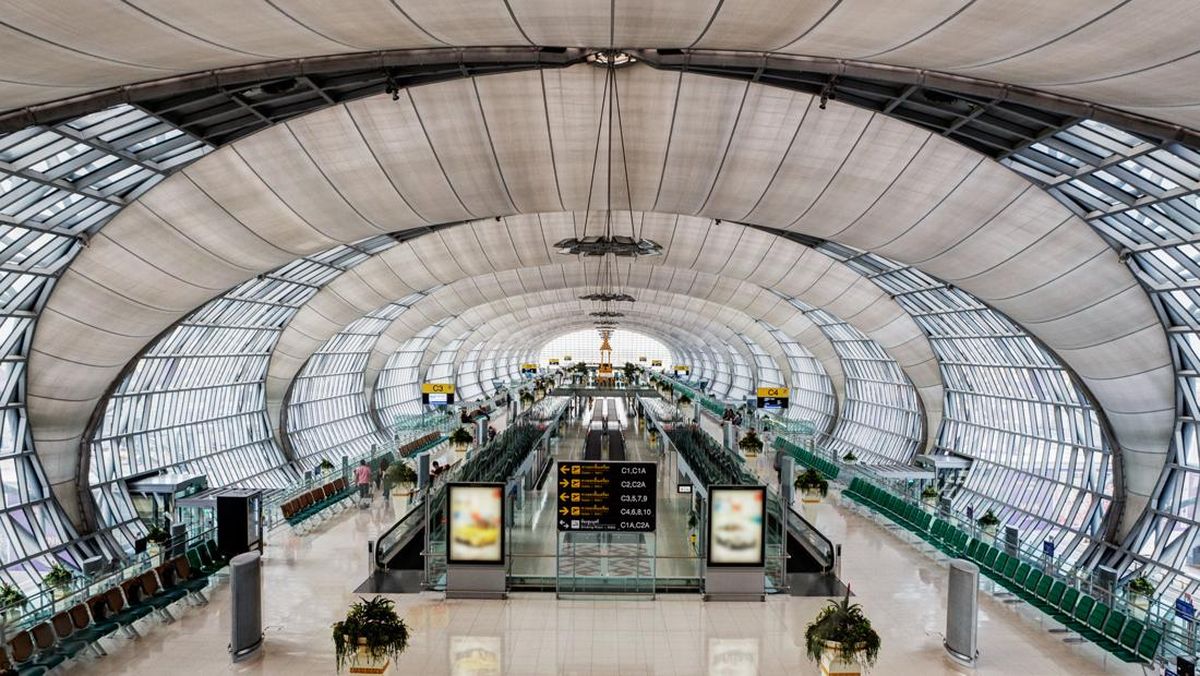
A traveler from the United States has captured global attention after spending an unexpected ten days within the transit area of Suvarnabhumi International Airport in Bangkok, Thailand. The prolonged stay, documented through social media, stemmed from an inability to proceed with his journey, a situation he attributed to escalating flight prices exacerbated by ongoing geopolitical conflicts in the Middle East.
The traveler, who documented his experience on Instagram under the handle @rastagraphy, shared his daily routine within the airport’s transit zone. His posts depicted activities such as watching movies, reading books, and resting as he awaited a resolution to his predicament. The narrative he presented highlighted the financial strain caused by the surge in airfares, which reportedly made it impossible for him to afford a new ticket to continue his travels.
According to reports from Channel 3 Thailand, the American national had initially requested that the airline responsible for his journey cover the costs of a new ticket. He maintained his presence in the airport’s transit area, emphasizing his commitment to remaining until a viable solution was reached. This situation, while garnering significant online attention and sympathy from netizens, also prompted official statements from Thai immigration authorities to clarify the sequence of events and the regulatory framework governing such incidents.
Chronology of the Airport Stay
The Bureau of Immigration in Thailand has provided a detailed timeline of the events:
- March 15, 2026: The traveler arrived at Suvarnabhumi International Airport from Singapore. However, his entry into Thailand was denied. Immigration officials cited that the traveler did not meet the standard entry requirements for tourists. This initial denial set the stage for the subsequent prolonged stay.
- Airline Responsibility: Under international aviation and immigration regulations, the airline that transports a passenger who is subsequently denied entry bears the responsibility for the passenger’s return journey or onward travel arrangements. This is a standard protocol designed to prevent individuals from becoming stranded without proper documentation or financial means.
- Financial Constraints and Transit: The traveler stated that he was unable to immediately purchase a new ticket due to financial difficulties. Consequently, he remained in the transit area under the supervision of the airline that brought him to Bangkok. During this period, the airline was obligated to manage his accommodation and travel arrangements within the airport environment.
- March 21, 2026: After a period of negotiation and arrangement, the traveler finally departed from Thailand. The specifics of the travel arrangements, including the new flight and its destination, were facilitated by the airline, bringing an end to his ten-day stay in the transit zone.
The Thai immigration authorities emphasized that their role in the process concluded with the initial denial of entry. All subsequent logistical arrangements, including accommodation within the transit area and the eventual departure, fell under the purview and responsibility of the airline. This distinction is crucial in understanding the legal and operational framework of international travel.
Official Statements and Public Awareness
While the traveler’s story resonated with many online, particularly those who have experienced travel disruptions, Thai authorities have urged the public to exercise caution and verify information shared on social media. Reports, such as those cited by VN Express, indicate that officials are concerned about the potential for sensationalized content that might be crafted primarily to elicit sympathy or boost social media engagement. This cautious approach aims to maintain transparency and prevent the spread of misinformation, especially concerning immigration policies and procedures.
The incident serves as a reminder of the complexities of international travel and the potential challenges travelers may face. The surge in flight prices, as cited by the traveler, is a real phenomenon influenced by various global factors, including but not limited to, geopolitical events, demand fluctuations, and airline operational costs. The conflict in the Middle East, for instance, has been reported to cause significant disruptions in air traffic, leading to rerouting, increased fuel costs, and consequently, higher ticket prices. According to aviation industry analysts, such disruptions can lead to a 10-30% increase in airfares on affected routes, impacting long-haul travel significantly.
Broader Context: Traveler Entry Denials in Thailand
This case is not an isolated incident of foreign travelers facing entry denials in Thailand. The country, a popular tourist destination, has its own set of regulations and requirements for entry. In December of the previous year, a similar situation occurred when a 23-year-old European tourist was denied entry at Don Mueang Airport. The reason cited for that denial was an insufficient amount of funds to cover the duration of his intended stay, highlighting the importance of travelers adhering to the financial requirements stipulated by immigration authorities.
Thailand, like many countries, mandates that visitors possess adequate financial resources to support themselves during their stay. This is a standard measure to ensure that tourists do not become a burden on the state or engage in activities that could compromise their legal status. While specific amounts can vary, generally, travelers are expected to demonstrate sufficient funds, often through bank statements or cash, to cover daily expenses and accommodation. The exact amount can be subject to change and is often not publicly disclosed in granular detail, but it is a critical factor considered by immigration officers.
The implications of such entry denials extend beyond the individual traveler. They can lead to significant logistical and financial burdens for airlines, as seen in this case where the airline was responsible for the traveler’s onward journey. For the destination country, frequent entry denials can also impact tourism figures and the perception of the country as a welcoming destination. Authorities often balance stringent entry requirements with the desire to attract tourism, seeking to ensure the safety and integrity of their borders while facilitating legitimate travel.
The role of social media in amplifying such stories cannot be understated. While it provides a platform for individuals to share their experiences and seek support, it also necessitates a critical approach from the public. Verifying information through official channels remains paramount, especially when dealing with sensitive issues like immigration and travel regulations. The incident involving the American tourist at Suvarnabhumi Airport, while a compelling personal narrative, also serves as a case study in the intersection of individual travel challenges, airline responsibilities, and national immigration policies in a globally interconnected world.