Tyo Susilo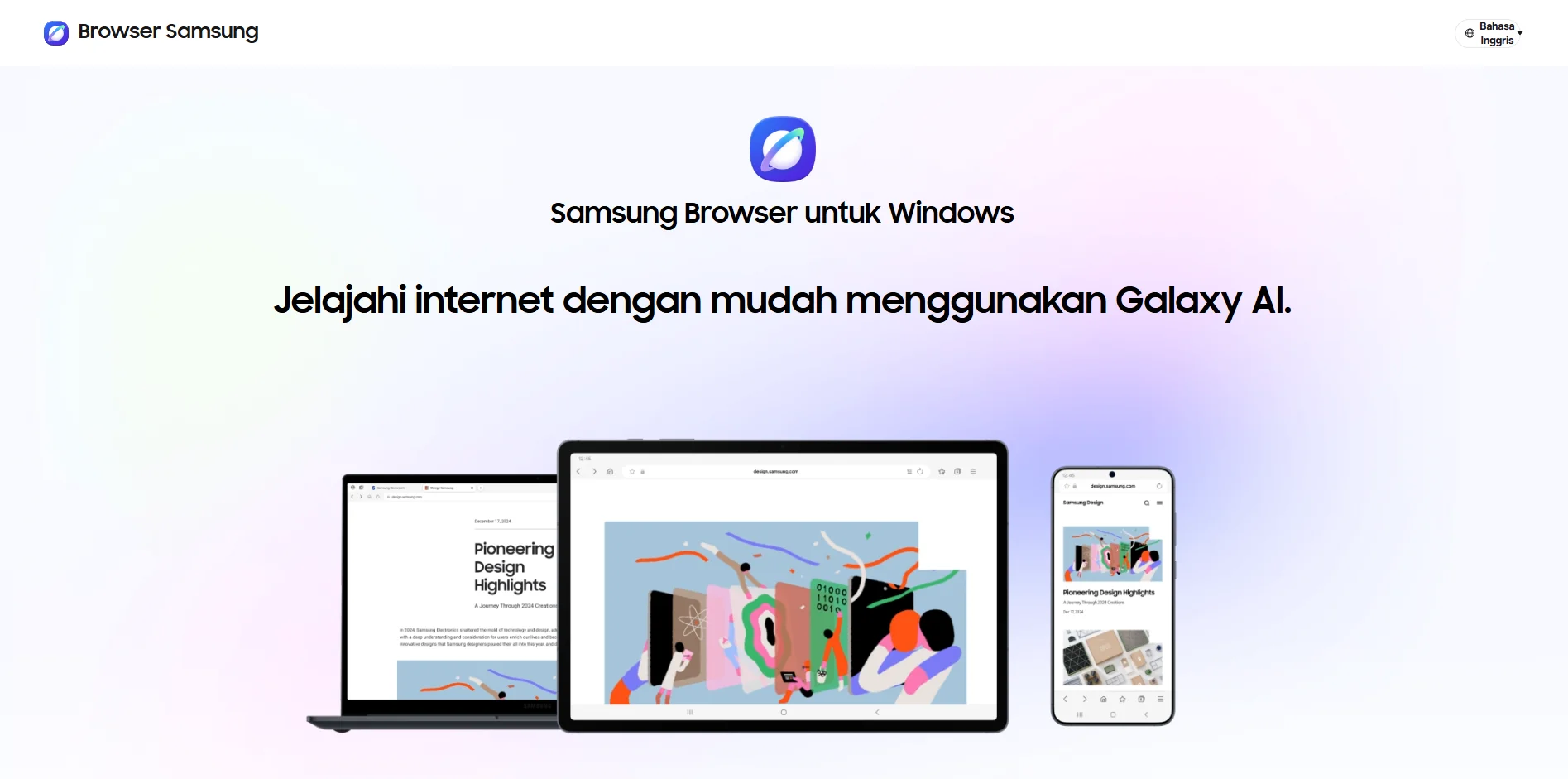
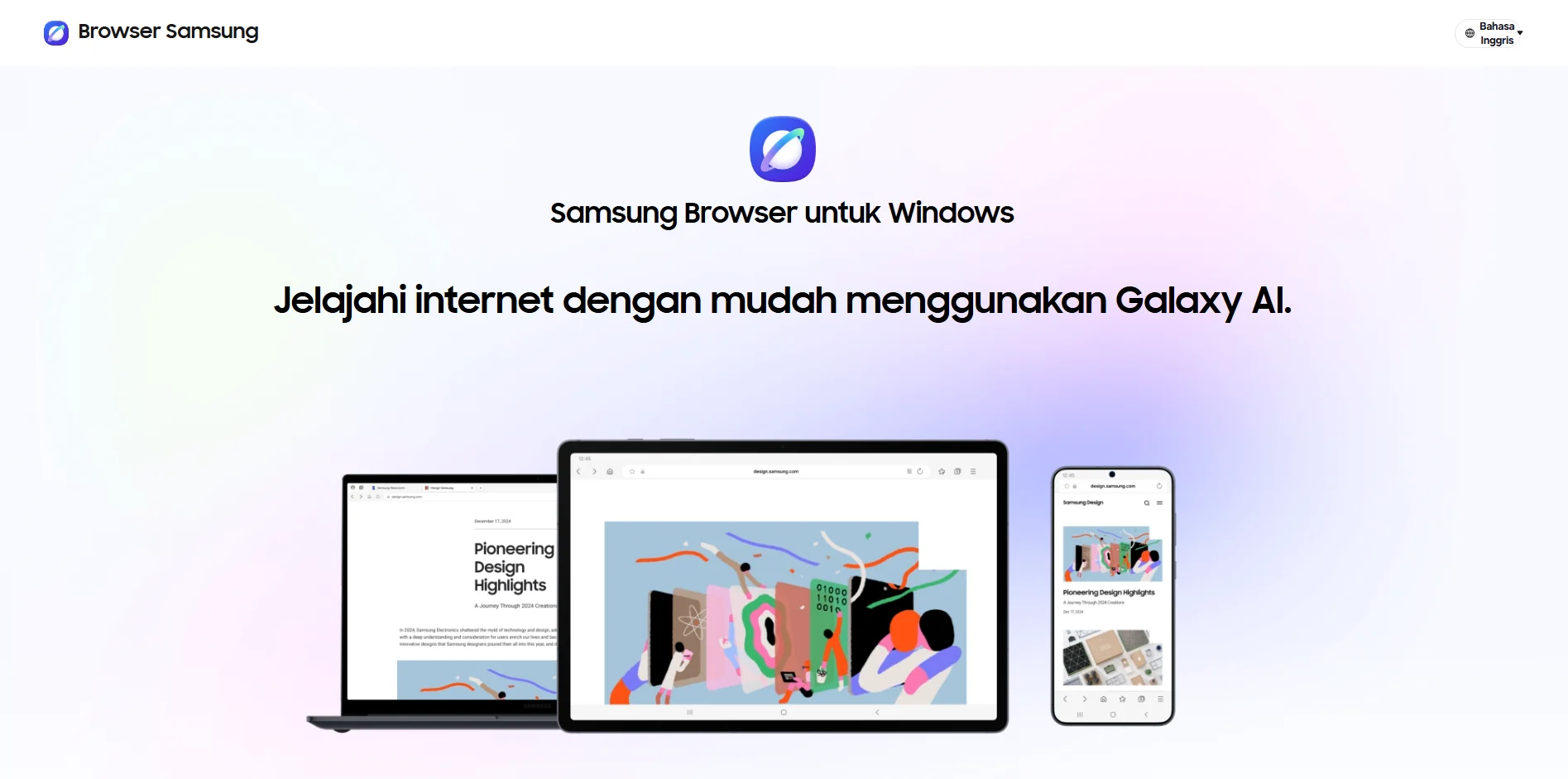
Samsung has officially released its proprietary browser, Samsung Browser, for Windows operating systems, marking a significant strategic expansion beyond its mobile-first ecosystem. This move, designed to seamlessly integrate with Windows 10 and Windows 11, underscores Samsung’s ambition to build a more connected experience between its smartphones and personal computers, fostering a unified digital environment for its users.
Bridging the Ecosystem Gap: A Strategic Imperative
The introduction of Samsung Browser to the Windows platform is not merely about offering an alternative web browsing application; it represents a deliberate step in Samsung’s overarching strategy to strengthen its cross-device capabilities. Historically, Samsung has excelled in the mobile arena, with its Galaxy smartphones and tablets consistently topping global market share charts. However, the company has increasingly recognized the importance of a cohesive ecosystem that extends beyond the pocket and into the desktop environment. By making its optimized browser available on Windows, Samsung aims to dismantle the traditional barriers between mobile and PC usage, allowing users to transition their digital activities with unprecedented fluidity.
This strategy is mirrored by broader trends in the tech industry, where major players like Apple and Google have long emphasized the synergy between their mobile and desktop offerings. Apple’s Continuity features, for instance, allow for seamless handoffs between iPhones, iPads, and Macs, while Google’s Android ecosystem integrates tightly with ChromeOS and Windows through various applications and services. Samsung’s entry into this arena with its own browser on Windows positions it to compete more directly in this integrated user experience landscape.
Enhanced Cross-Device Functionality: Beyond Basic Synchronization
Samsung Browser for Windows goes beyond the conventional synchronization features found in most web browsers. While it does offer the expected capabilities of syncing bookmarks, browsing history, and saved passwords, its core strength lies in its ability to facilitate a truly continuous browsing experience. Users can initiate a browsing session on their Samsung smartphone and then effortlessly resume it on their Windows PC, opening the exact same web pages without manual intervention. This "tab mirroring" or "continue on other devices" functionality is a cornerstone of the cross-device strategy, aiming to eliminate the friction often associated with switching between devices.
Furthermore, the integration of Samsung Pass enhances the user experience by providing a secure and convenient method for managing personal data. This feature allows users to store sensitive information, such as login credentials and form details, securely within the browser. Consequently, logging into websites or auto-filling forms on both mobile and desktop becomes a streamlined process, saving users time and reducing the potential for errors. The emphasis on security is paramount, given the increasing prevalence of online threats, and Samsung’s commitment to integrating secure data management solutions within its browser speaks to its user-centric approach.
The Power of AI: Revolutionizing the Browsing Experience
A key differentiator for the new Samsung Browser on Windows is its integration of an advanced AI assistant, developed in collaboration with Perplexity AI. This AI-powered feature is designed to elevate the browsing experience from simple information retrieval to intelligent interaction. The AI’s capabilities extend to understanding natural language queries, grasping the context of web pages, and even learning from a user’s browsing activities across multiple tabs.
This sophisticated AI is not limited to merely answering questions. It can actively assist users in managing their browsing sessions, including organizing and navigating through numerous open tabs, reviewing browsing history efficiently, and performing various tasks without requiring users to leave the browser environment. This "agentic AI" approach aims to proactively assist users, anticipating their needs and streamlining their digital workflows.

The underlying technology powering these AI features leverages advanced natural language understanding, enabling the browser to present information more swiftly, accurately, and efficiently. A particularly groundbreaking aspect of this AI integration is its extension to video content. Users can now perform searches that direct them to specific moments within videos, based on the contextual relevance of their search query. This capability has profound implications for content consumption and research, allowing for more targeted and time-efficient access to information embedded within video media.
Boosting Productivity with Multi-Tab Context Awareness
In line with its focus on enhancing user productivity, Samsung Browser incorporates a "multi-tab context awareness" feature. This innovative tool empowers users to efficiently manage and synthesize information from multiple open browser tabs. It allows for the summarization and comparison of content from different sources directly within a single interface. This feature is particularly beneficial for tasks that involve extensive research, academic study, or comparative analysis, significantly accelerating the information gathering process and reducing the cognitive load associated with managing numerous browser windows.
Availability and Phased Rollout
Samsung Browser is now available for download on Windows 10 (version 1809 and later) and Windows 11. However, the advanced agentic AI features are currently restricted to users in South Korea and the United States. Samsung has indicated that the rollout of these AI functionalities will be expanded to more countries gradually. This phased approach suggests a strategy of refining the AI’s performance and adapting it to a wider range of linguistic and cultural contexts before a global launch.
The initial release of Samsung Browser on Windows marks a significant milestone for the company, signaling its commitment to providing a comprehensive and integrated user experience across its product portfolio. By leveraging its expertise in mobile technology and now extending it to the desktop environment with advanced AI capabilities, Samsung is poised to challenge established browser players and offer a compelling alternative for users seeking seamless connectivity and intelligent browsing. The success of this initiative will likely depend on the browser’s performance, the breadth of its feature set, and its ability to effectively compete with established titans in the PC browsing landscape.
Broader Implications for the Tech Landscape
The introduction of Samsung Browser to Windows has several significant implications for the broader technology landscape. Firstly, it intensifies the competition in the browser market, which has long been dominated by Google Chrome. While Edge has gained traction as the default Windows browser, and Firefox maintains a loyal user base, Samsung’s entry, particularly with its unique cross-device and AI features, could appeal to a segment of users who prioritize ecosystem integration.
Secondly, it highlights the growing importance of AI in everyday computing tasks. The integration of an "agentic AI" directly into a web browser suggests a future where AI assistants are not just standalone applications but are deeply embedded within the tools we use daily. This could lead to a paradigm shift in how users interact with the internet, moving from passive consumption to more active, AI-assisted exploration and task completion.
Thirdly, Samsung’s strategic move could encourage other hardware manufacturers to further invest in developing and integrating their own software ecosystems across different platforms. This could lead to a more fragmented but potentially more diverse digital experience for consumers, with different brands offering distinct advantages in terms of integration and functionality.
As Samsung continues to refine and expand the capabilities of its browser, particularly its AI features, the tech world will be watching closely to see how this new contender reshapes the way users browse the web and interact with their digital devices. The company’s ability to deliver a stable, performant, and genuinely useful cross-device experience, coupled with the power of its AI, will be critical to its long-term success in this competitive arena. The question remains: will users embrace this new integrated approach, or will they remain tethered to the established browser giants? Only time and user adoption will tell.