Nila Kartika Wati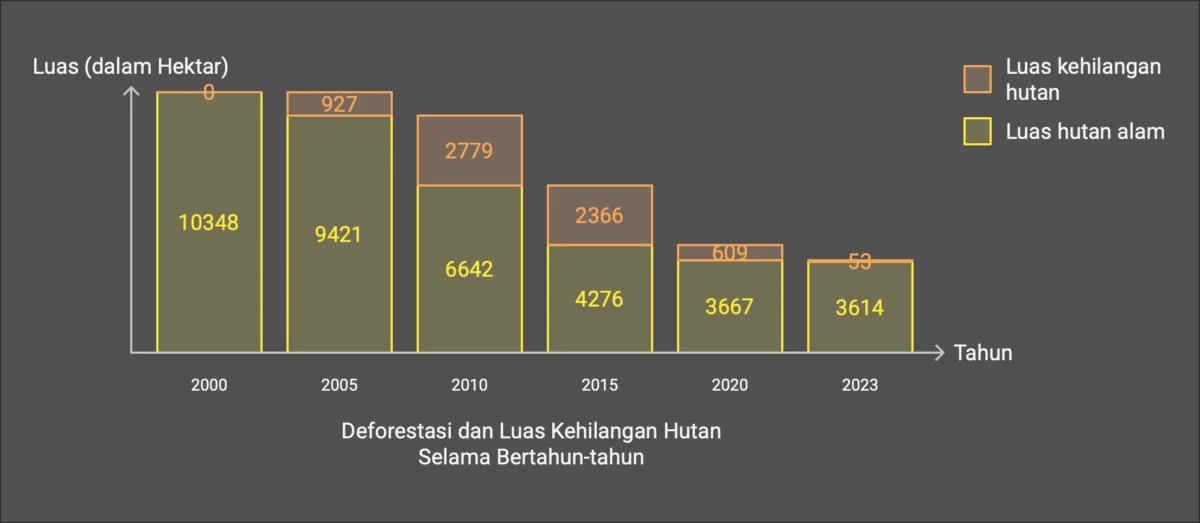
The Indonesian Ministry of Forestry has officially terminated the operations of PT Toba Pulp Lestari (TPL), a major pulp and paper producer, effective January 26, 2026. This landmark decision was formalized through the Ministry of Forestry Decree (Kepmenhut) Number 87/2026, which mandates the revocation of the company’s Forest Utilization Business Permit (PBPH). The move marks a significant shift in the government’s approach to large-scale forestry concessions, signaling a more aggressive stance against environmental degradation and the marginalization of indigenous communities.
The revocation follows a direct mandate from President Prabowo Subianto, who instructed the Minister of Forestry to conduct rigorous verifications, inspections, and audits of 22 PBPH-holding companies suspected of violating regulatory frameworks. PT Toba Pulp Lestari, a company long associated with the business empire of Sukanto Tanoto, became a primary target of this audit due to a history of ecological concerns and social friction in North Sumatra.
The Foundations of the Revocation Decree
The Ministry of Forestry’s decision was not a sudden administrative act but the culmination of various findings regarding TPL’s operational footprint. According to the decree, one of the primary ecological justifications for the revocation is the location of TPL’s concession within the Batangtoru watershed. This area is considered a critical ecosystem that serves as a vital buffer against natural disasters, including floods and landslides, while protecting the unique biodiversity of the region.
Furthermore, the decree cited unresolved tenurial conflicts that have systematically infringed upon the rights of indigenous peoples and local communities living in and around the concession. For decades, these communities have campaigned against TPL, alleging that the company’s operations had encroached upon ancestral lands and disrupted traditional livelihoods.
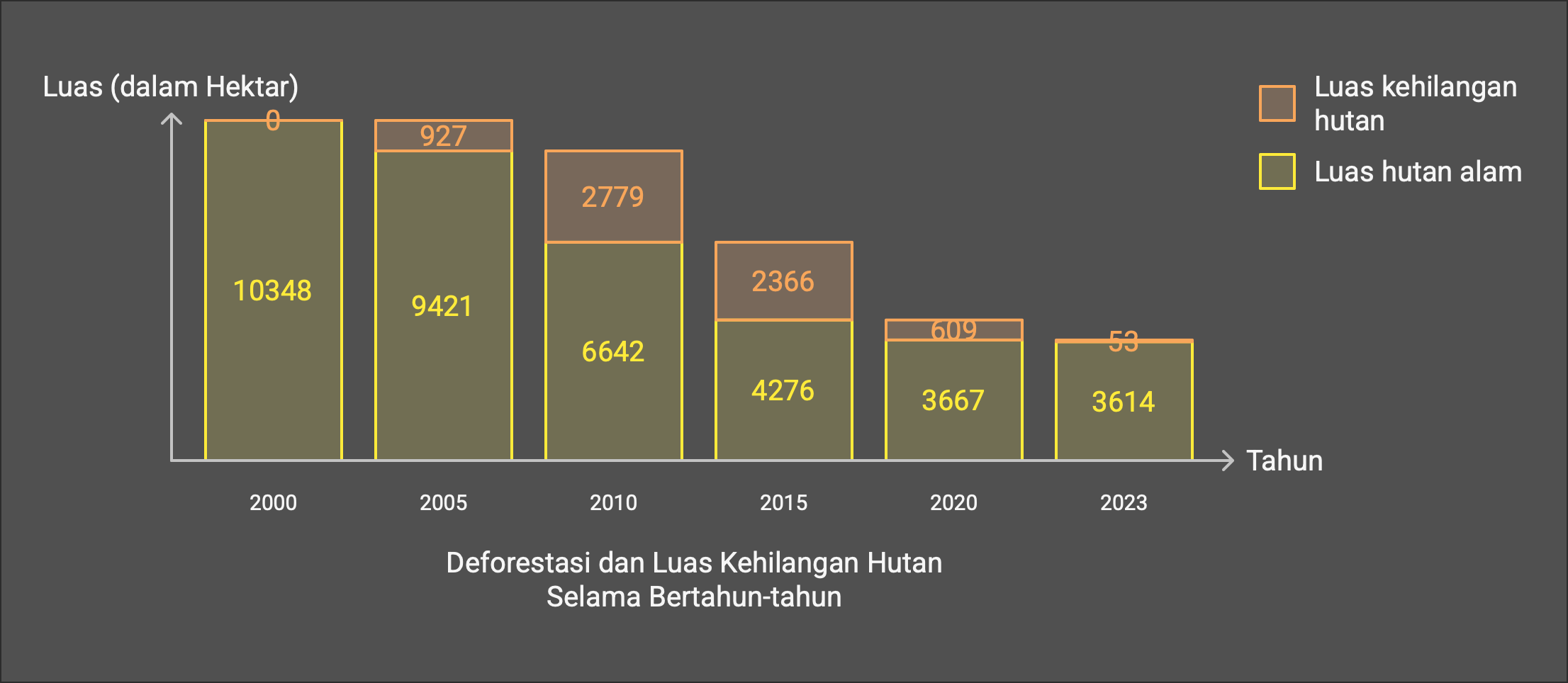
The technical findings of the Forest Area Control Task Force (Satgas PKH) also played a decisive role. The task force identified unauthorized land clearing spanning approximately 2,169 hectares within the concession area. This illegal deforestation is believed to be a major contributing factor to the devastating floods that have recently plagued North Sumatra, causing significant humanitarian and economic losses.
Findings of Illegal Deforestation and Infrastructure Development
The revocation is strongly supported by data compiled by the Yayasan Auriga Nusantara, an environmental watchdog that reported TPL to the Ministry’s Directorate General of Law Enforcement (Gakkum). Auriga’s report detailed a pattern of illegal logging, deforestation, and the construction of unauthorized road networks within high conservation value (HCV) areas, specifically in the Aek Raja sector.
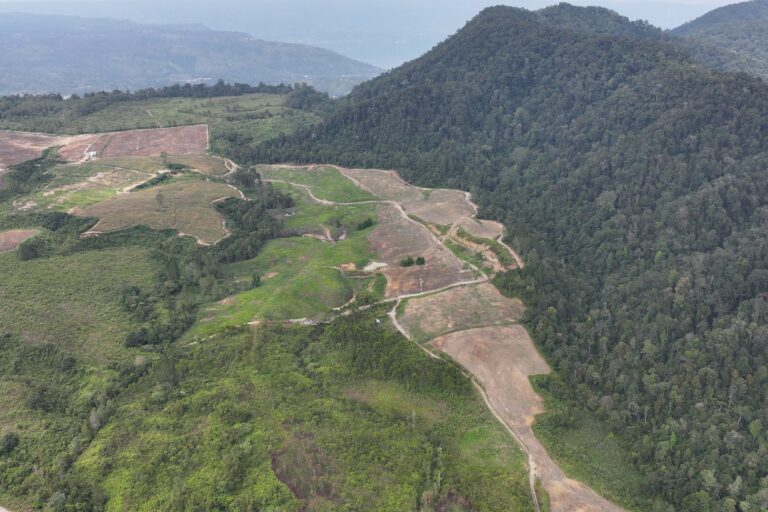
Through the analysis of medium- and high-resolution satellite imagery, supplemented by field verification in late 2025, Auriga discovered that at least 758 hectares of natural forest within TPL’s concession were cleared between 2021 and 2025. Perhaps more alarmingly, the clearing extended 125 hectares beyond the legal boundaries of the company’s concession. Much of this activity occurred on steep terrain categorized as high-risk for landslides.
Roni Saputra, Director of Law Enforcement at Auriga Nusantara, noted that the infrastructure found on-site—including a 30-kilometer road network and heavy machinery—suggested a highly organized operation. Despite TPL’s claims that third parties were responsible for the clearing, Auriga argued that it was nearly impossible for such massive deforestation to occur within a managed concession without the permit holder’s knowledge or negligence.
"The question remains: how could a third party carry out land clearing on this scale within TPL’s area without their knowledge? This is their concession; they are responsible for its management," Saputra stated. He further urged the government to involve the Corruption Eradication Commission (KPK) to investigate potential state losses and bribery related to these activities.
Religious and Social Leaders Demand Holistic Recovery
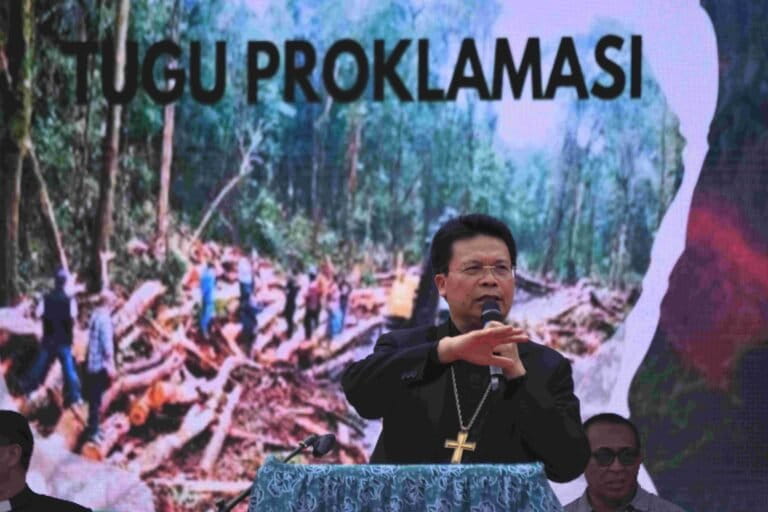
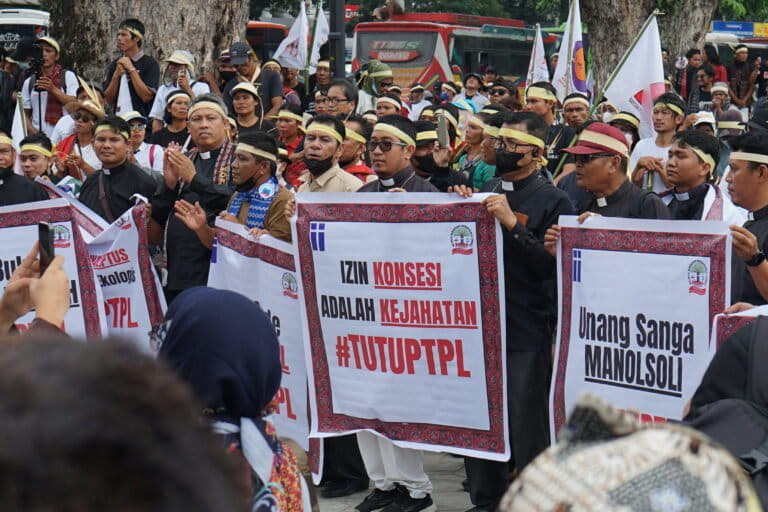
The revocation has been met with praise from civil society and religious leaders, though many warn that the administrative act alone is insufficient. Reverend Victor Tinambunan, the Ephorus (head) of the Huria Kristen Batak Protestant (HKBP) Church, expressed his appreciation for the government’s move but emphasized that it must be followed by concrete steps toward social and environmental restoration.
HKBP, as part of the Ecumenical Movement for Ecological Justice (Gokesu), has called on the government to utilize the revoked land to fulfill the rights of indigenous communities and approximately 10,000 farming families. The movement argues that the welfare of these communities, which has been severely eroded by years of conflict with the company, must be the priority in the post-revocation era.
"We have seen firsthand the condition of those affected by disasters in these areas. Many are living in appalling conditions after their homes were destroyed by landslides or floods," Tinambunan said. He stressed the need for the "polluter pays" principle, demanding that those responsible for environmental destruction provide compensation to the victims.
Gokesu has proposed that at least 80,000 hectares of the former TPL concession be designated for immediate reforestation, particularly in the headwaters of rivers that have been replaced by monoculture eucalyptus plantations. The movement also urged the Ministry of Forestry to practice "meaningful public participation" by involving churches, NGOs, and indigenous groups in the design of the region’s ecological recovery agenda.
Legal and Financial Consequences for PT Toba Pulp Lestari
The revocation has triggered significant financial and legal shockwaves for PT Toba Pulp Lestari. In a disclosure to the Indonesia Stock Exchange (IDX) and the Financial Services Authority (OJK), TPL’s management acknowledged the decree and stated that they have halted all forest utilization activities.
However, the company faces a staggering civil lawsuit from the Ministry of Environment and Forestry (KLHK). The ministry is seeking damages totaling Rp3.89 trillion (approximately USD 233 million) for environmental destruction. Anwar Lawden, a Director at TPL, noted in a letter to the IDX that this claim represents over 300% of the company’s total equity as of September 2025. Given the scale of the lawsuit, the company’s financial stability is in serious jeopardy, and its ability to meet financial obligations to the government and its workforce is under intense scrutiny.
From a criminal law perspective, the findings by Auriga and the Satgas PKH open the door for prosecutions under various Indonesian statutes. These include Law No. 32/2009 on Environmental Protection and Management, Law No. 41/1999 on Forestry, and Law No. 18/2013 on the Prevention and Eradication of Forest Destruction. There are also calls for the government to apply the Anti-Money Laundering Law (Law No. 8/2010) to trace the economic benefits derived from the alleged illegal logging.
Analysis of the Post-Revocation Landscape
While the revocation is a victory for environmental activists, organizations like the Indonesian Forum for the Environment (WALHI) warn that the transition period poses new risks. Uli Arta Siagian, WALHI’s National Executive Campaign Coordinator, pointed out that the government has not yet clarified who will manage the land next.
There is concern that the land might be transferred to Danantara (Indonesia’s new sovereign wealth fund) or other state-owned enterprises (BUMN). WALHI argues that simply shifting management from a private entity to a state entity does not address the underlying issues of agrarian reform.
"The government must ensure that this land does not simply change hands from one giant entity to another while the people remain landless," Siagian warned. "The disaster in North Sumatra should be a momentum for genuine agrarian reform. If 60% of the land was controlled by a company before the flood, it shouldn’t remain that way under a BUMN after the flood."
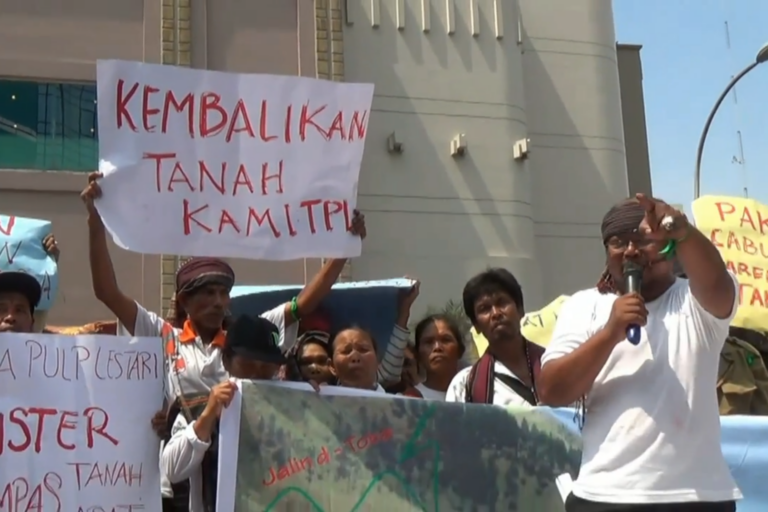
Furthermore, WALHI is advocating for a "blacklist" policy. Currently, when a company’s permit is revoked, the beneficial owners can often establish new legal entities to apply for new concessions. Activists are calling for a systemic barrier to prevent individuals or groups with a history of environmental crimes from re-entering the sector.
Conclusion and Future Outlook
The end of PT Toba Pulp Lestari’s journey in the forests of North Sumatra marks the closing of a controversial chapter in Indonesian forestry history. For decades, the Tano Batak region has been a focal point of resistance against industrial encroachment. The revocation of PBPH TPL is a testament to the persistence of local communities and the evolving priorities of the Indonesian government under President Prabowo’s administration.
However, the success of this move will ultimately be measured by what happens next. The recovery of the Batangtoru watershed, the legal resolution of the Rp3.89 trillion lawsuit, and the formal recognition of indigenous land rights are the benchmarks by which the public will judge the government’s sincerity. Without a comprehensive plan for social and ecological restoration, the revocation risks being a mere administrative formality rather than a transformative step toward environmental justice. As the legal battles move to the Medan District Court and the reforestation efforts begin, all eyes remain on North Sumatra to see if the region can truly heal from decades of industrial exploitation.