Tyo Susilo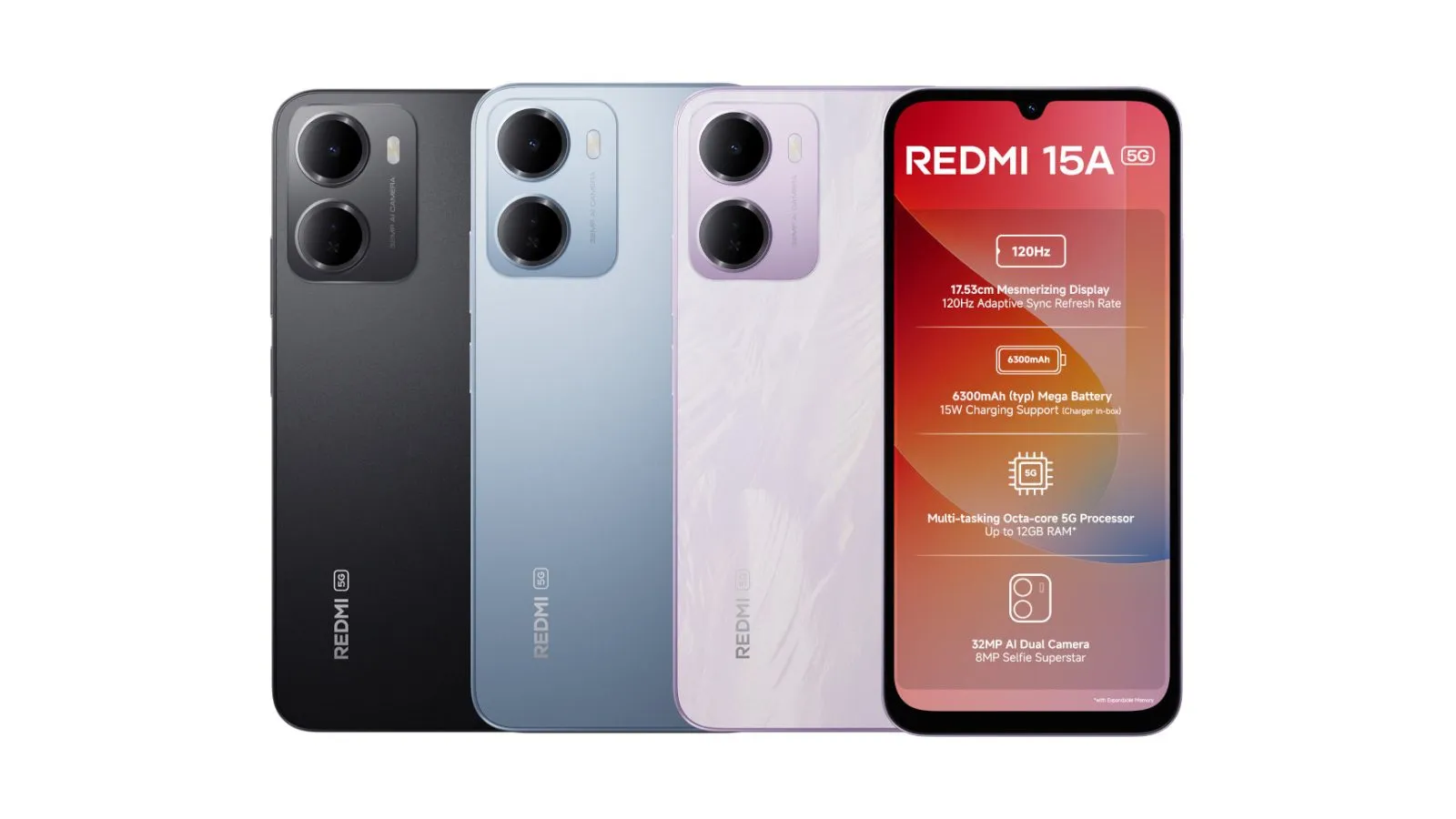
Xiaomi has officially unveiled a new contender in the budget-friendly 5G smartphone market with the introduction of the Redmi 15A 5G. This latest addition to the Redmi 15 Series is positioned to offer accessible 5G connectivity to a wider consumer base. Notably, the Redmi 15A 5G is a rebranded version of the POCO C85x, a strategy Xiaomi has employed in the past to leverage existing hardware across its diverse brand portfolio and streamline production. The launch, which appears to have occurred in early March 2026 based on the provided asset metadata, signals Xiaomi’s continued commitment to dominating the entry-level and mid-range smartphone segments.
Key Specifications and Features of the Redmi 15A 5G
The Redmi 15A 5G boasts a substantial 6.9-inch IPS display, providing ample screen real estate for media consumption and general use. While the display offers a smooth 120Hz refresh rate, enhancing visual fluidity, it retains a traditional waterdrop notch design to house the 8MP f/2.0 front-facing camera.
On the rear, the device features a 32MP f/2.0 main camera, accompanied by an auxiliary lens, all housed within a rectangular camera module. This primary camera is capable of recording video at 1080p resolution at 30 frames per second, a standard for this segment.
Under the hood, the Redmi 15A 5G is powered by the Unisoc T8300 System-on-Chip (SoC). This chipset is paired with either 4GB or 6GB of RAM, ensuring decent multitasking capabilities for everyday tasks. For storage, users can choose between 64GB or 128GB of UFS 2.2 internal storage, with the added convenience of a dedicated microSD card slot for expandable storage. The inclusion of dual SIM support further enhances its utility for users who manage multiple phone numbers.
A significant highlight of the Redmi 15A 5G is its robust 6,300mAh battery, promising extended usage times. This large capacity is complemented by 15W charging support, which, while not the fastest, is adequate for overnight charging or top-ups. The device is set to launch with HyperOS 3.0, based on Android 16, underscoring Xiaomi’s commitment to providing a modern software experience. The company has also pledged a commendable software support lifecycle, promising four years of OS updates and six years of security patches, a strong selling point for budget-conscious consumers looking for longevity in their devices.
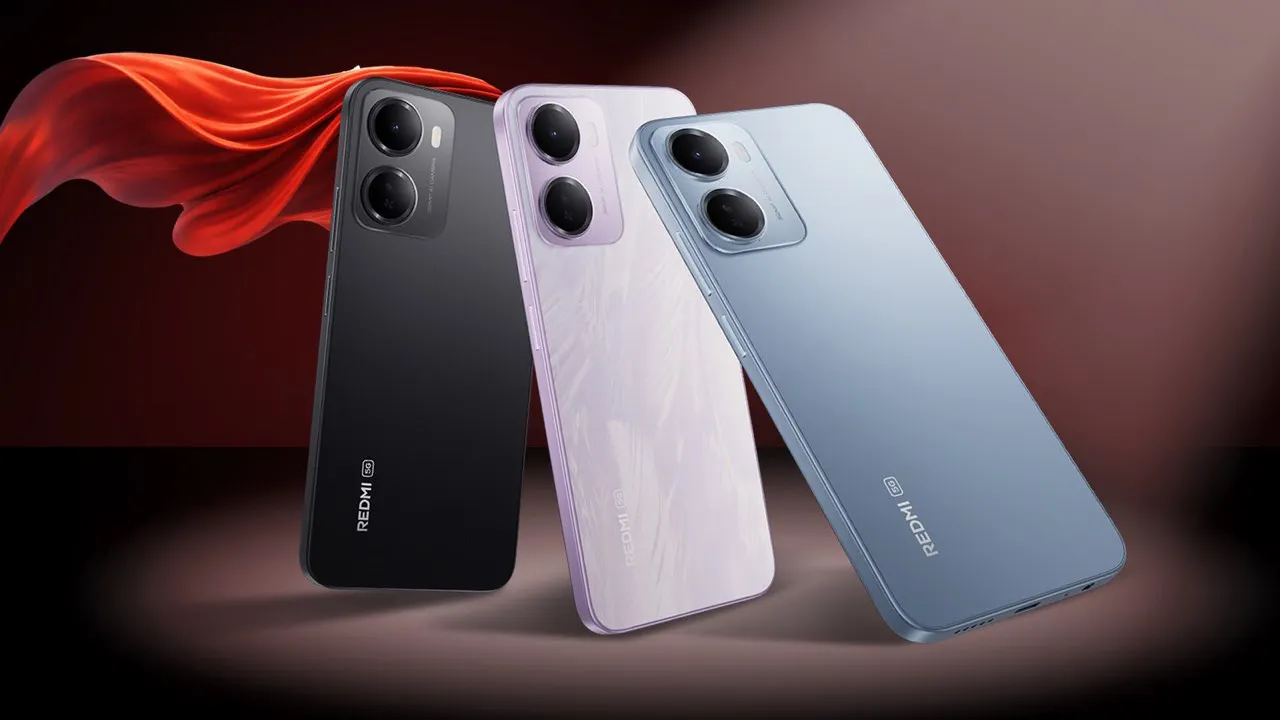
In terms of physical dimensions, the Redmi 15A 5G measures 171.6 x 79.5 x 8.2 mm and weighs approximately 210 grams. It will be available in three color options: Awesome Blue, Amaze Purple, and Ace Black.
Market Positioning and Rebranding Strategy
The introduction of the Redmi 15A 5G follows a well-established pattern for Xiaomi and its sub-brands. By rebadging the POCO C85x, Xiaomi can expedite product development, leverage existing supply chains, and cater to different market segments with tailored branding. This strategy allows the company to quickly fill gaps in its product lineup and respond to market demands without incurring the full cost and time associated with developing an entirely new device.
The POCO brand often targets a younger, more tech-savvy audience with a focus on performance and value, while Redmi typically aims for a broader demographic, emphasizing practicality and affordability. By launching the same hardware under the Redmi name, Xiaomi is likely seeking to capture a segment of the market that prefers the established Redmi brand or is more sensitive to price point, especially in emerging markets where the Redmi name carries significant weight.
Software and Update Commitments
The decision to ship the Redmi 15A 5G with HyperOS 3.0, built upon Android 16, positions the device at the forefront of mobile operating system technology for its price bracket. HyperOS, Xiaomi’s proprietary operating system, aims to provide a more unified and integrated user experience across its ecosystem of devices. The commitment to four years of OS updates and six years of security patches is a significant differentiator in the affordable smartphone segment. This extended support period addresses a common concern among consumers regarding the longevity and security of budget devices, potentially increasing the device’s appeal and long-term value proposition. This level of software support is increasingly becoming a benchmark for smartphone manufacturers, and Xiaomi’s proactive stance here is noteworthy.
Pricing and Availability
The Redmi 15A 5G has initially launched in the Indian market, a key territory for Xiaomi’s budget smartphone sales. The pricing structure is as follows:
- 4GB RAM + 64GB Storage: ₹12,999 (approximately $156 USD or €144 EUR)
- 4GB RAM + 128GB Storage: ₹14,499 (approximately $174 USD or €160 EUR)
- 6GB RAM + 128GB Storage: ₹16,499 (approximately $198 USD or €183 EUR)
These prices position the Redmi 15A 5G as a highly competitive option in the sub-₹15,000 segment, offering 5G capabilities and a large battery at an attractive price point. The tiered storage and RAM configurations provide consumers with flexibility to choose a variant that best suits their needs and budget.
Analysis of Implications
The launch of the Redmi 15A 5G has several implications for the smartphone market, particularly in the affordable 5G segment:
Increased Accessibility of 5G Technology
By offering a 5G-enabled smartphone at a starting price point of around ₹13,000, Xiaomi is significantly lowering the barrier to entry for consumers looking to experience next-generation mobile connectivity. As 5G networks continue to expand globally, particularly in emerging markets, the demand for affordable 5G devices is expected to surge. The Redmi 15A 5G is well-positioned to capitalize on this trend.

Competitive Landscape Intensification
This launch is expected to intensify competition among smartphone manufacturers vying for market share in the budget segment. Brands like Samsung, Realme, and Motorola will likely face increased pressure to match Xiaomi’s pricing and feature set. The inclusion of a large battery and a robust software update promise could become key battlegrounds.
Consumer Choice and Value Proposition
For consumers, the Redmi 15A 5G offers a compelling value proposition. It combines a large display, a substantial battery, and a commitment to long-term software support with the benefits of 5G connectivity, all at a price point that is accessible to a broad audience. This aligns with the growing consumer demand for devices that offer more for less.
Strategic Brand Management
Xiaomi’s continued use of rebranding strategies underscores its agile approach to product development and market penetration. By optimizing resources and leveraging existing platforms, the company can maintain a dynamic product portfolio and respond swiftly to evolving market demands. This also allows them to test market reception for certain hardware configurations under different brand identities.
Broader Context and Xiaomi’s Strategy
Xiaomi has consistently aimed to democratize technology, making advanced features accessible to a wider audience. The Redmi brand has been instrumental in this mission, particularly in markets like India, where it has become a household name for affordable and reliable smartphones. The 5G push is a natural progression, aligning with global infrastructure development and consumer interest in faster network speeds.
The company’s recent emphasis on its own operating system, HyperOS, signals a move towards greater ecosystem integration and a more curated user experience. The commitment to extended software support is also a strategic move to build long-term customer loyalty and differentiate itself from competitors who may offer shorter update cycles for their budget devices.
The timing of this launch, potentially in early 2026, suggests a forward-looking strategy. By the time this device reaches broader markets, 5G will likely be more prevalent, and consumers will be more aware of its benefits. The extended software support will ensure that the device remains relevant and secure for a significant portion of its usable life, further enhancing its appeal.
In conclusion, the Redmi 15A 5G represents a calculated move by Xiaomi to solidify its position in the affordable 5G smartphone market. By combining proven hardware with a competitive price and a strong commitment to software updates, the company is poised to attract a significant segment of budget-conscious consumers seeking to embrace the future of mobile connectivity. The rebranding from the POCO C85x highlights Xiaomi’s efficient operational strategy, allowing it to quickly bring a well-specced device to market under a familiar and trusted brand.