
 Lina Irawan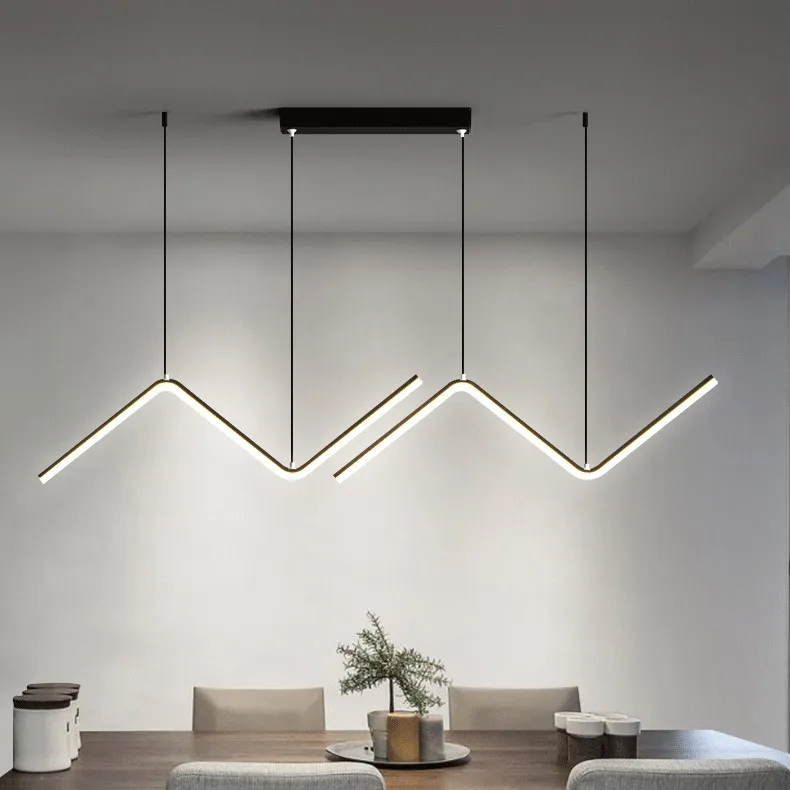
In an era defined by burgeoning urban populations and increasingly compact living spaces, the traditional concept of rigid, walled-off rooms is rapidly giving way to innovative open-plan designs. However, merely removing physical barriers does not automatically create a functional and aesthetically pleasing environment. Instead, leading interior design experts and architectural psychologists advocate for a sophisticated approach to spatial definition: manipulating the visual boundaries of a room through strategic use of elements such as carpets, sophisticated lighting systems, and deliberate transitions in flooring materials. This methodology, often referred to as "wall-less zoning," is not only highly effective in delineating distinct functional areas but also crucially preserves the unimpeded circulation of natural light and air, vital components for a healthy and expansive-feeling home. This design philosophy ensures that even the most compact residences can achieve a sense of grandeur, meticulous organization, and exceptional liveability.

The Imperative of Visual Zoning in Modern Urban Living
The global trend towards urbanization has led to a significant reduction in average dwelling sizes, particularly in metropolitan areas where space commands a premium. According to recent demographic studies, the average size of new apartments in many major cities, including New York, London, and Tokyo, has shrunk by as much as 10-15% over the last decade. This shift necessitates intelligent design solutions that maximize perceived space and functionality without resorting to claustrophobic physical divisions. Architects and interior designers are increasingly challenged to craft environments that feel open and airy while simultaneously accommodating multiple activities within a single, continuous footprint. The knee-jerk reaction of constructing solid brick walls or installing heavy wooden partitions, while seemingly logical, has been demonstrably shown to counteract the very goal of spaciousness. Such physical barriers obstruct the flow of precious natural light, create oppressive dark corners, and impede crucial air circulation, leading to environments that feel cramped, stuffy, and psychologically constricting. Research in environmental psychology consistently indicates that dark, confined spaces can trigger feelings of anxiety and discomfort, whereas open, well-lit environments promote relaxation and productivity.

This comprehensive guide delves into the architectural standards and psychological principles underpinning effective open-plan zoning for limited areas. It explores how carefully selected materials, light, and textures can serve as robust, yet invisible, demarcations, transforming a singular volume into a multi-functional, harmonious living experience.
The Evolution of Open-Plan Living: Context and Challenges

The concept of open-plan living gained significant traction in the mid-20th century, particularly with modernist architectural movements that championed fluidity and light. Architects like Frank Lloyd Wright and Ludwig Mies van der Rohe explored designs that broke away from rigid room divisions, promoting a sense of interconnectedness and spaciousness. In contemporary urban settings, where apartments might be as small as 50 square meters or less, the open-plan layout is no longer merely a stylistic choice but often a practical necessity. However, the initial euphoria surrounding open-plan designs often overlooked challenges such as acoustic privacy, distinct functional identification, and maintaining visual order. The "wall-less" approach addresses these by creating zones that are visually separate but physically integrated. By allowing an uninterrupted sightline across the entire space, from one end to the other, this design principle creates a fundamental optical illusion of expanded dimensions, making a room appear significantly larger than its actual footprint. Beyond mere aesthetics, this method offers unparalleled flexibility, enabling residents to instantly merge, for example, a living area with a dining space for large family gatherings or entertainment, adapting the home to dynamic lifestyle needs.
The Science Behind Visual Zoning: Psychological and Practical Benefits

The efficacy of visual zoning stems from fundamental principles of human perception and cognitive psychology. Our brains naturally seek order and categorize environments based on visual cues. By strategically deploying elements like rugs, varied lighting, and distinct material finishes, designers provide these cues, allowing the brain to unconsciously delineate functional areas without the need for physical barriers.
- Enhanced Natural Light and Airflow: Physical walls invariably block the spread of natural light and impede cross-ventilation. Visual zoning ensures that sunlight can penetrate deeper into the dwelling, reducing reliance on artificial lighting during the day and fostering a brighter, more invigorating atmosphere. Improved airflow helps regulate indoor temperatures and minimizes the build-up of stale air or cooking odors. Studies by the World Health Organization highlight the importance of natural ventilation for indoor air quality and occupant health.
- Mitigation of Claustrophobia: For spaces under 50 square meters, the addition of physical partitions can indeed induce claustrophobic effects. Tall cabinets or gypsum walls absorb light, creating uncomfortable dark corners. Conversely, an open vista allows the eye to travel freely, preventing the psychological sensation of being confined. Architectural psychologists note that an uninterrupted visual field contributes significantly to feelings of spaciousness and mental well-being.
- Increased Flexibility and Adaptability: Homes are dynamic environments. Visual zoning allows for instantaneous reconfiguration of spaces. A reading nook can seamlessly transform into an extension of the living room, or a dining area can expand into a casual workspace, catering to the evolving needs of inhabitants. This adaptability is crucial for modern lifestyles that often blend work, leisure, and family activities within the home.
- Improved Aesthetic Cohesion: While delineating zones, the absence of physical barriers maintains a visual continuity that promotes a harmonious and uncluttered aesthetic. The eye is guided, not halted, creating a fluid and elegant spatial experience that can increase perceived property value.
Mastering the Art of Invisible Boundaries: Key Strategies

Here, we explore the core principles for implementing "wall-less" zoning, transforming challenging layouts into elegant and highly functional living environments.
1. Carpet as a Foundational Anchor
The strategic deployment of carpets or area rugs represents one of the most immediate and cost-effective techniques for defining separate functional zones within a compact home. A rug acts as an "island," unifying a collection of furniture pieces into a coherent activity cluster. Without a rug, individual items like a sofa, coffee table, and accent chairs might appear to float aimlessly within the larger space. The moment a suitably sized rug is laid beneath them, the area instantly asserts itself as a distinct, insulated living zone.

The Golden Rule of Carpet Sizing: A common and critical error is selecting a rug that is too small, merely covering the area directly beneath a coffee table. This inadvertently shrinks the perceived zone. In wall-less zoning, the cardinal rule is that "all front legs of the primary furniture pieces must rest upon the carpet." At a minimum, the front legs of the sofa and accent chairs should comfortably sit within the rug’s perimeter. For a dining area, the rule slightly adjusts: the rug must be large enough to ensure that dining chairs remain on the carpet even when pulled back for use, preventing an awkward "half-on, half-off" appearance. This typically means an additional 60-75 cm clearance around the table’s perimeter.
Textural Play for Functional Distinction: Further differentiation can be achieved through varying carpet textures. High-traffic zones, for instance, demand different tactile qualities than areas dedicated to relaxation. For a cozy living area, a thick, plush, and soft-pile carpet signals comfort and an invitation to unwind. Conversely, for a dining area or a home office, a flatweave rug made from durable materials like jute, sisal, or polypropylene is more practical. These textures are not only easier to clean from spills but also provide a distinct visual and tactile contrast, subtly reinforcing the shift in function.

Harmonious Color Palettes: While rugs serve to separate, their colors in adjacent zones should not clash. Visual harmony is paramount to prevent the space from feeling chaotic or visually overwhelming. Design experts recommend using analogous or monochromatic color schemes for rugs in open-plan layouts. For example, a light grey rug in the living room could be complemented by a dark grey geometrically patterned rug in an adjacent work area. Neutral colors always offer a safe and expansive aesthetic. However, for a bolder statement, one rug could feature a vibrant pattern while its counterpart remains a solid, complementary hue.
2. Illuminating Spaces: The Power of Layered Lighting
If carpets define zones from the ground up, lighting sculpts spaces from above. Lighting is arguably the most powerful architectural tool for zoning, as its emitted glow creates invisible "rooms" of light. While general ambient lighting, evenly distributed throughout the space, is essential,








