
 Lina Irawan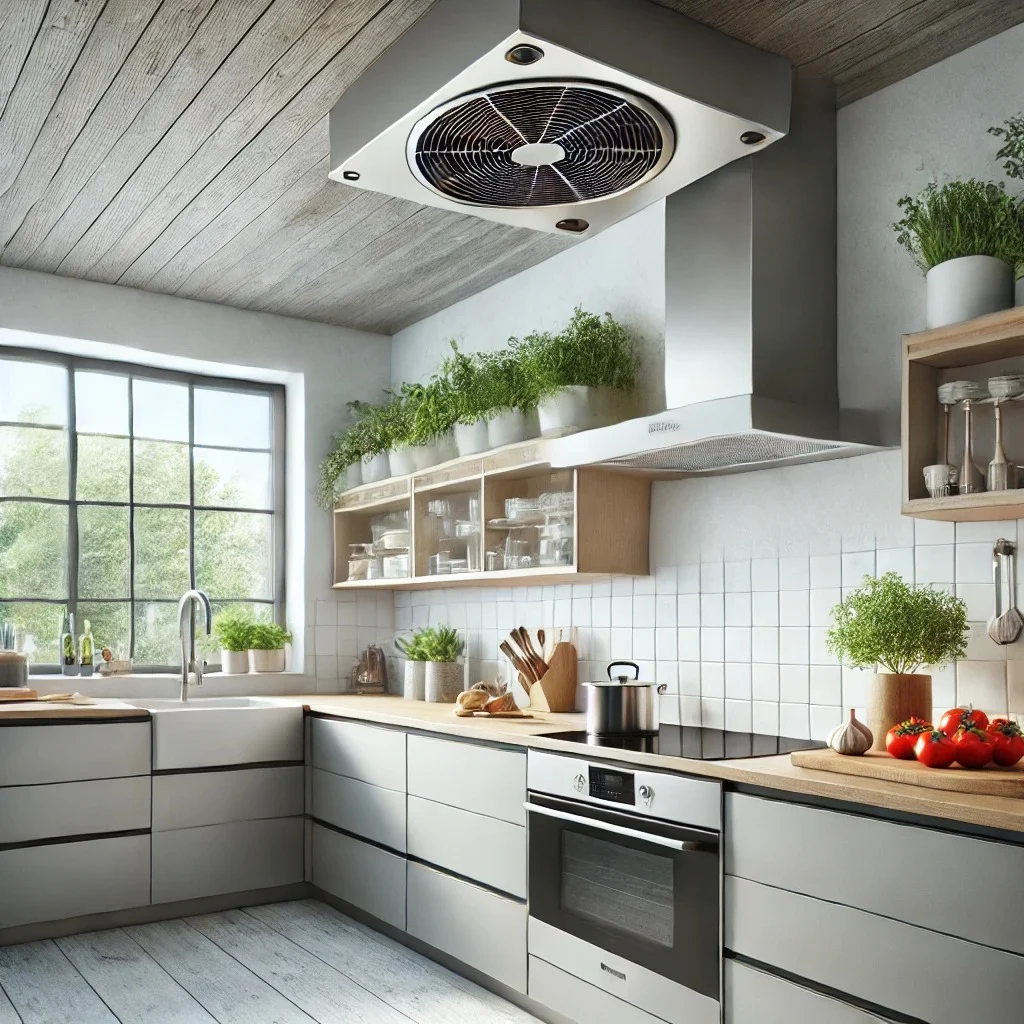
Urban dwellers often grapple with the pervasive issue of stuffy, stagnant indoor environments, a direct consequence of densely packed housing and limited natural ventilation opportunities. The key to transforming these oppressive spaces into breathable havens lies in a sophisticated understanding of airflow dynamics, specifically by creating pressure differentials that compel fresh air to circulate. Industry experts advocate for a hybrid ventilation system, a seamless integration of natural crossflow mechanisms, mechanical exhaust fans, and strategically placed air purifiers, all engineered to operate in continuous harmony. This comprehensive strategy not only ensures optimal air exchange but also tackles the challenges of urban pollution and maintaining aesthetic integrity, moving beyond simplistic solutions like merely adding more windows or standalone fans.
The Growing Challenge of Urban Air Quality and Home Comfort
The rapid pace of global urbanization has created a unique set of challenges for residential comfort and indoor air quality. Homes in metropolitan areas are frequently built in close proximity, often sharing walls or having minimal gaps, effectively eliminating the side yards that traditionally provided crucial natural ‘breathing room’ for buildings. This leaves urban residences heavily reliant on front facades and minimal rear areas for air exchange.
Compounding this architectural constraint is the pervasive ‘urban heat island effect’. Modern urban construction heavily utilizes heat-absorbing materials such as concrete, glass, and asphalt for buildings and surrounding infrastructure. These materials trap solar radiation throughout the day and slowly release it at night, leading to significantly higher ambient temperatures compared to rural areas. Without consistent and effective airflow, this trapped heat accumulates indoors, transforming homes into uncomfortable, energy-intensive environments that necessitate constant mechanical cooling.

Furthermore, the persistent threat of outdoor air pollution—comprising particulate matter (PM2.5, PM10), nitrogen oxides, sulfur dioxide, and volatile organic compounds (VOCs)—often leads residents to keep windows tightly shut. While this provides a shield against external pollutants, it simultaneously fosters a reliance on air conditioning systems that, paradoxically, often recirculate stale indoor air, exacerbating issues of poor indoor air quality. Studies by environmental health organizations consistently highlight that indoor air can be two to five times more polluted than outdoor air, especially in urban settings, due to a cocktail of external pollutants seeping in and internal sources like cooking fumes, cleaning products, and building materials. This confluence of factors necessitates a more intelligent, physics-driven approach to urban home air circulation design, meticulously integrated with contemporary interior aesthetics.
The Hybrid Ventilation System: A Three-Pronged Strategy
To effectively combat stuffiness and maintain superior indoor air quality in urban settings, a synergistic approach is required, combining three core elements: crossflow ventilation, mechanical exhaust fans, and targeted air purification. These elements, when properly designed and integrated, form a continuous and adaptive air circulation system.
1. Mastering Crossflow Ventilation: Nature’s Cooling Solution
Cross ventilation, often referred to as crossflow, is the most natural, energy-efficient, and time-tested method for cooling and refreshing homes. Its fundamental concept is straightforward: establish distinct pathways for air to enter (inlets) and exit (outlets) on opposing sides of a space. However, its practical implementation requires careful consideration of architectural principles and environmental factors.

-
Principles of Airflow Dynamics: The effectiveness of crossflow is significantly enhanced by leveraging pressure differentials. Air naturally moves from areas of high pressure to areas of low pressure. By strategically placing inlets and outlets, a pressure gradient can be created, compelling fresh air to flow through the interior. To optimize this flow, the outlet opening should ideally be slightly larger than the inlet. This ratio creates a subtle vacuum effect, drawing fresh air into the home with increased velocity and ensuring a more thorough purge of stale air. Crucially, the vertical placement of these openings also plays a vital role. Inlets should typically be positioned lower, where outdoor air is generally cooler – perhaps near a shaded garden, a small internal courtyard, or a water feature that provides evaporative cooling. Outlets, conversely, should be placed higher in the room. This exploits the natural tendency of hot air to rise (the ‘stack effect’), allowing it to escape passively and continuously.
-
Aesthetic Solutions for Inlets and Outlets: Modern interior design offers elegant alternatives to traditional, bulky windows that might compromise space or privacy.
- Jalousie Windows: Modern jalousie or louvre windows, now featuring thick, energy-efficient glass blades, have seen a resurgence in popularity. Their design allows precise control over the volume of incoming air, provides privacy, and offers security, even when left partially open during light rain.
- Casement Windows: Casement windows that pivot outwards are exceptionally effective at capturing winds that blow parallel to the building façade, deflecting them inwards to circulate through the room.
- Operable Skylights and Voids: For multi-story homes or those with limited ground-level openings, operable skylights strategically placed in stairwells or central voids can act as natural ‘chimneys.’ These draw hot air upwards from lower floors and expel it through the roof, creating a powerful stack effect that pulls cooler air from lower inlets. This passive cooling technique can significantly reduce the need for mechanical ventilation on moderate days.
-
Supporting Data and Context: Research on passive cooling techniques consistently highlights crossflow ventilation as a primary strategy for reducing reliance on mechanical cooling by up to 30-50% in suitable climates. Understanding the prevailing wind direction, often ascertainable from local meteorological data or a simple wind rose analysis for a specific site, is crucial for optimal inlet placement to maximize natural airflow throughout the year.
2. The Strategic Role of Mechanical Exhaust Fans: Active Air Expulsion
While natural ventilation is ideal, it is often insufficient during still, hot days or when outdoor air quality is compromised. In such scenarios, mechanical exhaust fans become indispensable for actively expelling stale, hot, and polluted air, creating a controlled outflow that complements or augments natural pressure differentials.

-
Necessity and Placement: Exhaust fans are most effective when placed at the highest point of a room or structure, aligning with the principle of hot air rising. In kitchens, they remove cooking fumes, steam, and heat. In bathrooms, they combat humidity and odors. In general living spaces, they can extract accumulated heat and stale air. They create a localized negative pressure zone, actively pulling air from the room and facilitating continuous air exchange, especially when natural breezes are absent. Crucially, exhaust fans should always vent directly to the exterior of the building, not merely into a ceiling cavity or attic, to ensure complete removal of pollutants and moisture.
-
Aesthetic Integration Techniques: A common misconception is that exhaust fans inherently detract from interior aesthetics. However, thoughtful design can seamlessly integrate them, making them virtually invisible or even an intentional design feature.
- Ceiling-Mounted Systems: For living areas, high-efficiency ceiling-mounted exhaust fans connected to dedicated ducting that expels air directly outdoors are preferred. To conceal these units, custom wooden louvers can be crafted, matching the ceiling trim or adjacent wall panels, thus blending the fan grille into the overall design. Another sophisticated technique involves using a drop ceiling with a recessed shadow line. An inline exhaust fan is hidden within the ceiling plenum, and the shadow line itself functions as a discreet, linear intake vent, providing powerful extraction with minimal visual impact.
- Wall-Mounted Systems: Often found in kitchens and bathrooms, wall-mounted fans can be framed within custom upper cabinets. Cabinet doors made of permeable materials like woven rattan, perforated metal, or laser-cut panels can conceal the fan while allowing unimpeded airflow. For instances where direct wall mounting is unavoidable, selecting a flat-panel exhaust fan with a minimalist design and painting its front panel to precisely match the wall color creates a camouflaged, integrated appearance.
-
Supporting Data: Well-designed exhaust fan systems can significantly improve air changes per hour (ACH) in a room, a critical metric for indoor air quality. For instance, a properly sized kitchen exhaust fan can achieve 15-20 ACH, rapidly clearing cooking odors, heat, and grease particles. Bathroom fans typically target 8-10 ACH to manage humidity effectively.
3. Optimal Placement for Air Purifiers: The Final Air Filtration Barrier
While crossflow and exhaust fans manage air movement, air purifiers provide the crucial final layer of defense against microscopic pollutants. They actively filter the air, ensuring that even when windows are closed or natural ventilation is insufficient, the indoor environment remains pristine.

-
Function and Importance: Air purifiers work by drawing in ambient air, passing it through a series of filters—most commonly a HEPA (High-Efficiency Particulate Air) filter for particulates and an activated carbon filter for volatile organic compounds (VOCs) and odors. They then release cleaner, purified air back into the room. This function is particularly vital in urban areas where outdoor air pollution can be high, or when internal sources like pet dander, dust mites, or cleaning product fumes are present.
-
Common Misconceptions and Effective Placement: A frequent, yet ineffective, practice is placing an expensive air purifier in a forgotten corner or behind large furniture. The device’s Clean Air Delivery Rate (CADR) specifies its effective range, indicating how quickly it can clean air in a given space. Obstructions severely limit its ability to circulate and purify air throughout a larger area. The most effective location for an air purifier is directly within the main airflow path. Identify where fresh air enters the room (e.g., near a slightly open window, main door, or a crossflow inlet) and position the purifier about one to two meters from this entry point. This strategic placement allows the unit to capture pollutants from outside immediately upon entry, preventing their widespread dispersion. Crucially, ensure a minimum clearance of 50 cm around the entire unit. Avoid placing it between shelves, against walls, or behind large pieces of furniture, as this obstructs its intake and output vents, rendering it significantly less efficient.
-
Supporting Data: HEPA filters, standard in most quality air purifiers, are certified to capture 99.97% of airborne particles 0.3 microns in size. This includes many common allergens (pollen, pet dander), mold spores, and fine particulate matter (PM2.5), which are significant respiratory health concerns in urban environments. An air purifier with a CADR matching or exceeding the room’s volume can achieve multiple air changes per hour, dramatically reducing indoor pollutant concentrations.
Synergy and Smart Integration: The Seamless Air Ecosystem
The true power of this comprehensive system lies in its synergistic operation. The three components—crossflow, exhaust, and air purifier—must complement, not counteract, each other, adapting to changing environmental conditions.

- Dynamic Operation:
- Favorable Conditions: When outdoor air quality is good and there’s a gentle breeze, prioritize crossflow. Open inlets and outlets to allow natural cooling and fresh air exchange, minimizing energy consumption and relying on nature’s free cooling.
- Stagnant or Polluted Conditions: During hot, windless days or periods of high outdoor pollution, it’s advisable to close most windows. Engage the mechanical exhaust system to actively remove indoor heat and stale air (generated by human activity, cooking, appliances, etc.). Concurrently, the air purifier becomes paramount, ensuring that the recirculated indoor air remains clean and free of airborne contaminants.
- Smart Home Integration: Modern technology offers seamless integration and automation. Smart home systems can incorporate sophisticated air quality sensors that continuously monitor CO2 levels, VOCs, particulate matter, and humidity. These sensors can be programmed to automatically trigger exhaust fans, adjust their speed, or modify air purifier settings to maintain optimal indoor conditions without constant manual intervention. This proactive approach ensures continuous healthy air quality while optimizing energy use.
Design Clinic: Tackling Urban Dead Zones with Aesthetic Solutions
InteriorDesign.ID frequently addresses common complaints from clients regarding persistent stuffiness, particularly in typical urban townhouse layouts. A frequent scenario involves a 6-meter wide townhouse with primary openings only at the front façade. The central living and dining areas feel perpetually stuffy, while the rear kitchen has only a small window.
-
Diagnosis: The Dead Zone Phenomenon: Our diagnosis frequently points to Dead Zones – areas where air circulation is virtually non-existent. Air entering from the front door lacks the momentum or clear pathway to reach the rear kitchen, often obstructed by solid room partitions and bulky furniture. The heat generated from cooking in the kitchen then slowly permeates the living area. Without adequate outlets or pressure relief in the central zone, this warm, stale air accumulates, drastically increasing ambient temperatures and reducing comfort. This issue is compounded when residents keep front doors tightly shut for privacy or noise reduction, effectively eliminating the primary fresh air inlet.
-
Aesthetic and Technical Solutions: Addressing such dead zones requires functional interior design interventions that solve the problem without compromising the room’s aesthetic integrity.
- Transforming High-Privacy Facades: Replace conventional solid front doors with pivot doors featuring frosted glass panels. These can be integrated with wooden jalousie elements at the top. This design preserves privacy, dampens street noise, and allows a constant, regulated influx of fresh air through the louvers, even when the main door is closed.
- Permeable Room Dividers: Instead of solid walls, introduce open shelving units or modern minimalist breeze blocks (roster) as partitions between living spaces. These porous dividers delineate zones without impeding airflow, allowing air to move freely towards the rear of the house. Materials like slatted wood, metal mesh, or even living green walls can also serve this purpose, adding visual interest.
- Creating a "Virtual Void" with Inline Fans: Where structural limitations prevent installing an operable skylight on the second floor, a mechanical solution can be implemented. Install an inline exhaust ducting system within the ceiling of the central living area. Integrate extremely thin, elegant linear slot diffusers along the ceiling edges. This system powerfully draws hot air upwards and expels it outdoors via flexible ducting hidden within the ceiling plenum. Visually, residents only perceive a neat, subtle line on the ceiling, unaware of the powerful exhaust mechanism at work.
- Negative Pressure Kitchens: In the kitchen, install a high-capacity wall-mounted exhaust fan, discreetly concealed within a custom cooker hood cabinet. This system ensures the kitchen maintains the lowest air pressure (negative pressure) in the entire house. Consequently, airflow is directed from the front, through the living areas, and ultimately pulled out through the kitchen. This design effectively prevents cooking odors, grease, and heat from permeating other parts of the home, maintaining a cleaner and fresher living environment.
Beyond Mechanics: Interior Design and Furnishing for Optimal Airflow

The impact of interior choices extends beyond just the ventilation systems themselves. Furniture selection and room layout significantly influence a room’s airflow and perceived spaciousness.
- Furniture Style and Placement:
- Lightweight Furniture: Heavy, floor-level, massive furniture pieces can act as formidable airflow blockers, creating pockets of stagnant air. Opt for mid-century modern or minimalist styles with slender, raised legs. The deliberate gap between the furniture base and the floor allows cooler air to flow unimpeded along the lower parts of the room, contributing to overall circulation.
- Wall Clearance: Avoid pushing sofas, cabinets, or credenzas tightly against walls. Maintain a minimum gap of 10-15 centimeters between furniture and walls. This seemingly small space is crucial for preventing air stagnation, which can lead to trapped moisture, the growth of mold or mildew on wall surfaces, and a general musty odor. Continuous air movement behind furniture helps regulate room humidity and preserves structural integrity.
- Breathable Materials: Choose breathable materials for upholstery and soft furnishings. Natural fabrics like linen, cotton, or open-weave synthetics promote better air circulation around the body and do not retain heat as much as thick synthetic leathers or heavy velvets, contributing to greater personal comfort.
Critical Mistakes to Avoid: Undermining Your Air Quality Efforts
Even with the best systems and intentions, common errors can inadvertently sabotage your efforts to maintain healthy indoor air. Awareness of these pitfalls is crucial for long-term success.
- Operating Exhaust Fans in Sealed Rooms: A fundamental and widespread error is running an exhaust fan in a completely sealed room. An exhaust fan’s primary function is to expel air; without a corresponding inlet for fresh air, it struggles against a vacuum, reducing its efficiency, potentially damaging the motor due to overexertion, and ultimately leaving the room still stuffy. Always ensure a small air intake path, such as a door grille, a specifically designed wall vent, or a 1-2 cm door undercut, when an exhaust fan is active to allow continuous air replacement.
- Poor AC Outdoor Unit Placement: Placing an air conditioner’s outdoor unit directly opposite a window or ventilation opening of another room is a counterproductive and common mistake. The hot air expelled by the compressor will be drawn back into the house through these openings, negating cooling efforts, increasing the load on the AC unit, and driving up energy








