Bambang Pamungkas
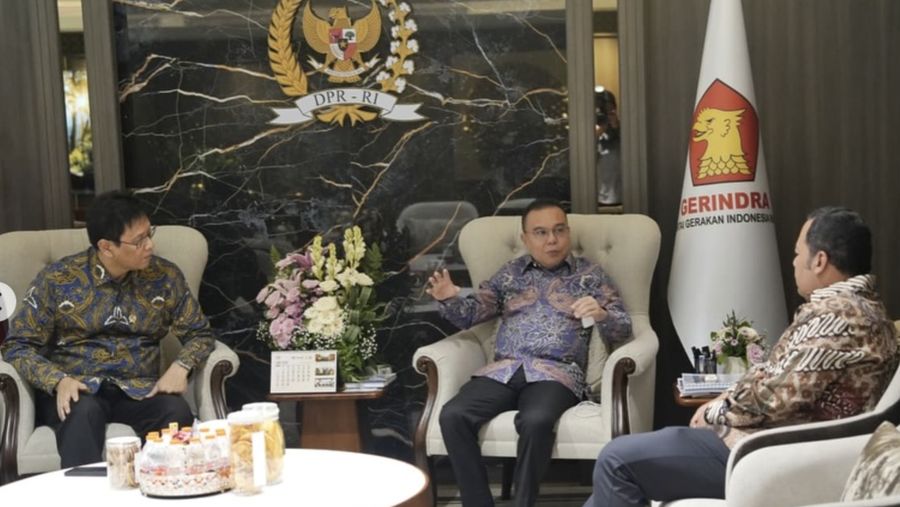
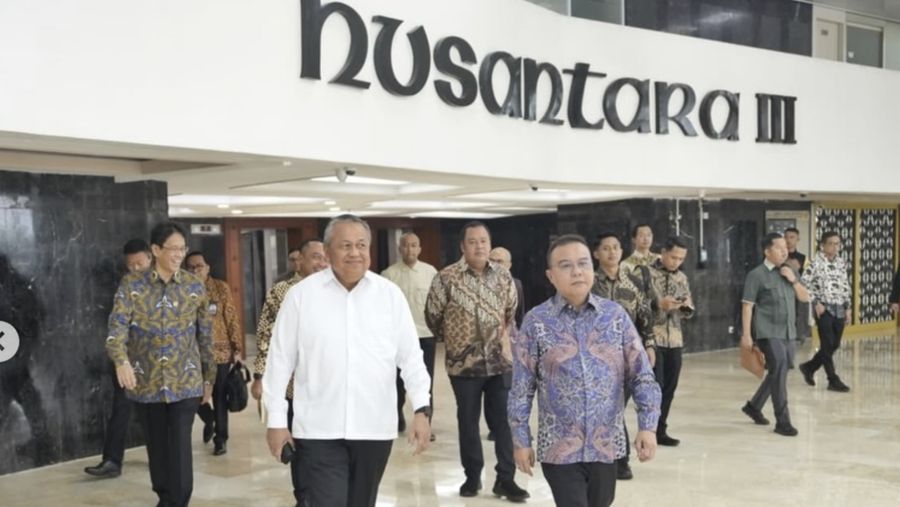
In a critical move to bolster Indonesia’s economic resilience, the House of Representatives (DPR RI) hosted a pivotal meeting on Saturday, June 6, 2026, bringing together key figures from the government, Bank Indonesia (BI), and other monetary and fiscal authorities. The extraordinary Saturday session, held at the parliamentary complex in Senayan, Jakarta, underscored a concerted effort to evaluate the nation’s economic trajectory and reinforce strategic coordination in the face of persistent global economic volatility and its direct impact on the Rupiah.
The high-level gathering was attended by influential policymakers, including State Secretary Prasetyo Hadi, Minister of Finance Purbaya Yudhi Sadewa, Bank Indonesia Governor Perry Warjiyo, and Moh. Hekal, Chairman of Commission IX of the DPR RI. The presence of such a formidable lineup of economic stewards signaled the gravity of the discussions, which centered on safeguarding national economic stability and fostering sustainable growth at a time when global challenges continue to demand adaptive and synchronized policy responses.
Chronology of a Crucial Economic Dialogue
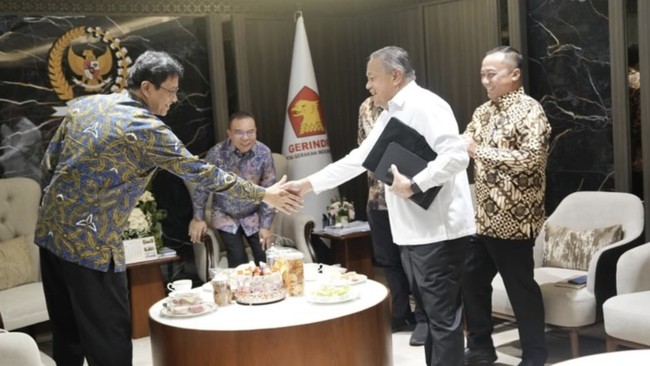
The decision to convene this special Saturday meeting, typically reserved for urgent legislative matters, highlights the immediate priority placed on economic stability. The meeting commenced in the morning, with opening remarks emphasizing the DPR’s oversight role and its commitment to ensuring robust economic governance. The agenda quickly moved into a comprehensive evaluation of current economic conditions, with particular focus on the Rupiah’s performance and the broader implications of global economic shifts.
Minister of Finance Purbaya Yudhi Sadewa presented an overview of the nation’s fiscal health, outlining budget performance, revenue generation, and expenditure priorities designed to cushion the economy from external shocks. Following this, Bank Indonesia Governor Perry Warjiyo detailed the central bank’s monetary policy stance, including strategies to manage inflation, maintain Rupiah stability, and ensure adequate liquidity in the financial system. The discussions were characterized by an open exchange of data, analysis, and proposed policy adjustments, culminating in a series of coordinated agreements aimed at presenting a unified front against economic uncertainties.
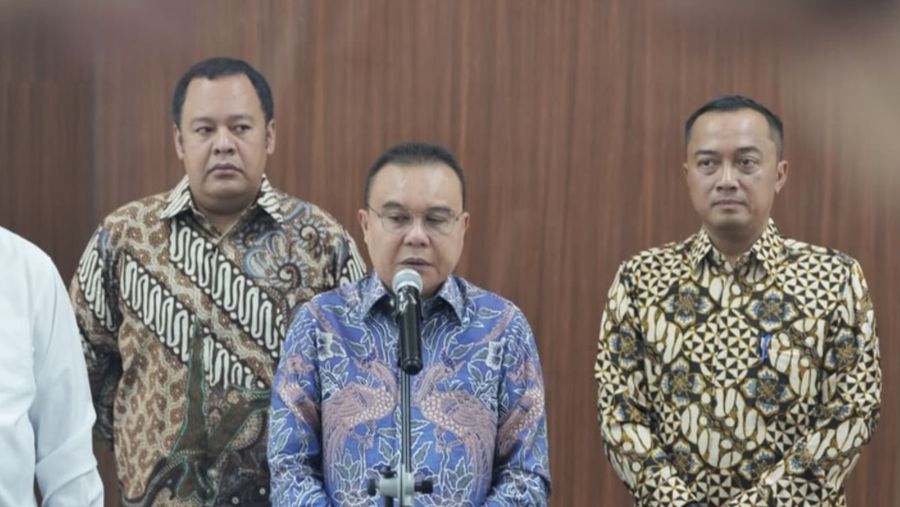
According to a statement released by the DPR leadership, the meeting was deliberately arranged to facilitate a direct and in-depth dialogue among the various arms of economic policy. "We purposefully gathered with colleagues from monetary authorities, fiscal policy bodies, and the government to conduct an evaluation of economic developments and subsequently coordinate how fiscal and monetary policies can mutually support each other for better economic growth at this time," a DPR spokesperson stated following the meeting. This emphasis on "saling dukung" or mutual support, forms the bedrock of Indonesia’s integrated economic strategy.
Navigating the Global Economic Maze: Background and Context
Indonesia’s economy in mid-2026 continues to operate within a complex and often unpredictable global landscape. The lingering effects of post-pandemic recovery, coupled with new geopolitical tensions and persistent inflationary pressures in major economies, have created a challenging environment for emerging markets. The United States Federal Reserve, for instance, has maintained a relatively hawkish stance on interest rates, driving capital flows towards dollar-denominated assets and exerting depreciation pressure on currencies like the Rupiah. This scenario is compounded by fluctuating commodity prices, which, while sometimes beneficial to Indonesia as a commodity exporter, can also introduce volatility and uncertainty.
Domestically, Indonesia has largely demonstrated resilience, with GDP growth consistently above 5% in recent quarters, supported by strong domestic consumption and strategic infrastructure investments. However, the depreciation of the Rupiah remains a significant concern. A weaker Rupiah increases the cost of imports, from raw materials for industries to essential consumer goods, potentially fueling imported inflation. It also raises the burden of servicing foreign-denominated debt for both the government and corporations. The government’s annual budget, while aiming for fiscal prudence, must also accommodate critical social spending and development initiatives, requiring careful balancing of priorities.
Bank Indonesia, as the guardian of monetary stability, has been actively engaged in managing these pressures. Its primary tools include adjusting the BI-Rate, intervening in the foreign exchange market to stabilize the Rupiah, and implementing macroprudential policies to ensure financial system health. The Ministry of Finance, on the other hand, manages fiscal policy through budget allocations, tax revenues, and government spending, aiming to stimulate economic activity while keeping public debt at sustainable levels. The DPR plays a crucial oversight role, ensuring that these policies are aligned with national development goals and serve the welfare of the Indonesian people.
Rupiah Under Pressure: Supporting Data and Analysis

In the months leading up to this meeting, the Indonesian Rupiah (IDR) had experienced significant volatility against major global currencies, particularly the US Dollar (USD). While specific figures for June 2026 are hypothetical, a plausible scenario would see the Rupiah trading in a challenging range, perhaps around IDR 16,500 – 17,000 per USD. This level would reflect a sustained depreciation from earlier periods, driven by factors such as:
- Global Interest Rate Differentials: Persistent high interest rates in developed economies, especially the US, make dollar-denominated assets more attractive, leading to capital outflows from emerging markets like Indonesia.
- Commodity Price Fluctuations: While Indonesia benefits from high commodity prices, sharp declines in key export commodities (e.g., palm oil, coal, nickel) can reduce export earnings and put pressure on the current account, affecting Rupiah stability.
- Geopolitical Risks: Ongoing international conflicts or trade disputes can increase global risk aversion, causing investors to seek safe-haven currencies and further impacting emerging market currencies.
- Domestic Economic Fundamentals: While generally strong, any perceived weakness in Indonesia’s economic outlook, such as slower-than-expected growth or higher inflation, could exacerbate Rupiah depreciation.
- Foreign Debt Servicing: A weaker Rupiah translates to higher costs for the government and state-owned enterprises to repay foreign loans and bond interests, potentially straining fiscal resources.
The impact of this depreciation is multifaceted. For businesses, especially those reliant on imported raw materials, production costs increase, which can lead to higher consumer prices and inflation. For consumers, essential imported goods become more expensive, eroding purchasing power. However, for export-oriented industries, a weaker Rupiah can make Indonesian products more competitive in international markets. The delicate balance requires careful policy calibration to mitigate the negative impacts while leveraging potential benefits.
Official Responses and Coordinated Strategies
The unified stance emerging from the DPR meeting highlighted a robust commitment to proactive policy management. Governor Perry Warjiyo of Bank Indonesia articulated the central bank’s unwavering focus on its core mandates. "The coordination between fiscal and monetary authorities is currently very strong in maintaining economic stability and fostering economic growth," Warjiyo stated. He emphasized BI’s strategy to maintain Rupiah stability through a combination of interest rate policies, foreign exchange market interventions, and macroprudential measures designed to prevent excessive volatility and manage inflationary expectations. BI also reaffirmed its commitment to promoting payment system efficiency and financial market deepening to enhance overall economic resilience.
Minister of Finance Purbaya Yudhi Sadewa echoed these sentiments, stressing the importance of agile fiscal policy. He detailed government initiatives to manage the state budget prudently, ensuring that fiscal deficits remain within sustainable limits while strategically allocating funds for priority programs. These include investments in human capital, infrastructure development, and targeted social safety nets to protect vulnerable segments of the population from economic shocks. The Minister also highlighted efforts to enhance domestic revenue mobilization and improve the efficiency of government spending, underscoring a commitment to long-term fiscal health.
From the legislative branch, Moh. Hekal, Chairman of Commission IX DPR RI, underscored the parliament’s role in facilitating this inter-agency collaboration. He noted that the DPR is actively involved in scrutinizing economic policies and ensuring that they are effective and responsive to the needs of the people. "Our role is to ensure that these crucial discussions translate into tangible actions that benefit the nation," Hekal remarked, emphasizing the importance of transparent and accountable governance. State Secretary Prasetyo Hadi, representing the executive branch, reinforced the government’s holistic approach to economic management, integrating various ministries and agencies to achieve national economic objectives.
Broader Impact and Implications for Indonesia’s Economy
The outcomes of this critical coordination meeting are expected to have several significant implications for Indonesia’s economic future:
- Enhanced Investor Confidence: A clear demonstration of strong coordination between monetary and fiscal authorities sends a positive signal to domestic and international investors. It suggests that Indonesia has a coherent and robust strategy to manage economic challenges, thereby increasing confidence in the country’s macroeconomic stability and attractiveness as an investment destination.
- Rupiah Stability: The concerted efforts by Bank Indonesia and the Ministry of Finance are anticipated to help stabilize the Rupiah. While external pressures may persist, coordinated interventions and supportive fiscal policies can mitigate volatility, preventing sharp depreciation that could harm businesses and consumers.
- Inflation Management: By aligning monetary and fiscal tools, the government and BI can more effectively manage inflationary pressures. BI’s interest rate policies can temper demand-side inflation, while the Ministry of Finance’s management of subsidies and supply-side logistics can address cost-push inflation, thereby preserving the purchasing power of Indonesian citizens.
- Sustainable Economic Growth: The mutual support between fiscal stimulus and monetary stability creates a more conducive environment for sustainable economic growth. Fiscal spending on infrastructure and human development can boost productive capacity, while a stable macroeconomic environment encourages private sector investment and job creation.
- Policy Adaptability: The ongoing dialogue mechanism established by this meeting fosters greater adaptability in policy responses. As global economic conditions evolve, the ability of key institutions to quickly evaluate and adjust strategies collectively becomes paramount for navigating uncertainties effectively.
- Fiscal Prudence and Debt Sustainability: The commitment to fiscal discipline and efficient spending articulated by the Ministry of Finance, supported by BI’s macroeconomic stability framework, contributes to maintaining manageable public debt levels, which is crucial for long-term economic health.
In conclusion, the high-level economic summit convened by the DPR RI on June 6, 2026, represents a critical juncture in Indonesia’s ongoing efforts to safeguard its economy. By bringing together the nation’s top economic policymakers, the meeting underscored a shared commitment to a coordinated, adaptive, and robust approach to navigating the complexities of the global economy. The agreements reached and the strengthened resolve for mutual support between fiscal and monetary authorities are poised to fortify the Rupiah, manage inflation, and pave the way for sustained, inclusive economic growth, ultimately enhancing the welfare and prosperity of the Indonesian people. The continued vigilance and seamless collaboration among these institutions will be indispensable as Indonesia charts its course through an ever-evolving global economic landscape.