Tata Titiana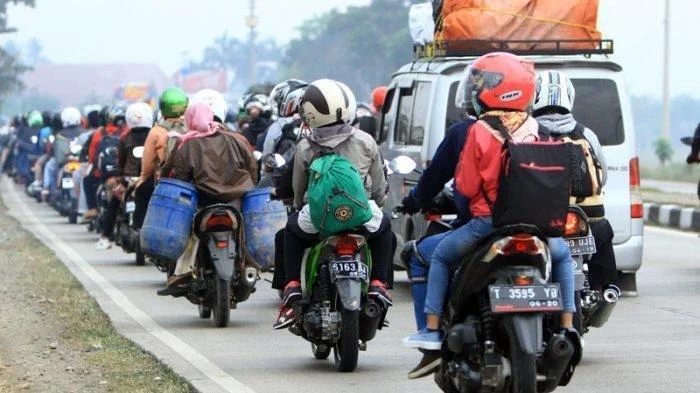
Jakarta – In a significant policy shift from the previous year, the Indonesian government has announced that citizens will be permitted to undertake the traditional mudik (homecoming) during the 2021 Idul Fitri celebrations. This decision, confirmed by the Minister of Transportation, Budi Karya Sumadi, during a working meeting with Commission V of the House of Representatives (DPR RI) on March 16, 2021, marks a departure from the strict travel ban imposed in 2020 due to the escalating COVID-19 pandemic. However, officials emphasized that this is not an encouragement for mass travel, as the Ministry of Transportation (Kemenhub) does not possess the authority to issue such directives.
The allowance for mudik comes with a strong caveat: a comprehensive and meticulously planned mechanism will be established in collaboration with the COVID-19 Handling Task Force (Gugus Tugas Covid-19). The primary objective is to ensure that the annual homecoming tradition does not contribute to the further spread of the virus, particularly into rural communities where healthcare infrastructure may be more limited. This collaborative effort aims to create a conducive homecoming season by implementing stringent travel requirements and robust tracing protocols, as indicated by Minister Budi Karya Sumadi’s social media posts.
A Shift in Policy: From Ban to Controlled Permittance
The stark contrast between the 2020 and 2021 mudik policies reflects the evolving understanding of the pandemic, advancements in vaccination programs, and a desire to balance public health with socio-cultural traditions. In 2020, as the novel coronavirus rapidly spread globally and within Indonesia, the government implemented a complete ban on mudik to curb transmission. This measure, while necessary from a public health perspective, elicited considerable public disappointment and significantly impacted the economies of regions heavily reliant on the influx of returning diaspora.
By March 2021, the situation had somewhat stabilized, albeit still precarious. Indonesia had begun its vaccination program in January 2021, offering a glimmer of hope for mitigating the pandemic’s impact. The decision to permit mudik this year can be interpreted as a strategic recalibration, acknowledging the deep-seated cultural importance of the homecoming tradition for millions of Indonesians, while simultaneously attempting to manage the inherent risks.
Navigating the New Normal: Conditions and Protocols for Mudik 2021
Minister Budi Karya Sumadi outlined several key conditions and stipulations for individuals intending to participate in the 2021 mudik. These are designed to create a multi-layered safety net:
-
Strict Adherence to Health Protocols: This is paramount and will be enforced rigorously at every stage of the journey. From the point of departure, throughout the travel period, and upon arrival at the destination, all individuals are expected to meticulously follow health guidelines. This includes, but is not limited to, consistent and correct mask-wearing, maintaining physical distancing, regular disinfection of transportation facilities and public spaces, limiting passenger capacity in vehicles, and implementing staggered service schedules. The public is urged to exercise self-awareness and unwavering compliance with these protocols for the collective good.
-
Anticipating Passenger Surges with Enhanced Tracing: To manage potential spikes in passenger numbers, particularly during peak travel periods, the government plans to implement intensified COVID-19 tracing mechanisms. This will involve identifying and monitoring individuals who may have come into contact with positive cases, thereby enabling swift intervention and containment.
-
Shortened Validity Period for Screening Tests: The validity period for COVID-19 screening tests, such as rapid antigen tests, will be shortened. This measure aims to ensure that travelers are tested closer to their departure date, providing a more current assessment of their health status and reducing the window for potential infection between testing and travel.
The specifics of the mudik mechanism are still being finalized by the Ministry of Transportation in consultation with various stakeholders. The objective is to ensure that the homecoming season remains safe and manageable, minimizing the risk of widespread outbreaks in the lead-up to and during the Idul Fitri holiday.
Expert Concerns and Public Health Implications
Despite the government’s efforts to establish a controlled mudik policy, the decision has been met with a degree of pessimism from public health experts. Epidemiologists have voiced concerns about the potential for increased transmission, even with the implemented measures, given the ongoing nature of the pandemic.
Dr. Riris Andono Ahmad, an epidemiologist from Universitas Gadjah Mada (UGM), suggested that the government’s decision might be influenced by the perceived progress in vaccination coverage, assuming it would be sufficient to control the situation. However, Dr. Ahmad cautioned that vaccination alone is not a panacea. The primary concern, he emphasized, lies not solely in the protection offered by immunization but in the potential for transmission if individuals fail to adhere strictly to health protocols.
"The problem is not the protection through immunization, but if travelers do not implement health protocols, the transmission of COVID-19 will still occur, just like before vaccination," Dr. Ahmad stated, as reported by merdeka.com. He highlighted the critical importance of choosing the right mode of transportation. The government’s initiative to equip terminals, train stations, and airports with COVID-19 screening tools like GeNose is seen as a step in the right direction.
The Role of Transportation Modes and Personal Responsibility
According to Dr. Ahmad, public transportation is generally considered safer than private vehicles when it comes to controlling the spread of infectious diseases. This is primarily due to the potential for better oversight and the implementation of standardized protocols within these systems. The real challenge, he noted, arises when travelers opt for private vehicles. Without stringent supervision, the use of private cars for mudik could become a significant vector for virus transmission to their intended destinations, potentially overwhelming local health systems.
Therefore, travelers are strongly advised to utilize public transportation for their mudik journeys. This not only facilitates government monitoring and potential intervention but also aligns with a more controlled and regulated travel experience.
Furthermore, Dr. Ahmad stressed that even individuals who have been vaccinated are not entirely immune to transmitting the virus in public spaces. The continued and disciplined observance of health protocols remains essential, regardless of vaccination status. He expressed a hope that, at a macro level, large-scale mudik could ideally be postponed. His assessment was that by Idul Fitri 2021, the pandemic would likely not have concluded, and vaccination coverage would still be insufficient to significantly mitigate the risk of widespread COVID-19 transmission.
Data and Context: Understanding the Mudik Phenomenon
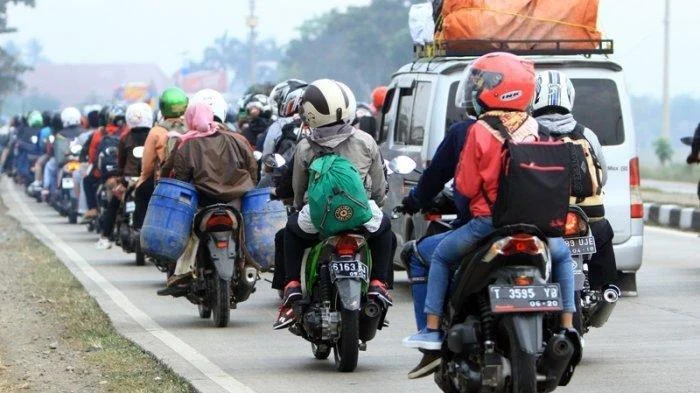
The mudik tradition is a deeply ingrained cultural practice in Indonesia, particularly during Idul Fitri, the culmination of the fasting month of Ramadan. It is a time when millions of people, predominantly from urban centers, travel back to their ancestral villages to celebrate with family, seek forgiveness, and partake in religious observances. This annual migration involves immense logistical challenges and significant economic implications.
In pre-pandemic years, the mudik season would see an estimated 10-20 million people traveling across the archipelago. The economic impact is substantial, with significant spending on transportation, food, gifts, and local goods. The reversal of this trend in 2020 had a profound economic effect on many communities.
The decision to permit mudik in 2021, therefore, represents a complex balancing act between public health imperatives and socio-economic and cultural considerations. The government’s strategy hinges on the assumption that with stringent protocols, enhanced screening, and potentially a growing vaccination coverage, the risks can be managed.
Looking Ahead: The Path to a Safer Homecoming
The Ministry of Transportation, in conjunction with the COVID-19 Handling Task Force, is expected to release detailed guidelines and operational procedures in the coming weeks. These will likely include information on specific testing requirements, approved modes of transport, designated transit points, and penalties for non-compliance.
The success of this year’s mudik will largely depend on the collective responsibility of the public and the effectiveness of the government’s enforcement mechanisms. While the allowance for homecoming offers a much-needed sense of normalcy, the underlying threat of the pandemic necessitates a cautious and disciplined approach from all involved. The lessons learned from previous mudik seasons and the ongoing global experience with COVID-19 will be crucial in navigating this delicate period, aiming to preserve both tradition and public health. The government’s commitment to continuous evaluation and adaptation of its policies based on real-time data will be critical in ensuring a safe and meaningful Idul Fitri for all Indonesians.