Tata Titiana
The contemporary generation, particularly millennials, is increasingly prioritizing experiential investments over traditional material acquisitions, ushering in a significant shift in lifestyle choices. This burgeoning trend, often encapsulated by the term "lifestyle traveling," is reshaping how individuals perceive value and allocate their resources. The allure of exploring new horizons, immersing oneself in diverse cultures, and collecting a rich tapestry of memories is proving more compelling than the accumulation of tangible assets.
This phenomenon is not merely a fleeting trend but a deeply ingrained cultural evolution, fueled by a confluence of factors including increased global connectivity, the democratization of travel information through digital platforms, and a generational re-evaluation of what constitutes a fulfilling life. While previous generations often focused on securing financial stability through homeownership and vehicle acquisition, today’s youth are demonstrating a marked preference for using their disposable income to fund journeys, believing that the experiences gained during their formative years will provide enduring richness and serve as cherished recollections in later life.
The Driving Forces Behind the Experiential Economy
The surge in interest surrounding travel among millennials can be attributed to several key drivers. Firstly, the sheer abundance of breathtaking and challenging natural landscapes across the globe, coupled with accessible and often affordable travel options, presents an irresistible invitation to explore. The digital age has played a pivotal role in this, with social media platforms and online travel agencies providing unprecedented access to information, inspiration, and booking capabilities. Stunning visual content shared by peers and influencers alike serves as a constant reminder of the world’s wonders, fostering a desire to witness them firsthand.
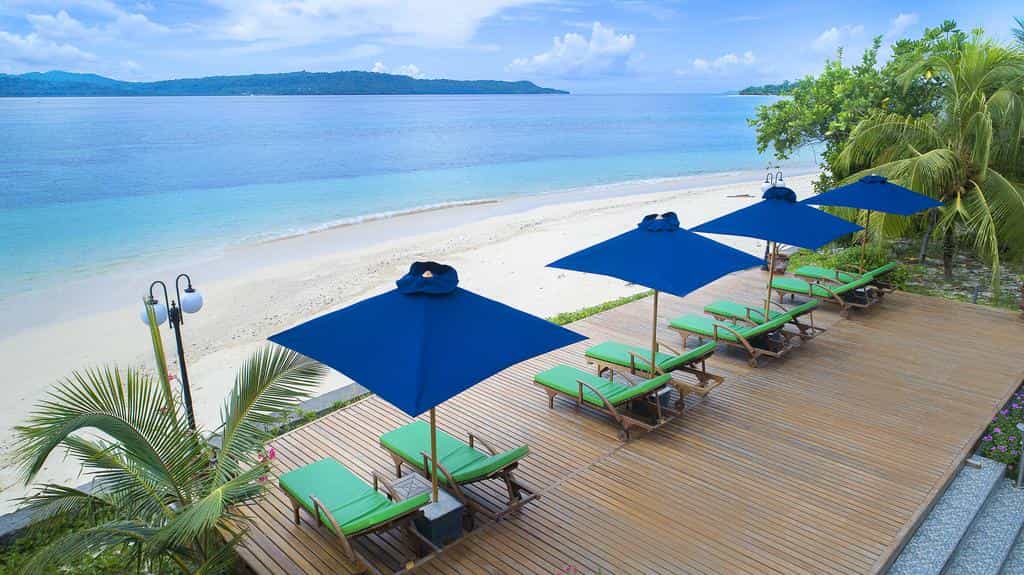
Furthermore, a growing awareness of the intangible benefits of travel contributes significantly to its appeal. Beyond the sheer enjoyment of sightseeing, travel offers profound opportunities for personal growth, self-discovery, and the development of critical life skills. Stepping outside one’s comfort zone, navigating unfamiliar environments, and interacting with people from different backgrounds can foster resilience, adaptability, and a broader perspective on life. This emphasis on personal development aligns perfectly with the millennial ethos, which often values authenticity and meaningful experiences.
Data from various travel industry reports underscore this shift. For instance, studies by organizations like the Global Business Travel Association (GBTA) and consulting firms such as Deloitte have consistently highlighted the growing proportion of millennial spending dedicated to travel and experiences. These reports often indicate that millennials are willing to forgo other material purchases to fund their travel aspirations, viewing these journeys as essential investments in their personal growth and well-being. The perceived return on investment for an experience, in terms of lasting memories and personal enrichment, is often deemed far superior to the depreciating value of material possessions.
Navigating the Path to a Travel-Centric Lifestyle
For those aspiring to integrate travel more seamlessly into their lives, a structured yet flexible approach is key. The journey of adopting a "lifestyle travel" philosophy often begins with a fundamental shift in mindset.
Cultivating Determination and Embracing Courage
The first and perhaps most crucial step in establishing a travel lifestyle is to cultivate unwavering determination and embrace a healthy dose of courage. It is easy to succumb to the allure of travel in theory, but translating that desire into action requires a proactive stance. Waiting for an ideal financial situation or a perfect window of opportunity can lead to perpetual deferral. Instead, individuals are encouraged to acknowledge their current resources and capabilities and to find ways to embark on journeys within their means. This might involve starting with more budget-friendly destinations, opting for shorter trips, or strategically saving for larger adventures. The core principle here is to overcome inertia and to take the initial plunge, trusting in one’s ability to adapt and manage circumstances as they arise. This proactive approach not only fosters a sense of accomplishment but also builds the confidence needed for future travels.

Embracing Flexibility and Adapting to Circumstances
While planning is an integral part of any journey, an overly rigid adherence to meticulously crafted itineraries can sometimes hinder the spontaneous discoveries that make travel so enriching. Acknowledging that travel rarely unfolds exactly as planned is essential. Unexpected delays, altered weather conditions, or serendipitous encounters can all present challenges, but they also offer unique opportunities. Therefore, adopting a mindset that embraces flexibility and allows for adaptation to the prevailing conditions is paramount. This involves being open to detours, being willing to adjust plans on the fly, and understanding that the most memorable moments often arise from the unplanned. By relinquishing an absolute need for control, travelers can open themselves up to authentic experiences and a deeper immersion in the local environment. This adaptability extends to embracing local customs, learning a few basic phrases of the local language, and being open to trying new foods and engaging in activities that might be outside one’s usual routine.
Developing Adaptability as a Core Competency
A hallmark of successful and fulfilling travel experiences is the ability to adapt to new environments and cultures. When travel becomes a lifestyle, this adaptive capacity becomes an indispensable skill. This involves being receptive to different social norms, understanding diverse communication styles, and respecting varied cultural practices. Whether it’s navigating public transportation in a foreign city, interacting with individuals from vastly different socio-economic backgrounds, or adjusting to different culinary traditions, the capacity to assimilate and thrive in new contexts is crucial. This skill not only facilitates smoother travels but also fosters a deeper appreciation for the diversity of human experience. Furthermore, the ability to adapt extends to managing unexpected challenges, such as communication barriers or unforeseen logistical issues, with grace and resourcefulness. This constant learning and adjustment process contributes significantly to personal growth and a more profound understanding of the world.
The Broader Implications of a Travel-Centric Generation
The widespread adoption of a travel-centric lifestyle by millennials has significant implications for various sectors, including the tourism industry, the economy, and societal perceptions of success and fulfillment.
The tourism industry, in turn, has responded by diversifying its offerings to cater to this demographic. There’s a noticeable increase in demand for authentic, immersive experiences, sustainable travel options, and adventure tourism. This has led to the growth of niche markets and a greater emphasis on community-based tourism, where travelers engage directly with local populations and contribute to their economies. The digital landscape has further amplified this, with a proliferation of travel blogs, vlogs, and social media accounts dedicated to sharing travel tips, itineraries, and personal experiences, creating a powerful feedback loop of inspiration and information.

Economically, this shift represents a significant reallocation of consumer spending. While traditional sectors like automotive and real estate might see a slower growth trajectory among younger demographics, the travel and hospitality sectors are experiencing robust expansion. This has ripple effects on related industries, including aviation, food and beverage, retail (particularly for travel gear and souvenirs), and the digital services that support travel planning and execution. The emphasis on experiences also influences the job market, with an increasing number of individuals seeking careers that offer flexibility and opportunities for travel, leading to the rise of remote work and the "digital nomad" phenomenon.
Societally, this generational emphasis on experiences over possessions challenges traditional notions of success. While financial security remains important, it is increasingly viewed not as an end in itself, but as a means to facilitate personal growth and exploration. This redefinition of success can lead to greater personal fulfillment and a more holistic approach to life. It encourages individuals to prioritize well-being, continuous learning, and the cultivation of meaningful relationships and memories. The ability to adapt, to understand different cultures, and to navigate complex global environments are becoming increasingly valuable life skills in an interconnected world.
Conclusion: A Legacy of Experiences
In conclusion, the ascendance of "lifestyle traveling" among the current generation signifies a profound evolution in how value is perceived and pursued. By prioritizing the accumulation of experiences over material wealth, millennials are not only enriching their own lives but also reshaping economies and challenging societal norms. The lessons learned, the perspectives gained, and the memories forged through travel provide an invaluable and enduring legacy, proving that the richest investments are often those that expand our understanding of ourselves and the world around us. As this trend continues to mature, it is likely to foster a generation that is more globally aware, culturally sensitive, and personally fulfilled, equipped with the adaptability and resilience needed to navigate the complexities of the 21st century. The journey, in its truest sense, has become the destination for this forward-thinking demographic.