Tata Titiana
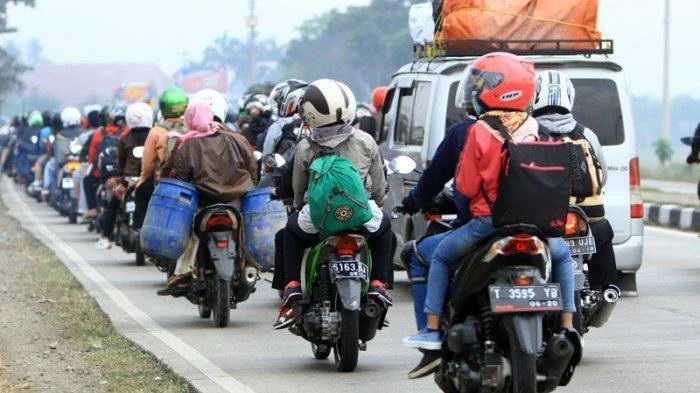
The landscape of travel regulations during the global health crisis shifted significantly when Indonesian authorities announced that citizens would be officially permitted to travel to their hometowns for the Idul Fitri 1442 Hijriah celebrations. This marked a clear departure from the absolute travel bans enforced during the previous year’s festivities, prompting widespread national discussion regarding public mobility, health infrastructure, and epidemiological safety.
The announcement was formally delivered by the Minister of Transportation, Budi Karya Sumadi, during a working session with Commission V of the House of Representatives (DPR RI). While the policy granted green lights for annual homecoming traditions—locally known as mudik—authorities emphasized that the declaration served as a regulatory framework rather than an active government encouragement to travel, as the Ministry of Transportation lacked the mandate to issue directives regarding public health recommendations.
Chronology and Regulatory Framework Development
The trajectory toward the 2021 travel policy began taking shape in early March, culminating in the ministerial statements delivered on Tuesday, March 16, 2021. Following the initial announcement, the Ministry of Transportation outlined plans to coordinate extensively with the national COVID-19 Task Force. The primary objective of this inter-agency collaboration was the formulation of a comprehensive safety mechanism designed to prevent the viral transmission from urban centers into rural communities, where older and potentially more vulnerable populations resided.
Through public announcements and official channels, including ministerial social media communications, the government underscored its intention to consult with epidemiologists, transportation operators, and regional stakeholders. The goal was to maintain a balanced approach that accommodated cultural mobility while simultaneously enforcing rigorous travel prerequisites and enhanced contact-tracing protocols at transit hubs across the archipelago.
Core Requirements and Operational Protocols
To mitigate potential health risks associated with mass migration, the Ministry of Transportation instituted a series of mandatory requirements for all citizens intending to travel during the festive season.
First and foremost was the absolute enforcement of strict health protocols across the entire journey continuum—ranging from departure terminals and transit vehicles to final destinations. Authorities mandated universal mask-wearing, continuous physical distancing, regular disinfection procedures for public transport infrastructure, and strict passenger capacity limitations to prevent overcrowding.
Second, in anticipation of massive passenger surges, the government implemented heightened tracing measures. These mechanisms were designed to track transit flows and swiftly identify potential infection clusters.
Third, the validity periods for mandatory screening documents, including rapid diagnostic tests, were significantly shortened to ensure that negative test results accurately reflected a traveler’s immediate health status. Additionally, transportation hubs nationwide began integrating innovative screening technologies, such as the domestically developed GeNose breathalyzer test, to facilitate rapid and cost-effective detection at terminals, railway stations, and airports.
Epidemiological Warnings and Expert Reactions
Despite the implementation of these multifaceted safety measures, the government’s decision to permit holiday travel was met with considerable skepticism and concern from the scientific and academic communities. Public health experts warned that the epidemiological indicators did not yet justify a relaxation of travel constraints, pointing out the persistent risks of community transmission.
Dr. Riris Andono Ahmad, an epidemiologist from Gadjah Mada University (UGM), provided critical analysis regarding the policy rationale. According to Dr. Riris, government assumptions that expanding immunization coverage alone would suffice to control the pandemic were premature. She noted that while vaccination programs offered individual protection, they did not eliminate the risk of transmission if travelers failed to adhere strictly to health protocols.
Furthermore, public health analysts highlighted private vehicles as a primary point of vulnerability. While public transportation systems could be systematically monitored and equipped with advanced screening apparatuses, private cars and motorcycles traveling across provincial borders presented severe oversight challenges. Without rigorous enforcement, private travel routes risked becoming unmonitored vectors for viral transmission into rural regions.
Implications of Pre-Vaccination Travel
Medical professionals repeatedly stressed that receiving a vaccination did not render an individual immune to contracting or spreading the virus in public spaces. Epidemiologists argued that macro-level travel policies should have maintained stricter limitations until national vaccination coverage reached a critical threshold capable of achieving herd immunity.
The juxtaposition between cultural expectations and public safety measures created a complex regulatory environment. Authorities walked a fine line between managing public fatigue regarding mobility restrictions and safeguarding national health infrastructure from potential post-holiday infection spikes. The 2021 homecoming debate ultimately served as a critical case study in balancing socioeconomic demands with epidemiological realities during a prolonged global health crisis, establishing precedents for subsequent holiday mobility management strategies in Indonesia.