Chalifah Fatihah
In a significant shift in digital interaction, a growing number of individuals, particularly those belonging to Generation Z, are deliberately abstaining from posting content on their social media accounts. This phenomenon, known as the "zero post" trend, signifies a profound evolution in how young people perceive and utilize social media platforms, transforming them from spaces for personal sharing into arenas of passive observation. This departure from the hyper-active sharing culture of the past reflects a deeper societal change, influenced by evolving digital landscapes and a growing awareness of mental well-being.
The "zero post" trend involves users maintaining active social media profiles, engaging with content through likes, comments, and viewing stories, yet refraining from uploading any personal posts for extended periods, often months or even years. This deliberate choice marks a departure from the earlier era of social media, where sharing daily life, from meals to outings, was the norm. This phenomenon is not confined to a niche group; recent studies suggest a broader decline in active social media usage, with younger demographics leading the shift.
A comprehensive study by The Financial Times, surveying over 250,000 users across 50 countries, indicated a notable 10% decrease in social media usage, with Gen Z at the forefront of this decline. While specific figures for Indonesia are not readily available, Gen Z constitutes a significant portion of social media users in the archipelago. Research from Hang Tuah University in Pekanbaru, Riau, highlights that the decision to adopt a "zero post" approach stems from a desire to mitigate the pressures and social norms that dictate public personas online. The study notes, "In a digital era filled with aesthetic standards and visual curation, many individuals feel burdened by the expectation to maintain a perfect Instagram profile."
Data from Indonesia’s Central Statistics Agency (BPS) corroborates this trend, revealing that while 63% of Gen Z actively browse social media, a substantial number have ceased posting or do so only sporadically, effectively becoming "silent users." The term "zero posting" itself was popularized by Kyle Chayka in his writings for The New Yorker, describing a scenario where typical users begin to withdraw from sharing their daily lives online.
The Evolving Digital Landscape and the Rise of Passive Consumption
Historically, social media feeds were characterized by simple, personal updates such as breakfast photos, pet pictures, or snapshots with friends. However, these authentic glimpses into everyday life are increasingly being overshadowed by a deluge of advertisements, repetitive trend videos, and content generated by artificial intelligence (AI). This shift has transformed platforms from personal diaries into algorithmically curated, commercially driven spaces. Users now encounter a greater volume of promotional content, influencer marketing, and endlessly recycled viral material, diminishing the visibility of posts from personal connections.
This saturation of content has led to an increasingly noisy and exhausting online experience, prompting many users to feel a disconnect from the original purpose of social media as a platform for authentic interaction. Gen Z, having grown up immersed in the digital world, is now exhibiting signs of digital fatigue. The relentless exposure to content, the pressure to maintain an idealized online image, and societal expectations in the virtual realm are collectively pushing some users to reduce their online activity or cease posting altogether.
Crucially, this does not necessarily signify a complete abandonment of social media. Instead, it represents a move towards more passive engagement, where individuals primarily consume content without actively contributing. This shift can be viewed as a strategic recalibration of their digital presence, prioritizing mental well-being and a more curated online experience.
The Impact of Artificial Intelligence on "Zero Posting"
The proliferation of AI-generated content has further amplified the "zero post" trend. As reported by The Print, some theories, such as the "dead internet theory," suggest that a significant portion of online content is no longer human-generated but rather produced by bots and automated systems. While this remains a subject of debate, the perception of an increasingly artificial online environment significantly influences users’ views on content authenticity. Consequently, the motivation to contribute to a digital space perceived as increasingly inauthentic diminishes.
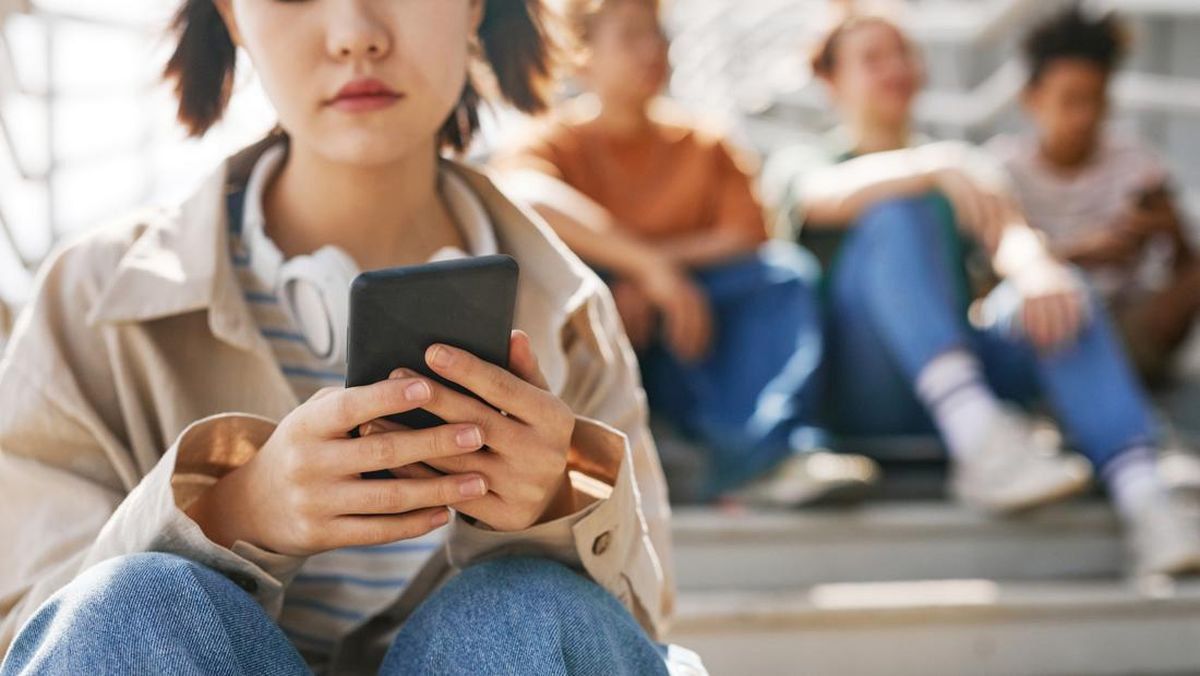
The "zero post" phenomenon does not signal the demise of social media but rather a fundamental alteration in user interaction patterns. While social media once served as a primary outlet for open self-expression, users are now becoming more selective, opting for discretion or complete abstinence from sharing. For Gen Z, the decision to refrain from posting can be interpreted as an assertion of control over their privacy, a proactive measure for mental health preservation, and a subtle rejection of the increasingly saturated and commercialized digital environment.
A Broader Context: From FOMO to JOMO and Digital Detox
The rise of the "zero post" trend can be understood within a broader socio-cultural context that has seen a shift in attitudes towards digital engagement. Previously, the fear of missing out (FOMO) drove constant online activity and sharing. However, this has gradually been replaced by the concept of the joy of missing out (JOMO), a growing sentiment that allows individuals to find contentment in disconnecting from the incessant digital noise.
The constant pressure to present a curated, often idealized, version of oneself on social media can lead to significant psychological strain. This includes feelings of inadequacy, social comparison, and anxiety. The "zero post" trend is a direct response to these pressures. By stepping back from the performance of online life, individuals can reclaim their mental space and focus on real-world experiences and connections.
Furthermore, the concept of a "digital detox" has gained traction, advocating for periods of intentional disconnection from technology to improve overall well-being. The "zero post" trend can be seen as an extension of this movement, offering a more sustainable approach to managing one’s digital footprint without necessarily severing ties with the online world entirely. It allows for continued access to information and social connection while mitigating the negative aspects of active participation.
Implications for Social Media Platforms and the Future of Online Interaction
The "zero post" trend presents a significant challenge and opportunity for social media platforms. Their business models often rely on user engagement and content creation, which drive advertising revenue. A decline in active posting could lead to reduced content diversity and potentially lower user engagement metrics.
Platforms may need to adapt by focusing on enhancing the passive consumption experience, optimizing content discovery algorithms, and exploring new monetization strategies that are less reliant on user-generated posts. The increasing presence of AI-generated content also raises questions about platform responsibility and the need for transparency regarding content origin.
The long-term implications of this trend suggest a future where social media is utilized more strategically and consciously. Users may gravitate towards platforms that offer more privacy, authenticity, or specialized communities, rather than broad, all-encompassing networks. The emphasis may shift from broadcasting one’s life to more selective and meaningful forms of connection.
For Gen Z, this evolving relationship with social media is a testament to their adaptability and their growing awareness of the impact of digital environments on their lives. Their willingness to redefine their online engagement reflects a maturing perspective on the role of technology in society and a commitment to prioritizing their mental and emotional well-being in an increasingly interconnected world. The "zero post" trend is not an end to social media, but rather a powerful signal of its ongoing transformation and a call for a more mindful and human-centered digital future.