Nila Kartika Wati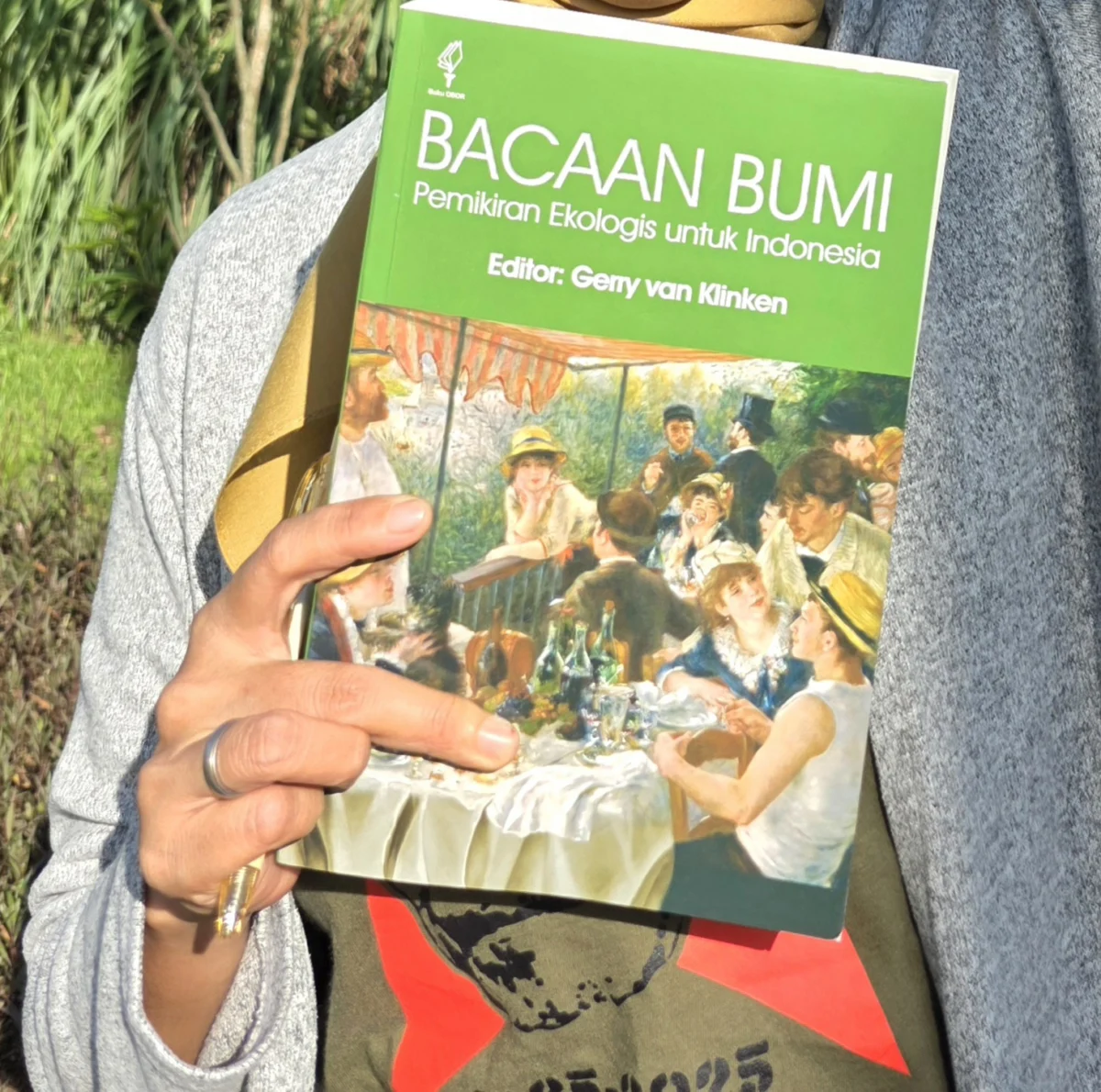
The devastating cycle of floods and landslides that recently ravaged the island of Sumatra serves as a grim backdrop for a profound intellectual intervention by Gerry van Klinken, a prominent anthropologist from the University of Amsterdam. During a series of discussions for his latest book, Bacaan Bumi: Pemikiran Ekologis untuk Indonesia (Earth Readings: Ecological Thought for Indonesia), held across various Indonesian cities from Malang to Banten, Van Klinken presented a radical critique of the global economic status quo. The book, a collaborative effort with 17 Indonesian writers, seeks to move beyond mere policy adjustments, instead calling for a fundamental reimagining of the human relationship with the biosphere. Van Klinken, a former geophysicist who once worked in the mining sector, now describes himself as an "environmental convert," dedicated to analyzing how the modern world’s "shrunken imagination"—stifled by the tenets of neoliberal capitalism—has rendered society unable to effectively confront the escalating climate catastrophe.
The Sumatra Catastrophe: A Symptom of Systematic Deforestation
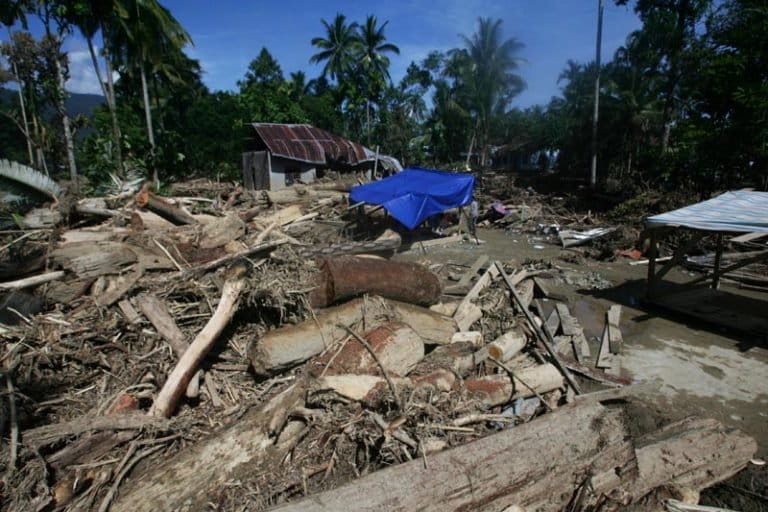
The timing of Van Klinken’s tour coincided with severe environmental disasters in Sumatra, where torrential rains triggered massive floods and landslides, displacing thousands and causing extensive infrastructure damage. While official reports often cite extreme weather as the primary culprit, Van Klinken argues that the intensity of these disasters is an anthropogenic phenomenon. According to his analysis, and supported by data from environmental advocacy groups like the Mining Advocacy Network (Jatam) and Walhi (The Indonesian Forum for Environment), the floods are the direct result of decades of aggressive land-use changes.
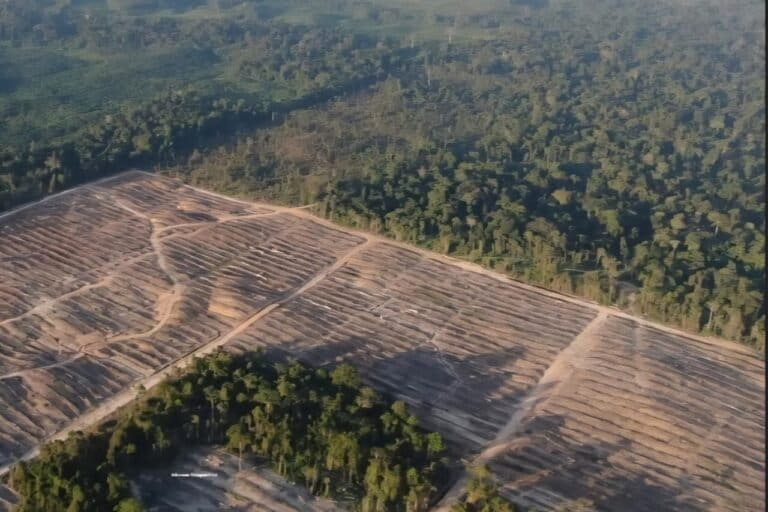
In the Bukit Barisan mountain range, which serves as the backbone of Sumatra’s ecology, massive concessions for mining and palm oil plantations have systematically stripped the land of its natural protective cover. "Banjir bandang (flash floods) occur because of deforestation," Van Klinken noted during an interview in Maja, Lebak. "Wherever we clear forests, water flows freely, no longer held back by the root systems of trees. Any region subject to excessive logging will inevitably face landslides." The ecological integrity of Sumatra has been compromised by an extractivist model that treats the landscape not as a living system, but as a source of raw materials for global markets.

Historical Roots: From the New Order to Neoliberalism
To understand the current crisis, Van Klinken points to a historical trajectory that began with the rise of Indonesia’s New Order (Orba) regime in the late 1960s. This era marked the reopening of Indonesia’s natural resources to large-scale foreign exploitation, echoing colonial-era patterns of "nature plundering." This domestic shift aligned with the global rise of neoliberalism in the 1970s—championed in the United States, United Kingdom, and Australia—which promoted the doctrine that the state should not interfere with market forces.
This deregulation of the market led to a parallel erosion of environmental protections. Van Klinken argues that when the state abdicates its role as a regulator, corporations feel emboldened to expand without regard for ecological boundaries. This historical context is vital for understanding the Sumatra disasters; they are not isolated incidents but the culmination of fifty years of systematic regulatory decay. The "extractive character" of the economy, established during the Orba era, has persisted into the present, fueled by a global demand for timber, minerals, and palm oil.
The Philosophical Conflict: Exchange Value vs. Use Value
At the heart of Van Klinken’s critique is a fundamental philosophical divide between ecological thought and capitalist economics. He utilizes the concept of "incommensurability"—the idea that certain values cannot be measured by a common standard, such as money. In a capitalist framework, nature is only recognized through its "exchange value." A tree has no inherent financial worth until it is felled and turned into timber to be sold on the market.
"Capitalism only knows exchange value—the price of an item in money," Van Klinken explained. "In a natural state, a tree has ‘use value.’ We enjoy its shade, eat its fruit, and use its leaves. But capitalism cuts the tree down and claims it as private property. It takes from nature for free, processes it, and then assigns it a price per cubic meter. This is the hallmark of a system that views the environment as a bottomless, free resource."
Ecologists, conversely, argue that the true value of a forest—its biodiversity, its role in carbon sequestration, and its function in the water cycle—is immeasurable in currency. This "mismatch" in perspective is why dialogue between economists and ecologists often reaches a stalemate. While the Indonesian government might value a forest in billions of rupiah, the ecological cost of its destruction remains an uncalculated "externality" that the public, particularly marginalized communities, is forced to pay through disaster and loss of livelihood.
The Paradox of the Green Transition: B50 and Electric Vehicles
Van Klinken also addressed the "green" initiatives currently being promoted by the Indonesian government, such as the B50 biodiesel mandate. The Ministry of Energy and Mineral Resources (KESDM) plans to implement a 50% palm oil blend in diesel fuel, a move that is expected to require the expansion of palm oil plantations by approximately 600,000 hectares by 2026. While framed as a transition away from fossil fuels, Van Klinken warns that this creates a new set of ecological burdens.
"There is much irony here," he stated. "People think they are doing something good by switching to biodiesel or electric cars without considering the ecological load created by that demand." He noted that if every diesel vehicle in the world switched to palm oil, the Earth’s landmass would be insufficient to support the required plantations. This "green" expansion often masks the continued destruction of primary forests.
From the perspective of "ecological economics"—a branch that measures the economy in tons of physical matter rather than dollars—the B50 mandate appears unsustainable. If the extraction of resources from the environment exceeds the environment’s capacity to regenerate, it is not "sustainability," but "plunder." Furthermore, the waste generated by the production and combustion of biofuels remains a significant issue that the Earth’s biosystems are increasingly unable to absorb. Van Klinken’s conclusion is stark: the only real solution is a drastic reduction in human consumption, particularly in high-income nations where resource use is six to eight times above sustainable levels.
Global Failures and the Need for a New Imagination
The recent COP30 climate summit in Brazil failed to produce a definitive roadmap for the phase-out of fossil fuels, a failure Van Klinken attributes to the "capture" of governments by the fossil fuel industry. He argues that major corporations have no intention of stopping production as long as profits remain high, leading to a widespread loss of public trust in political institutions.
This global deadlock is described by Van Klinken as a "failure of imagination." Modern society, he suggests, is unable to envision a world that operates outside the parameters of neoliberalism. To counter this, he advocates for "social mobilization" and the adoption of new ideologies, such as "Ecological Civilization" (a term popularized in China) or "Ecosocialism."
Ecosocialism, as defined by Van Klinken, combines the principles of social solidarity with ecological sustainability. It calls for the "democratization of the economy," moving power away from large corporations and back into the hands of communities. A central pillar of this vision is the reclamation of "the commons"—resources like water and land that were once shared collectively before being commodified by private interests.
Toward an Ecological Civilization: The Role of the Commons
Van Klinken’s vision for the future involves a radical shift in how resources are managed. He points to small-scale experiments, such as "ecological pesantren" (Islamic boarding schools) in Indonesia or the ecosocialist movements in Bolivia, as potential models. These initiatives prioritize local management, cooperatives, and the removal of the profit motive from essential resources.
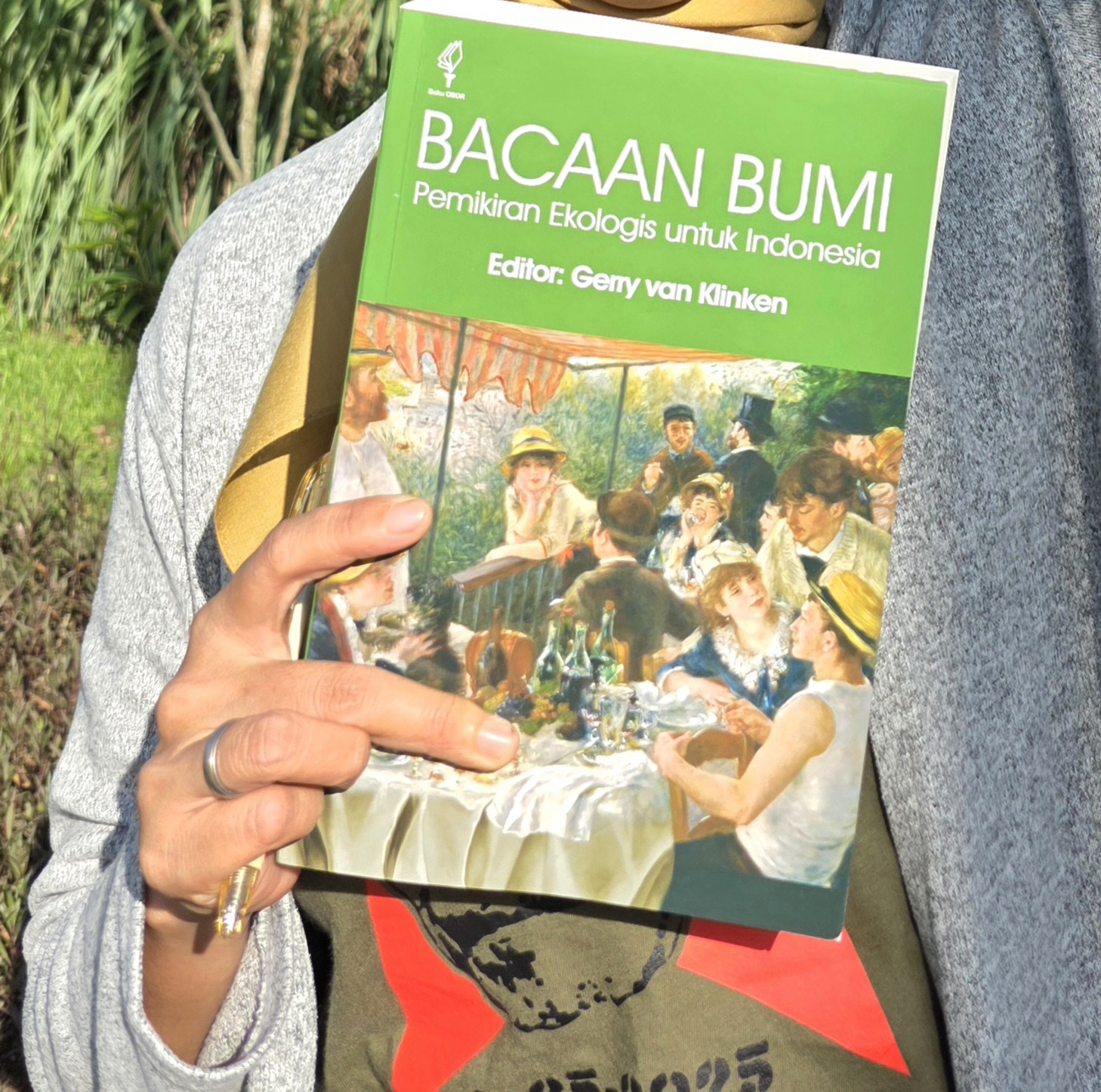
"Why should water be a commodity we must buy from a company?" Van Klinken asked. "Nature provides water. It should be free for all." He argues that the "commons"—territories owned and managed by the people—must be fought for to ensure that the environment is protected from the predatory nature of capital.
The path forward, according to Van Klinken, requires more than just better policy; it requires a spiritual and intellectual departure from the "cruelty and greed" of the current system. The disasters in Sumatra and Aceh are not just local tragedies but universal symbols of a global system in crisis. By fostering a new "ecological imagination," Van Klinken believes society can begin to build a world based on mutual care, support, and a renewed friendship with the natural world.
Conclusion: A Call for Radical Change
Gerry van Klinken’s tour and his book Bacaan Bumi serve as a timely reminder that the climate crisis is inextricably linked to the economic systems that govern human life. As Indonesia faces the dual challenge of pursuing economic growth and meeting international environmental commitments—such as the 2030 Biodiversity Convention goal to preserve 30% of land and sea—the insights of ecological thinkers become increasingly critical.
The Sumatra floods are a warning of what happens when the "exchange value" of a forest is prioritized over its life-sustaining functions. For Van Klinken, the solution lies in a total mobilization of society to demand an economy that serves both people and the planet. Only by breaking free from the "dikerdilkan" (stunted) imagination of capitalism can humanity hope to navigate the turbulent waters of the 21st century and establish a truly sustainable and just civilization.