Nasution Nanang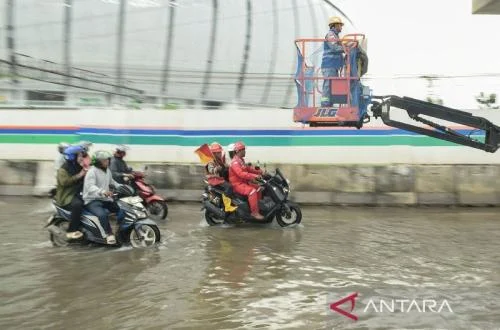
JAKARTA – Coastal communities across North Jakarta are bracing for a heightened risk of tidal flooding, locally known as rob, predicted to occur between April 5th and April 9th, 2026. This recurring phenomenon, which brings seawater inundation to low-lying coastal areas, is a significant concern for the densely populated northern districts of the capital. The DKI Jakarta Regional Disaster Management Agency (BPBD DKI Jakarta) has issued an official warning, attributing the anticipated flooding to a confluence of astronomical factors, primarily the maximum high tide coinciding with the full moon phase.
Understanding the Phenomenon: Astronomical Tides and Coastal Vulnerability
Tidal flooding, or rob, is a complex meteorological and oceanographic event driven by gravitational forces exerted by the Moon and the Sun on Earth’s oceans. The Earth’s rotation, combined with the varying positions of these celestial bodies, creates predictable patterns of high and low tides. The current forecast for North Jakarta points to a period of exceptionally high tides, known as spring tides, which are amplified when the Moon, Earth, and Sun are aligned, as occurs during a new moon or full moon. The upcoming full moon, coupled with other potential factors such as perigee (when the Moon is closest to Earth) and specific atmospheric pressure systems, can significantly elevate sea levels, pushing seawater further inland than usual.
According to the Maritime Meteorology Station Class I Tanjung Priok of the Meteorology, Climatology, and Geophysics Agency (BMKG), the peak of this maximum high tide is specifically anticipated to occur between 11:00 PM (23:00 WIB) and 2:00 AM (02:00 WIB) during the affected period. This nocturnal timing poses additional challenges for residents, as visibility is reduced and emergency response efforts can be more complex. The BMKG’s precise forecasting is crucial for early warning systems, allowing authorities and residents to take proactive measures.
"Our models indicate a strong correlation between the upcoming full moon phase and a significant increase in tidal amplitude," explained Dr. Siti Rahayu, a senior oceanographer at BMKG Maritime Meteorology Station Tanjung Priok, in a hypothetical statement. "This natural astronomical event, combined with existing geographical vulnerabilities of North Jakarta, necessitates a high level of alert. The timing of the peak tide in the late evening and early morning hours means residents must be especially vigilant during these critical periods."
Geographical Scope of Impact: Jakarta’s Vulnerable Coastline
The warning specifically highlights a broad swathe of North Jakarta’s coastal areas and the surrounding islands as potential impact zones. These include Kamal Muara, Kapuk Muara, Penjaringan, Pluit, Ancol, Kamal, Marunda, Cilincing, Kalibaru, Muara Angke, Tanjung Priok, and the Kepulauan Seribu (Thousand Islands) archipelago. These regions share common characteristics that make them particularly susceptible to tidal inundation.
Many of these areas are historically low-lying, lying at or even below sea level. Compounding this natural vulnerability is the severe issue of land subsidence, a phenomenon where the ground level gradually sinks due to excessive groundwater extraction and the natural compaction of alluvial soils. Jakarta is notorious for having one of the fastest rates of land subsidence globally, with some areas sinking by as much as 15-20 centimeters per year. This ongoing subsidence effectively lowers the protective barrier against rising sea levels, making rob events more frequent, severe, and extensive.
- Kamal Muara and Kapuk Muara: These areas, located at the western edge of North Jakarta, are characterized by extensive fish farming and informal settlements, making their populations highly vulnerable to economic disruption and displacement.
- Penjaringan and Pluit: Home to a mix of residential, commercial, and industrial zones, these areas have experienced severe rob in the past, often requiring extensive pumping efforts to drain floodwaters. The presence of critical infrastructure, including major roads and ports, means disruption here can have wider economic ramifications.
- Ancol: A prominent tourist destination with theme parks and resorts, Ancol’s vulnerability underscores the threat to both livelihoods and recreational infrastructure.
- Marunda and Cilincing: Located on the eastern side, these areas house significant industrial facilities and port operations, making them crucial economic hubs whose functionality can be severely hampered by flooding.
- Kalibaru, Muara Angke, and Tanjung Priok: These are vital port areas and fishing communities. Flooding here directly impacts maritime trade, logistics, and the livelihoods of thousands of fishermen and port workers.
- Kepulauan Seribu: While geographically distinct, these islands are also highly susceptible to rising sea levels and tidal surges, threatening their fragile ecosystems and the small island communities that depend on marine resources and tourism.
The extensive list of affected areas underscores the widespread nature of the threat and the need for a comprehensive, coordinated response across various administrative units.
A Recurring Challenge: Historical Context and Trends
Tidal flooding is not a new phenomenon for Jakarta’s coastal residents. For decades, communities in North Jakarta have grappled with the relentless encroachment of the sea. What was once an occasional inconvenience has become an increasingly regular and severe challenge. Data from previous years indicates a clear trend: rob events are occurring more frequently, lasting longer, and reaching further inland. This escalation is directly linked to the combined pressures of land subsidence and the global phenomenon of sea-level rise driven by climate change.
In recent years, major rob events have caused significant disruptions, closing roads, inundating homes, damaging infrastructure, and forcing temporary evacuations. The economic toll on coastal businesses, particularly those related to fisheries and small-scale commerce, is substantial, often leading to prolonged recovery periods. The psychological impact on residents, living under the constant threat of inundation, is also a growing concern. This historical context emphasizes that the current warning is part of an ongoing battle against environmental challenges that require sustained, multi-faceted solutions.
Official Response and Preparedness Measures
In light of the BMKG’s forecast, BPBD DKI Jakarta has intensified its public awareness campaigns and preparedness protocols. The agency has issued a strong appeal to residents in the identified coastal areas to remain highly vigilant regarding changing weather patterns and the potential for coastal flooding.
"We urge all residents in the affected zones to prioritize their safety and take all necessary precautions," stated Mr. Budi Santoso, Head of BPBD DKI Jakarta, in a statement designed to inform the public. "Our teams are on standby, coordinating with local authorities and emergency services. We have activated our monitoring systems and are prepared to deploy resources should the situation escalate. Community cooperation is paramount; please heed all warnings and instructions from official sources."
Specific recommendations from BPBD include:
- Avoid Risky Activities: Residents are strongly advised to avoid activities in areas prone to flooding, especially during the predicted peak tide hours. This includes avoiding walking or driving through floodwaters, which can hide hazards like open manholes or strong currents.
- Ensure Drainage System Functionality: BPBD emphasizes the critical role of well-maintained drainage systems. Citizens are encouraged to inspect and clear any blockages in their immediate surroundings, such as gutters and small canals, to facilitate water runoff and minimize localized flooding.
- Monitor Official Information: Continuous monitoring of official updates regarding sea levels and weather forecasts from BPBD DKI Jakarta’s official website and social media channels is crucial. Reliable information helps residents make informed decisions about their safety and property.
- Emergency Contact: In the event of an emergency, residents are reminded to contact the Call Center Jakarta Siaga 112. This 24/7 service provides immediate assistance for various emergencies, including disaster response.
Beyond public advisories, BPBD DKI Jakarta is coordinating closely with local government units (kelurahan and kecamatan levels), the Indonesian National Police (POLRI), and the Indonesian National Armed Forces (TNI) to ensure rapid deployment of personnel and equipment if needed. Emergency shelters, food supplies, and medical teams are being readied as part of a comprehensive disaster response plan.
Long-Term Strategies: Building Resilience in a Sinking City
The recurring threat of rob in North Jakarta underscores the urgent need for long-term, strategic interventions to enhance the city’s resilience against sea-level rise and land subsidence. The Indonesian government, in collaboration with international partners, has initiated several ambitious projects aimed at mitigating these risks.
One of the most prominent is the National Capital Integrated Coastal Development (NCICD) project, often referred to as the "Giant Sea Wall." This multi-phased project involves the construction of massive dikes and coastal fortifications along Jakarta’s northern coastline. While controversial due to its environmental and social impacts, the project aims to create a protective barrier against tidal surges and allow for the controlled management of freshwater and wastewater within the protected lagoon. The current rob prediction highlights the ongoing urgency of such large-scale infrastructure projects.
In addition to mega-projects, other strategies include:
- Groundwater Abstraction Control: Strict regulations and enforcement are being implemented to reduce reliance on groundwater, a major contributor to land subsidence. This involves expanding access to piped municipal water and promoting alternative water sources.
- Pumping Stations and Retention Ponds: Investment in high-capacity pumping stations and the development of numerous retention ponds (polder systems) are crucial for managing floodwaters once they enter the urban landscape. These systems are designed to quickly drain inundated areas back into the sea or into designated reservoirs.
- Mangrove Reforestation: Natural solutions, such as the restoration and expansion of mangrove forests along the coast, are being pursued. Mangroves serve as natural barriers, dissipating wave energy, trapping sediment, and stabilizing coastlines, thereby reducing the impact of tidal surges.
- Urban Planning and Relocation: Long-term urban planning strategies are exploring the possibility of relocating vulnerable communities to higher ground, although this remains a socially sensitive and complex issue. Developing flood-resilient building codes and urban designs is also a key focus.
These multifaceted approaches require sustained political will, significant financial investment, and robust scientific research to adapt to the dynamic environmental challenges faced by Jakarta.
Socio-Economic and Environmental Implications
The implications of persistent tidal flooding extend far beyond immediate inundation. The socio-economic fabric of North Jakarta is profoundly affected.
- Economic Impact: Businesses, particularly small and medium-sized enterprises (SMEs) operating in coastal areas, suffer significant losses from damaged inventory, disrupted operations, and reduced customer traffic. Fishermen face challenges in accessing their boats and fishing grounds, impacting their daily income. The damage to public and private infrastructure, including roads, homes, and utility networks, incurs substantial repair costs.
- Social Impact: Residents, especially those in informal settlements, face repeated displacement, loss of homes, and psychological stress. Access to essential services like education and healthcare can be disrupted. Health risks associated with stagnant floodwaters, such as waterborne diseases and mosquito-borne illnesses, also increase.
- Environmental Impact: Tidal intrusion leads to the salinization of freshwater sources, impacting agriculture in peri-urban areas and making well water unusable for drinking or bathing. Coastal ecosystems, already stressed by pollution and habitat loss, face further degradation.
Community Vigilance and Adaptive Strategies
While government agencies play a crucial role, the effectiveness of disaster mitigation also heavily relies on community participation and preparedness. Residents are encouraged to develop personal and family emergency plans, including identifying safe evacuation routes, preparing emergency kits (containing food, water, first aid, important documents), and ensuring communication plans are in place. Community-level initiatives, such as local disaster response teams and mutual aid networks, can significantly enhance resilience. Educating children about flood safety and involving them in preparedness activities also builds a more resilient future generation.
The Broader Picture: Climate Change and Future Outlook
Jakarta’s struggle with rob and land subsidence is often cited as a stark example of a major global city grappling with the combined effects of localized environmental degradation and global climate change. The Intergovernmental Panel on Climate Change (IPCC) projects continued sea-level rise throughout the 21st century, making coastal cities worldwide increasingly vulnerable. For Jakarta, this means that even with ambitious mitigation projects, the threat of tidal flooding will likely remain a persistent challenge.
The relocation of Indonesia’s capital to Nusantara in East Kalimantan, partly driven by Jakarta’s environmental challenges, underscores the severity and long-term nature of these issues. However, North Jakarta and its millions of inhabitants will continue to require comprehensive strategies to adapt and thrive in the face of a changing climate. The current rob warning serves as another crucial reminder of the continuous effort required to safeguard the lives and livelihoods of those living on the front lines of climate change.
Conclusion
As North Jakarta prepares for the predicted tidal flooding from April 5th to 9th, 2026, the emphasis remains on vigilance, preparedness, and coordinated action. The confluence of astronomical high tides and the city’s inherent vulnerabilities necessitates a robust response from authorities and active participation from the community. Beyond immediate measures, this event reiterates the critical importance of long-term strategies, sustainable urban planning, and a unified approach to combat the escalating challenges posed by land subsidence and global climate change, ensuring the safety and resilience of Jakarta’s vibrant coastal communities.