Chalifah Fatihah
Jakarta, CNN Indonesia – While many kitchen tools appear durable and functional, a closer examination reveals that a significant number of everyday cooking implements require more frequent replacement than commonly assumed. Neglecting to do so can pose subtle yet serious risks to both food safety and overall household health. This advisory highlights seven categories of kitchen equipment that warrant regular evaluation and timely replacement, even when they show no outward signs of damage.
The kitchen serves as the heart of many homes, a space dedicated to the creation and preparation of sustenance. From the daily ritual of preparing family meals to hosting guests for elaborate dinners, the tools we employ are instrumental. However, the passage of time and consistent use inevitably degrade these implements, diminishing their effectiveness and, in some cases, turning them into potential health hazards. A proactive approach to maintaining kitchenware is crucial for ensuring a safe and hygienic cooking environment.
The Case for Regular Kitchenware Replacement
The rationale behind replacing certain kitchen items more frequently stems from both practical concerns regarding functionality and critical considerations for public health. Bacteria and harmful microorganisms can thrive in unseen crevices and worn surfaces, compromising the integrity of food preparation. Furthermore, the degradation of materials can lead to the leaching of unwanted substances into food, or the physical breakdown of the item itself, potentially causing injury or contamination.
1. Plastic Cutting Boards: A Breeding Ground for Bacteria
Plastic cutting boards, lauded for their lightweight nature and ease of cleaning, present a significant concern when their surfaces become deeply scored. While they may appear to be in good condition, the microscopic grooves etched by knives create an ideal environment for bacterial proliferation. This is particularly true when raw meats, poultry, or seafood are handled, as these items are known to harbor pathogens such as Salmonella and E. coli.
According to research published by Southern Living, these seemingly minor abrasions can become difficult to sanitize effectively, even with rigorous washing. Over time, these bacteria can transfer to other foods, increasing the risk of foodborne illness. A general guideline suggests replacing plastic cutting boards annually, or immediately upon noticing significant scoring. As a more sustainable and potentially healthier alternative, consider the use of wooden cutting boards. While they also require proper maintenance, many types of wood possess natural antimicrobial properties, and they are often considered more durable and less prone to deep scoring than their plastic counterparts.
2. Kitchen Towels and Dishcloths: Beyond the Wash Cycle
Ubiquitous in every kitchen, towels and dishcloths serve a multitude of purposes: drying hands, wiping down counters, and handling hot cookware. Despite frequent laundering, the fibers of these textiles inevitably degrade over time. This wear and tear not only reduces their absorbency, making them less effective for their intended tasks, but also makes them susceptible to retaining unpleasant odors, even after washing.
A dishcloth that feels rough to the touch or emits a persistent musty smell, even post-wash, is a strong indicator that its lifespan has been exceeded. These compromised textiles can harbor lingering bacteria and mold, reintroducing them to surfaces and dishes. Replacing these items regularly, perhaps every six months to a year depending on usage and frequency of washing, is a simple yet impactful step in maintaining kitchen hygiene. Opting for high-quality, durable fabrics can extend their usable life, but vigilance regarding their condition remains paramount.
3. Sponges and Scrubbers: Microscopic Havens for Mold and Bacteria
The damp, porous nature of kitchen sponges and scrubbers makes them prime real estate for mold and bacteria. The constant exposure to moisture and food residue creates an environment conducive to rapid microbial growth. The Spruce reports that experts often recommend replacing kitchen sponges at least once a month, or even more frequently if they exhibit signs of discoloration or emit an odor.
The microscopic structure of a sponge, while effective for cleaning, also traps food particles and moisture, providing a nutrient-rich habitat for microorganisms. Failure to replace sponges regularly can lead to the inadvertent spread of bacteria throughout the kitchen, contaminating surfaces and utensils. Investing in high-quality sponges and adhering to a strict replacement schedule is a small price to pay for enhanced food safety and a healthier kitchen environment. Consider a rotation system, where one sponge is in use while another is drying or awaiting replacement.
4. Non-Stick Cookware: When the Coating Fails
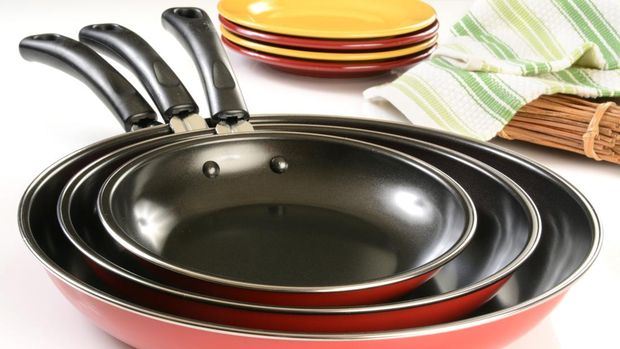
For those who frequently cook, a close inspection of non-stick pots and pans is essential. The defining characteristic of this cookware is its specialized coating, designed to prevent food from adhering to the surface. However, this coating is not impervious to damage. Scratches, chips, or peeling of the non-stick layer compromise its effectiveness and, more importantly, can lead to the release of potentially harmful substances into food.
When the non-stick surface begins to degrade, its ability to prevent sticking diminishes, requiring more cooking oil and potentially leading to uneven cooking. More critically, as the coating flakes off, small particles can become incorporated into meals. This poses a health risk, as some non-stick coatings, particularly older generations containing perfluorooctanoic acid (PFOA), have been linked to adverse health effects. Manufacturers now predominantly use PFOA-free coatings, but the principle remains: a damaged non-stick surface should be retired. The visual cue of scratches is a clear signal that it’s time for replacement, safeguarding both the quality of your cooking and the health of your family.
5. Plastic Food Storage Containers: Maintaining Freshness and Preventing Odor Transfer
Plastic food storage containers are indispensable for preserving leftovers and packing lunches. However, over time, they can become difficult to clean, develop stubborn stains, and retain lingering food odors. When a container can no longer be thoroughly cleaned or smells perpetually of its previous contents, its effectiveness is significantly diminished.
According to Real Simple, older plastic containers are also less efficient at maintaining the freshness of food. Microscopic pores in the plastic can absorb odors and stains, and the material itself can degrade, potentially impacting the taste and safety of stored food. Regular replacement of these containers ensures that food remains fresh for longer and prevents the unwanted transfer of flavors between different dishes. Opting for glass or high-quality BPA-free plastic containers can offer greater durability and resistance to staining and odor absorption.
6. Deep Fryer Baskets and Strainers: Enduring Heat and Pressure
The robust construction of deep fryer baskets and strainers is designed to withstand the demands of hot oil and significant weight. However, the continuous exposure to high temperatures and the physical stress of handling large quantities of food can lead to wear and tear. Over time, the mesh of the strainer can become loose, or individual wires can break.
These imperfections not only reduce the efficiency of the tool but also present a potential safety hazard. Loose wires could detach and contaminate food, and a weakened basket could fail, leading to spills and burns. To mitigate these risks, it is advisable to replace deep fryer baskets and strainers approximately every one to one and a half years, depending on the frequency of use. This regular replacement ensures that the integrity of the tool is maintained, preventing accidental contamination and enhancing user safety during deep-frying operations.
7. Rubber Spatulas: The Subtle Signs of Deterioration
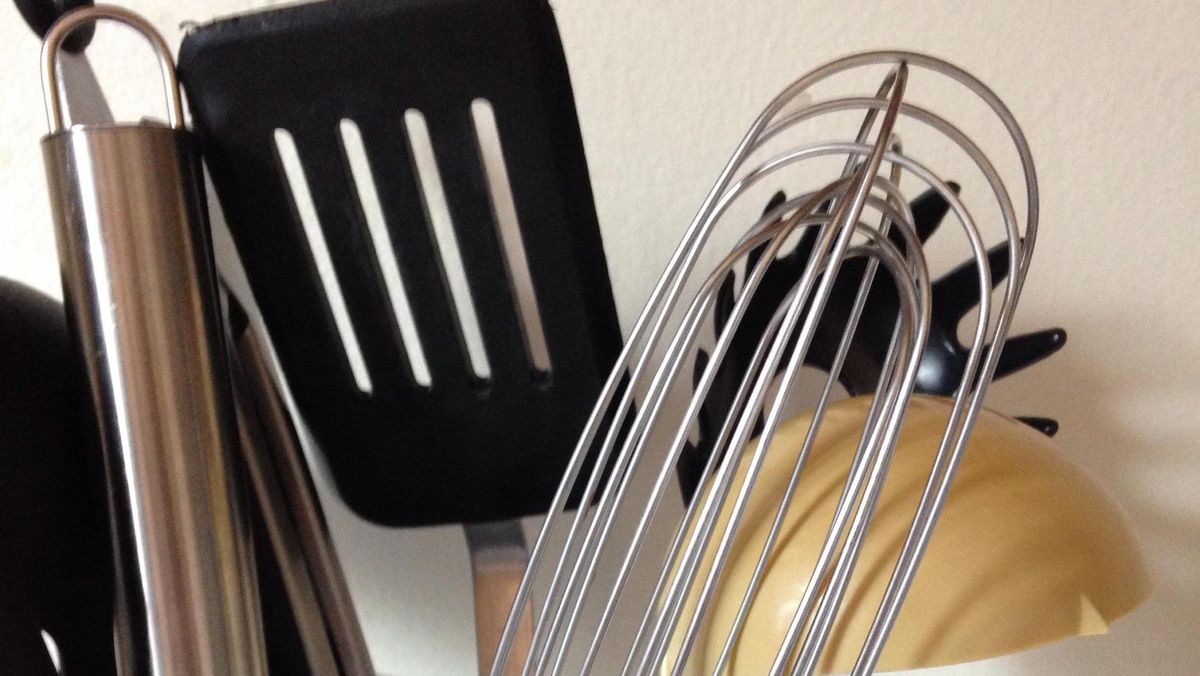
Rubber spatulas, valued for their heat resistance and flexibility, are workhorses in many kitchens. Despite their apparent resilience, they too require periodic replacement. Cracks, tears, or signs of brittleness indicate that the spatula is no longer performing optimally and may also be harboring bacteria.
Even minor damage to the rubber can create crevices where food particles and bacteria can accumulate, making them difficult to sanitize. A spatula that has lost its smooth surface or exhibits any form of degradation can also affect the quality of cooking, particularly in delicate tasks like folding ingredients or scraping bowls. Ideally, rubber spatulas should be replaced every six months, or sooner if any signs of damage are apparent. This proactive approach ensures that this versatile tool continues to function effectively and hygienically, contributing to safe and efficient food preparation.
A Proactive Approach to Kitchen Safety
The regular assessment and replacement of kitchenware are not merely about maintaining aesthetics or optimal functionality; they are fundamental aspects of ensuring food safety and safeguarding the health of household members. By understanding the potential risks associated with worn-out kitchen items and adopting a mindful approach to their maintenance, individuals can significantly enhance the hygiene and safety of their culinary environments.
The act of frequently inspecting one’s kitchen inventory and making timely replacements is a crucial, yet often overlooked, practice. It empowers individuals to create a healthier living space and to confidently prepare meals for themselves and their loved ones. Therefore, a consistent habit of checking and replacing these essential kitchen tools should be integrated into routine household management, fostering a safer and more wholesome kitchen experience for all.