
 Lina Irawan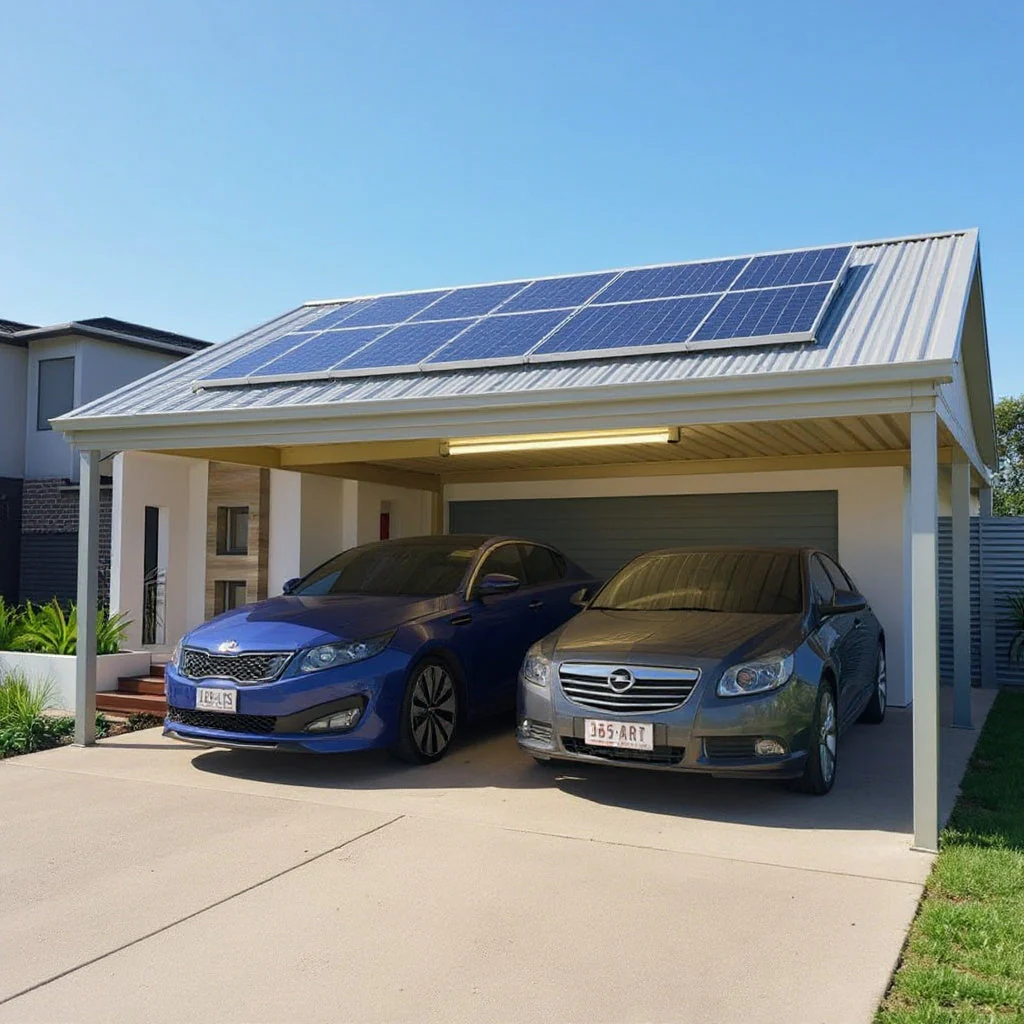
The decision of choosing a carport roof material demands meticulous consideration, balancing critical factors such as heat resistance, noise dampening during rain, and structural readiness for potential solar panel installation. While popular options like polycarbonate offer transparency, they often lead to uncomfortable heat buildup. Metal deck, though exceptionally durable, is notorious for its noisy performance during rainfall. Alternative materials, such as thick UPVC, emerge as compelling choices, effectively mitigating heat and sound while possessing sufficient strength to support solar panels. This pivotal decision extends far beyond mere cost, directly impacting daily comfort and the long-term value of a property. Rushed choices, often driven by the allure of the lowest price, can lead to persistent issues, from disruptive rain noise to car interiors resembling ovens on a scorching afternoon.
Many homeowners, enticed by budget-friendly offers, overlook the long-term ramifications of their carport roof selection. The persistent drumming of heavy rain at night, for instance, can significantly disrupt household tranquility. The ambient temperature and overall serenity of areas adjacent to the home are deeply intertwined with family comfort and well-being. Before finalizing an agreement with any vendor, a thorough understanding of each carport roof material’s advantages and disadvantages is paramount. This comprehensive guide, grounded in current construction standards and expert insights, aims to dissect the strengths and weaknesses of various materials, ensuring an informed and strategic decision.
The Evolving Role of Carports: Beyond Basic Shelter
Historically, carports served a singular, pragmatic purpose: to protect vehicles from the elements. Today, their function has expanded considerably, transforming into integral extensions of modern homes that can enhance aesthetics, improve comfort, and even contribute to energy independence. This shift necessitates a more sophisticated approach to material selection. No single carport roof material offers a universally perfect solution; each presents a unique blend of benefits and drawbacks, requiring homeowners to prioritize their specific needs and environmental conditions.
Before commissioning a carport, it is crucial to define primary objectives. Is the primary concern the disruptive noise of rain, requiring superior acoustic insulation? Or is maintaining a cool, well-ventilated space essential for preserving a car’s paintwork and interior? Furthermore, anticipating future home improvements, such as the growing trend of integrating solar photovoltaic (PV) systems, is a vital aspect of modern carport planning. Carports, with their typically open and unshaded locations, often represent ideal sites for solar panel installation. If there is an intention to install solar panels in the future, the carport’s structural integrity must be meticulously engineered from the outset. Failing to do so could necessitate costly and disruptive structural reinforcements or complete rebuilding of the steel framework later on.
Detailed Analysis of Carport Roof Materials
Understanding the specific properties of each material is key to making an informed choice.

Polycarbonate: The Transparent Dilemma
Polycarbonate remains a widely popular choice for residential carports due to its inherent lightness, high impact resistance, and ability to transmit natural light, preventing the garage area from feeling dim or enclosed. It typically comes in two main types: hollow and solid. Solid polycarbonate sheets are often favored for their aesthetic resemblance to glass, offering clarity without the fragility.
However, a significant drawback of polycarbonate is its tendency to allow heat to penetrate and accumulate beneath, creating a "greenhouse effect." While cars are protected from direct UV exposure—most quality polycarbonate sheets include UV protection layers—the ambient temperature in the surrounding area can rise sharply, especially if air circulation is inadequate. This can make the carport uncomfortable for occupants and potentially accelerate the aging of vehicle components over time. Furthermore, polycarbonate requires regular cleaning to maintain its pristine appearance; dust, grime, and moss or algae can easily become visible from below, detracting from its aesthetic appeal. From an acoustic perspective, while better than some metals, rain noise can still be quite noticeable. Over time, cheaper polycarbonate varieties may also yellow or become brittle, necessitating replacement.
Metal Deck (Spandek): Durability vs. Decibels
For those prioritizing low maintenance and extreme durability, metal deck, commonly known as Spandek in many regions, presents a robust option. Fabricated from alloyed metals such as Zincalume or Galvalum, these sheets are renowned for their ability to withstand years of harsh weather, from intense sun to torrential downpours. The installation of metal sheeting is typically swift and straightforward. Its corrugated profile efficiently channels rainwater away, effectively eliminating the risk of water pooling and subsequent leaks.
The primary disadvantage of metal deck is its high acoustic conductivity. The sound of rain on a metal roof can be exceedingly loud, often described as akin to drumming, and this noise can readily transmit into the adjacent home, causing significant disturbance to occupants. Moreover, metal is an excellent conductor of heat. On sunny days, the roof absorbs solar radiation rapidly, transferring this heat directly to the area below. To mitigate this, professional installers often recommend adding an insulating layer, such as rockwool or glasswool, beneath the roof structure to create a thermal barrier and dampen sound. Despite this, the inherent thermal mass of metal can still contribute to a warmer environment.
UPVC Premium: The Solution for Comfort and Quiet
Unplasticized Polyvinyl Chloride (UPVC) with a double-wall construction has gained significant traction as a premium and highly comfortable roofing material. The integrated air pockets within its double-layered structure act as an exceptional thermal barrier, drastically reducing heat transfer, and simultaneously serve as a highly effective sound dampener, minimizing external noise.

Carports covered with UPVC roofing feel noticeably cooler during the day, even under direct sunlight. When heavy rain falls, the impact sound is transformed into a subdued rumble rather than a jarring din, ensuring peace and quiet inside the home. Aesthetically, UPVC sheets offer a thick, clean, and finished look from below, often negating the need for an additional ceiling or soffit, thus saving on further finishing costs. The material is also highly resistant to fading and degradation from UV exposure and weathering, ensuring its color and structural integrity remain intact for many years.
The main drawback of UPVC is its higher initial cost compared to polycarbonate or standard metal deck. Additionally, its greater weight necessitates a more robust supporting framework, often requiring thicker gauge steel or more substantial structural elements to ensure safety and longevity. This increased structural demand contributes to the overall installation cost but guarantees a highly durable and comfortable solution.
Key Design and Functionality Considerations
Beyond the material itself, several design and functional elements play a crucial role in a carport’s effectiveness.
Thermal Regulation: Battling the Heat Beneath
Heat buildup beneath a carport is not merely an issue of comfort; prolonged exposure to high temperatures can accelerate the degradation of a car’s paint, tires, and interior components. An effective carport roof must actively mitigate thermal gain. The material’s Solar Reflectance Index (SRI), which measures its ability to reflect solar energy and emit absorbed heat, is a critical indicator. Light-colored materials, particularly white, boast higher SRIs, reflecting more sunlight and absorbing less heat compared to darker colors which tend to absorb and re-radiate heat downwards.
Innovative design elements can further enhance thermal comfort. A tiered or multi-level roof design, for instance, incorporates ventilation gaps that allow hot air to escape and be replaced by cooler ambient air from below, creating a convective flow. Strategic landscaping, such as planting climbing vines around the carport’s support pillars, can also contribute significantly. The foliage absorbs solar radiation, creating a cooler microclimate and offering additional shade during the intense afternoon sun.
Acoustic Comfort: Silencing the Storm

The impact of rain noise is often an underestimated factor in carport design, yet a noisy roof can severely disrupt the tranquility of a home, especially during heavy nocturnal downpours. As noted, metal and Spandek roofs are the most acoustically challenging, followed by polycarbonate. For homes where quiet is paramount, UPVC with its double-walled construction or even solid concrete slabs (for permanent structures) offer superior sound dampening. The inherent air gaps in UPVC sheets effectively break up and absorb sound waves, significantly reducing noise transmission.
For existing metal or Spandek roofs, or when budget constraints dictate their use, several mitigation strategies can be employed. Installing an insulating layer of sound-absorbing material, such as glasswool or rockwool, beneath the metal sheets can drastically reduce noise. Alternatively, adding a PVC ceiling panel beneath the roof structure can serve a dual purpose: improving aesthetics and providing an additional acoustic barrier. Furthermore, incorporating rubber gaskets or vibration dampeners at the points where the roof sheets are fastened to the frame can help minimize the transfer of structural vibrations, further reducing noise.
Future-Proofing: Integrating Solar Power
The increasing global shift towards renewable energy makes the integration of solar panels a highly attractive feature for modern homes. Carports, by virtue of their open exposure to sunlight, are prime candidates for hosting solar PV systems. Designing a carport roof to support solar panels from the outset represents a substantial long-term investment, significantly reducing future renovation costs.
However, this requires careful structural engineering. A single solar panel typically weighs between 20-25 kg. For multiple panels, the cumulative load can easily amount to several hundred kilograms, demanding a robust support structure. Thin light steel or galvalum frames are generally unsuitable. Instead, heavier gauge materials like Wide Flange (WF) steel beams or thick hollow iron (minimum 2mm wall thickness) are recommended to ensure the structural integrity and safety required for such a significant load.
Beyond strength, the roof’s pitch is crucial for optimal solar energy capture. An inclination of approximately 10 to 15 degrees is generally recommended to maximize sunlight exposure throughout the day. This angle also serves a practical purpose, facilitating the natural cleaning of panel surfaces by rainwater, which helps wash away dust and debris that could otherwise impede efficiency. Finally, planning for proper cable management is essential. Concealing electrical conduits and wiring from the carport roof to the main electrical panel within the house from the initial construction phase ensures a clean, uncluttered aesthetic and enhances safety. This foresight not only boosts the property’s value but also contributes to greater energy independence.
Aesthetic Harmony: Blending with Home Architecture
A carport, being a prominent feature at the front of a property, must seamlessly integrate with the home’s architectural style. An ill-conceived design can detract from the overall curb appeal. The framework and roofing material should complement the main building’s aesthetic.

For minimalist homes, a sleek carport design featuring steel frames clad with neat decorative panels, painted in dark tones to harmonize with the house’s exterior palette, can create a cohesive look. For those who favor a natural aesthetic, combining robust steel frames with wooden lattice elements for the underside of the carport roof can impart a strong yet warm and inviting ambiance. In scenarios where space is limited, strategic design is paramount. Avoiding central support pillars that could impede vehicle maneuverability is crucial. Cantilevered designs or long-span steel structures can provide ample parking space without obstructive supports, maximizing functionality in confined areas.
The Financial Equation and Vendor Selection
The cost of a carport roof is inevitably a primary consideration, but focusing solely on the lowest initial price can be a false economy. Hidden costs associated with frequent maintenance, repairs, or premature replacement can quickly inflate the total expenditure over time.
Polycarbonate and standard metal deck are typically the most affordable options initially. While their upfront investment is lower, homeowners should be prepared for potential future expenses, such as replacing yellowed polycarbonate or addressing leaks in metal roofs, and certainly for mitigation measures against noise and heat. Conversely, while UPVC roofing demands a higher initial outlay, it delivers immediate benefits: a clean, shaded, and quiet space that often requires no additional finishing work like ceiling installation. The long-term durability and performance can justify the higher upfront cost, translating into better value over its lifespan. The additional investment in reinforcing the carport structure for future solar panels, while increasing initial costs, is a prudent decision that significantly enhances the property’s future market value and energy efficiency.
Choosing the right vendor or fabrication workshop is as critical as selecting the material. Beware of workshops that offer attractive 3D designs but lack substance. It is imperative to engage vendors who can provide detailed structural calculations and clear explanations, particularly when considering the heavy load of solar panels. Any hesitation or vague pricing in response to such inquiries should be a red flag, prompting a search for more competent and transparent contractors.
A written warranty, covering potential issues like leaks for at least a year, is non-negotiable. Even the most aesthetically pleasing carport design can be rendered impractical by a faulty drainage system. Gutter size must be meticulously calculated to accommodate the roof’s area, preventing overflow during heavy rainfall. Narrow, enclosed gutters should be avoided, as they are prone to blockages from leaves and debris. Wider, open-channel gutters are far more effective at preventing clogs and are easier to inspect and clean regularly.
Frequently Asked Questions Regarding Carport Roofing
Can polycarbonate effectively block heat?
While solid polycarbonate materials often include UV protection to prevent vehicle paint damage, they generally allow significant heat transfer, leading to warmth underneath. To mitigate this, consider installing the roof at a minimum height of 3 meters and ensure adequate cross-ventilation pathways. Opting for tinted or opaque polycarbonate can also help reduce solar gain.

What structural strength is required for supporting solar panels?
A carport frame intended to support solar panels must be engineered to withstand substantial permanent dead loads. Light steel or thin galvalum frames are typically insufficient. It is highly recommended to use robust materials such as Wide Flange (WF) steel beams or thick hollow iron (with a wall thickness of at least 2 mm) to guarantee the necessary load-bearing capacity and safety. Consult with a structural engineer for precise calculations.
How can I reduce noise from an existing metal deck roof?
Demolishing an existing metal roof is usually unnecessary. Effective noise reduction can be achieved by installing sound-absorbing insulation, such as glasswool or rockwool, directly beneath the metal sheets. Alternatively, installing a PVC ceiling below the roof provides both aesthetic improvement and an additional layer of sound dampening, significantly reducing the impact noise of rain. Adding rubber washers or dampeners at fastening points can also help.
The selection of a carport roof is a multifaceted decision that intertwines structural integrity, environmental comfort, aesthetic appeal, and long-term financial prudence. By carefully weighing the characteristics of materials like polycarbonate, metal deck, and UPVC against specific needs and future aspirations, homeowners can invest in a carport that not only protects their vehicles but also enhances their living environment and contributes to a sustainable future. Consulting with professional contractors and architects is paramount to ensure that any structural modifications are sound and safe.








