Nila Kartika Wati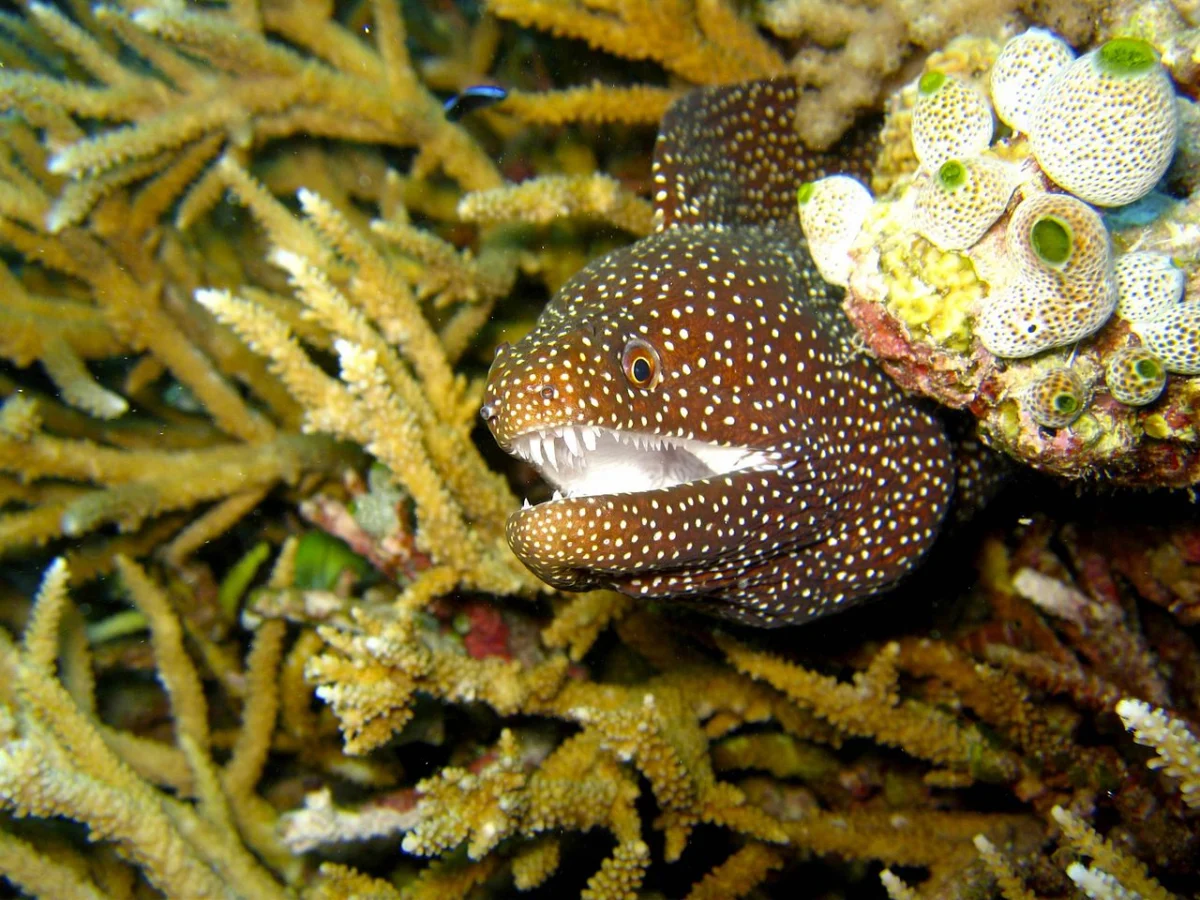
At first glance, its physical appearance closely mirrors that of a terrestrial snake, yet it possesses a significantly heavier mass and a body length that can reach up to four meters. Known scientifically as the moray eel, and referred to locally in various Indonesian coastal regions as edor-edor or armang, this creature is a vital yet elusive inhabitant of the world’s most pristine coral reef ecosystems. Despite its common name and eel-like appearance, the moray is actually a specialized type of ray-finned fish belonging to the order Anguilliformes and the family Muraenidae. Currently, there are approximately 200 recognized species of moray eels distributed across diverse marine environments globally, ranging from shallow tropical reefs to deeper temperate waters.
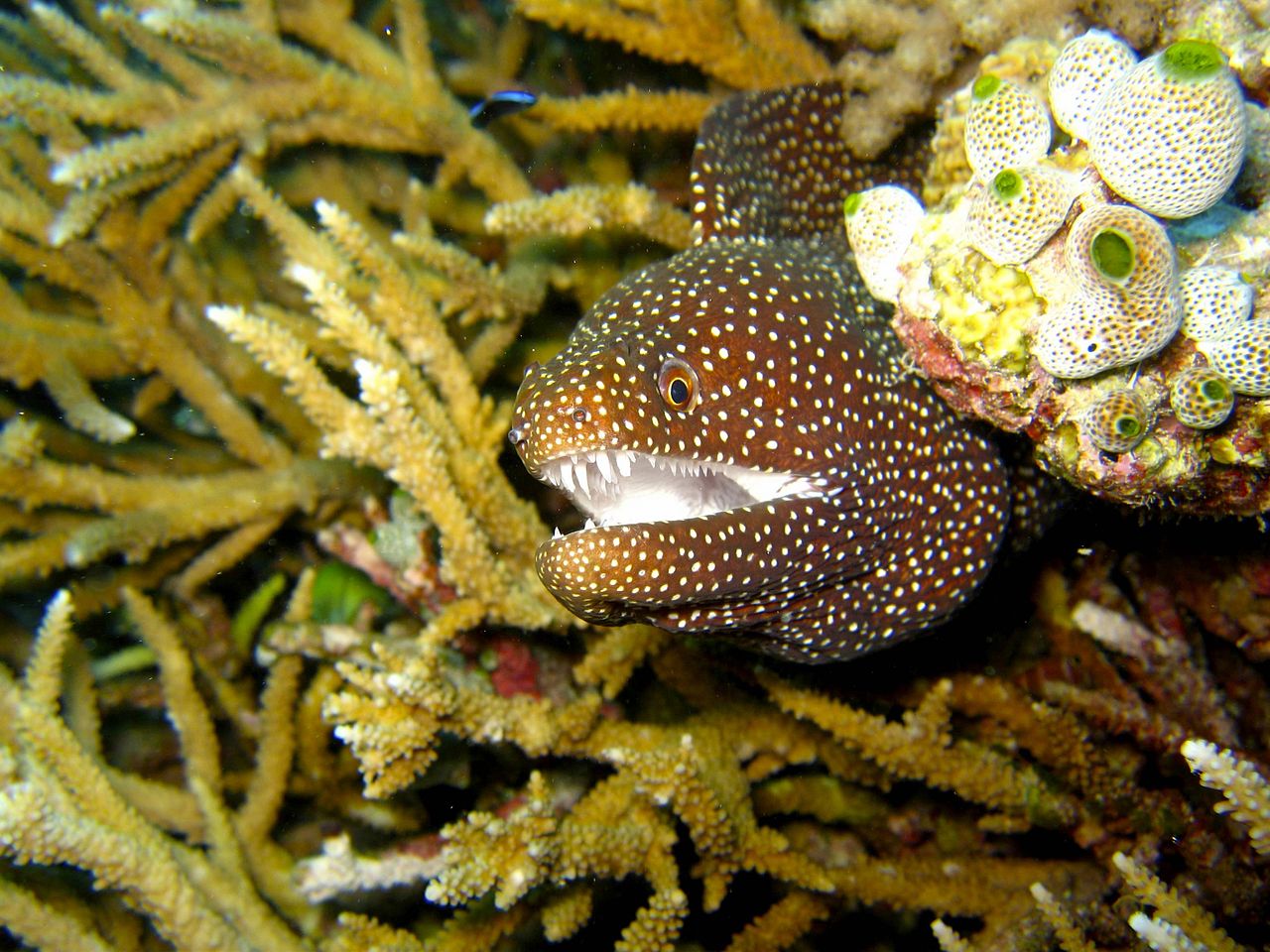
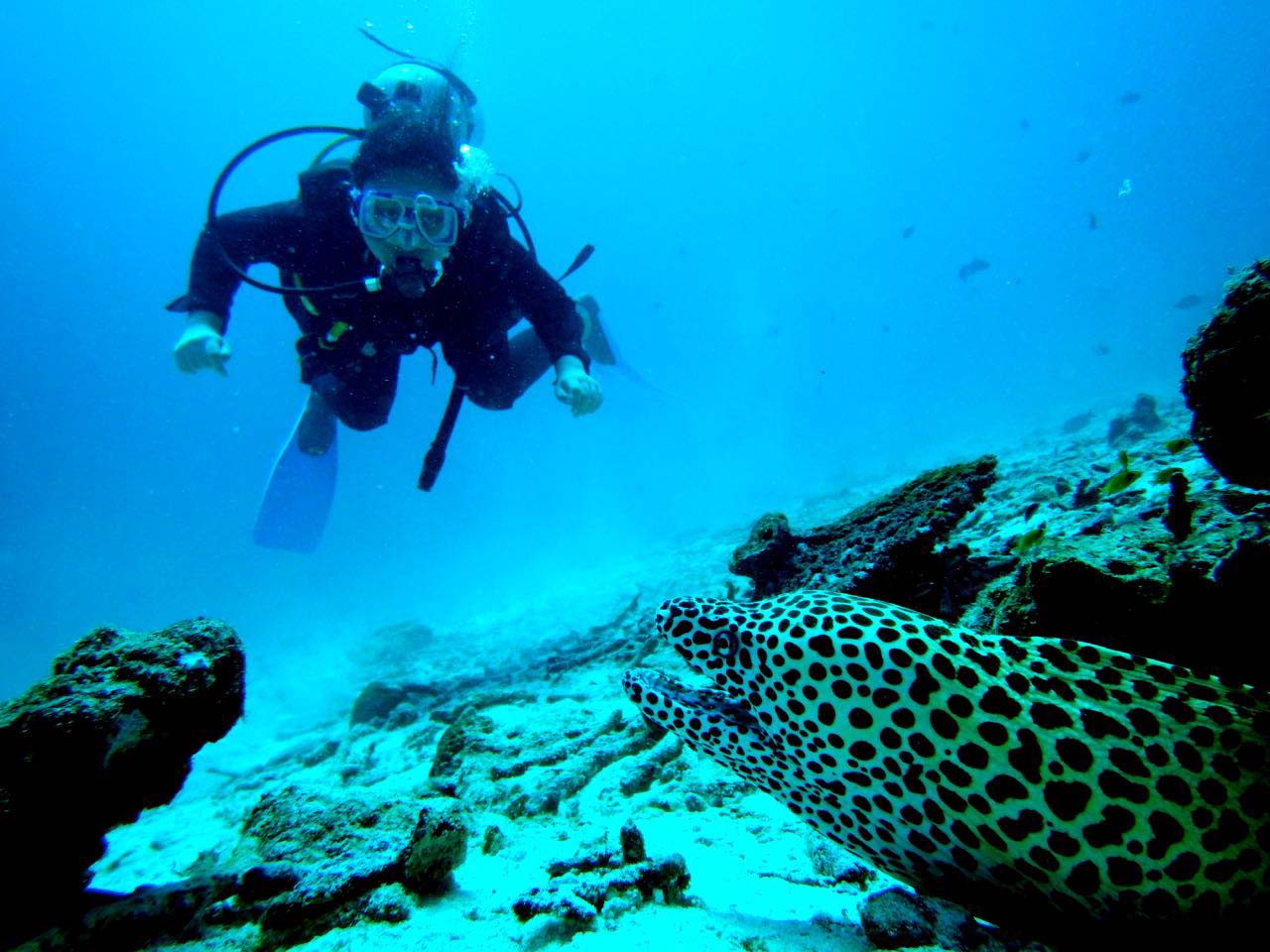
In the vast spectrum of moray eel diversity, the variations in size and morphology are striking. The freshwater moray (Gymnothorax polyuranodon) is recognized as one of the smallest members of the family, with a maximum recorded length of only 11.5 centimeters. At the opposite end of the scale, the slender moray (Strophidon sathete) holds the record for length, stretching up to four meters. However, when considering sheer mass, the giant moray (Gymnothorax javanicus) is the undisputed heavyweight of the family, capable of reaching a weight of 36 kilograms and a length of three meters. These creatures are characterized by their elongated, muscular bodies which lack scales and are instead protected by a thick layer of slippery mucus. Unlike many other fish species, morays lack pectoral and pelvic fins, and their gill openings are reduced to small, circular holes. Their most formidable feature, however, is a wide mouth equipped with powerful, razor-sharp teeth designed to seize prey and defend against threats.
The Biological Marvel of the Moray Eel
The moray eel’s anatomy is a masterpiece of evolutionary adaptation for life within the crevices of coral reefs. Their skin, though lacking scales, is remarkably tough and reinforced by a high density of goblet cells that secrete a protective slime. This mucus serves a dual purpose: it allows the eel to slide easily through abrasive coral branches without injury and, in some species, contains toxins that deter parasites and predators. Furthermore, the absence of fins allows for a high degree of maneuverability in tight spaces, enabling the moray to reverse out of holes or twist its body into knots to gain leverage when feeding.
A unique biological trait of the moray eel, which distinguishes it from almost all other vertebrates, is its possession of pharyngeal jaws. While the primary oral jaws are used to grasp prey, a second set of jaws located in the throat—the pharyngeal jaws—shoots forward into the mouth to seize the prey and pull it down into the esophagus. This "Alien-like" mechanism is essential because morays cannot create the suction necessary to swallow prey in the way most fish do. This specialized hunting apparatus allows them to consume large fish and cephalopods that would otherwise be difficult to manage in the narrow confines of a reef.
While many morays possess the iconic long, needle-like teeth associated with carnivorous predators of slippery fish, not all species share this dentition. Certain moray eels have evolved blunt, molar-like teeth specifically designed for crushing the hard shells of crustaceans and mollusks. This niche differentiation allows multiple species of moray eels to coexist within the same reef system without competing directly for the same food sources.
Indonesia: A Global Sanctuary for Moray Eel Diversity
The Indonesian archipelago, situated at the heart of the Coral Triangle, serves as a premier habitat for moray eels. These creatures thrive in tropical and subtropical waters, particularly in shallow areas where coral reefs and rocky outcrops provide an abundance of hiding spots. For divers and marine biologists alike, Indonesia is a living laboratory of moray diversity. One of the most significant hotspots is the Raja Ampat Regency in Southwest Papua. The unique karst topography, combined with extensive mangrove forests and steep underwater slopes teeming with coral, creates an ideal refuge for dozens of moray species.
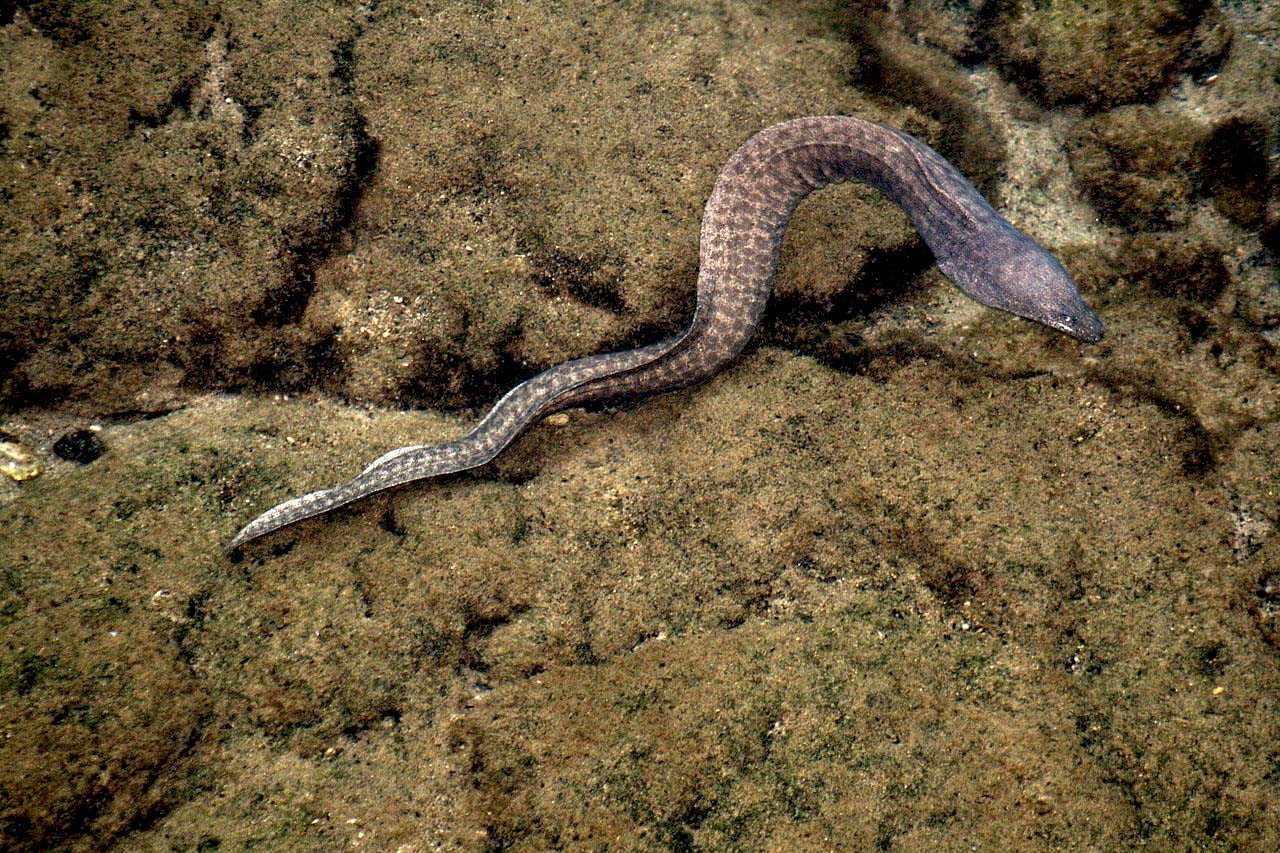
In the waters of Raja Ampat, divers frequently encounter the giant moray, but the region is also home to more elusive species like Uropterygius hades. This jet-black eel is a rare sight, typically found inhabiting the silty bottoms of estuaries rather than the vibrant coral gardens. The presence of such a wide variety of species highlights the ecological health of the region, as morays are often considered bioindicators of reef stability.
Kunto Wibowo, the Head of the Ichthyology Research Group at the Research Center for Biosystematics and Evolution of the National Research and Innovation Agency (BRIN), emphasizes that moray eels are integral to the marine heritage of Indonesia. According to Wibowo, their distribution is remarkably even from the western tip of Sumatra to the eastern reaches of Papua. Currently, at least 70 species have been documented within Indonesian waters, a testament to the country’s role as a critical nursery and habitat for these apex predators. Despite their fearsome reputation, Wibowo notes that morays are generally shy and nocturnal, preferring to remain hidden during the day and emerging at night to hunt.
The Cultural and Economic Paradox
The relationship between Indonesian coastal communities and the moray eel is complex. In many regions, there is a cultural aversion to consuming moray meat. "Until now, I have not found or heard of coastal residents who consume moray eels. They say it doesn’t taste good," Wibowo explained in a statement to Mongabay. This lack of local demand has traditionally provided the moray with a degree of protection from local fishing pressure. However, this dynamic changed as international markets began to exert influence on local biodiversity.
In the Spermonde Archipelago of South Sulawesi, a shift occurred in the early 2010s. According to a 2013 report by TRAFFIC, the wildlife trade monitoring network, a targeted fishery for moray eels emerged to satisfy demand from East Asia, specifically China and Taiwan. In these markets, moray eel meat and certain organs are highly valued for their perceived roles in traditional medicine and as exotic culinary delicacies. The giant moray, due to its size and meat yield, became the primary target for export. Once caught, the eels are typically filleted and frozen before being shipped abroad, transforming a creature once ignored by locals into a valuable commodity.
Anthropogenic Pressures and Destructive Fishing Practices
The rise of the moray eel trade has brought with it a host of environmental challenges. Because morays live deep within the structure of the reef, they are difficult to catch using traditional hook-and-line methods. This has led to the adoption of destructive fishing techniques that threaten the very ecosystem the eels depend on. In the Spermonde Archipelago and other regions, fishermen have been known to use spearguns, specialized traps, and, most alarmingly, potassium cyanide.
The use of cyanide is particularly devastating. Divers squirt the chemical into reef crevices to stun the moray, making it easy to extract. However, the poison also kills the surrounding coral polyps and other small marine organisms, leading to localized "dead zones" on the reef. Even when traps are used, they are often weighted down or placed in a way that breaks fragile coral formations. Kunto Wibowo warns that while these activities provide short-term economic benefits for local fishers, the long-term ecological cost is unsustainable. If a primary predator like the moray eel is overharvested, it triggers a trophic cascade—an ecological phenomenon where the removal of a top predator leads to an overpopulation of prey species, which in turn overconsume primary producers, eventually leading to the collapse of the entire ecosystem’s balance.
Trophic Roles and Ecosystem Stability
As apex predators, moray eels play a crucial role in maintaining the health of coral reefs. By preying on sick or weak fish and crustaceans, they ensure that fish populations remain robust and genetically healthy. Furthermore, their presence helps control the population of smaller carnivorous fish, which prevents those fish from over-predating on the herbivorous fish that keep algae levels in check on the coral.
"I often see moray eels while diving, and indeed their appearance is large, even giant. But they are part of the top predator group because they consume other carnivores. Therefore, their existence directly affects the marine ecosystem," Wibowo remarked. The loss of these eels would not only diminish the biodiversity of Indonesia’s "underwater rainforests" but would also impact the tourism industry. Raja Ampat and Pulau Weh in Aceh rely heavily on marine tourism, where the sighting of a giant moray is a highlight for many international divers.
Future Outlook and Conservation Needs
The conservation of moray eels in Indonesia requires a multi-faceted approach that balances economic needs with ecological preservation. While morays are not currently listed as endangered on a global scale, the localized depletion of populations in areas like the Spermonde Archipelago serves as a warning. There is an urgent need for better regulation of the export trade and more rigorous enforcement of bans on destructive fishing practices like cyanide use.
Research and data collection remain paramount. The documented 70 species in Indonesia may only be a fraction of the actual diversity, as many cryptic species likely remain undiscovered in the deeper or more remote parts of the archipelago. Strengthening the role of institutions like BRIN to monitor population trends and habitat health is essential for informed policymaking.
Ultimately, the story of the moray eel in Indonesia is a reflection of the broader struggle to protect marine biodiversity in the face of global market demands. As a "guardian" of the reef, the moray eel’s survival is inextricably linked to the survival of the coral reefs themselves. Protecting these snake-like fish is not merely about saving a single species; it is about ensuring that the intricate, vibrant, and essential ecosystems of the Indonesian seas continue to thrive for generations to come. Through education, sustainable management, and a renewed appreciation for these misunderstood predators, Indonesia can ensure that the "edor-edor" remains a permanent fixture of its underwater heritage.