Lusiana Hamidun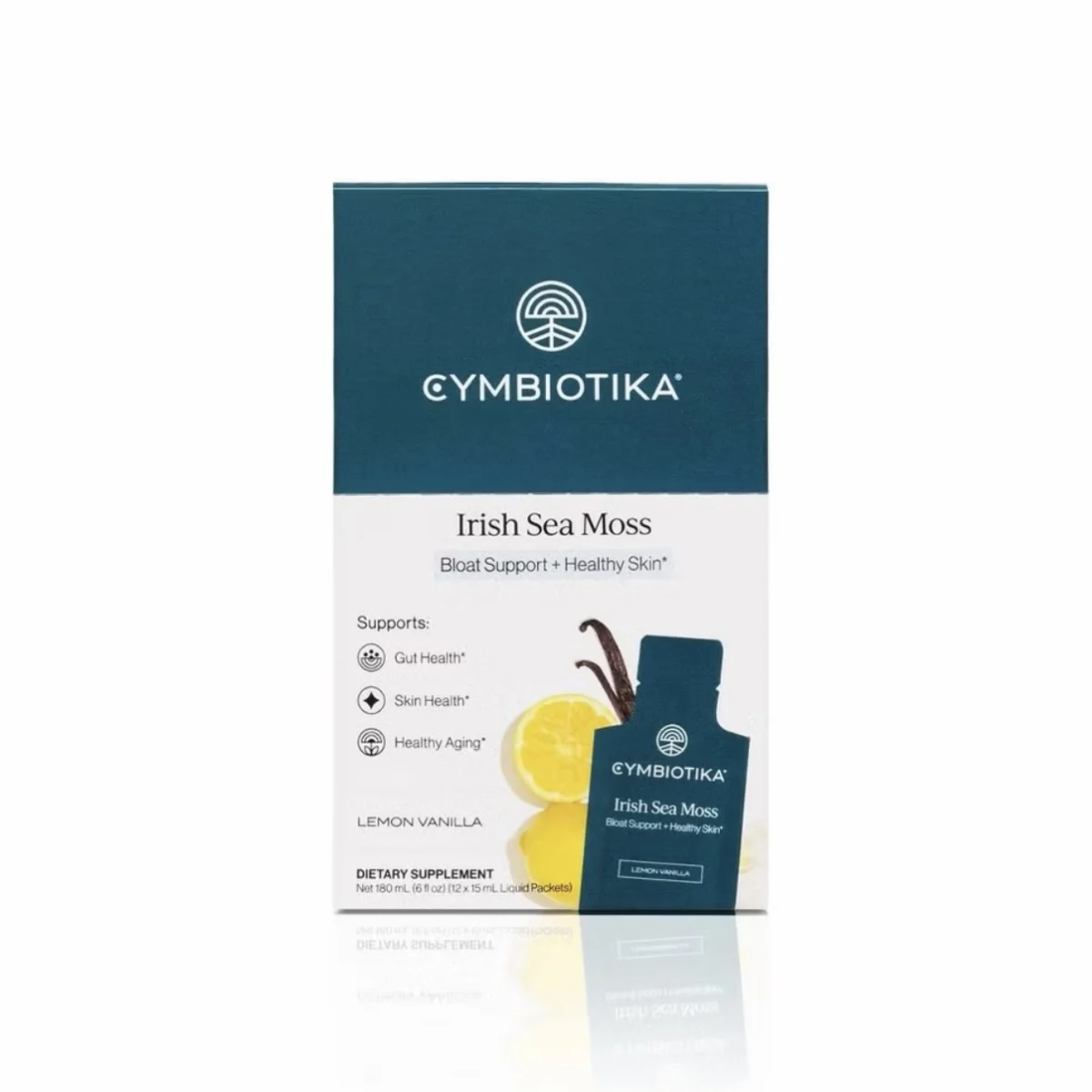
The upscale grocery store Erewhon in Los Angeles has long been a crucible for burgeoning wellness trends, transforming niche ingredients into viral sensations. From the much-hyped colostrum to the performance-enhancing creatine, Erewhon’s signature smoothies have become a focal point for the health-conscious elite, often sparking widespread consumer interest. While many of these trendy additions have a fleeting moment in the spotlight before fading, one ingredient, first popularized in Hailey Bieber’s "Strawberry Glaze" smoothie, has demonstrated remarkable staying power: sea moss. This nutrient-dense marine algae is rapidly moving from exclusive celebrity circles into the mainstream wellness conversation, prompting a closer look at its origins, purported benefits, and growing popularity.
The Rise of Sea Moss: From Celebrity Endorsement to Social Media Buzz
The surge in sea moss’s popularity can be largely attributed to its adoption by high-profile figures. Registered dietitian Amy Davis, based in New Orleans, notes that "Sea moss has recently become a popular supplement, likely after Kim Kardashian revealed she uses it in her smoothies as a way to manage inflammation and psoriasis." This celebrity endorsement, coupled with widespread sharing by influencers and content creators on platforms like TikTok and Instagram, has propelled sea moss into the public consciousness. These digital evangelists frequently highlight its purported benefits, ranging from achieving a more radiant complexion to enhancing digestive health, further fueling consumer curiosity and demand. The visual appeal of vibrant green or colorful sea moss-infused smoothies, often shared across social media feeds, has also contributed to its trend status.
The timeline of sea moss’s ascent in the wellness world is closely tied to the broader "clean eating" and "natural remedies" movements that have gained traction over the past decade. While sea moss has been a traditional food source in some coastal communities for centuries, its reintroduction to Western wellness culture has been accelerated by celebrity endorsements and the accessibility of information, albeit sometimes anecdotal, through digital channels. This phenomenon underscores the power of social media in shaping consumer perceptions and driving demand for health products.
Understanding Sea Moss: More Than Just Algae
At its core, sea moss is a type of red algae, commonly known as Irish sea moss (scientific name Chondrus crispus). Its name hints at its oceanic origins, and its nutritional profile has earned it the designation of a "superfood." According to Davis, "Sea moss is a nutrient-rich algae within the sea vegetable family that contains minerals such as iodine, iron, magnesium, and zinc, as well as antioxidants that can help protect cells." These minerals are essential for a multitude of bodily functions, making sea moss an attractive prospect for those seeking to bolster their nutritional intake.
While it’s important to clarify that sea moss is not a direct substitute for a daily multivitamin, it does offer a concentrated source of many micronutrients. These nutrients are believed to support critical bodily systems, including thyroid function, bone health, digestion, and skin vitality. Davis elaborates, "The benefits of sea moss can include support for thyroid function, the immune system, skin health, and gut health, but much of this is still anecdotal, as there haven’t been extensive human studies on its health benefits." This highlights a key aspect of the current sea moss trend: while many individuals report positive experiences, robust scientific evidence is still developing.
How to Incorporate Sea Moss into Your Diet
The good news for the curious consumer is that embracing the sea moss trend doesn’t require a drastic dietary overhaul or the consumption of raw seaweed. Sea moss is remarkably versatile and readily available in various forms, including gels, powders, and dried pieces, making it adaptable to different culinary preferences and routines.
A typical serving size for sea moss is generally one to two tablespoons. "The typical serving size for sea moss is about two tablespoons, and it’s most commonly consumed in gel form either directly or mixed into smoothies or juices," explains Davis. For those concerned about optimal timing for consumption, Davis offers practical advice: "There’s no specific best time of day from a health perspective, but consuming it in the morning, either straight or mixed with something you already consume daily, can help with consistency, which is the most important factor." Beyond the gel form, sea moss is also available in capsule and powder formats for those who prefer a more convenient or less conspicuous method of intake.
The growing popularity of sea moss has also spurred innovation in flavor profiles. Brands are now offering flavored gels that evoke nostalgic tastes reminiscent of Jell-O, making the ingredient more palatable for a wider audience. Other brands are focusing on convenience with pre-portioned liquid and gel formats, often infused with additional superfoods like turmeric or hyaluronic acid, further enhancing their appeal. These ready-to-use products can be easily integrated into morning smoothies, served as a breakfast topping, or consumed directly, simplifying daily wellness routines.
Unpacking the Potential Benefits of Sea Moss
Sea moss is being touted for its potential to benefit a broad spectrum of individuals, with a particular emphasis on women’s health. Davis points out, "Sea moss can support aspects of health that are often a focus for women, including increasing iron intake, supporting thyroid function which is crucial for hormonal health and mood, and aiding the appearance of hair, skin, and nails." The mineral-rich composition of sea moss, particularly its iron content, can be beneficial for women who may be prone to iron deficiency. Its role in supporting thyroid function is also significant, as the thyroid gland plays a vital role in regulating metabolism, energy levels, and mood.
Furthermore, sea moss possesses anti-inflammatory properties and contains prebiotics, which are beneficial for the gut microbiome. These attributes are believed to contribute to improved joint and bone health, as well as enhanced digestive well-being. Consistent consumption, according to experts, may lead to noticeable improvements such as more regular bowel movements, clearer skin, reduced "brain fog," and diminished joint pain. However, it’s crucial to reiterate that consistency is key, and sea moss is best viewed as a complementary addition to a healthy lifestyle rather than an instantaneous cure-all. It serves as a means to help meet the body’s mineral and nutrient requirements.
A Balanced Perspective: Examining the Downsides and Considerations
Despite its many purported advantages, sea moss is not without its drawbacks, chief among them being its cost. "While it contains a variety of minerals, the typical serving size provides a relatively small amount, often only one to 10 percent of the daily recommended intake," notes Amy Davis. This means that while sea moss can contribute to micronutrient intake, it’s unlikely to fulfill a significant portion of daily requirements on its own.
While incorporating sea moss into one’s routine can contribute to improved digestive, skin, and bone health, it’s important to recognize that these nutritional benefits can be readily achieved through a balanced and varied diet. Given its premium price point, sea moss may not be the most practical or cost-effective investment for everyone. Davis suggests that sea moss is best considered as an addition for individuals looking to enhance their overall well-being, but emphasizes that its use is not mandatory. A holistic approach to nutrition, prioritizing whole foods and a diverse range of fruits, vegetables, and other nutrient-dense sources, remains the foundation of good health.
Market Landscape: A Growing Array of Sea Moss Products
The increasing demand for sea moss has led to a proliferation of products across various retail channels. Consumers can now find sea moss in numerous forms, catering to different preferences and lifestyles.
-
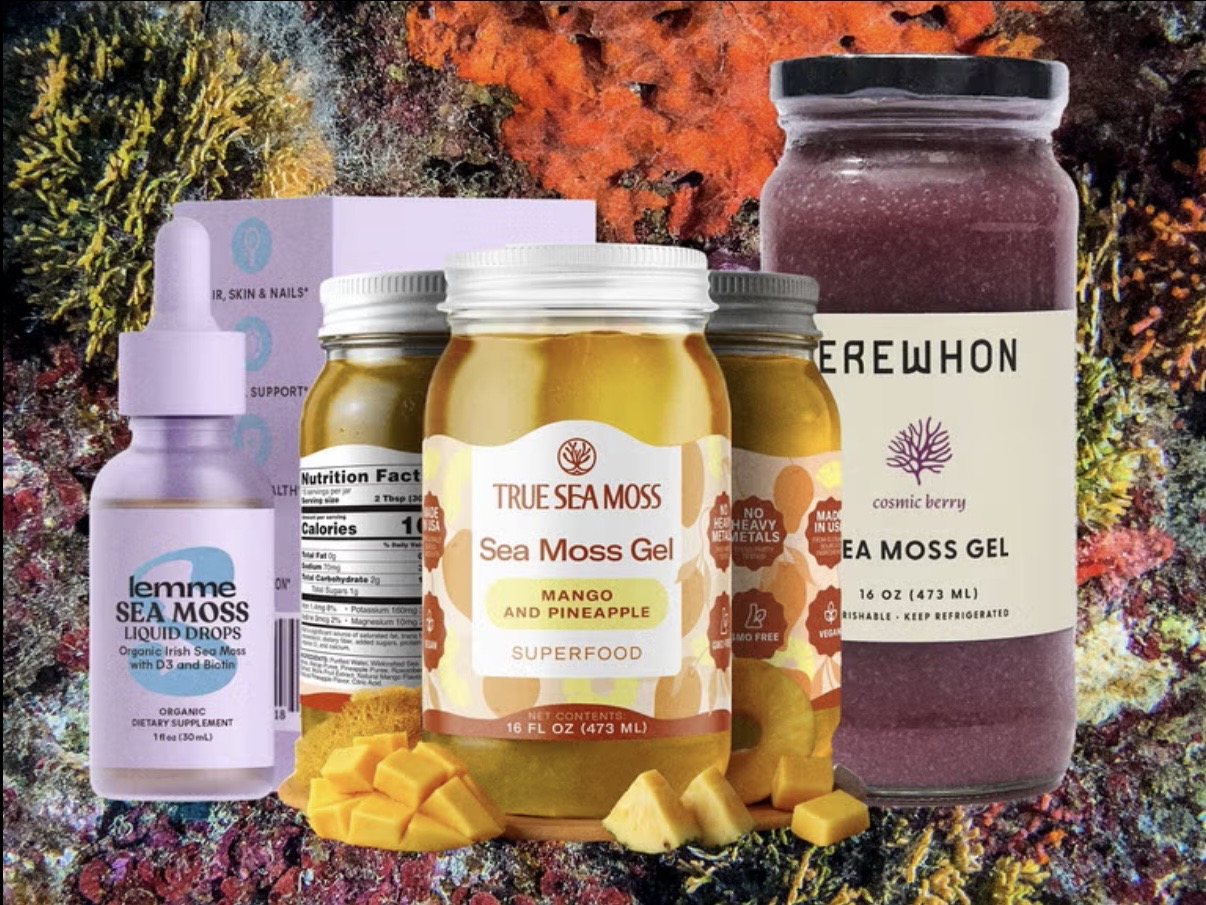
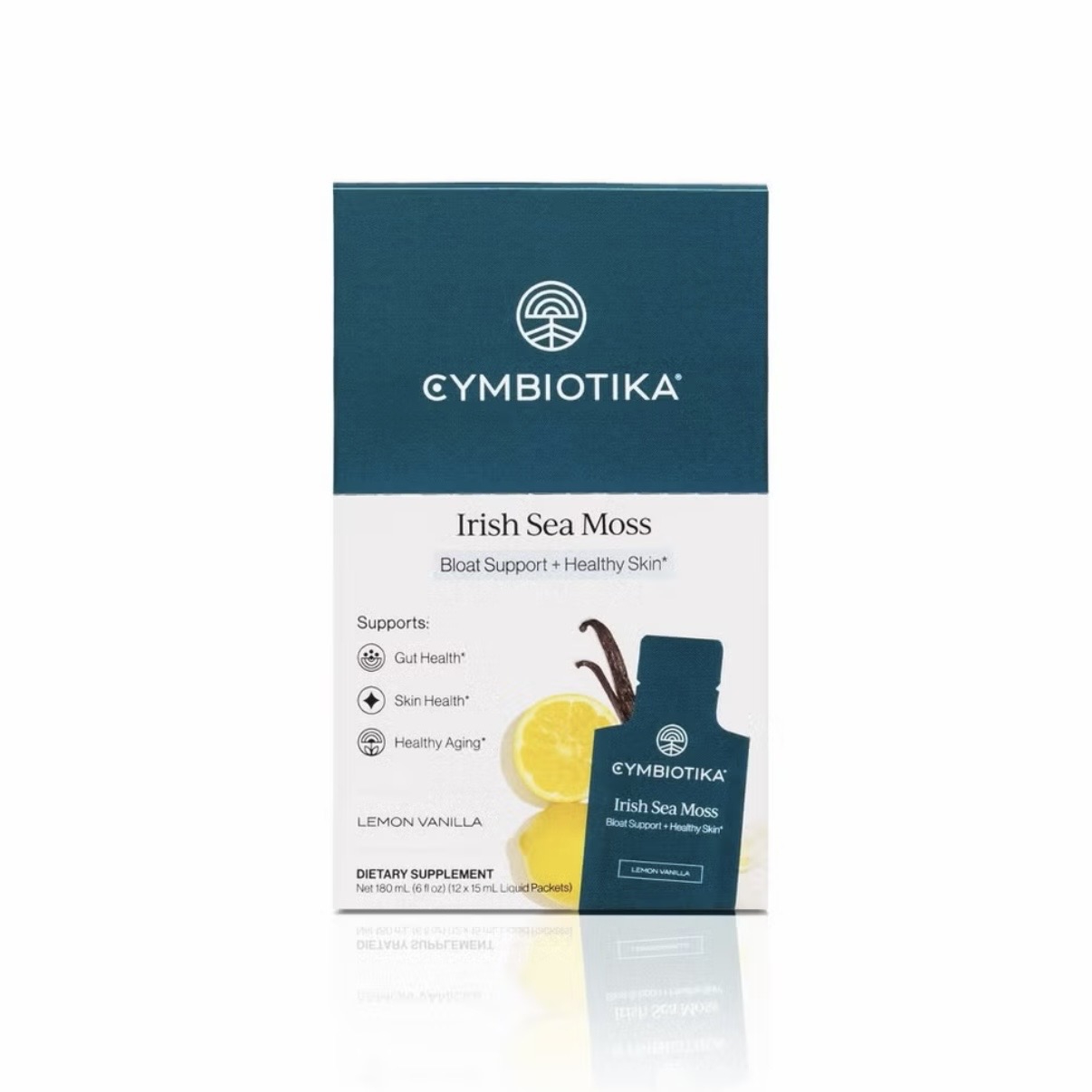
Cymbiotika – Irish Sea Moss (12 ct): This product offers a convenient capsule format, integrating sea moss with other potentially beneficial ingredients for daily wellness routines. The brand is known for its focus on bioavailable nutrient delivery.
-
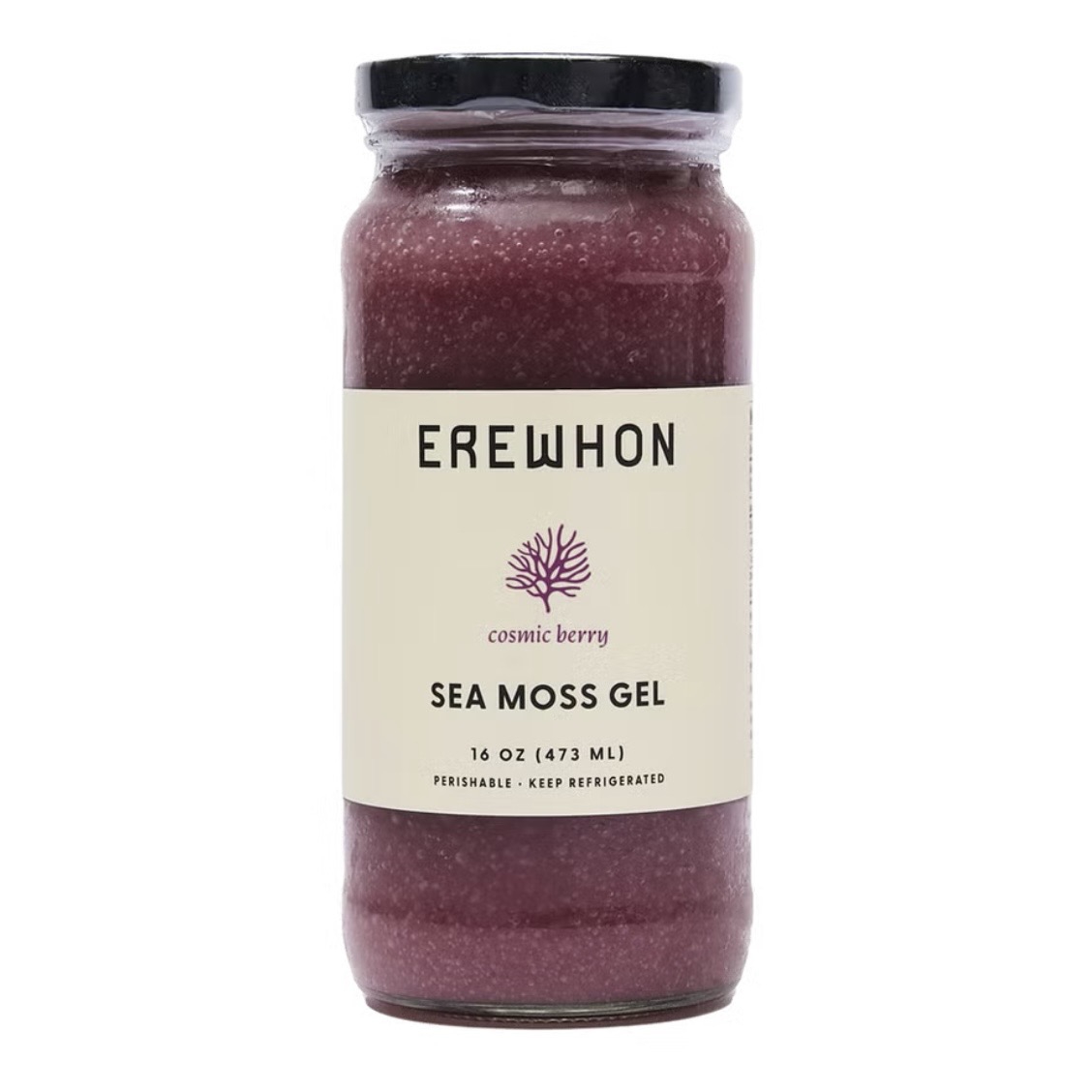
Erewhon Cosmic Berry Sea Moss Gel: As a pioneer in popularizing the ingredient, Erewhon’s in-house brand offers a ready-to-consume gel, often featuring unique flavor combinations that align with the store’s trendsetting image.
-
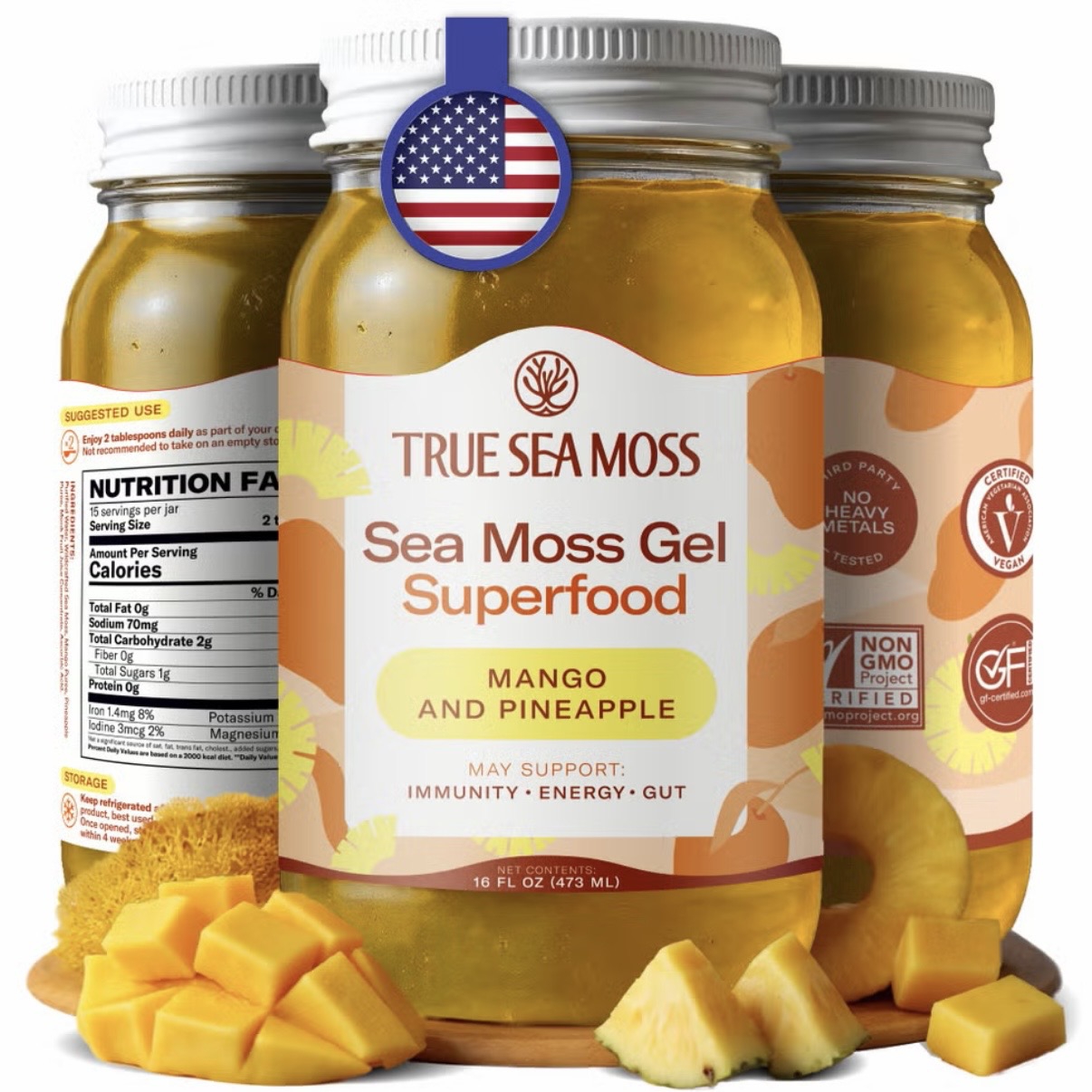
TrueSeaMoss Sea Moss Gel Mango/Pineapple: This brand focuses on natural flavors, providing a palatable way to consume sea moss. The tropical fruit infusions make it an appealing addition to smoothies or as a standalone treat.
-
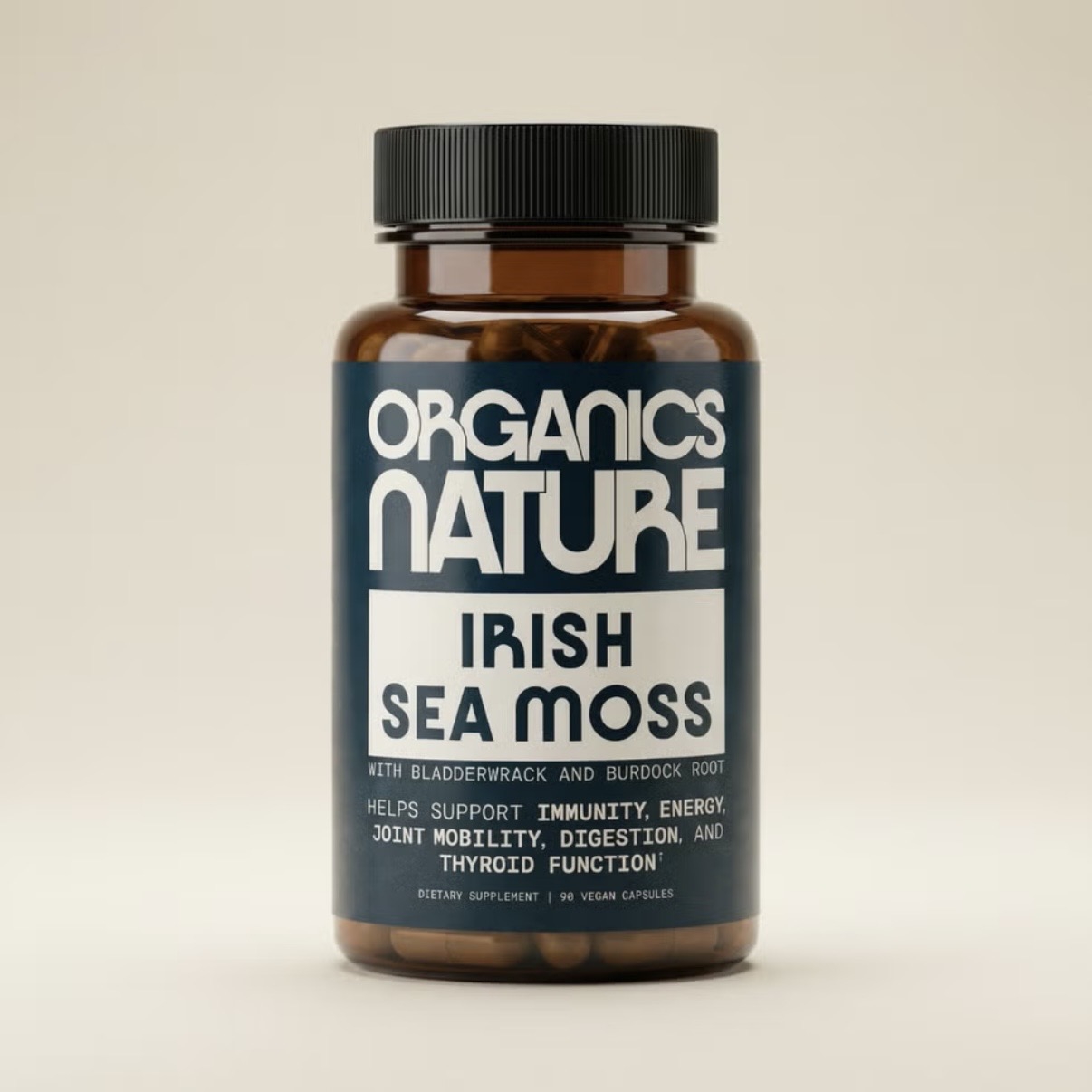
Organic’s Nature – Organic Irish Sea Moss With Bladderwrack and Burdock Root: This formulation combines sea moss with other sea vegetables like bladderwrack and burdock root, ingredients traditionally used in herbal medicine for their purported detoxifying and nutrient-rich properties.
-
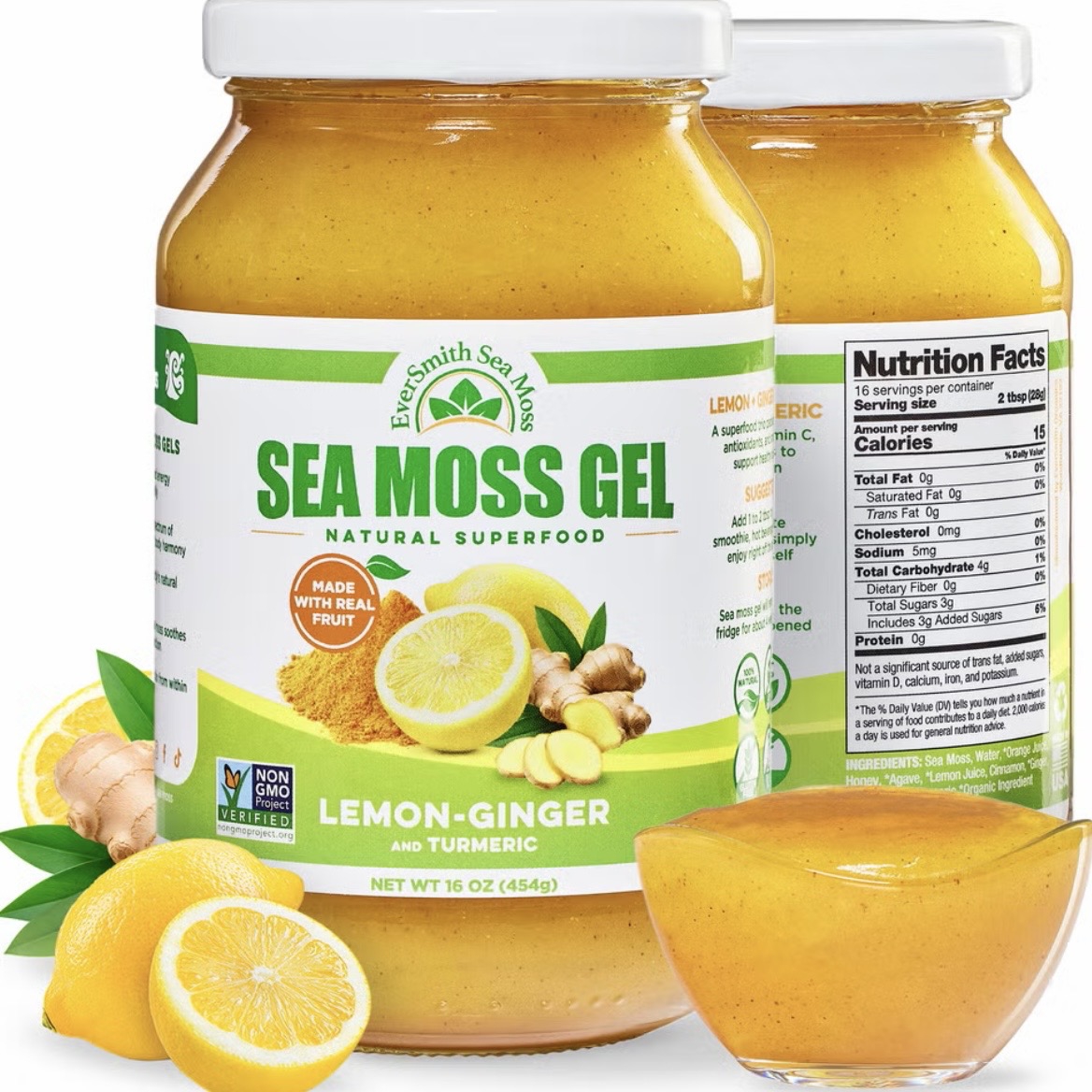
Ever Smith Organics – Lemon Ginger Sea Moss Gel + Turmeric: This product targets both taste and enhanced wellness benefits by incorporating the anti-inflammatory properties of turmeric and the zesty flavors of lemon and ginger.
-
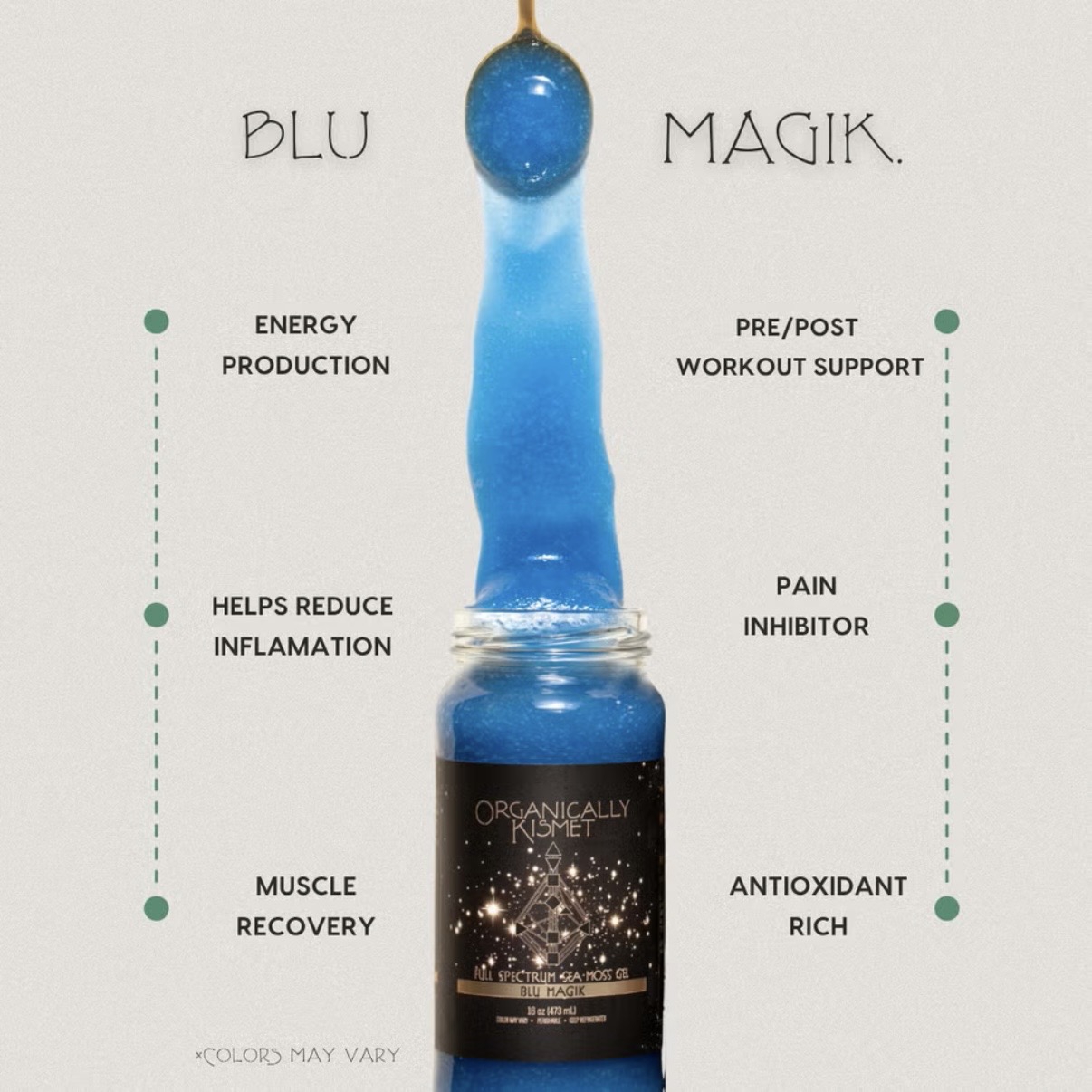
Organically Kismet – Recovery Blend: Blu Magik Sea Moss Gel: This offering utilizes natural colorants and may be formulated with specific benefits in mind, such as post-exercise recovery, aligning with the active wellness culture prevalent in regions like Los Angeles.
-
Herbal Vineyards Wildcrafted Sea Moss Gel: Emphasizing its natural sourcing, this brand provides a pure sea moss gel that can be easily incorporated into various dietary applications.
-
Lemme Sea, Sea Moss & D3 Liquid Drops: This innovative product offers sea moss in a liquid tincture form, often combined with Vitamin D3, addressing common deficiencies and providing a convenient, sublingual delivery method.
The diversity of these offerings—from raw ingredients to highly formulated supplements—reflects the growing mainstream appeal of sea moss and its integration into the broader wellness market. As research continues to evolve, the scientific community will offer further insights into the efficacy and optimal use of this ancient marine superfood. For now, sea moss remains a compelling, albeit costly, addition to the modern wellness regimen, driven by celebrity influence and the ever-present quest for optimal health.