Tyo Susilo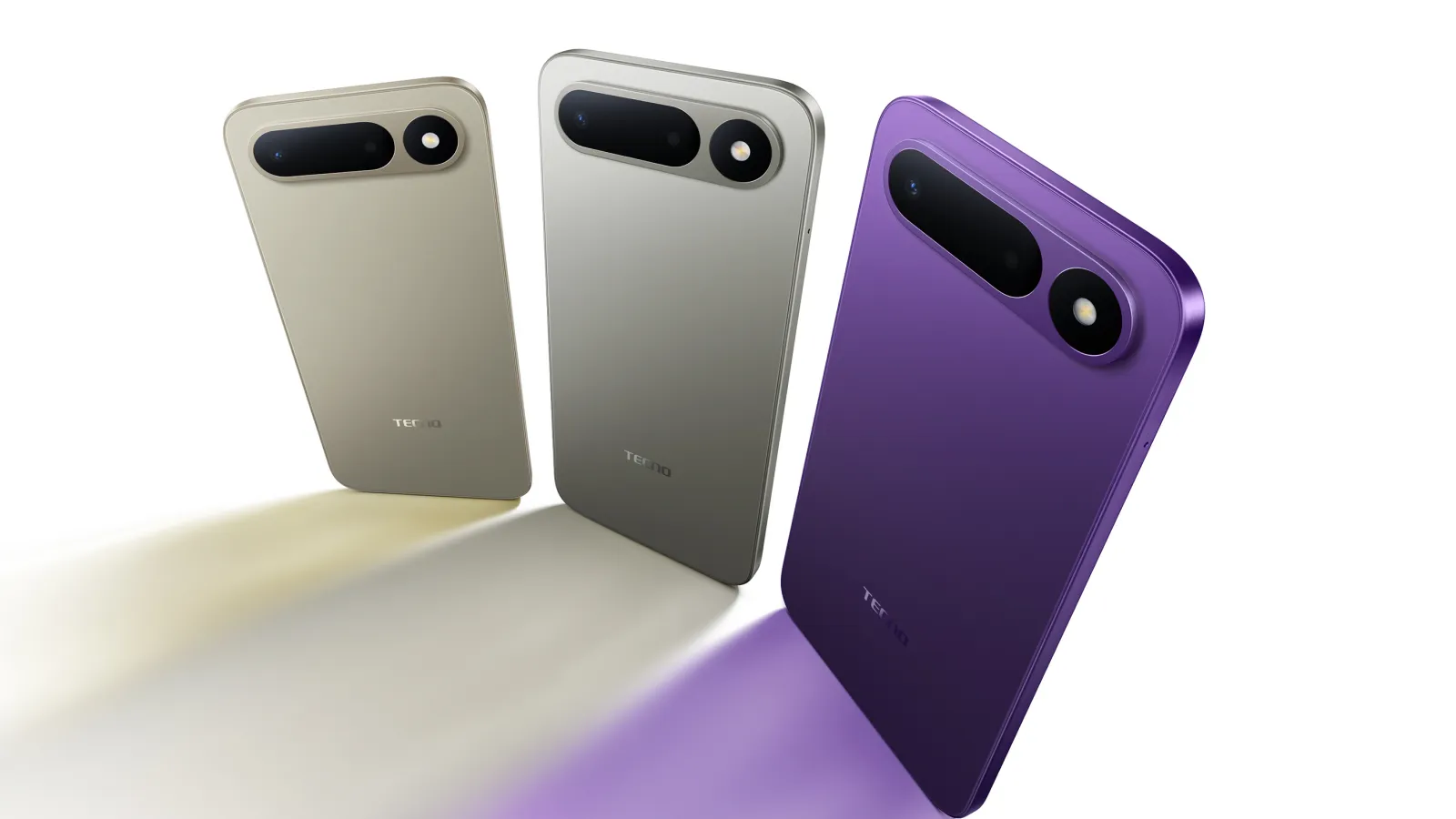
Two new TECNO smartphones, the SPARK 50 Pro (4G) and the POVA 8 (5G), have successfully passed the Indonesian TKDN (Tingkat Komponen Dalam Negeri) certification, signaling their imminent arrival in the Indonesian market. This regulatory milestone, managed by the Indonesian Ministry of Industry, confirms that both devices meet the local content requirements, a crucial step for any device intended for official sale within the archipelago. While neither the SPARK 50 Pro (4G) nor the POVA 8 (5G) have been officially unveiled globally, their appearance on the TKDN registry strongly suggests that TECNO is gearing up for their formal launch in Indonesia in the near future. This development follows a pattern for TECNO, which has previously seen other SPARK series models, including the SPARK 50 4G and SPARK 50 5G, also clear this vital certification.
Decoding the TECNO SPARK 50 Pro (4G) Rumors
The TECNO SPARK 50 Pro (4G), identified by its model number K05, is rumored to be powered by the MediaTek Helio G100 chipset. While detailed specifications beyond the chipset remain scarce, industry observers anticipate that the device will likely carry forward many of the successful features of its predecessor, the TECNO SPARK 40 Pro (4G). The previous iteration boasted an impressive 6.78-inch AMOLED display with a crisp 1.5K resolution and a fluid 144Hz refresh rate, catering to users who prioritize visual fidelity and smooth scrolling. Memory configurations for the SPARK 40 Pro (4G) included 8GB of RAM paired with either 128GB or 256GB of internal storage, offering ample space for applications and media. Powering the device was a robust 5,200mAh battery, supported by 45W fast charging, ensuring users could quickly replenish power. The camera system featured a 50MP main sensor for capturing detailed photographs and a 13MP front-facing camera for selfies and video calls.
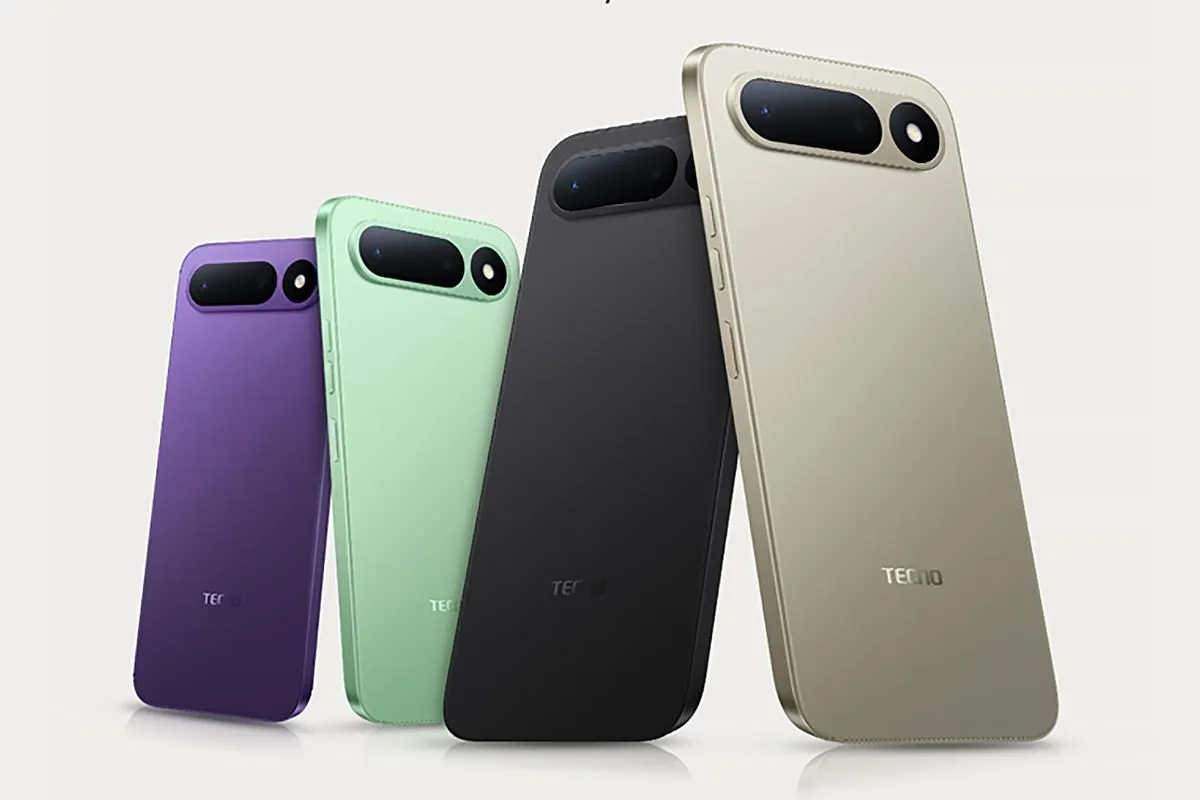
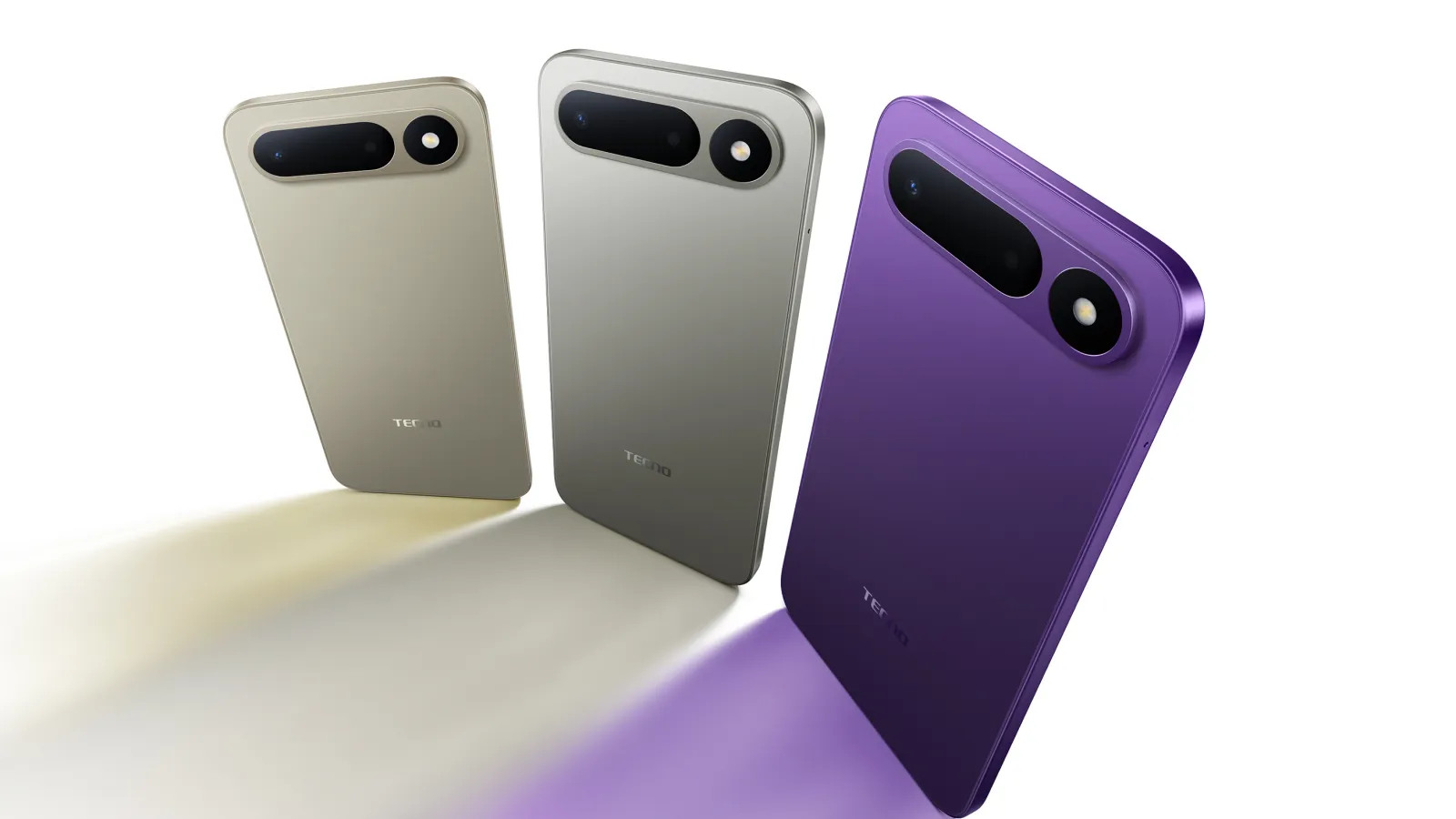
A significant design shift is also anticipated for the SPARK 50 Pro (4G), drawing inspiration from the recently released SPARK 50 5G. This new design language appears to adopt an aesthetic reminiscent of Google Pixel devices, characterized by a distinctive elongated oval camera bar. This design trend has gained considerable traction in the smartphone industry, with Apple’s iPhone 17 Air also featuring a similar prominent camera module. Such design choices often aim to create a unique visual identity and can influence consumer perception and market trends. The adoption of this design by TECNO suggests a strategic move to align with contemporary smartphone aesthetics, potentially appealing to a wider demographic.
Examining the TECNO POVA 8 (5G) Leakage
Meanwhile, the TECNO POVA 8 (5G), designated by the model number LK6, is rumored to integrate the MediaTek Dimensity 7100 system-on-chip (SoC) as its primary processing unit. This specification, if accurate, would represent a potential downgrade compared to its predecessor, the POVA 7 (5G), which was equipped with the more advanced MediaTek Dimensity 7300. A technical comparison of these chipsets reveals that the Dimensity 7300 is built on a more efficient 4nm process, while the Dimensity 7100 utilizes a 6nm process. This difference in manufacturing technology can translate to better power efficiency and thermal management for the newer chip. Furthermore, the Dimensity 7300 boasts a slightly higher CPU clock speed, by approximately 100MHz, and a marginally more capable GPU, suggesting a performance edge over the Dimensity 7100.
The implications of this potential chipset downgrade are noteworthy. While the Dimensity 7100 remains a capable processor for everyday tasks and moderate gaming, the Dimensity 7300’s superior architecture and performance metrics could offer a more future-proof experience and smoother operation for demanding applications and games. TECNO’s decision to opt for the Dimensity 7100 in the POVA 8 (5G) might be driven by cost-optimization strategies to maintain a competitive price point in the mid-range 5G segment, or it could be a strategic decision based on specific performance targets for this particular model.

Similar to the SPARK 50 Pro (4G), comprehensive details regarding the POVA 8 (5G) are still emerging. For reference, the TECNO POVA 7 (5G) featured a 6.78-inch IPS display with Full HD+ resolution and a 144Hz refresh rate. It was configured with 8GB of RAM and offered storage options of 128GB and 256GB. The battery capacity was a substantial 6,000mAh, complemented by 45W fast charging support. These specifications set a high benchmark for the POVA 8 (5G), and consumers will be keen to see how the new model compares, especially in terms of its overall performance and user experience.
The Significance of TKDN Certification
The TKDN certification process is a critical regulatory hurdle for smartphone manufacturers aiming to distribute their devices officially in Indonesia. Introduced as part of Indonesia’s efforts to boost domestic industries and promote local manufacturing, the TKDN regulation mandates that a certain percentage of a product’s components and manufacturing processes must originate from within Indonesia. For smartphones, this percentage has been progressively increasing over the years, compelling brands to either establish local assembly plants or source components from domestic suppliers.
The successful acquisition of TKDN certification by the TECNO SPARK 50 Pro (4G) and POVA 8 (5G) signifies that both devices have met these stringent local content requirements. This not only paves the way for their official sales and distribution through authorized channels in Indonesia but also demonstrates TECNO’s commitment to complying with the country’s regulatory framework. For consumers, this certification assures that the devices are officially sanctioned and supported by the manufacturer within the Indonesian market, potentially facilitating easier access to after-sales services and warranty support.
The timeline leading up to this certification typically involves rigorous testing and documentation processes. Manufacturers submit detailed reports on their supply chains, manufacturing facilities, and the origin of their components to the Ministry of Industry. Once approved, the device receives a TKDN certificate, which is then required for import and sales permits. The fact that both devices have now achieved this status suggests that their development and manufacturing plans for the Indonesian market have progressed significantly, making a launch in the coming weeks or months highly probable.
Market Context and Potential Impact
TECNO has steadily been carving out a significant niche in the Indonesian smartphone market, particularly in the budget and mid-range segments. The brand has gained a reputation for offering competitive specifications at attractive price points, resonating with a large segment of Indonesian consumers. The upcoming launch of the SPARK 50 Pro (4G) and POVA 8 (5G) is expected to further bolster TECNO’s presence, offering consumers more choices within their respective product lines.
The SPARK series typically targets users who prioritize a balance of performance, camera capabilities, and battery life, often at an accessible price. The potential inclusion of a capable MediaTek Helio G100 chipset and the adoption of a modern design language could make the SPARK 50 Pro (4G) a compelling option for everyday users and multimedia consumers.

The POVA series, on the other hand, is often geared towards users who demand strong performance, particularly for gaming and demanding applications, often coupled with substantial battery capacity. While the potential use of the Dimensity 7100 might raise some eyebrows among tech enthusiasts expecting the latest chipset, it is crucial to consider TECNO’s pricing strategy. If the POVA 8 (5G) is priced competitively, it could still offer excellent value for money, especially given its 5G capabilities and the general performance of the Dimensity 7100 in daily use and moderate gaming scenarios.
The broader implication of these launches extends beyond just TECNO’s market share. Increased competition in the mid-range smartphone segment, driven by brands like TECNO, often leads to better value propositions for consumers. Manufacturers are compelled to innovate and offer more features and improved performance to attract buyers, ultimately benefiting the end-user. The TKDN certification itself plays a role in fostering the local economy by encouraging investment in manufacturing and supply chains within Indonesia.
While official launch dates and pricing for the TECNO SPARK 50 Pro (4G) and POVA 8 (5G) have not yet been announced, their successful TKDN certification marks a significant step towards their Indonesian market debut. Consumers eagerly awaiting new smartphone options can look forward to TECNO’s impending releases, which are poised to offer compelling choices within the competitive Indonesian smartphone landscape. The market will be watching closely to see how these new devices stack up against rivals and how TECNO continues to adapt its strategy to meet the evolving demands of Indonesian consumers.