Tyo Susilo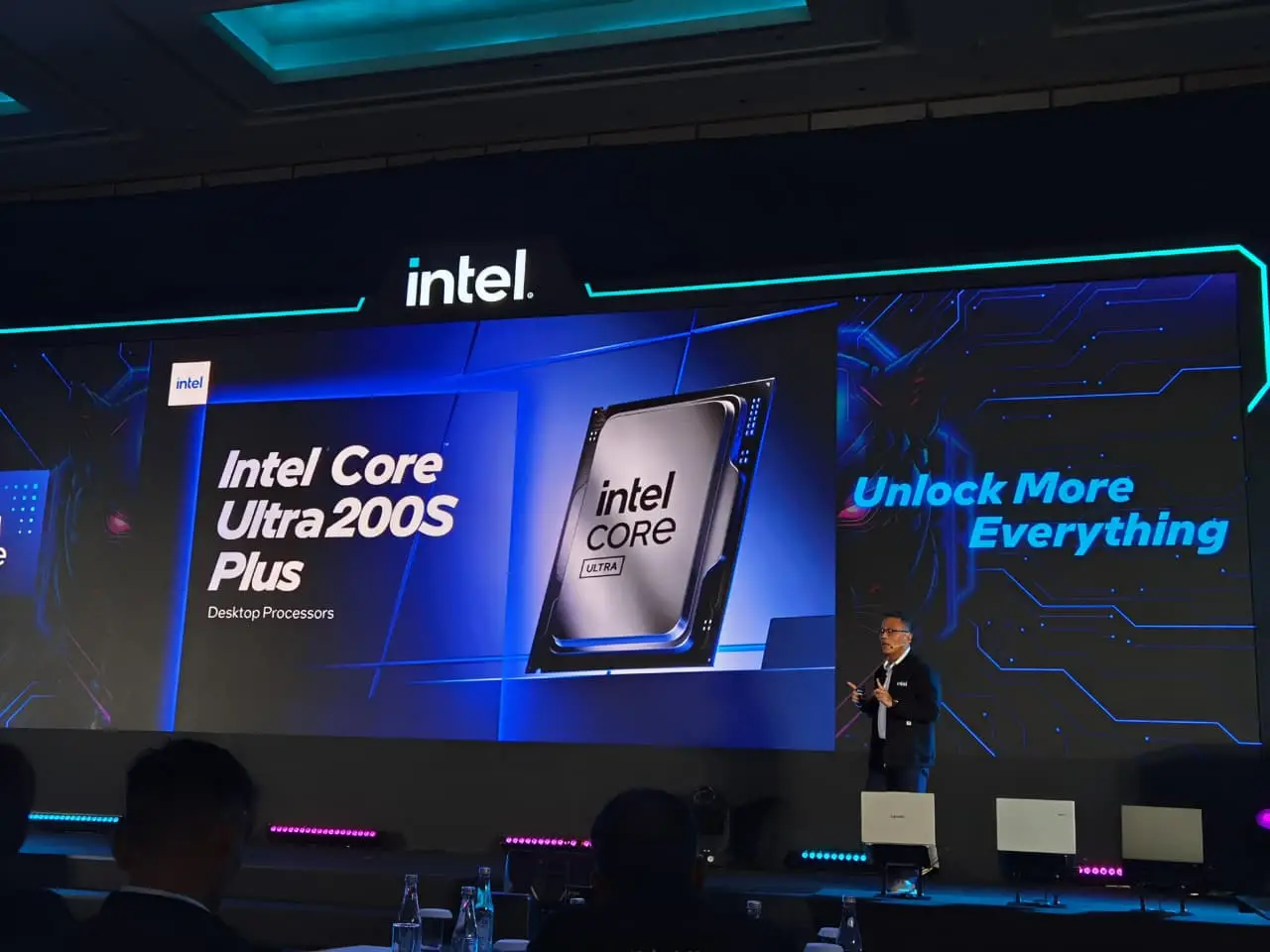
Jakarta, April 15, 2026 – Intel has begun to hint at its strategic move into the desktop processor market with the anticipated arrival of the Intel Core Ultra 200S Plus series. This preliminary information emerged concurrently with the official launch of the Intel Core Ultra Series 3 for mobile devices in Indonesia. While a definitive release date for the desktop processors remains undisclosed, early specifications and positioning have provided a clear glimpse into Intel’s ambitions for this crucial segment.
The announcement, made during a press event in Jakarta, signifies Intel’s intent to leverage its latest architectural advancements to address the evolving demands of desktop users. The Core Ultra 200S Plus series is poised to build upon the foundation laid by the successful Core Ultra Series 3, aiming to deliver a compelling balance of performance, efficiency, and value for the PC enthusiast and mainstream consumer alike.
Arrow Lake Architecture Powering the Plus Series
At the heart of the Core Ultra 200S Plus processors lies the robust Arrow Lake architecture, a testament to Intel’s ongoing commitment to pushing the boundaries of CPU design. This architecture, also underpinning the existing Core Ultra 200S mobile processors, is engineered to deliver significant improvements in both computational power and power efficiency through its hybrid core design.
Intel has outlined an initial lineup that includes promising variants such as the Core Ultra 7 270K Plus, Core Ultra 5 250K Plus, and the integrated graphics-less Core Ultra 5 250KF Plus. This diversification within the "Plus" moniker strongly suggests a strategic focus on desktop users who prioritize high performance and are likely to pair these CPUs with discrete graphics cards. The inclusion of "K" in the model names typically denotes unlocked multipliers, allowing for overclocking and further performance tuning, a feature highly sought after by PC enthusiasts.
Unpacking the Core Ultra 7 270K Plus
The Core Ultra 7 270K Plus emerges as a particularly noteworthy contender within this new desktop lineup. This processor boasts an impressive configuration of 24 cores and 24 threads, meticulously balanced between 8 high-performance "P-cores" and 16 power-efficient "E-cores." This hybrid design is a hallmark of Intel’s modern architectures, aiming to dynamically allocate workloads to the most appropriate cores for optimal performance and energy conservation. The processor also features a substantial 36 MB of cache, crucial for reducing memory latency and accelerating data access for demanding applications.
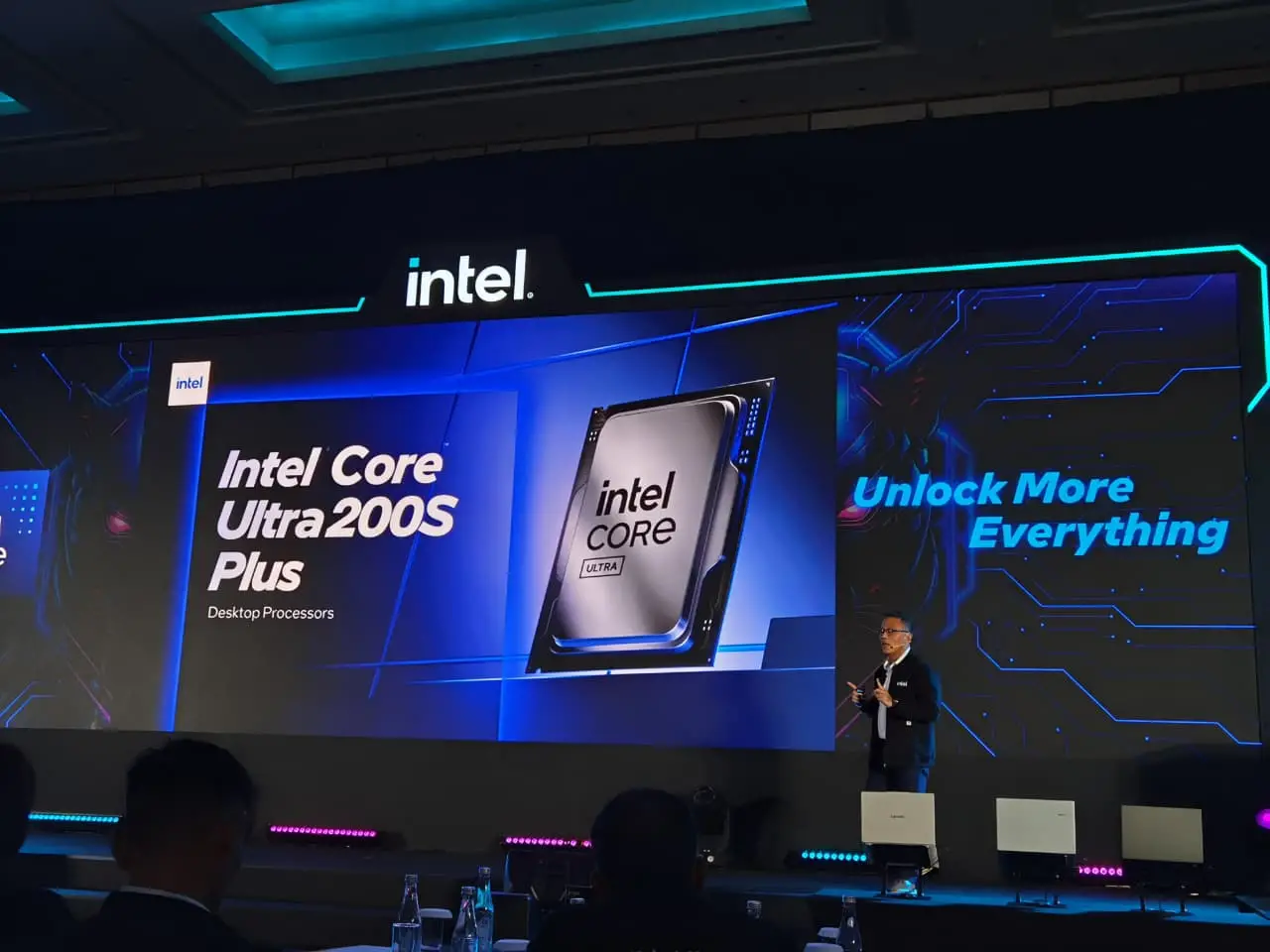
Comparatively, the specifications of the Core Ultra 7 270K Plus are remarkably close to its higher-tier sibling, the Core Ultra 9 285K. The primary distinctions appear to lie in clock speeds and memory support, indicating that Intel is strategically segmenting its offerings to cater to different price points and performance expectations. This approach allows Intel to offer a more accessible entry into high-performance desktop computing without compromising significantly on core functionality.
Performance Benchmarks and Competitive Positioning
Intel has not shied away from making bold performance claims for the Core Ultra 200S Plus series. The Core Ultra 7 270K Plus is touted to deliver up to a staggering 92% performance uplift compared to the AMD Ryzen 7 9700X within a similar price bracket. This aggressive positioning signals Intel’s intent to reclaim market share and offer a compelling alternative for users considering AMD’s offerings.
Furthermore, the Core Ultra 5 250K Plus is projected to offer a remarkable twofold performance advantage over the AMD Ryzen 5 9600X. Such substantial performance gains, if realized in real-world testing, would position the Core Ultra 200S Plus series as a highly competitive force in the mid-range desktop market, attracting gamers, content creators, and power users seeking significant improvements in their daily computing experience.
Architectural Details and Core Configurations
Delving deeper into the architectural nuances, the Arrow Lake platform is expected to bring further refinements to Intel’s hybrid technology. The P-cores are designed for raw processing power, excelling in single-threaded performance and demanding tasks like gaming and complex simulations. The E-cores, on the other hand, are optimized for background processes, multitasking, and energy efficiency, ensuring that the system remains responsive and power-conscious during less intensive operations.
The 24-core configuration of the Core Ultra 7 270K Plus, with its 8 P-cores and 16 E-cores, represents a significant increase in thread count and processing capability compared to previous generations. This enhanced multi-threaded performance is particularly beneficial for modern applications that can effectively utilize a large number of cores and threads, such as video editing suites, 3D rendering software, and virtual machine environments.
Clock Speeds and Memory Support: A Balancing Act
The Core Ultra 7 270K Plus is reported to achieve a turbo clock speed of up to 5.5 GHz. While this is slightly below the 5.7 GHz of the more premium Core Ultra 9 285K, it still represents a substantial leap in processing speed. The key advantage for users of the 270K Plus, however, lies in its more flexible memory support. It is capable of reaching up to 7200 MHz, exceeding the 6400 MHz supported by the higher-end model. This increased memory bandwidth can translate to tangible performance improvements in memory-intensive applications and scenarios.

Moreover, the Core Ultra 200S Plus processors are expected to support CU-DIMM (Consumer Unbuffered DIMM) technology, potentially enabling larger RAM capacities. This is becoming increasingly relevant for modern workstations and high-end gaming rigs that benefit from ample memory for handling large datasets, complex projects, and immersive virtual environments.
Mid-Range Powerhouses: Core Ultra 5 250K Plus and 250KF Plus
In the mid-range segment, the Core Ultra 5 250K Plus and 250KF Plus are set to offer compelling options. These processors are slated to feature up to 18 cores, a notable increase compared to the Core Ultra 5 245K, which sits in a higher tier within the existing lineup. This enhancement in core count at a more accessible price point signifies Intel’s strategy to broaden its appeal and cater to a wider spectrum of desktop users.
The inclusion of the "KF" variant, specifically the Core Ultra 5 250KF Plus, highlights Intel’s recognition of the dedicated graphics card market. By omitting integrated graphics, Intel can potentially reduce manufacturing costs and offer these processors at a more attractive price point for users who already possess or plan to purchase a discrete GPU. This segmentation allows users to tailor their build precisely to their needs, avoiding unnecessary expenditure on integrated graphics if they are not required.
Platform Compatibility and Upgrade Pathways
A significant advantage for existing Intel users is the projected compatibility of the Core Ultra 200S Plus series with current Intel 800 Series chipsets. This suggests that users may only need to perform a BIOS update on their existing motherboards to accommodate the new processors. This backward compatibility significantly lowers the barrier to entry for upgrading, making it a more practical and cost-effective option for those already invested in the latest Intel platform. This approach contrasts with complete platform overhauls, simplifying the upgrade process and reducing potential friction for consumers.
The move towards greater platform longevity and upgradeability is a welcome development in the PC hardware landscape, where rapid technological advancements can often necessitate costly component replacements. By enabling compatibility with existing motherboards, Intel is demonstrating a commitment to its user base and facilitating a smoother transition to newer technologies.
Background of the Event and Market Context
The announcement in Jakarta took place during an event that also saw the unveiling of the Intel Core Ultra Series 3 for laptops. This dual-pronged approach underscores Intel’s comprehensive strategy to refresh its entire product portfolio, addressing both the mobile and desktop segments with its latest innovations. The Indonesian market, with its growing PC user base and increasing demand for high-performance computing, serves as a key territory for Intel’s product launches.
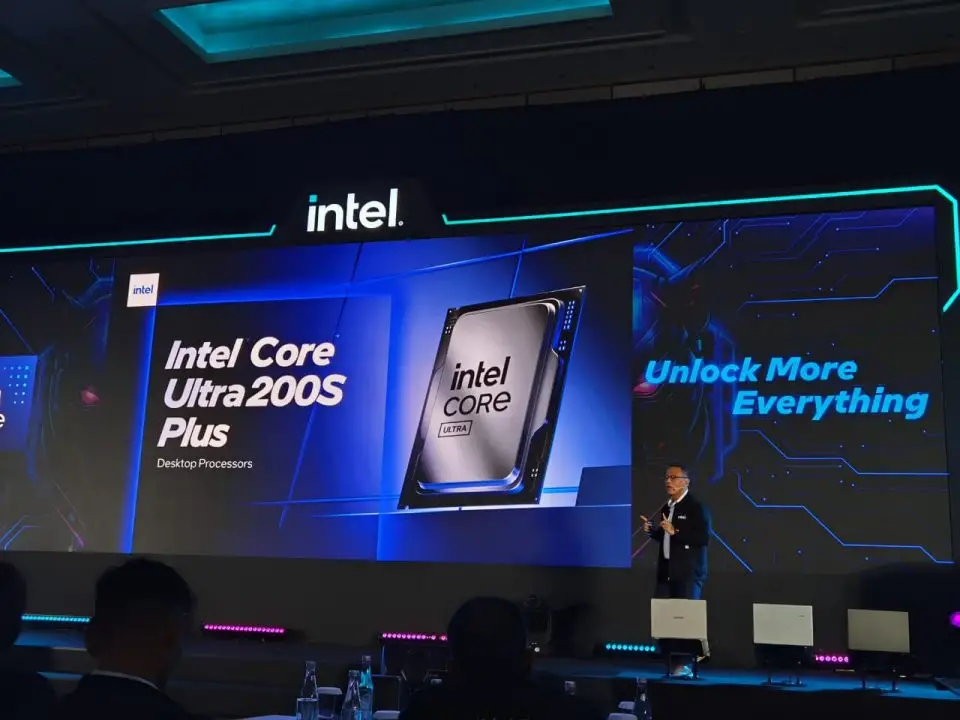
The timing of this announcement also comes at a critical juncture in the semiconductor industry. Following a period of intense competition and evolving consumer preferences, Intel is aiming to reassert its dominance in the CPU market. The Core Ultra 200S Plus series represents a significant step in this direction, particularly in the desktop arena, where competition from AMD has been robust. The company’s strategy appears to be focused on delivering competitive performance at attractive price points, a formula that has historically proven successful.
Analysis of Implications and Future Outlook
The introduction of the Intel Core Ultra 200S Plus series has several significant implications for the desktop computing market. Firstly, it signals a renewed focus from Intel on the high-performance desktop segment, an area that has seen significant innovation and competition in recent years. By offering processors with competitive core counts, advanced architectures, and aggressive performance claims, Intel aims to capture a larger share of this lucrative market.
Secondly, the emphasis on value and upgradeability through compatibility with existing chipsets could be a major draw for consumers. In a market where cost-effectiveness is often a deciding factor, providing a clear and accessible upgrade path can significantly influence purchasing decisions. This strategy could encourage more users to upgrade their existing systems rather than opting for entirely new builds, a move that benefits both consumers and the industry.
The inclusion of variants without integrated graphics also reflects a nuanced understanding of user needs. Many desktop users, particularly gamers and professionals, rely on dedicated graphics cards for their computing tasks. By offering "KF" models, Intel caters to this segment efficiently, allowing users to invest their budget in the components that matter most to their specific use cases.
However, the success of the Core Ultra 200S Plus series will ultimately depend on several factors. Real-world performance benchmarks will be crucial in validating Intel’s claims and comparing them against competing offerings from AMD and potentially other manufacturers. Pricing strategies will also play a pivotal role in determining market penetration. Furthermore, the availability of mature and stable drivers, along with robust software support, will be essential for a seamless user experience.
Intel’s strategic decision to preview these desktop processors alongside their mobile counterparts suggests a coordinated effort to refresh their entire product lineup, reinforcing their commitment to innovation across all computing platforms. As the official launch date approaches, the industry will be closely watching to see how the Intel Core Ultra 200S Plus series performs and how it reshapes the competitive landscape of the desktop CPU market. The question remains whether this new series will be enough to entice users to upgrade or if they will hold out for even more advanced generations on the horizon.