
 Lina Irawan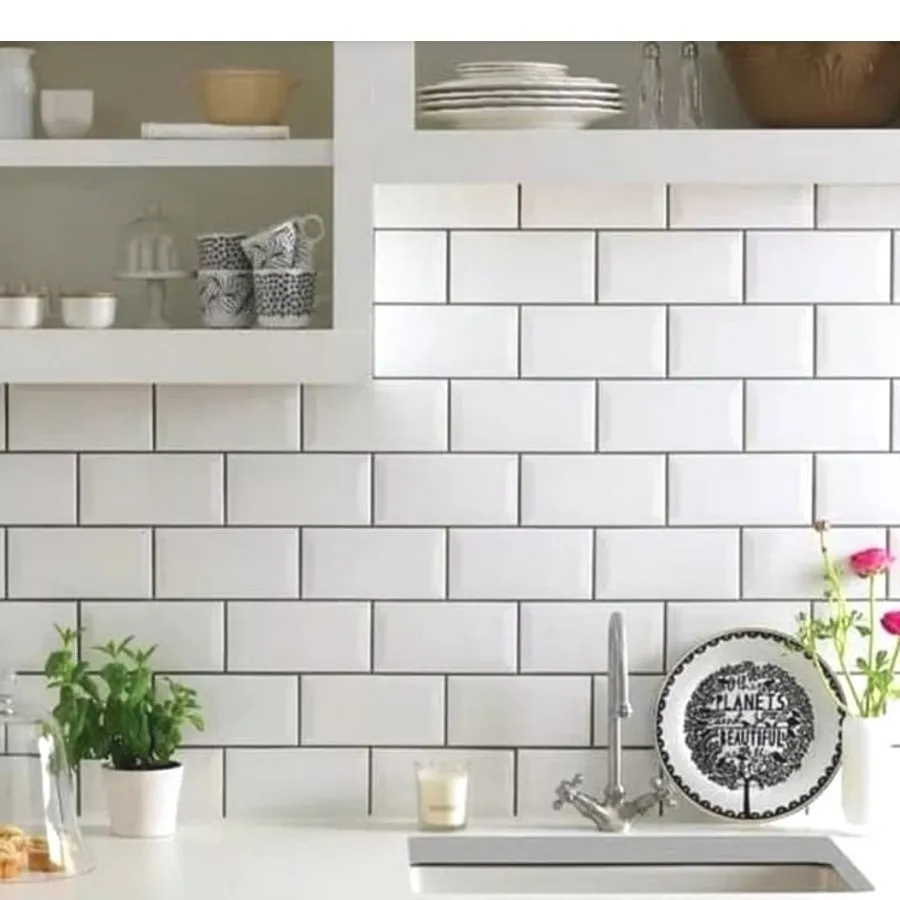
The fundamental role of a kitchen backsplash, the protective wall covering between upper and lower cabinets, extends far beyond mere aesthetics, serving as a critical barrier against heat, grease splatters, and moisture. For kitchens embracing a minimalist design ethos, the choice often gravitates towards sleek materials like porcelain, classic subway tiles, or homogeneous tiles, all installed with minimal grout lines to facilitate effortless cleaning and enhance the perception of a more expansive cooking area. This often-overlooked segment of the kitchen wall has increasingly become a pivotal design element, capable of either elevating expensive cabinetry or inadvertently diminishing its appeal if the material selection is ill-considered.
InteriorDesign.ID frequently observes common miscalculations during kitchen renovations. Significant investments are often allocated to premium cabinet materials, yet the backsplash area – arguably the most exposed to daily wear and tear – is sometimes outfitted with subpar materials. This oversight not only compromises the kitchen’s longevity and hygiene but also detracts from its overall design coherence. Understanding the multifaceted importance of the backsplash is paramount for any homeowner embarking on a kitchen transformation.

The Indispensable Role of the Kitchen Backsplash
The area directly above the stovetop and sink is consistently subjected to the rigorous demands of cooking. Without adequate protection, the raw wall surface is highly susceptible to the absorption of grease, food stains, and water. Over time, this exposure leads to an array of issues including mold growth, peeling paint, and persistent unpleasant odors, significantly degrading the structural integrity and sanitary conditions of the kitchen.
A well-chosen backsplash acts as an impermeable shield, safeguarding the original wall structure from these daily assaults. Beyond its utilitarian function, the backsplash occupies a prominent visual position, directly at eye level for anyone entering the kitchen. This strategic placement transforms it from a purely functional component into a significant design focal point, influencing the room’s character and ambiance. The evolution of kitchen design has seen the backsplash transition from a simple protective layer to an integral part of the home’s aesthetic narrative, often setting the tone for the entire space.
Essential Specifications for Optimal Kitchen Backsplash Performance
Minimalist kitchens demand clean lines and materials that offer practical maintenance. When selecting backsplash tiles, a critical characteristic to prioritize is low porosity. Materials with minimal pores boast a denser surface, making them significantly more resistant to stubborn stains like turmeric or oil residue. This inherent resistance simplifies cleaning, ensuring the kitchen remains pristine with less effort.

Furthermore, the chosen material must exhibit robust thermal shock resistance, particularly for the section directly behind the cooking range. This is where sudden temperature fluctuations, from ambient cool to intense heat, are most pronounced. A high-quality ceramic glaze or surface coating acts much like a protective glass layer, allowing spills and grime to be wiped away with minimal scrubbing. Modern advancements in material science have led to backsplashes that not only endure these harsh conditions but also retain their aesthetic appeal over many years of rigorous use.
A Curated Selection: 7 Minimalist Backsplash Materials
Contemporary wall covering trends lean towards natural textures and refined patterns, aligning perfectly with the minimalist aesthetic. Here are seven ideal material choices for a modern, minimalist kitchen:
1. Subway Tiles
These classic rectangular tiles, typically measuring 3×6 inches, possess a timeless appeal that effortlessly integrates into diverse home design concepts. Their inherent simplicity makes them an exemplary choice for minimalist interiors. To inject visual interest without compromising the minimalist ethos, subway tiles can be arranged in various patterns such as a herringbone layout or stacked vertically, an optical trick that can make ceilings appear higher in compact kitchens. Opting for white subway tiles with a glossy finish is a particularly effective strategy; their reflective surface significantly brightens and visually expands smaller kitchen spaces, a benefit often cited by designers. Historically, subway tiles gained prominence in the early 20th century, adorning the walls of New York City’s subway stations, prized for their durability, ease of cleaning, and bright, sanitary appearance—qualities that remain highly desirable in modern kitchens.

2. Homogeneous Tiles (Granite Tiles)
For those averse to visible grout lines, which can be prone to staining, homogeneous tiles, often referred to as granite tiles, present an elegant solution. These tiles are celebrated for their rectified edges, a precision-cut finish that allows for extremely tight installation with minimal grout spacing. Unlike glazed tiles, homogeneous tiles boast a uniform color and composition throughout their entire thickness, rendering them exceptionally resilient against scratches, chips, and impacts from kitchenware. Utilizing large-format homogeneous tiles (e.g., 60×120 cm) creates a seamless, expansive wall surface, minimizing visual interruptions and reinforcing the clean, uncluttered aesthetic characteristic of minimalist design. Their robust nature and consistent appearance make them a favored choice in high-traffic commercial and residential settings.
3. Porcelain with Marble Motif
While natural marble offers unparalleled luxury and unique veining, its high cost and porous nature—making it susceptible to staining from acidic substances like vinegar or lemon juice—often make it impractical for a busy kitchen backsplash. Porcelain tiles mimicking marble provide a sophisticated and practical alternative. Homeowners can achieve the coveted look of natural stone veining without the associated maintenance challenges or hefty price tag. Lighter marble motifs such as Carrara (white base with soft gray veining) or Calacatta (more dramatic, thicker gray or gold veining) are particularly versatile. These patterns harmoniously complement white, gray, or wood-textured cabinetry, offering a luxurious yet low-maintenance backdrop. Advances in digital printing technology have made porcelain marble-look tiles almost indistinguishable from their natural counterparts, offering a broad spectrum of designs and finishes.
4. Mosaic Tiles
The small, intricate pieces of mosaic tiles instantly introduce texture and visual depth to a kitchen wall. For minimalist kitchens, selecting mosaic tiles in monochromatic palettes (black, white, gray) or subdued earth tones is crucial to maintain the room’s understated elegance and prevent an overwhelming appearance. Mosaic tiles are typically pre-mounted on mesh sheets, streamlining the installation process and making them particularly adaptable for walls with irregular shapes or numerous electrical outlets. This flexibility allows for creative design applications around challenging architectural features, providing both protection and a unique decorative element. The small grout lines, though numerous, can be effectively managed with epoxy grout, as discussed later.

5. Terrazzo Tiles
The distinctive, speckled pattern of terrazzo, traditionally made from chips of marble, quartz, granite, or glass set in a binder, has experienced a significant resurgence in modern interior design. Terrazzo tiles are excellent for breaking the rigid, sharp lines often found in minimalist kitchens, injecting a playful yet refined character. They pair beautifully with matte pastel cabinetry, such as sage green or dusty pink, creating a soft, inviting atmosphere. An added practical benefit of terrazzo’s busy pattern is its inherent ability to cleverly disguise minor watermarks, dust, or light splatters, offering a forgiving surface that maintains its clean appearance even between thorough cleanings. The historical origins of terrazzo trace back to 15th-century Venice, where workers used leftover marble chips to pave terraces, proving its enduring appeal and durability.
6. Tempered Glass
A tempered glass backsplash offers an ultra-modern, seamless surface devoid of any grout lines. The back of the glass can be painted in a solid color, such as crisp white or light gray, to perfectly complement a minimalist kitchen design. This type of glass is engineered for superior strength and heat resistance, making it impervious to the high temperatures from a stovetop and highly resistant to shattering upon impact. Its non-porous surface makes cleaning as simple as wiping down a mirror, ensuring impeccable hygiene and effortless maintenance. Tempered glass backsplashes are custom-cut to fit the exact dimensions of the wall, including precise cutouts for electrical outlets, resulting in a sleek, uninterrupted visual plane.
7. Hexagonal Tiles
Hexagonal tiles introduce a distinct architectural flair that deviates from standard square or rectangular formats, providing a subtle yet impactful geometric interest. For a minimalist aesthetic, choosing medium-sized hexagons in a matte finish helps maintain a refined and uncluttered look. A popular design technique involves arranging hexagonal tiles with a fading effect at the top edge, where the tiles gradually thin out and blend into the painted wall, creating an organic transition that softens the junction between the tiled and untiled surfaces. This artistic arrangement adds a dynamic touch while upholding the minimalist principle of visual lightness.

Harmonizing Backsplash Colors with Cabinetry
The selection of backsplash color and texture is crucial for achieving a cohesive kitchen design. It must seamlessly integrate with the countertops and kitchen cabinets. If the cabinetry features a rich wood grain or intricate texture, a plain, unpatterned backsplash is often the optimal choice. This prevents visual clutter, ensuring that neither element competes for attention.
Conversely, if the cabinets boast a sleek, handle-less design and a uniform color, the backsplash offers an opportunity to introduce texture or subtle pattern, becoming a quiet yet impactful design statement. For compact kitchens, light colors such as white, cream, or light gray remain perennial safe choices. These bright hues maximize light reflection, effectively eliminating dark shadows and making the space feel significantly more open and inviting. Interior designers often use the 60-30-10 rule for color schemes, where the backsplash typically falls into the 30% secondary color or 10% accent color category, depending on its visual prominence.
The Psychological and Aesthetic Impact of Backsplash Colors
The color palette chosen for the kitchen backsplash profoundly influences the room’s overall mood and perception. White backsplashes consistently evoke a sense of cleanliness, purity, and expansive openness, contributing to a bright and sanitary environment. Matte black or dark gray backsplashes, on the other hand, exude a sophisticated, industrial edge, often favored in contemporary apartments or loft-style homes, providing a strong visual anchor. Earth-toned colors, such as muted greens, terracotta, or warm beiges, and soft pastel blues or greens, can instill a calming, relaxed ambiance, transforming the cooking area into a more serene retreat. The careful selection of color can thus cater to specific psychological responses, enhancing the kitchen experience.

Common Installation Pitfalls and Best Practices
Many kitchen design issues, particularly concerning backsplashes, stem from technical errors during installation. A frequent mistake involves using standard cement grout in high-exposure areas like behind the stovetop. Cement grout is highly porous, readily absorbing grease and moisture, leading to discoloration, mold growth, and a generally unhygienic appearance over time. It is imperative to instruct installers to use Epoxy Grout. This resin-based grout is highly resistant to water, stains, chemicals, and heat, preventing contaminants from penetrating its surface. While epoxy grout may represent a slightly higher upfront cost, its exceptional durability and longevity make it a worthwhile investment, significantly reducing long-term maintenance and ensuring a pristine appearance.
Another common issue that detracts from the kitchen’s polished look is poorly executed cutouts for electrical outlets. Sloppy, irregular tile cuts around outlets can mar an otherwise perfect backsplash, disrupting the visual continuity. Precision cutting and careful alignment are essential to maintain a professional finish. Furthermore, the flatness of the underlying wall surface is critical. An uneven brick wall or plasterboard behind the backsplash will result in an irregular tile application, particularly noticeable with elongated tiles like subway tiles, creating an unprofessional and visually jarring effect. Proper wall preparation, including leveling and priming, is a foundational step that should never be overlooked.
Maintaining the Pristine Condition of Your Kitchen Backsplash
Even the most exquisitely chosen and installed backsplash will quickly appear unkempt if neglected. The golden rule for maintenance is immediate cleaning. Splatters of sauce, oil, or food debris should be wiped away as soon as they occur, rather than allowing them to dry and harden overnight.

For routine cleaning, a soft microfiber cloth combined with a glass cleaner or a mild dish soap solution is highly effective. Harsh abrasive brushes or scouring pads should be strictly avoided, as they can scratch the delicate surface glaze of ceramic or porcelain tiles. For stubborn, dried-on stains, a paste made from baking soda and a small amount of water can be applied, left to sit for a few minutes, and then gently wiped away with warm water. This method effectively lifts tough stains without damaging the tile surface. Regular cleaning not only preserves the aesthetic appeal but also contributes significantly to overall kitchen hygiene.
Cost Considerations for Backsplash Installation
The backsplash area, despite its visual prominence, is typically not expansive. The standard distance from the countertop to the underside of the upper cabinets is approximately 60 centimeters (about 24 inches). For a standard 3-meter (roughly 10-foot) countertop, the total backsplash area would be around 1.8 square meters (approximately 19.4 square feet).
The cost of quality local subway tiles generally ranges from Rp 150,000 to Rp 250,000 per square meter (approximately $10-$17 USD per square foot, depending on exchange rates). For more premium options like marble-patterned homogeneous tiles, prices can start from Rp 300,000 up to Rp 600,000 per square meter (approximately $20-$40 USD per square foot).

Beyond the material cost, homeowners must budget for tile adhesive (mortar), epoxy grout, and professional installation labor, which typically ranges from Rp 150,000 to Rp 250,000 per square meter (approximately $10-$17 USD per square foot). The total estimated expenditure for an aesthetically pleasing and durable backsplash, considering a modest 1.8 square meter area, would thus fall roughly between Rp 1,500,000 and Rp 3,500,000 (approximately $100-$240 USD). This investment, while seemingly minor in the context of a full kitchen renovation, delivers substantial returns in both functional protection and enhanced visual appeal.
The Dawn of Advanced Kitchen Materials
The realm of kitchen materials is continually advancing, with manufacturers now introducing innovative technologies. Some ceramic tile producers are integrating photocatalytic coatings into their backsplash products. This revolutionary layer, when exposed to light, possesses the ability to neutralize cooking odors and actively eliminate bacteria, contributing to a fresher and more hygienic kitchen environment. Furthermore, the selection process for backsplashes has been significantly streamlined by sophisticated computer programs. These tools allow homeowners and designers to digitally simulate various material and color combinations, providing a realistic preview of the final aesthetic before any purchasing decisions are made, minimizing design risks and ensuring client satisfaction.
Conclusion: A Strategic Investment in Kitchen Design
The kitchen backsplash serves as a vital bridge between essential wall protection and refined kitchen aesthetics. It is a critical error to allocate the majority of a renovation budget solely to cabinet design while neglecting this highly exposed and impactful wall area. Key considerations for a successful backsplash include selecting materials with low porosity, employing durable epoxy grout, ensuring meticulous and level installation by skilled professionals, and committing to routine cleaning immediately after cooking. By adhering to these principles, homeowners can ensure their kitchen backsplash not only withstands the rigors of daily use but also elevates the entire culinary space into a functional and visually stunning centerpiece.

FAQ: Kitchen Backsplash Ceramics
1. Is a glossy (shiny) kitchen backsplash mandatory?
While not strictly mandatory, a glossy surface significantly simplifies maintenance. Glossy tiles are considerably easier to wipe clean of grease and food splatters compared to matte (textured) surfaces. Their reflective quality also helps to bounce light around the room, making the kitchen feel brighter and more open.
2. What is the standard installation height for a backsplash?
The standard distance between the kitchen countertop and the base of the upper cabinets is typically 60 centimeters (approximately 24 inches). Backsplash tiles are usually extended 5-10 cm (2-4 inches) above and below this line to ensure seamless coverage and that the edges are neatly concealed by the cabinet bodies.
3. Can adhesive wallpaper or stickers be used behind the stovetop?
It is strongly advised to avoid using adhesive wallpaper or stickers in the area directly behind the stovetop. These materials are highly susceptible to peeling due to constant exposure to hot steam and are a significant fire hazard. Ceramic, tempered glass, or natural stone are the safest and most durable options for high-heat areas.

4. Should grout color always match the tile color?
The choice of grout color depends on the desired aesthetic. For a seamless, uninterrupted look, matching the grout color to the tile color is ideal. However, if you are using tiles like subway tiles and wish to emphasize their individual shape and pattern, using a contrasting grout color (e.g., white tiles with dark gray grout) can create a striking visual effect, highlighting the tile layout.








