Nila Kartika Wati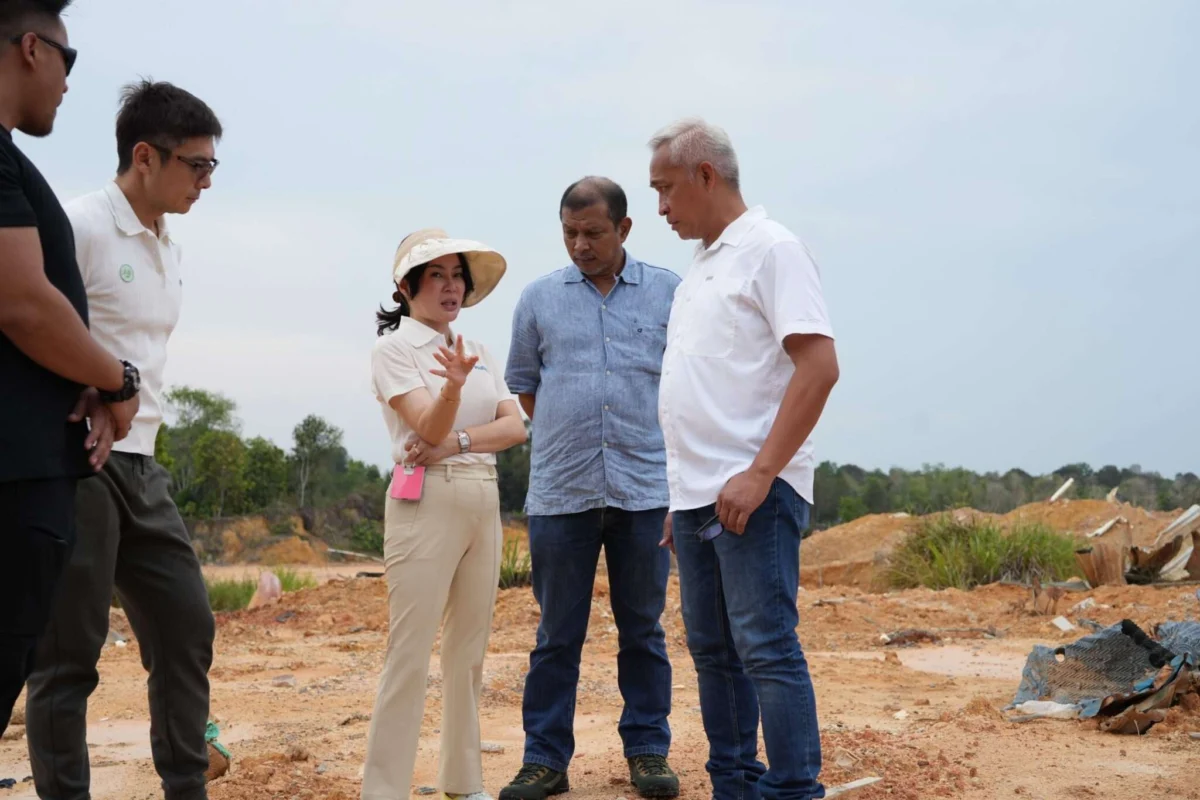
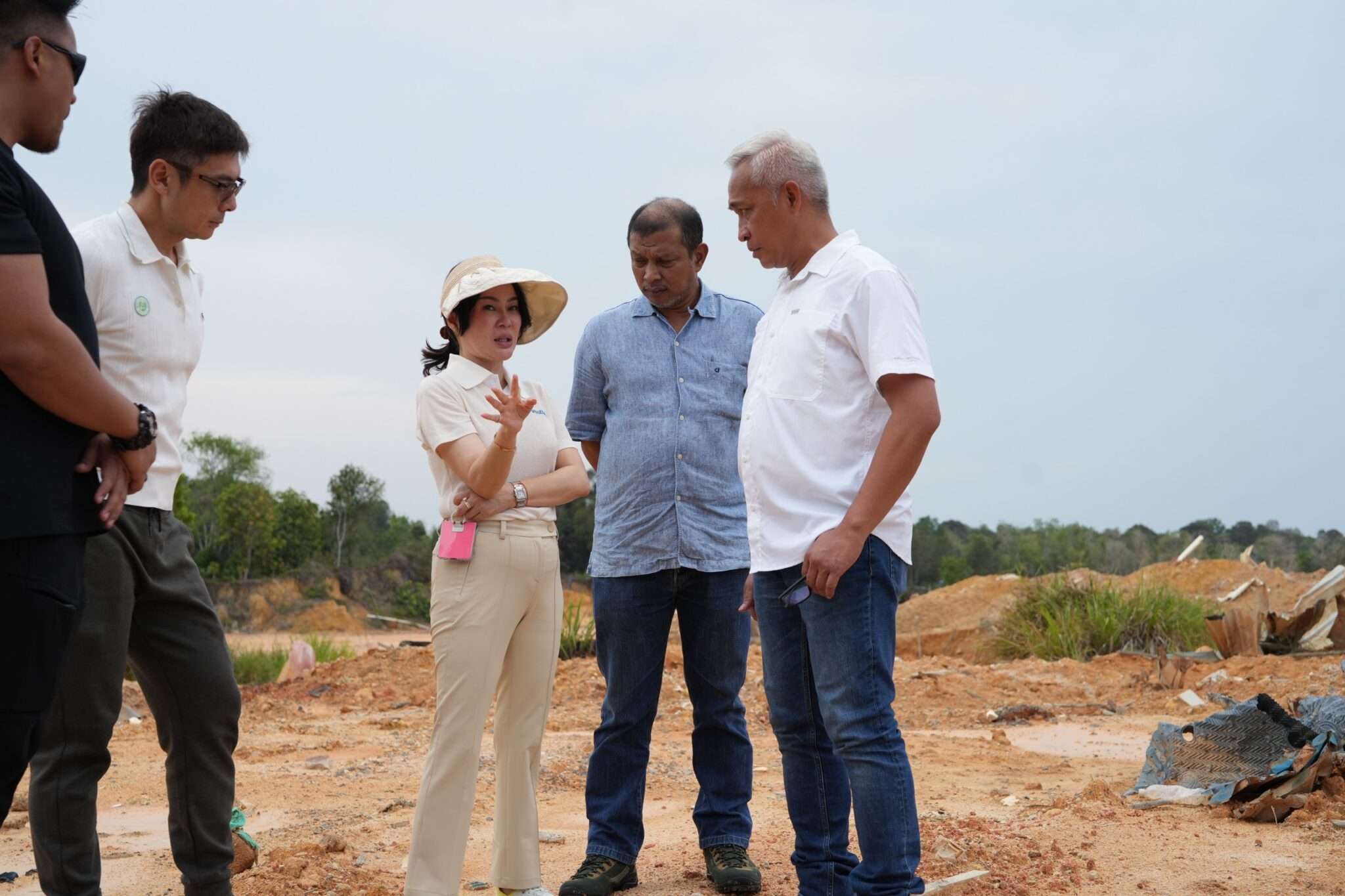
The rapid urban expansion and massive infrastructure development in Batam, Riau Islands, have created an insatiable demand for construction materials, inadvertently fueling a persistent and destructive illegal sand mining industry. On Sunday, April 12, 2026, a high-profile sudden inspection led by the Vice Mayor of Batam, who also serves as the Vice Head of the Batam Indonesia Free Zone Authority (BP Batam), Li Claudia Chandra, uncovered the staggering scale of these unauthorized activities. During the operation, officials identified four major illegal mining sites, with the most prominent operations located in Kampung Jabi, Nongsa District.
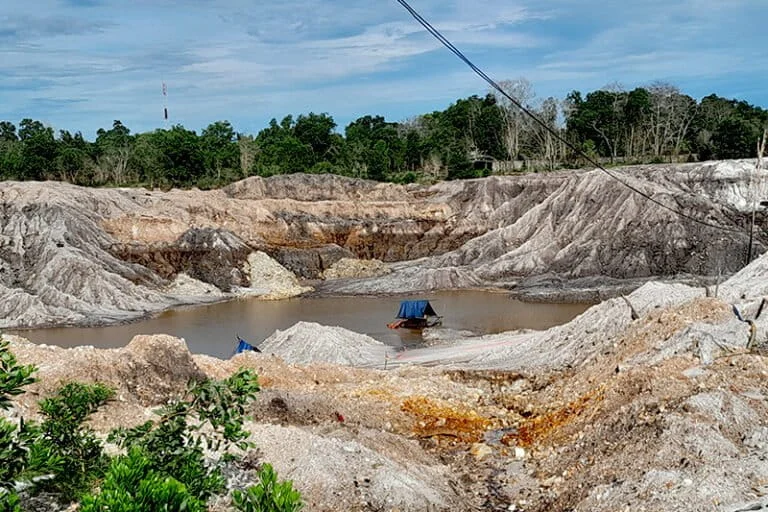
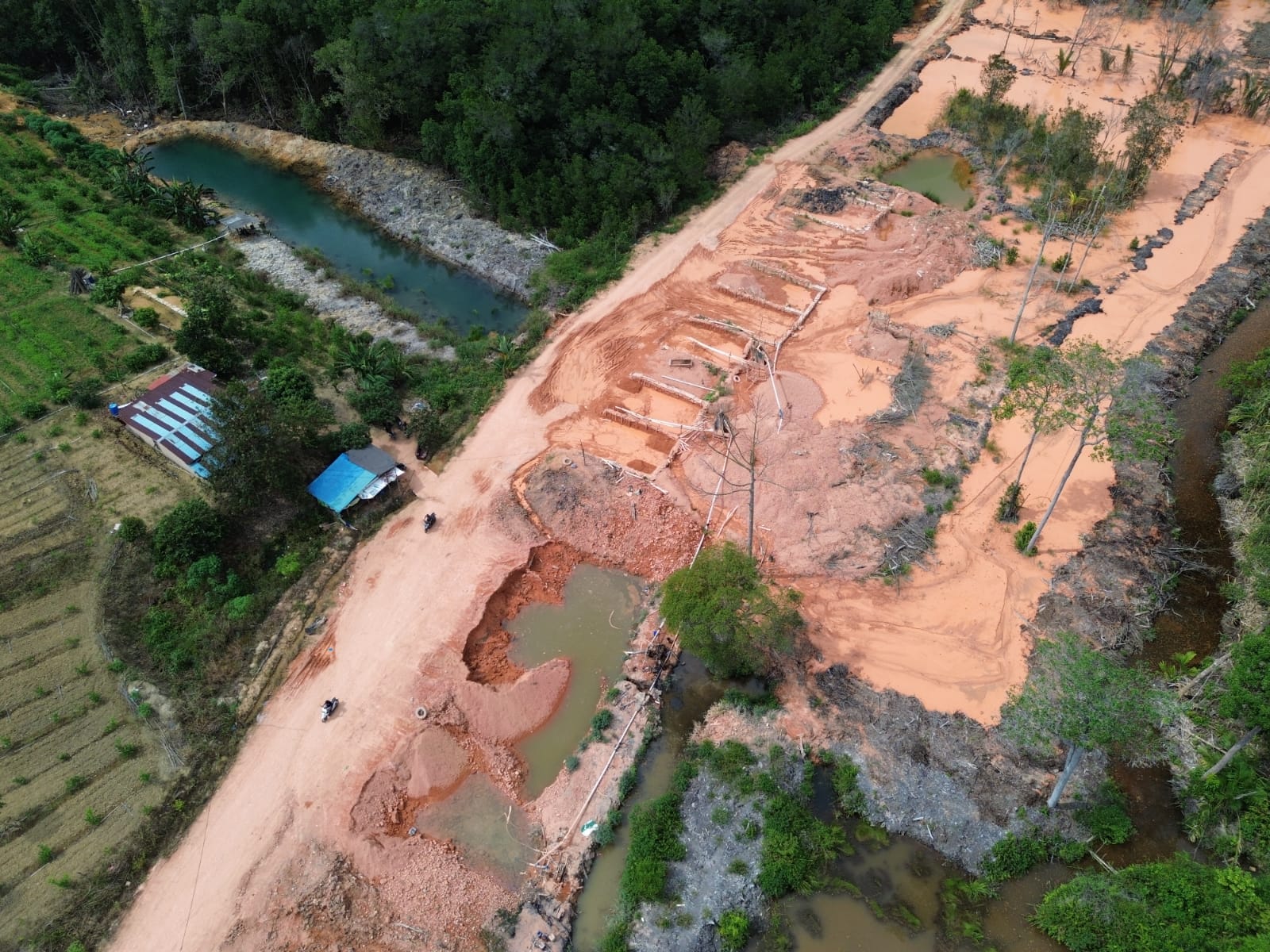
The inspection, which was documented and shared via official social media channels, revealed a landscape scarred by unregulated extraction. Deep excavation pits, abandoned machinery, and destabilized terrain characterized the sites, highlighting the immediate environmental hazards posed by these activities. Addressing the miners directly at the scene, Li Claudia Chandra emphasized the life-threatening risks associated with the deep, unstable craters left behind by the excavation process. She noted that the continuous "scraping" of the earth not only destroys the local ecosystem but creates a precarious environment that could lead to fatal accidents and landslides, particularly during the monsoon seasons common to the Riau Islands.
Accompanying the Vice Mayor were high-ranking officers from the Riau Islands Regional Police (Polda Kepri). The presence of law enforcement underscored the gravity of the situation, as the municipal government seeks to shift from mere administrative warnings to rigorous criminal prosecution. According to Li, the impact of these illegal operations extends far beyond immediate physical damage; it disrupts the ecological balance of the region and places an unfair environmental and financial burden on future generations who will have to deal with the consequences of today’s land degradation.
A Cycle of Lawlessness and Economic Necessity
The phenomenon of illegal sand mining in the Nongsa area is far from a new development. For years, local authorities have struggled to contain a "whack-a-mole" scenario where miners simply relocate their operations once a specific site is raided or shut down. There is a profound irony in the geography of these crimes, as several active mining pits are located within a five-kilometer radius of the Polda Kepri headquarters. This proximity has raised significant questions regarding the effectiveness of local surveillance and the possibility of institutional inertia or even complicity.
The persistence of these operations is rooted in the economic reality of Batam. As a strategic Free Trade Zone and a burgeoning metropolitan hub, Batam is currently undergoing a construction boom. Major reclamation projects, high-rise developments, and industrial estate expansions require millions of cubic meters of sand. When the legal supply chain cannot meet the pace of demand or when the cost of legally sourced material is deemed too high by contractors, the black market for sand thrives.
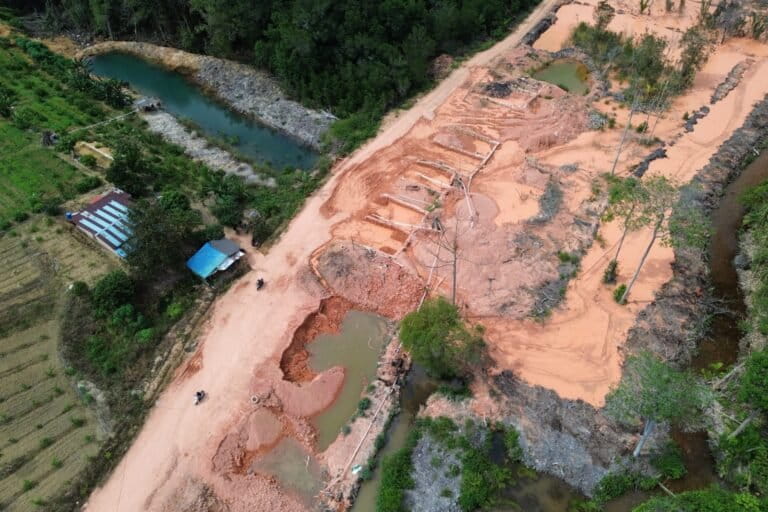
Furthermore, these illegal mines have become a source of livelihood for segments of the local population. The industry supports a complex network of laborers, truck drivers, and site managers. This socio-economic entanglement makes enforcement politically and socially sensitive, as a total shutdown without providing alternative employment often leads to local friction. However, officials argue that the short-term economic gains for a few cannot justify the long-term environmental catastrophe facing the city.
The Stance of BP Batam and Law Enforcement
In the wake of the April 12 raid, BP Batam has signaled a move toward a more integrated enforcement strategy. Li Claudia Chandra stated that the agency will strengthen its coordination with the police and other relevant ministries to ensure that future raids are not merely performative. The goal is to establish a permanent presence in high-risk areas through routine patrols and to empower local communities to act as whistleblowers.
Despite the visibility of the raid, concrete legal outcomes remain pending. Kombes Pol. Silvester Mangombo Marusaha Simamora, the Director of Special Criminal Investigation (Direskrimsus) at Polda Kepri, confirmed on Tuesday, April 14, 2026, that the cases are still under active investigation. He declined to provide specific details regarding the number of suspects detained or the volume of heavy machinery seized, noting that the evidentiary process is ongoing.
The lack of immediate arrests following such raids has historically been a point of contention for environmental advocates. Critics argue that without the immediate seizure of assets and the detention of site coordinators, the "heads" of these operations remain free to restart activities elsewhere under different names.
Ombudsman’s Critique and Allegations of Official Backing
Lagat Siadari, the Head of the Riau Islands Ombudsman Representative Office, has been vocal in his assessment of the situation. While he expressed appreciation for the Vice Mayor’s proactive stance, he warned that the history of sand mining enforcement in Batam is one of "ritualistic" actions that lack follow-through. He pointed to a raid conducted in February near the Hang Nadim International Airport, which saw mining activity resume almost immediately after the officers left the site.
The Ombudsman has raised the alarm over the possibility of "backing"—a term used in Indonesia to describe the protection of illegal activities by influential figures or members of the security forces. Siadari noted that the blatant nature of the mining, especially so close to the regional police command, suggests a level of confidence among the perpetrators that usually stems from having powerful protectors. He has called on the Internal Affairs division of the police to investigate any potential links between officers and the mining syndicates.
"Illegal mining has been cracked down on repeatedly, yet it returns time and again," Siadari remarked. "It is as if the operators believe they are above the law. If there is no transparency in the prosecution process, the public will continue to believe that these raids are merely for show."
Legal Framework and the Call for Severe Sanctions
The legal tools available to Indonesian authorities to combat illegal mining are substantial, yet they are rarely applied to their full extent. Under Article 158 of the Law on Mineral and Coal Mining (UU Minerba), individuals engaged in unauthorized mining can face up to five years in prison and fines totaling up to Rp100 billion. Additionally, the Law on Environmental Protection and Management (UU Lingkungan Hidup) provides for even harsher penalties under Article 98, including up to 10 years of imprisonment and fines of Rp10 billion for activities that result in environmental damage.
The Ombudsman is currently pushing for a collaborative effort between the police and the Directorate General of Law Enforcement (Gakkum) at the Ministry of Environment and Forestry. The integration of environmental crime statutes alongside mining violations would allow prosecutors to seek much higher penalties and mandate the restoration of the damaged land by the perpetrators.
JATAM’s Perspective: Attacking the Demand Side
Alfarhat Kasman, a campaigner for the Mining Advocacy Network (Jatam), argues that the government is focusing on the wrong end of the problem. According to Kasman, as long as there is a market for "dirty sand," the mining will continue. He emphasized that the government must investigate the buyers—the construction firms and reclamation developers—who benefit from the lower prices of illegal material.
"If the government only targets the laborers and the small-scale diggers, they are only treating the symptoms," Kasman stated. "They must be brave enough to dismantle the entire supply chain. This includes identifying the big actors, the elite figures, and the companies that integrate this sand into their projects."
Jatam has proposed that the government utilize Anti-Money Laundering (TPPU) statutes to track the flow of funds from large construction projects back to the illegal mining pits. By freezing the bank accounts of those financing the operations, the state could effectively paralyze the industry in a way that physical raids cannot. Kasman also warned that if government-funded projects are found to be using illegal sand, it would represent a massive failure of state oversight and a contradiction of the government’s own environmental mandates.
Regional Environmental Implications
Batam’s unique geography as an island makes it particularly vulnerable to the effects of unregulated mining. The removal of sand and topsoil leads to increased sedimentation in local reservoirs, which are the primary source of drinking water for the island’s nearly 1.2 million residents. Furthermore, the destruction of coastal and inland vegetation for mining purposes exacerbates the heat island effect and reduces the land’s natural ability to absorb rainwater, leading to more frequent flooding in urban areas like Tembesi, Sagulung, and Sekupang.
The broader Riau Islands province has faced similar struggles with bauxite and tin mining, often leading to the total disappearance of smaller islands. The situation in Batam is seen as a litmus test for whether the Indonesian government can successfully balance its ambitious "Golden Indonesia 2045" development goals with the necessity of environmental sustainability.
Conclusion and Future Outlook
The recent raids led by Li Claudia Chandra have brought the issue of illegal sand mining back into the public eye, but the long-term success of these efforts remains uncertain. For Batam to break the cycle of environmental degradation, a multi-pronged approach is required: rigorous criminal prosecution that targets the "bosses" and "backers," a transparent supply chain for construction materials that excludes illegal sources, and the provision of alternative livelihoods for those currently dependent on the illicit trade.
As the investigations by Polda Kepri proceed, the public and environmental watchdogs will be watching closely to see if the legal system can deliver a deterrent that finally outweighs the lucrative profits of the illegal sand trade. Without such a shift, the "ritual" of raids and subsequent restarts will likely continue, leaving Batam’s landscape permanently fractured and its ecological future in jeopardy.