Azin Asro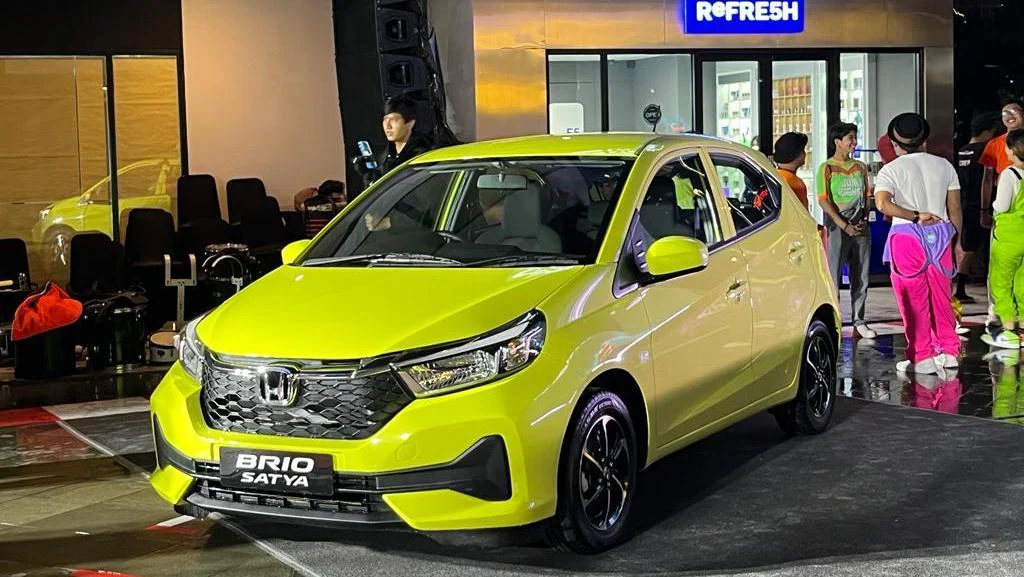
The Indonesian automotive industry is currently navigating a significant shift in consumer behavior and market dynamics as the Low Cost Green Car (LCGC) segment faces a persistent decline in sales. Once hailed as the primary engine for increasing car ownership among the burgeoning middle class, the LCGC category is now under scrutiny as prices continue to climb and demand softens. The program, which was originally designed to provide fuel-efficient and affordable transportation for first-time buyers, is seeing its market share erode, leading to questions about whether a new, even more affordable segment is required to revitalize the industry. However, industry leaders and the Association of Indonesia Automotive Industries (Gaikindo) have expressed firm opposition to the idea of introducing a vehicle class positioned below the current LCGC standards, citing critical concerns over safety, quality, and the long-term sustainability of the national automotive ecosystem.
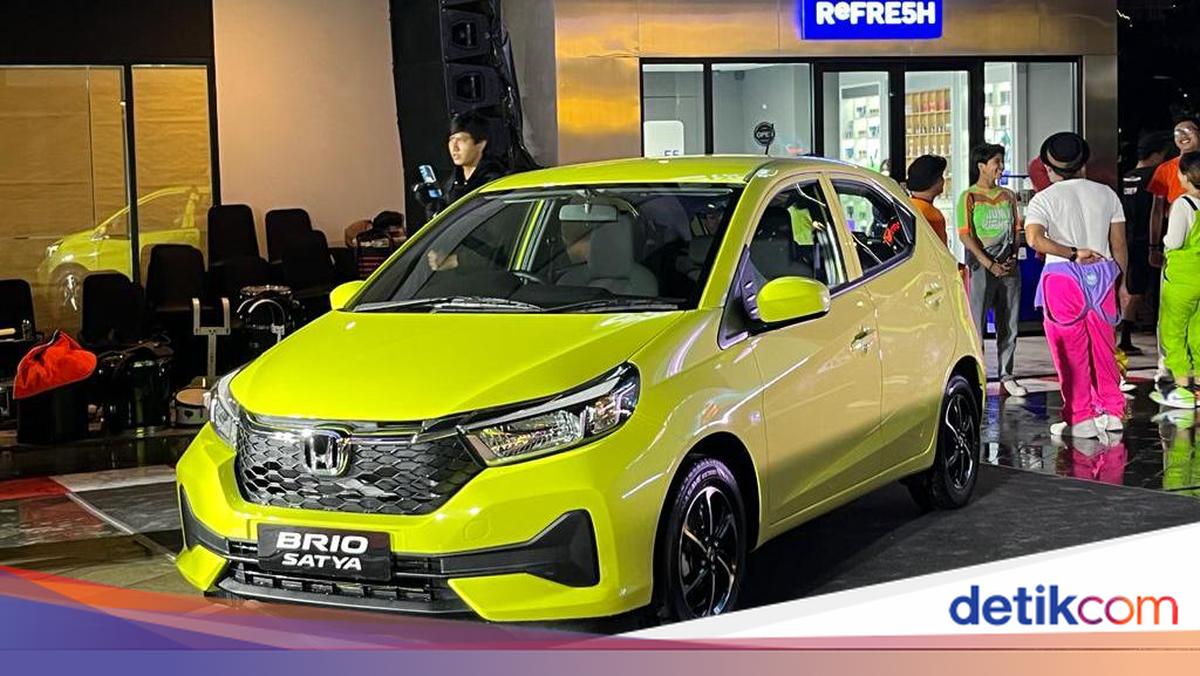
The LCGC initiative was officially inaugurated in 2013 under Government Regulation (PP) No. 41 of 2013. The primary objective was to encourage the production of small, fuel-efficient cars with high local content, in exchange for exemptions from the Luxury Goods Sales Tax (PPnBM). At its inception, the price ceiling for these vehicles was set around Rp 95 million, with adjustments allowed for features such as automatic transmissions and enhanced safety equipment. For nearly a decade, the LCGC segment—represented by models such as the Toyota Agya, Daihatsu Ayla, Honda Brio Satya, and later the seven-seater Toyota Calya and Daihatsu Sigra—served as the entry point for millions of Indonesian households moving from motorcycles to four-wheeled vehicles.
As of 2024, the landscape has changed dramatically. The price of a new LCGC now frequently approaches or exceeds the Rp 200 million threshold, a figure that was once the territory of the Low Multi-Purpose Vehicle (LMPV) segment. This price creep is the result of several factors, including the 2022 policy shift that introduced a 3% PPnBM rate for LCGCs, rising raw material costs, global supply chain disruptions, and the integration of more advanced technology and safety features required to meet modern consumer expectations and regulatory standards. Consequently, the "cheap" label originally attached to these cars is increasingly seen as a misnomer by the public, contributing to a cooling of market enthusiasm.
Statistical data from the first quarter of 2024 underscores the severity of the downturn. Sales of LCGC units reached only 28,831 units during the first three months of the year, representing a sharp contraction of 29.9 percent compared to the same period in the previous year. This decline is significantly steeper than the overall decline in the national automotive market, suggesting that the entry-level segment is being hit hardest by economic headwinds. Furthermore, market share projections indicate a shrinking footprint for LCGCs; while the segment held a 20.1 percent market share in early 2024, that figure is projected to slide toward 15.7 percent as the year progresses and into 2025. In 2023, the total sales for the five primary LCGC models hovered around 130,000 units, a far cry from the peak years when the segment dominated domestic sales charts.
In response to these trends, Kukuh Kumara, the Secretary General of Gaikindo, has clarified the industry’s position regarding the potential for a "sub-LCGC" or a more affordable car segment. Speaking at the Gaikindo office in Menteng, Central Jakarta, Kumara emphasized that the industry does not see a need to create a lower-tier segment. The primary reasoning behind this stance is the non-negotiable nature of vehicle safety and quality. Kumara argued that if a car were to be manufactured at a price point significantly lower than current LCGCs, the manufacturer would inevitably be forced to compromise on essential features.
The point is affordability, which means providing better cars while the purchasing power of the community increases, Kumara stated. He further explained that the solution to declining sales should not be a "race to the bottom" in terms of vehicle specifications. Reducing the price by stripping away safety features or using inferior materials is viewed as a regressive step that could endanger consumers. According to Gaikindo, the focus should remain on maintaining high standards for safety, such as airbags, anti-lock braking systems (ABS), and structural integrity, which are now standard in most LCGCs despite their "low-cost" branding.
This perspective shifts the focus from the product to the consumer’s economic reality. Kumara suggested that the stagnation in LCGC sales is not necessarily a failure of the product itself, but rather a reflection of the national economy and the stagnant purchasing power of the middle and lower-income brackets. If the economy remains sluggish and disposable income does not rise, even a significantly cheaper vehicle would remain out of reach for the target demographic. This analysis points to a "middle-income trap" in the automotive sector, where the cost of producing a safe, modern vehicle is rising faster than the average consumer’s ability to finance such a purchase.
The chronology of the LCGC’s price evolution provides a clear picture of why the segment is struggling. Between 2013 and 2018, price increases were relatively modest and regulated by the Ministry of Industry. However, the introduction of the second generation of models like the Toyota Agya and Daihatsu Ayla in 2023 brought about more substantial price hikes. These new models featured completely new platforms, more efficient engines, and advanced CVT transmissions, which, while improving the driving experience, pushed the cars into a higher price bracket. Simultaneously, the Indonesian government’s decision to phase out the 0% PPnBM incentive for LCGCs meant that consumers had to absorb a tax increase, further inflating the final "on-the-road" price.
Beyond the sticker price, the broader economic environment in 2024 has played a detrimental role. High-interest rates set by Bank Indonesia to combat inflation have made car loans more expensive. Since the vast majority of LCGC purchases—upwards of 70 to 80 percent—are made through financing, the increase in monthly installments has deterred many potential first-time buyers. Additionally, leasing companies have become more stringent in their credit scoring processes to avoid a rise in non-performing loans, effectively locking out the very segment of the population the LCGC program was intended to serve.
The implications of this sales slump extend beyond the manufacturers to the wider Indonesian economy. The LCGC program was a cornerstone of the "Making Indonesia 4.0" initiative, designed to turn the country into a regional automotive production hub. The high local content requirement (often exceeding 80 percent) means that hundreds of local component suppliers rely on high-volume LCGC production to maintain their operations. A sustained decline in LCGC demand could lead to reduced production volumes, potentially impacting employment within the domestic supply chain and reducing the overall contribution of the automotive sector to the national GDP.
Looking ahead, the industry faces a crossroads. While some observers suggest that the rise of electric vehicles (EVs) might eventually provide a new "affordable" alternative, current EV technology remains significantly more expensive than the internal combustion engines found in LCGCs. The government has introduced incentives for EVs, but even the most affordable electric cars in Indonesia are currently priced well above the Rp 200 million mark, making them a luxury rather than a mass-market solution for the time being.
In conclusion, the challenges facing the LCGC segment in Indonesia are multifaceted, involving a complex interplay of rising production costs, regulatory changes, and weakened consumer purchasing power. Gaikindo’s refusal to endorse a cheaper, lower-spec car segment reflects a commitment to industrial maturity and consumer safety. The industry’s consensus is clear: the path forward lies in strengthening the national economy and enhancing the financial capacity of the people, rather than degrading the quality of the vehicles they drive. As the market continues to evolve, the LCGC segment remains a vital, albeit struggling, pillar of the Indonesian automotive landscape, waiting for an economic environment that can once again support its original vision of widespread, affordable mobility.