Azin Asro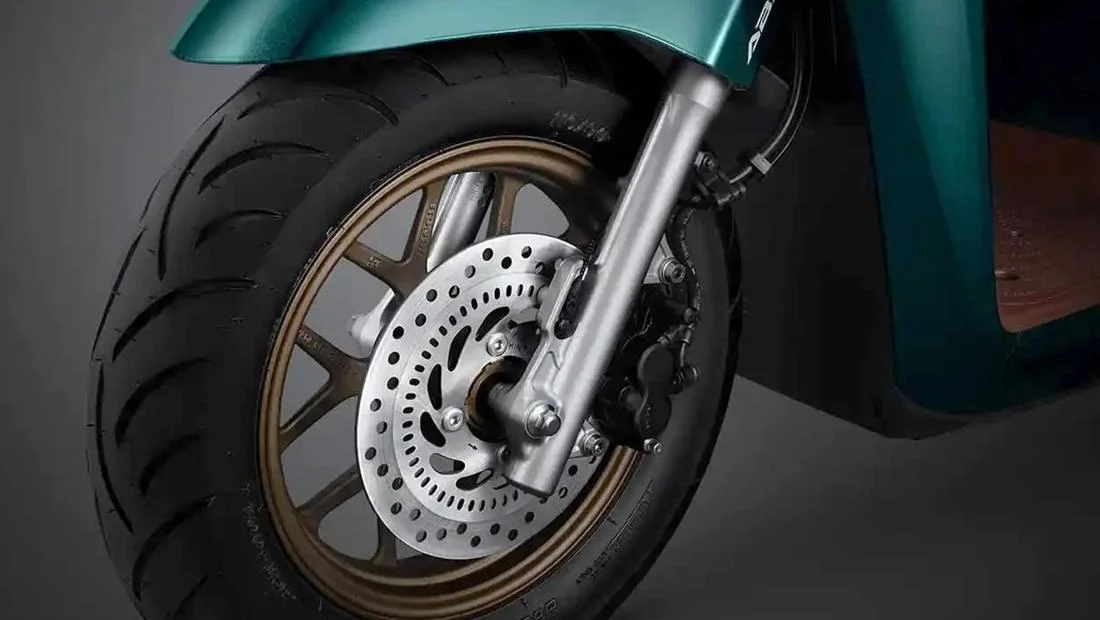
The pneumatic tire remains one of the most critical yet frequently overlooked components of modern motorcycle engineering, serving as the sole point of contact between a vehicle and the road surface. In the contemporary automotive landscape, tires are far more than mere rubber hoops; they are complex structures designed to manage a multifaceted array of forces, including vertical loads, longitudinal acceleration, and lateral cornering pressures. Despite this vital role, a growing segment of the motorcycling community—particularly in urban centers like Jakarta—has prioritized aesthetic modification over engineering integrity. The trend of installing oversized tires, often referred to as "upsizing," has gained significant traction among enthusiasts seeking a more aggressive or "muscular" appearance for their vehicles. However, automotive experts warn that this deviation from factory standards carries profound technical consequences that can compromise both vehicle longevity and rider safety.
The engineering of a motorcycle is a delicate balance of physics, where every component is calibrated to function in harmony with others. When a manufacturer like Honda, Yamaha, or Kawasaki designs a motorcycle, the tire dimensions are selected based on extensive research and development (R&D) cycles. These dimensions are synchronized with the engine’s power output, the gear ratios of the transmission, the damping characteristics of the suspension, and the geometry of the chassis. By altering the tire size without recalibrating the rest of the machine, riders inadvertently disrupt this equilibrium. Technical analysts from major automotive distributors, such as PT Wahana Makmur Sejati, have noted an uptick in maintenance issues directly linked to improper tire modifications, prompting a renewed focus on educating the public about the risks involved in moving away from standard equipment manufacturer (OEM) specifications.
The Physics of Performance: Acceleration and Rotational Mass
One of the most immediate and noticeable impacts of installing larger tires is the degradation of the motorcycle’s acceleration and overall engine responsiveness. From a mechanical perspective, this phenomenon is rooted in the principles of rotational inertia and friction. A larger tire typically possesses a greater mass than its standard counterpart. Because this mass is distributed further from the axle, it requires significantly more torque to initiate and maintain rotation. This is often referred to as "unsprung weight," which is the mass of the vehicle components not supported by the suspension system.
Furthermore, a wider tire creates a larger "contact patch"—the area of the tire actually touching the pavement. While a larger contact patch can offer more grip in specific high-performance scenarios, in everyday commuting, it primarily serves to increase rolling resistance. Technical Analyst at PT Wahana Makmur Sejati, Wahyu Budhi, emphasizes that this increased friction forces the engine to work harder to achieve the same speeds. For small-to-medium displacement motorcycles, which make up the bulk of the Indonesian market, the engine’s power reserve is often insufficient to overcome this added resistance without a palpable loss in performance. Riders frequently report that their motorcycles feel "sluggish" or "heavy" during initial takeoff, a direct result of the engine struggling against the altered physics of the drivetrain.
Fuel Efficiency and Environmental Impact
In an era where fuel economy is a primary concern for commuters, the installation of oversized tires presents a significant financial drawback. The relationship between tire size and fuel consumption is linear: as the engine works harder to overcome the increased rotational inertia and rolling resistance mentioned above, it consumes more fuel per kilometer. This decrease in thermal efficiency means that the motorcycle’s range is reduced, and the cost of operation increases.
Internal data from various automotive testing cycles suggests that even a modest increase in tire width and profile can lead to a 5% to 10% drop in fuel efficiency, depending on the engine displacement and riding conditions. In stop-and-go urban traffic, where constant acceleration is required, the disparity becomes even more pronounced. This not only affects the rider’s wallet but also contributes to higher carbon emissions, as the vehicle must burn more fuel to cover the same distance. For many riders, the aesthetic benefit of a wider tire is quickly overshadowed by the recurring cost at the fuel pump.
Altered Handling Dynamics and Steering Precision
The geometry of a motorcycle—specifically the rake, trail, and center of gravity—is meticulously calculated based on specific tire profiles. When a rider installs a tire that is wider or taller than the OEM recommendation, the motorcycle’s handling characteristics are fundamentally altered. In many cases, the bike becomes less responsive to steering inputs. This is particularly dangerous during emergency maneuvers where split-second reactions are required to avoid obstacles.
A wider tire has a different "crown" shape compared to a standard tire. When leaning into a corner, the transition from the center of the tire to the shoulder requires more effort from the rider, a phenomenon known as "heavy steering." Moreover, if the tire is too wide for the rim it is mounted on, the tire’s profile becomes pinched or "ballooned," which can lead to unpredictable behavior at high lean angles. Instead of a smooth, linear transition during cornering, the motorcycle may feel as though it wants to "stand up" or resist the turn, forcing the rider to apply more physical force to the handlebars. This lack of precision reduces rider confidence and increases the likelihood of errors in challenging road conditions.
Braking Distance and Safety Risks
Perhaps the most critical concern regarding oversized tires is their impact on the vehicle’s braking system. A motorcycle’s braking performance is calibrated to its original weight and tire specifications. When the mass of the wheels is increased, the kinetic energy that the brakes must dissipate also increases. Consequently, the standard braking system—including the calipers, pads, and discs—may find itself overmatched by the added momentum of the larger tires.
Wahyu Budhi points out that the distribution of load during braking is also affected. Modern motorcycles, especially those equipped with Anti-lock Braking Systems (ABS), rely on sensors that monitor wheel speed and deceleration rates. Altering the tire diameter changes the circumference of the wheel, which can confuse the ABS sensors and lead to improper intervention or system errors. This can result in increased braking distances, which, in a high-traffic environment like Jakarta, can be the difference between a safe stop and a collision. Furthermore, the change in the tire’s contact patch during hard braking can lead to instability, making the rear wheel more prone to lifting or the front wheel more prone to tucking.
Accelerated Wear on Suspension and Chassis Components
The negative effects of oversized tires extend beyond the rubber itself, placing undue stress on the motorcycle’s structural components. The suspension system, comprising the front forks and rear shock absorbers, is tuned to manage the weight of the OEM wheels. The additional unsprung mass of larger tires forces the suspension to work harder to dampen road irregularities. This leads to faster degradation of fork oil, seals, and internal valving.
Over time, the increased vibration and load can also affect the wheel bearings and the swingarm bushings. These components are designed to operate within specific tolerances; exceeding these limits accelerates wear and tear, leading to costly repairs. In extreme cases, the added weight and altered leverage can even lead to stress fractures in the wheel rims or the swingarm itself. Riders who choose style over substance often find themselves facing premature maintenance bills that far exceed the cost of the initial modification.
Structural Interference and Mechanical Damage
A practical but often ignored risk of upsizing tires is the lack of physical clearance within the motorcycle’s frame and bodywork. Manufacturers design fenders (spakbor), chain guards, and swingarms with specific clearances to allow for the expansion of the tire at high speeds and the movement of the suspension. An oversized tire may appear to fit while the motorcycle is stationary, but under load or during high-speed travel, the tire can expand due to centrifugal force.
If the tire makes contact with the inner fender or the swingarm, it can cause immediate damage to the tire’s sidewall or tread, leading to a potential blowout. Furthermore, friction between the tire and the motorcycle’s bodywork can create heat and debris, which may interfere with the drive chain or braking lines. "The risk of friction with the body is not just a comfort issue; it is a structural hazard," warns Budhi. Such interference can cause the wheel to lock up unexpectedly, posing a severe threat to the rider and other road users.
The Expert Perspective: Safety Over Aesthetics
The consensus among automotive professionals is clear: the benefits of maintaining standard tire sizes far outweigh the aesthetic appeal of modifications. PT Wahana Makmur Sejati and other industry leaders emphasize that if a rider insists on changing tire sizes, it should only be done within very narrow margins—typically no more than one size increment up—and only if the rim width is compatible.
"We always suggest using tire sizes that match the manufacturer’s standards," Budhi reiterates. "Every component of the vehicle has been designed with technical calculations that are interrelated to ensure performance and safety." This holistic view of motorcycle design is what ensures that a vehicle remains predictable and reliable over thousands of kilometers. When riders bypass these standards, they are essentially acting as amateur engineers, often without the data or tools necessary to understand the risks they are introducing.
Analysis of Long-term Implications and Conclusion
The trend of modifying motorcycles with oversized tires reflects a broader cultural desire for personalization, but it highlights a significant gap in technical literacy among the general public. From a broader perspective, these modifications can also impact the resale value of the vehicle. Knowledgeable buyers and official dealerships often view non-standard modifications as a liability, as they indicate that the vehicle has been operated outside its intended design parameters.
Furthermore, there are legal and insurance implications to consider. In many jurisdictions, significant modifications to a vehicle’s factory specifications can void insurance policies or lead to fines during safety inspections. If a modified motorcycle is involved in an accident, investigators may point to the non-standard tires as a contributing factor, potentially complicating insurance claims or legal defense.
In conclusion, while the allure of a "beefier" looking motorcycle is understandable, the technical reality is that oversized tires offer little more than a visual upgrade at the cost of performance, efficiency, and safety. The modern motorcycle is a masterpiece of precision engineering, and the tires are the foundation upon which that engineering rests. By adhering to manufacturer recommendations, riders ensure that their vehicles remain as safe, nimble, and efficient as the day they left the factory. The advice from experts like those at PT Wahana Makmur Sejati serves as a vital reminder that in the world of motorcycling, safety must always take precedence over style. Maintaining the integrity of the tire-to-road interface is not just about preserving the bike; it is about protecting the life of the person riding it.