Lusiana Hamidun
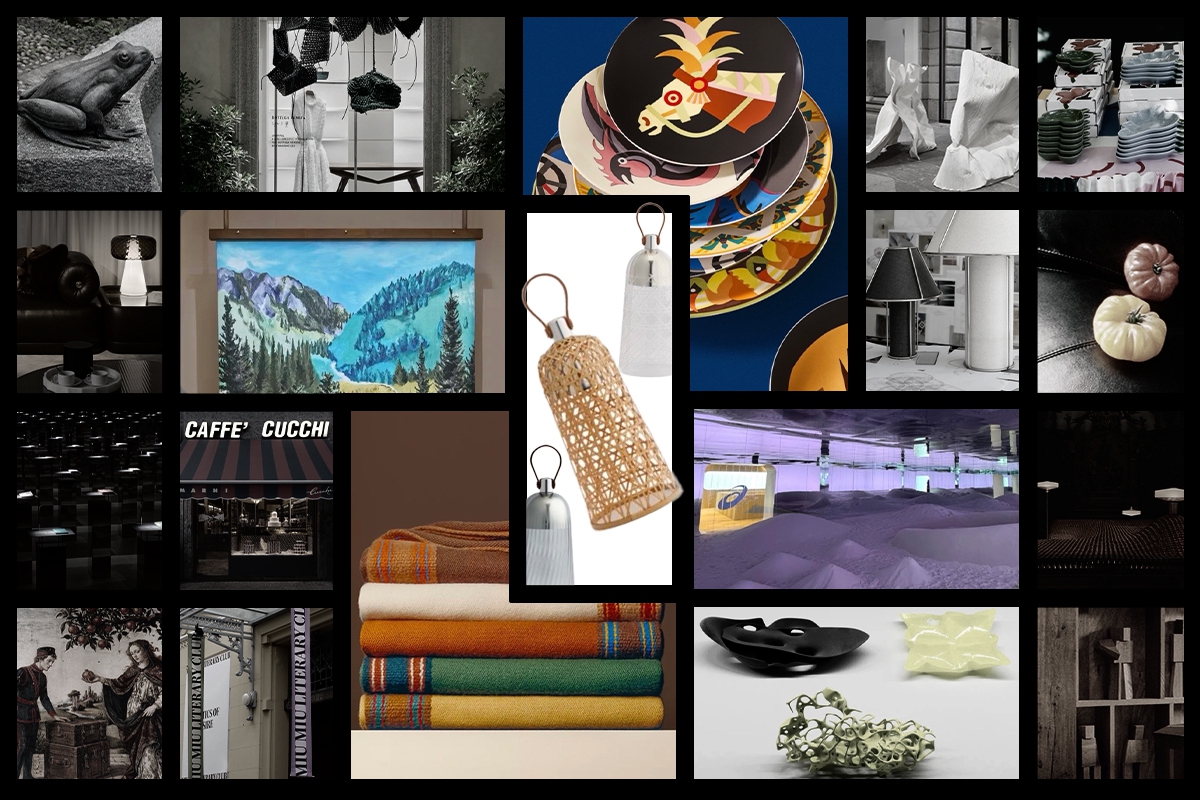
Every April, Milan reawakens with its own distinct rhythm, a pulse that, while not always ostentatious, becomes palpable in the city’s vibrant movement. From April 20th to 26th, 2026, the Italian fashion capital transformed into a global nexus for brands across fashion, beauty, and design. Each entity presented its unique perspective, articulating design narratives not solely through grand spectacles, but through immersive experiences and meticulously crafted spaces. Milan Design Week 2026 underscored a significant evolution: design transcending mere objects to encompass spatial experiences, sensory engagements, and sophisticated brand storytelling. This year’s edition showcased a remarkable 19 innovations from a diverse array of leading brands, offering a comprehensive glimpse into the future of design and brand expression.
The Evolving Landscape of Design at Milan Design Week
Milan Design Week, a cornerstone event in the global design calendar, has consistently evolved beyond its origins as a showcase for furniture and homeware. In recent years, the integration of high fashion and luxury brands has become increasingly pronounced, transforming the event into a holistic celebration of lifestyle and creative expression. This convergence reflects a broader industry trend where brands leverage design as a critical tool for communication, brand building, and consumer engagement. The 2026 edition, held amidst a period of significant technological advancement and shifting consumer priorities, highlighted a heightened emphasis on sustainability, artisanal craftsmanship, and experiential design. The integration of digital elements, interactive installations, and thoughtful curation across various disciplines created a multi-layered experience that resonated deeply with attendees and industry professionals alike. The event’s ability to draw together a diverse range of stakeholders, from established design houses to emerging artists and innovative material scientists, solidified its position as a pivotal platform for dialogue and discovery.
A Showcase of 19 Innovations
The following 19 innovations presented by leading fashion and beauty brands during Milan Design Week 2026 illustrate the diverse and sophisticated approaches to design and brand narrative:
1. Dior: Reimagining Couture Through Light and Form
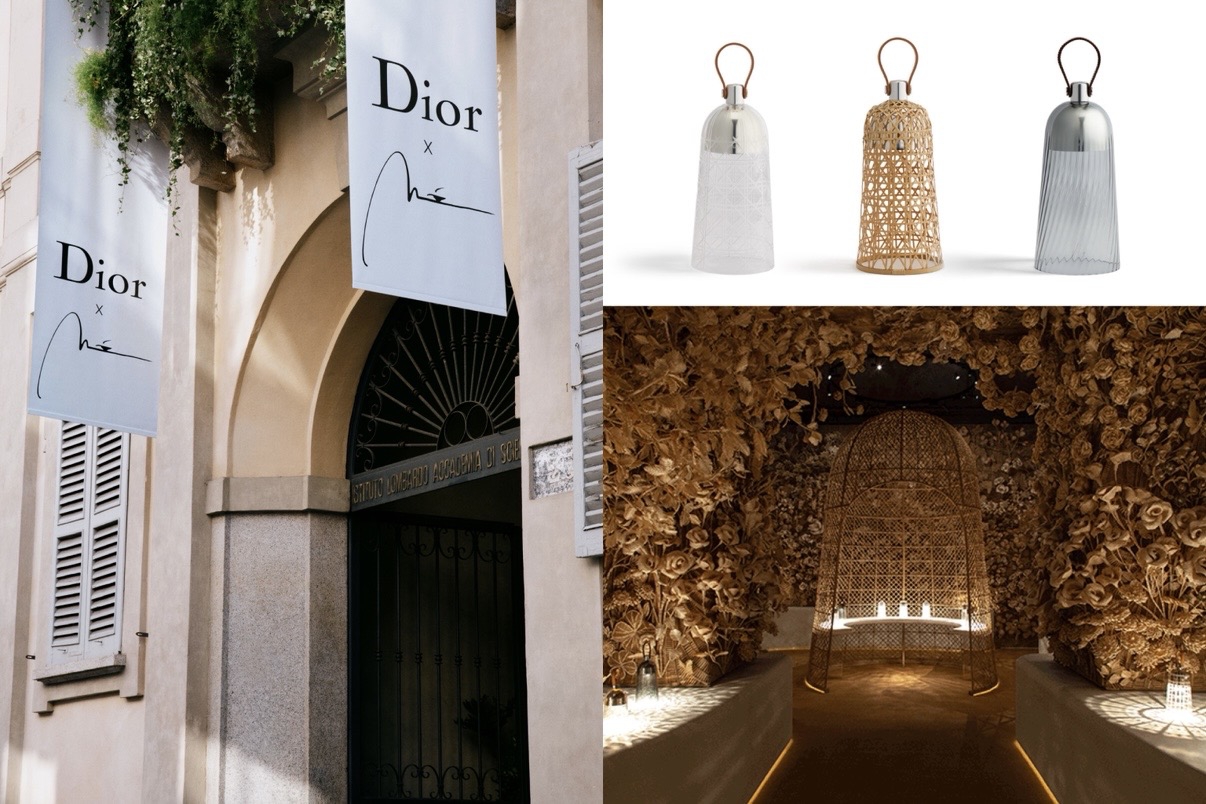
Dior, under the artistic direction of Jonathan Anderson, presented a groundbreaking interpretation of couture through the "Corolle" lamp, a collaboration with designer Noé Duchaufour-Lawrance. This exquisite piece, crafted from hand-blown Murano glass, artfully emulates the delicate folds of Dior’s iconic skirts. The lamps possess a lightness and precision that mirrors the artistry of haute couture. As light gently cascades across their surfaces, subtle, fluid shadows emerge, creating an effect akin to rippling fabric. This innovation not only showcases Dior’s heritage but also its commitment to pushing the boundaries of material and form, translating the essence of fashion into functional art. The meticulous craftsmanship involved in each lamp underscores the value of artisanal techniques in the modern luxury landscape, offering a tangible connection to the brand’s sartorial legacy.
2. Louis Vuitton: A Nomadic Journey Through Palazzo Serbelloni
Louis Vuitton orchestrated a compelling narrative at Palazzo Serbelloni with its "Objets Nomades" collection. The exhibition space was thoughtfully curated into thematic landscapes, seamlessly integrating furniture, textiles, and decorative objects. This approach transformed the collection into a cohesive visual story, inviting visitors to immerse themselves in a world of refined travel and design. The iconic Louis Vuitton trunks were reimagined, showcasing an exploration of stained glass that elevated these travel essentials into architectural statements. This presentation underscored Louis Vuitton’s enduring legacy in luxury travel while demonstrating its contemporary relevance through innovative design and artistic collaboration. The spatial arrangement and thematic coherence of the exhibition provided a rich sensory experience, allowing visitors to appreciate the intricate details and conceptual depth of each piece.
3. Prada: The Power of Ideas in "Prada Frames: In Sight"
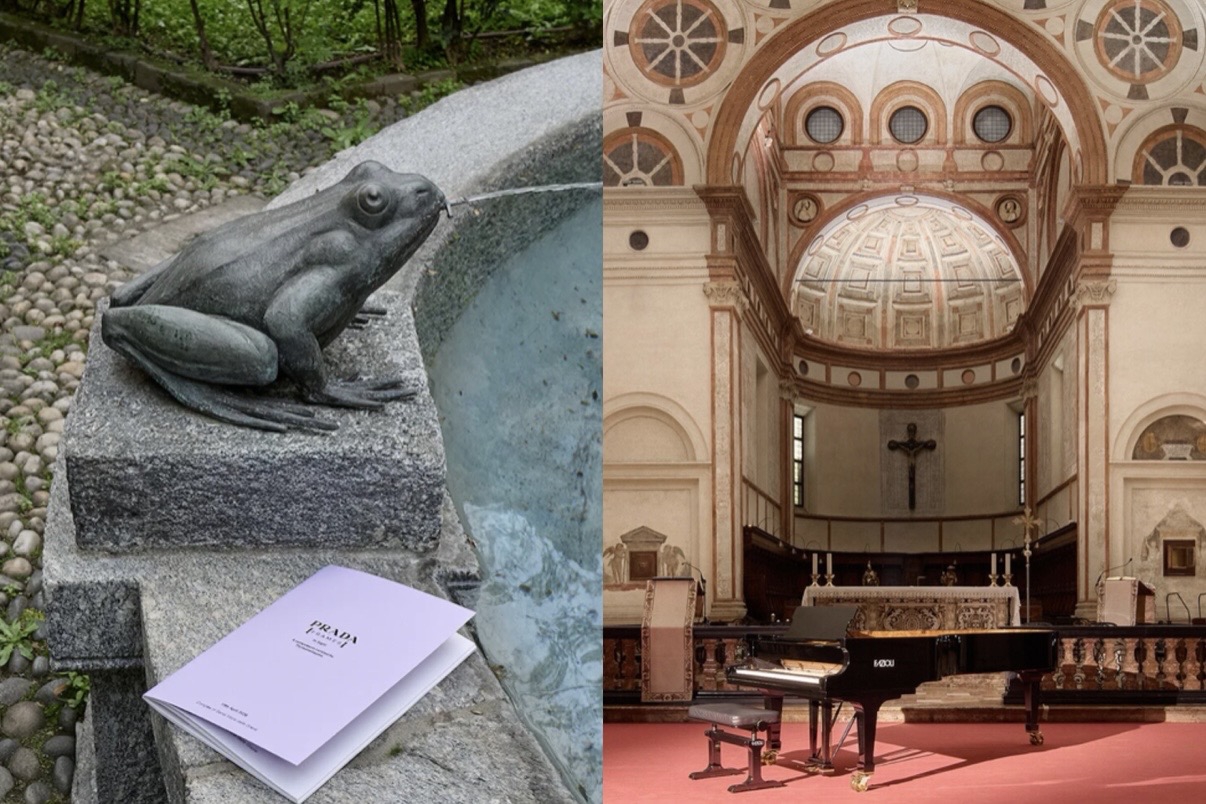
Prada embraced the power of discourse and intellectual engagement with "Prada Frames: In Sight." Held within the serene Renaissance setting of the Sacristy of Santa Maria delle Grazie, the initiative featured panel discussions, text readings, and performative visits. Eschewing a primary focus on tangible objects, Prada successfully crafted an experience centered on conversation and critical thinking about imagery, from photography to the evolving landscape of algorithms. This approach positioned Prada not just as a fashion house, but as a cultural commentator, engaging with contemporary issues through intellectual dialogue. The choice of venue, a space rich in artistic and historical significance, further amplified the gravity of the discussions, creating a unique platform for exploring the intersection of art, technology, and societal perception.
4. Hermès: An Ode to Craftsmanship and Refined Materials
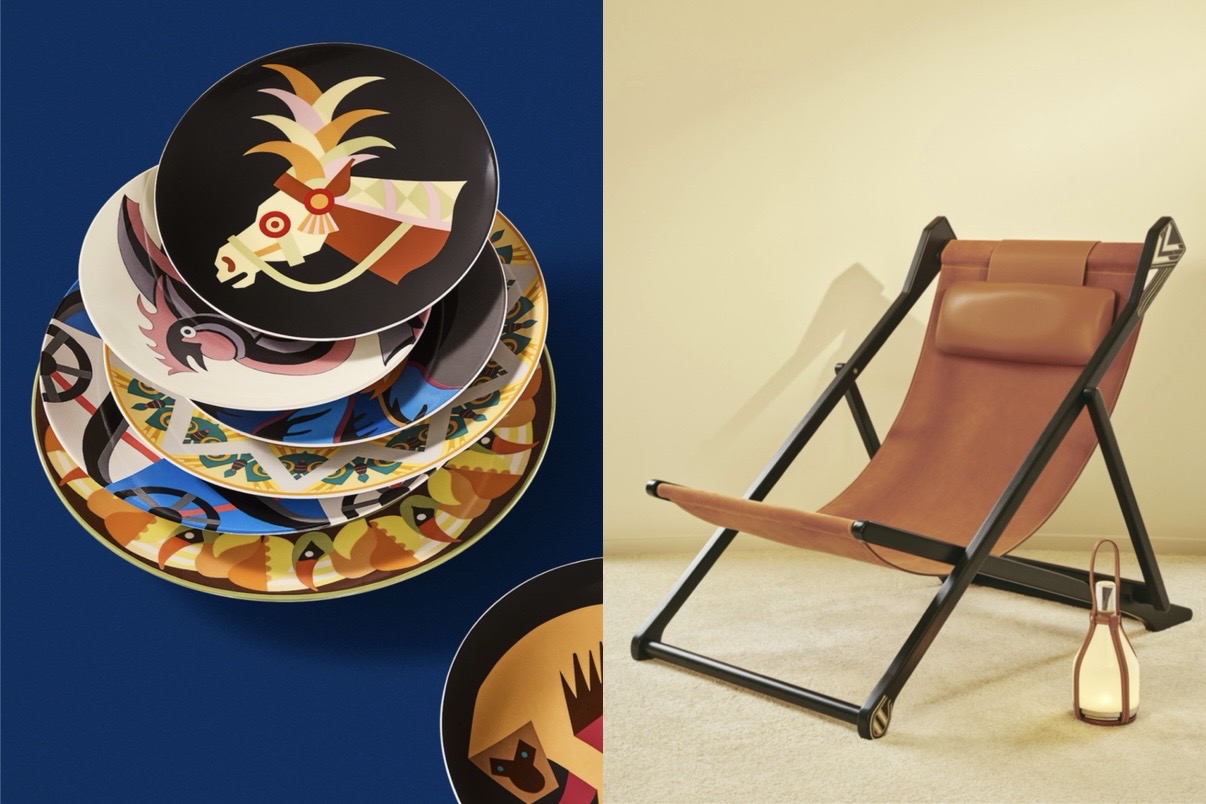
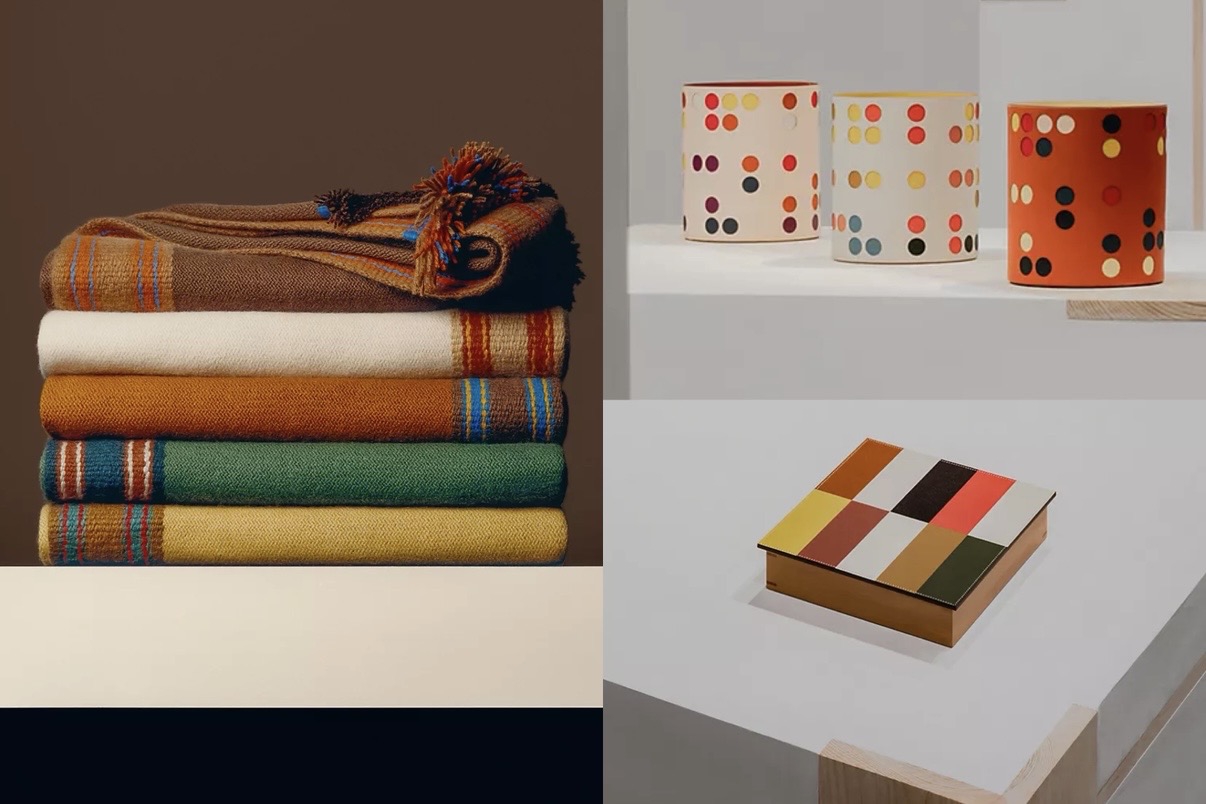
Hermès curated an environment of understated elegance at La Pelota, utilizing simple structures of plaster and beechwood. Within this minimalist setting, the brand showcased the "Stadium" marble table, characterized by its distinctive figure-eight form, and the "Palladion" line, a sophisticated fusion of palladium, leather, and horsehair. The addition of hand-woven cashmere textiles introduced a layer of exquisite softness and tactile richness. This presentation celebrated Hermès’ dedication to exceptional materials and artisanal craftsmanship, demonstrating how even the most luxurious elements can be presented with a sense of refined simplicity. The deliberate choice of materials and the meticulous execution of each piece highlighted the brand’s commitment to timeless quality and enduring design.
5. Versace: Sculptural Forms and Classic Allure
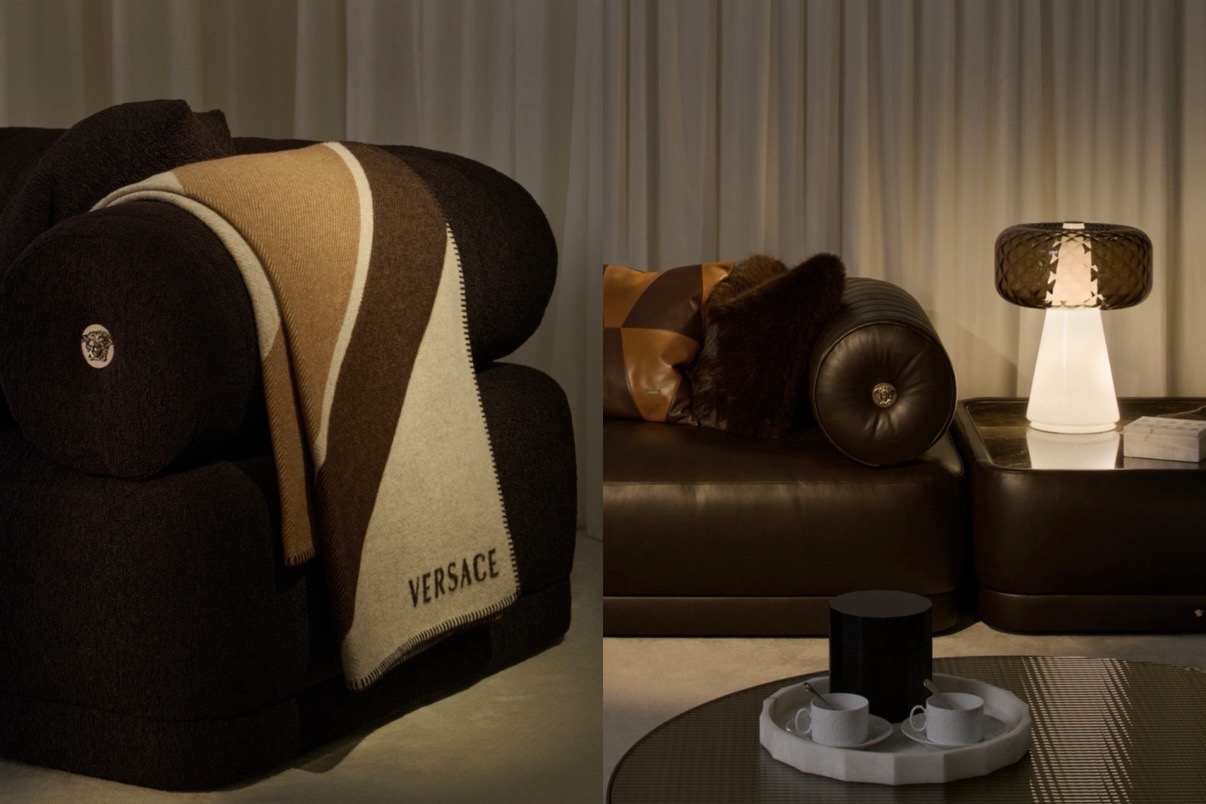
Versace unveiled its Versace Home collection at Via Durini, placing a strong emphasis on form and material. The furniture pieces exhibited a sculptural volume and refined finishing, artfully blending classic references with a distinctly modern sensibility. Each element possessed a powerful individual character, yet together they formed a cohesive and dynamic living space. This collection underscored Versace’s ability to translate its bold, opulent aesthetic into the realm of interior design, creating environments that are both visually striking and deeply inviting. The interplay of classic motifs and contemporary design principles resulted in a collection that felt both timeless and relevant, appealing to a discerning clientele.
6. Jil Sander: A Mindful Encounter with Literature
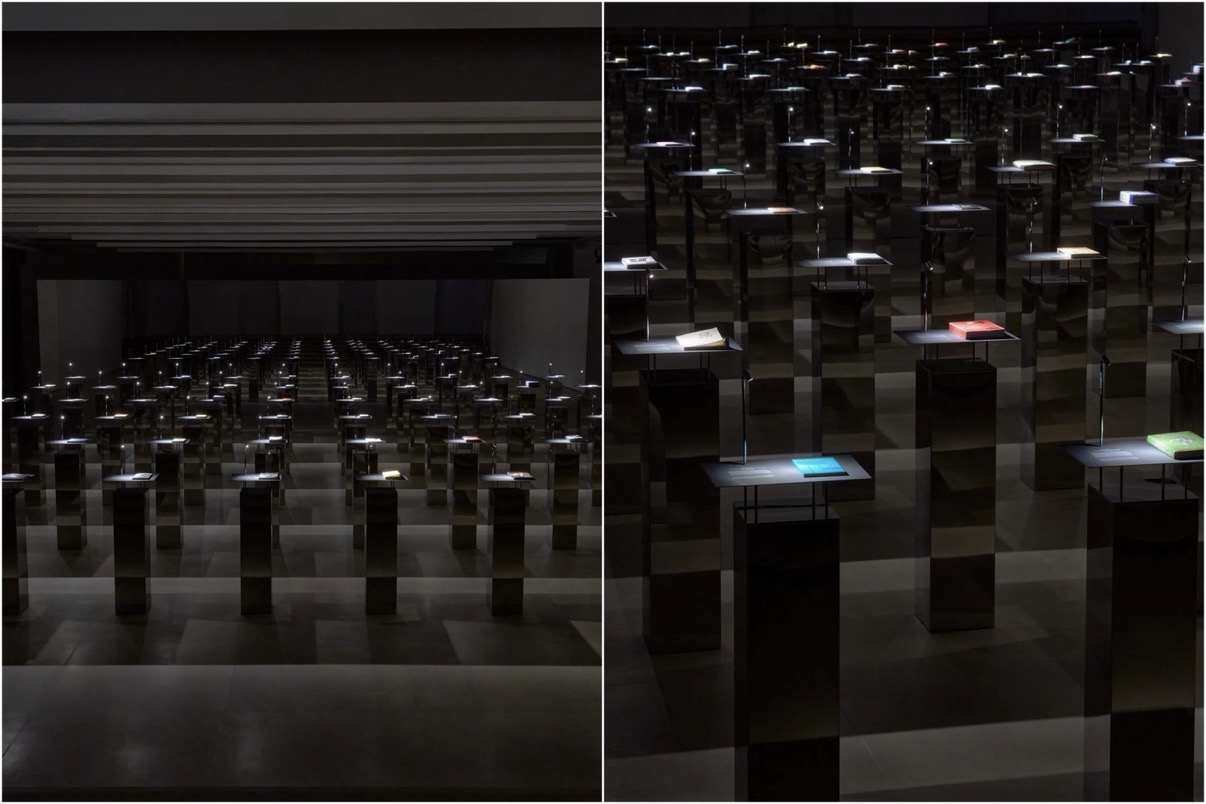
Jil Sander, in collaboration with Apartamento, presented "Reference Library," a curated selection of 60 books displayed on chrome lecterns within a space bathed in warm lighting and framed by mirrored walls. Visitors were required to wear white gloves, transforming the act of reading into a mindful and intimate gesture. This installation highlighted Jil Sander’s minimalist ethos and its appreciation for intellectual pursuits, framing literature as an art form deserving of careful contemplation. The experience encouraged a deeper engagement with the printed word, fostering a sense of reverence and personal connection. The controlled environment and the emphasis on careful handling of the books created a sanctuary for reflection and intellectual exploration.
7. Gucci: A Memorable Voyage Through Brand History
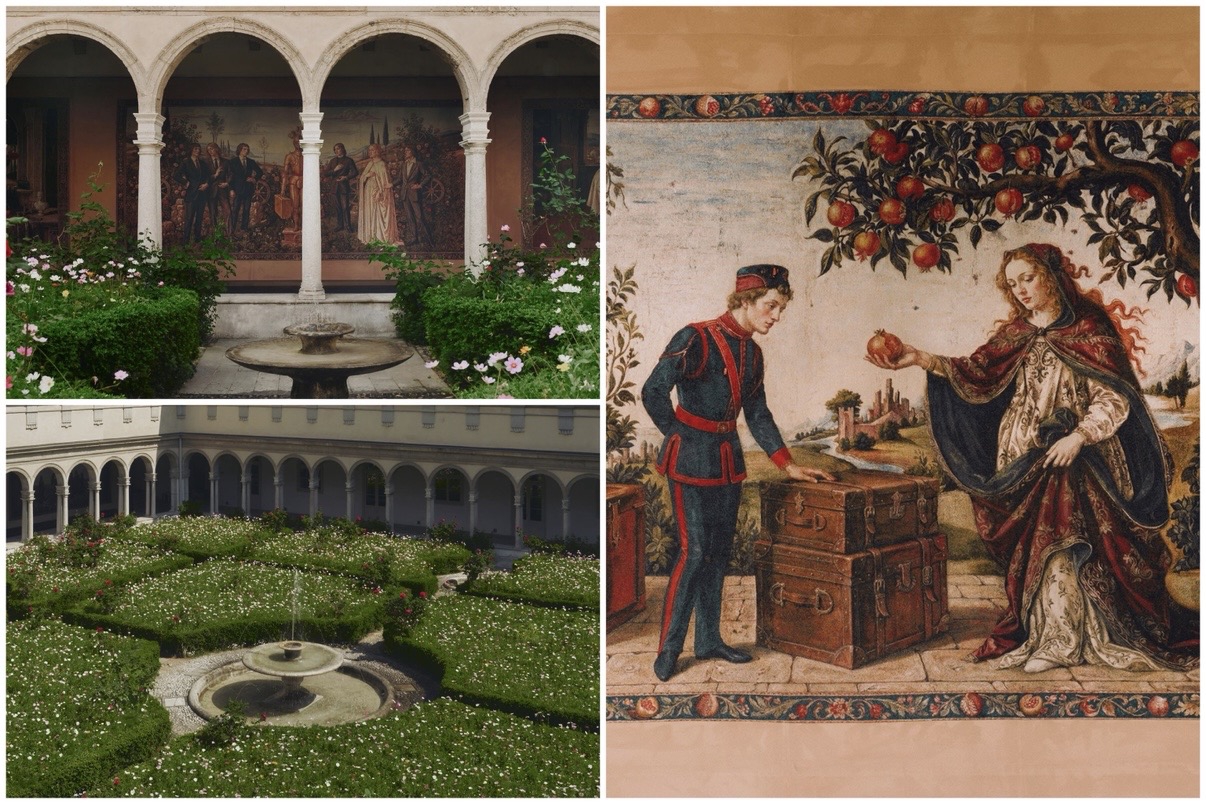
Gucci’s "Gucci Memoria" at Chiostri, San Simpliciano, offered a captivating journey through the brand’s storied past. Large-scale tapestries narrated the brand’s evolution from its inception by Guccio Gucci, while a garden adorned with seasonal flowers brought its iconic Flora motif to life. A thoughtfully placed vending machine served as a delightful, personal touchpoint within the exhibition. This immersive experience celebrated Gucci’s rich heritage, blending historical storytelling with contemporary design elements to create a deeply engaging and memorable presentation. The juxtaposition of grand historical narratives with intimate, personal touches resonated with visitors, offering a multi-faceted exploration of the brand’s identity.
8. Bottega Veneta: The Play of Light on Woven Leather
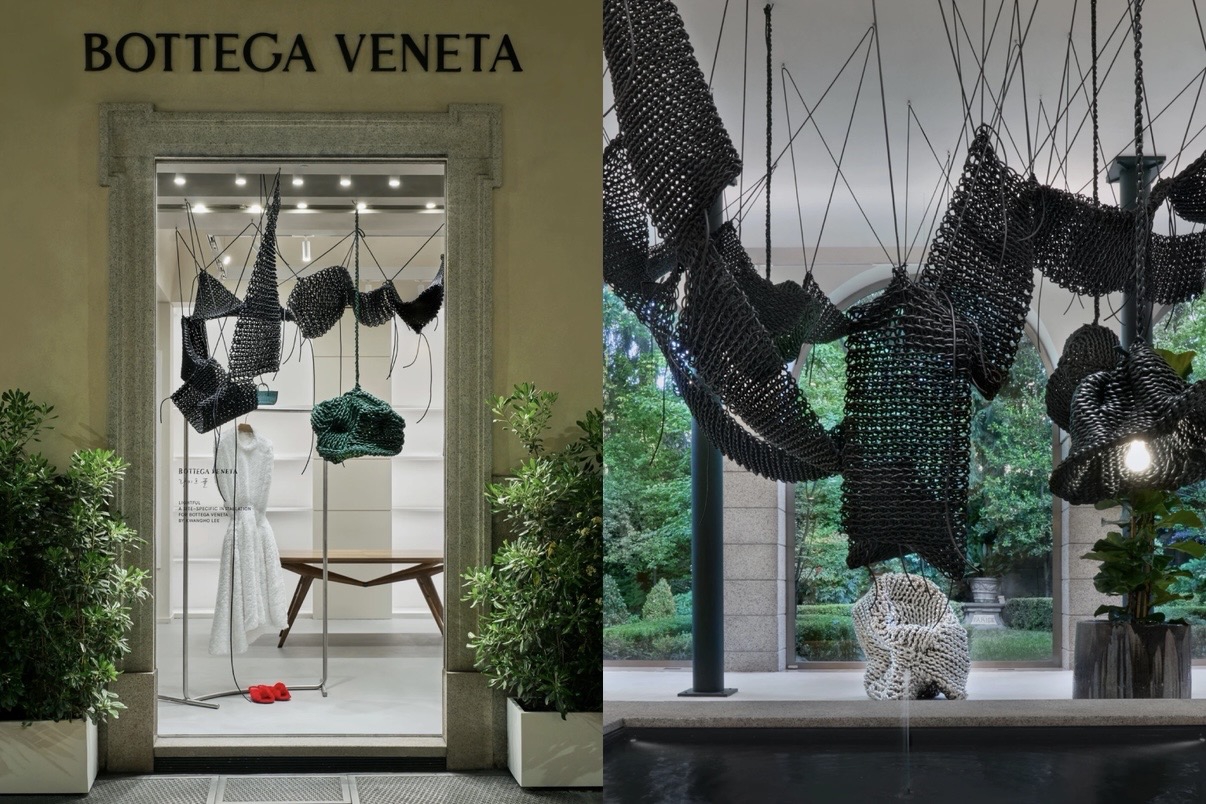
Bottega Veneta, in collaboration with Kwangho Lee, explored the textural possibilities of its signature woven leather in the "Lightful" installation. Woven leather pieces were suspended in organic forms, rendered in deep palettes of black and green. The strategic use of light emphasized the intricate textures, revealing details often concealed in everyday observation. This exhibition celebrated the artisanal mastery behind Bottega Veneta’s creations, showcasing how material and light can combine to create a powerful sensory experience. The interplay of shadow and illumination brought a new dimension to the brand’s iconic weave, highlighting its inherent beauty and complexity.
9. Marni: A Retro-Chic Collaboration at Pasticceria Cucchi
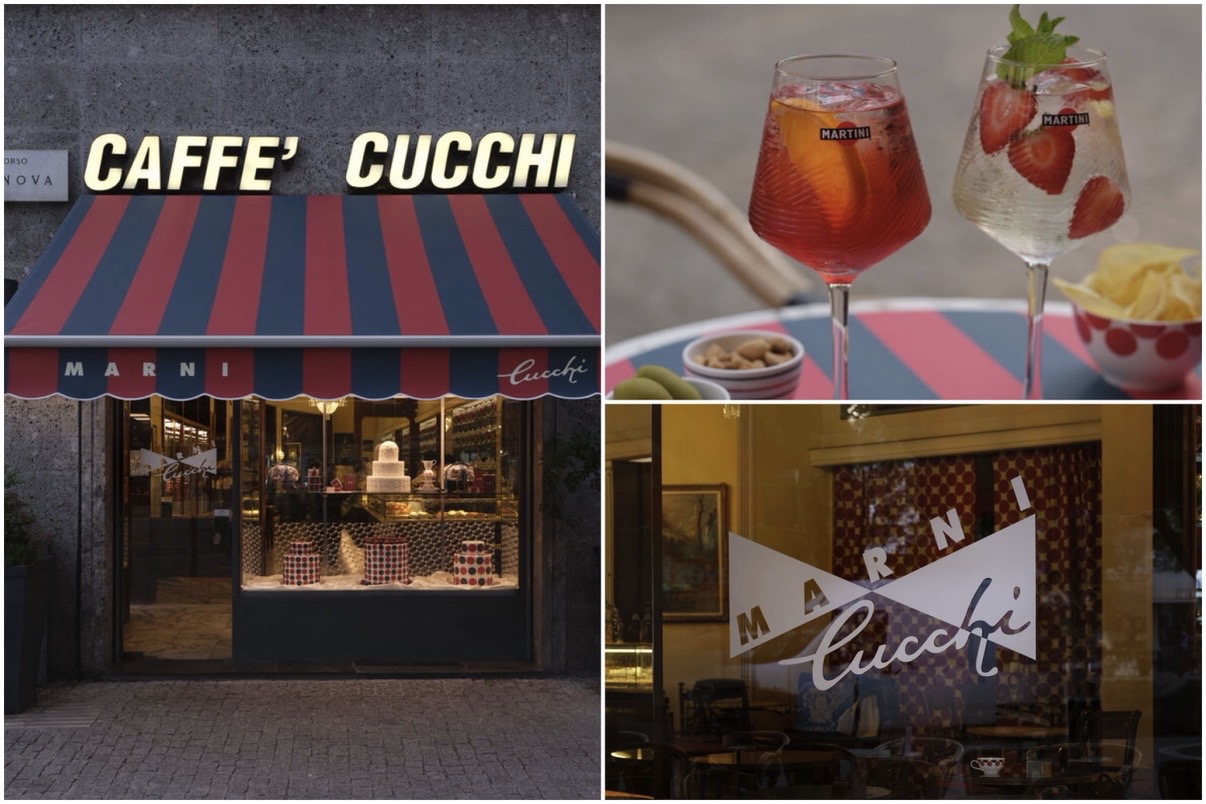
Marni revitalized the iconic Pasticceria Cucchi through its "Marni x Cucchi" collaboration. The space was adorned with retro-inspired red and green motifs, evident in everything from the tableware to the staff uniforms. This immersive design transformed the beloved Milanese pastry shop into a vibrant Marni experience, capturing the daily rhythm of the city from morning cappuccinos to evening aperitivos. The collaboration successfully fused Marni’s distinctive playful aesthetic with the timeless charm of Pasticceria Cucchi, creating a welcoming and visually engaging environment that celebrated both brands’ unique identities. The consistent application of the motif across all elements of the space created a cohesive and delightful atmosphere.
10. Miu Miu: A Salon of Intellectual Exchange
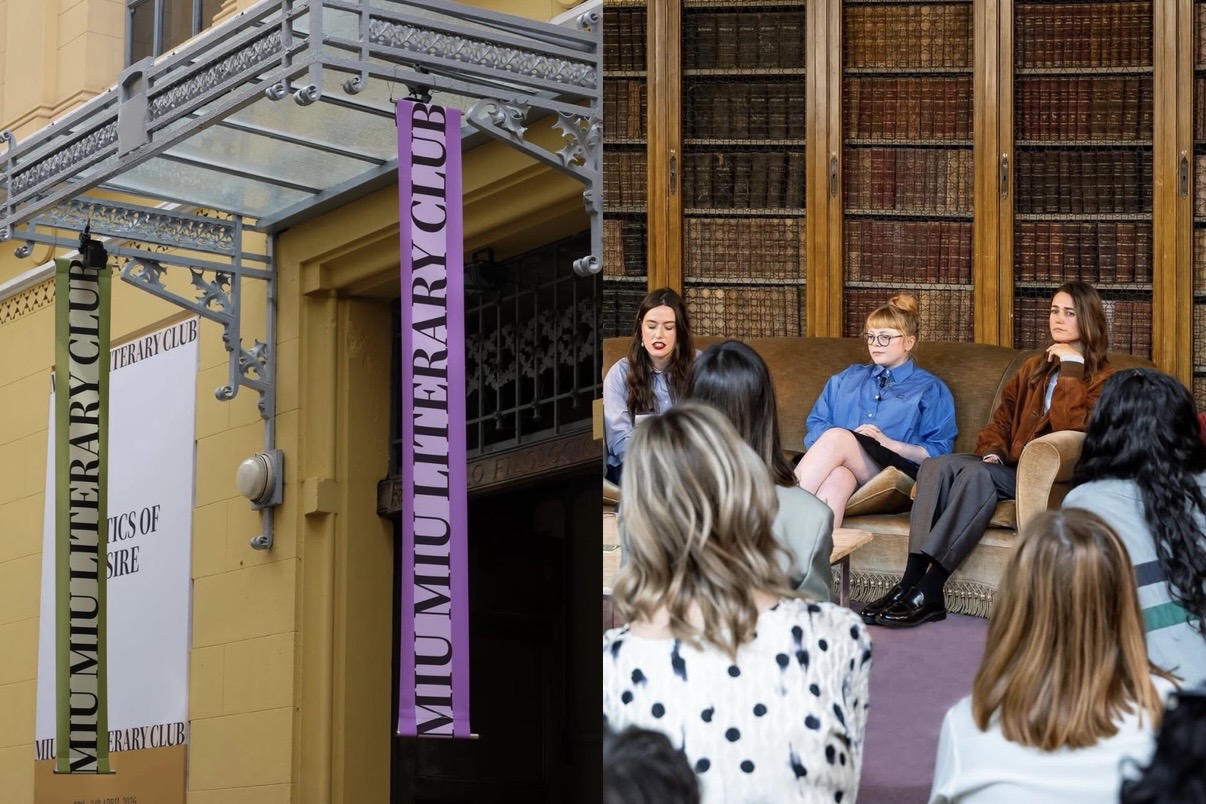
Miu Miu hosted its "Literary Club: Politics of Desire" at the Circolo Filologico Milanese, fostering an atmosphere akin to a literary salon. Discussions, readings, and musical performances created an environment for intellectual exchange, exploring themes that moved from the personal to the political. This initiative positioned Miu Miu as a platform for thoughtful dialogue, engaging its audience on a deeper intellectual level beyond fashion. The intimate setting and the focus on discourse encouraged a sense of community and shared intellectual exploration among attendees, reflecting Miu Miu’s intellectual and sophisticated brand persona.
11. Loro Piana: An Intimate Exploration of Luxurious Fibers
Loro Piana focused on the tactile and visual appeal of plaid at Cortile della Seta, presenting 23 textiles arranged in a linear display. Each piece highlighted the exquisite combination of fibers such as vicuña and baby cashmere, alongside sophisticated techniques like embroidery and handloom weaving. This presentation emphasized Loro Piana’s unwavering commitment to exceptional materials and artisanal craftsmanship, allowing visitors to appreciate the subtle nuances and luxurious textures of their creations. The deliberate arrangement invited close inspection, encouraging an appreciation for the intricate details and the superior quality of the fibers used.
12. Chloé: A Playful Reinvention of the Tomato Chair
Chloé revisited its beloved "Tomato Chair," a piece characterized by its simple, round form and sculptural quality. This reintroduction served as a delightful archival exploration, reminding attendees of the brand’s playful yet sophisticated design heritage. The chair’s enduring appeal lies in its ability to blend whimsical design with functional elegance, a hallmark of Chloé’s aesthetic. The re-emergence of this iconic piece sparked conversation and nostalgia, reinforcing the brand’s consistent design vision over the years.
13. Marimekko: A Vibrant Osteria Experience
Marimekko created "Osteria Fiori," an inviting aperitivo space on Via Ascanio Sforza. The vibrant Kukasta Kukkaan motif by Erja Hirvi was prominently featured in textile installations and ceramic pieces. The cheerful and open atmosphere, extending from the tables to the garden, captured the essence of Marimekko’s bold and optimistic design philosophy. This installation transformed a functional space into a vivid celebration of pattern and color, embodying the brand’s signature joyfulness. The immersive nature of the space encouraged guests to linger and enjoy the vibrant surroundings, fostering a sense of community and shared enjoyment.
14. Issey Miyake: The Transformative Power of Paper
Issey Miyake presented "The Paper Log: Shell and Core," an innovative exploration of paper as a design medium. Residual materials from the brand’s pleating process were compressed into log-like forms, subsequently transformed into stools, benches, and lamps. Concurrently, ultra-thin layers of paper were sculpted into delicate, almost transparent structures. This exhibition showcased Issey Miyake’s continuous experimentation with materials, demonstrating the potential for sustainable practices and the creation of striking aesthetic forms from unconventional sources. The duality of the presentation, from solid, compressed forms to ethereal, light structures, highlighted the versatility of paper.
15. Aesop: Illuminating the Art of Craftsmanship
Aesop transformed Chiesa del Carmine into "The Factory of Light." A trompe-l’oeil facade reimagined the urban landscape, drawing attention to the intricate process of creating the Aposį lamp. From the forging of brass to the art of glass-blowing, the installation illuminated the journey from raw material to finished product. Light served as a central connecting element, bridging the materiality of the objects with the processes involved in their creation. This immersive exhibition celebrated Aesop’s dedication to meticulous craftsmanship and the sensory experience of its products, inviting visitors to appreciate the artistry behind everyday objects.
16. Byredo: A Sanctuary of Quiet Reflection
Byredo, in collaboration with Jean-Guillaume Mathiaut, presented sculptural wooden chairs finished with Japanese ink, resulting in a dark, matte surface. Arranged within a warmly lit space, these chairs created an atmosphere of calm and introspection. This installation highlighted Byredo’s minimalist aesthetic and its ability to craft serene environments that encourage quiet contemplation. The focus on a single, well-executed object within a carefully controlled environment fostered a sense of peace and mindfulness, inviting visitors to pause and reflect.
17. Nike: Experiencing Air in Industrial Tunnels
Nike’s "Air Lab" at Dropcity utilized five disused train tunnels, transforming them into an immersive exploration of air as a tangible element. The space featured an industrial-style laboratory, an archive, and an "Air Library," showcasing experiments, prototypes, and materials. This innovative installation allowed visitors to experience "air" in a novel and sensory way, highlighting Nike’s continuous pursuit of innovation in performance and design. The choice of an unconventional venue added to the raw, experimental feel of the exhibition, aligning with Nike’s cutting-edge brand image.
18. Asics: A Journey of Movement and Consciousness
Asics introduced the "Kinetic Playscape" at Garage 21 to launch the Gel-Kinetic 2.0. This spatial journey, divided into five distinct zones, was inspired by the philosophy of "anima sana in corpore sano" (a sound mind in a sound body). The installation aimed to connect movement, the body, and consciousness, offering visitors a holistic experiential encounter with Asics’ core values. The multi-sensory approach of the Playscape aimed to deeply engage participants, fostering a greater understanding of the brand’s commitment to well-being and performance.
19. H&M Home: Historic Grandeur Meets Contemporary Design
H&M Home, in collaboration with Kelly Wearstler, presented a collection of modular furniture and objects within the historic Palazzo Acerbi. The juxtaposition of contemporary design elements against the backdrop of the palace’s soaring columns and detailed frescoes created a striking visual dialogue between past and present. This collaboration showcased H&M Home’s ability to integrate its accessible design ethos into sophisticated, heritage-rich environments, demonstrating the brand’s expanding reach and ambition. The dynamic contrast between the historical setting and the modern furnishings offered a fresh perspective on interior design.
The Enduring Impact of Milan Design Week
Milan Design Week 2026 reaffirmed its status as a critical platform for innovation and brand narrative. The event demonstrated that design in Milan is no longer solely about the objects produced, but about how brands choose to present themselves, construct experiences, and leave a lasting, albeit sometimes subtle, impression. The immersive nature of many installations, coupled with the intellectual depth of discussions and the meticulous attention to material and form, underscored a sophisticated evolution in how luxury brands engage with their audiences. The successful integration of fashion, beauty, and design into a cohesive narrative signals a future where these disciplines continue to inform and inspire one another, shaping the aesthetic and cultural landscape for years to come. The widespread adoption of experiential design and storytelling techniques by such a diverse range of brands suggests a fundamental shift in marketing and consumer engagement strategies within the luxury sector.