Chalifah Fatihah
Salted fish has long been a staple in Indonesian cuisine, its savory and distinctive flavor making it difficult for many to resist. However, this culinary preference often raises a critical question for health-conscious individuals: can those managing high cholesterol levels safely enjoy salted fish? This concern is understandable, as individuals with cholesterol issues must be judicious in their food choices, as improper consumption can lead to elevated blood cholesterol levels, posing significant risks to cardiovascular health. Salted fish, with its high salt content, is frequently eyed with suspicion, with fears that it could exacerbate health conditions, particularly for those already battling cholesterol.
Understanding Cholesterol: A Foundation for Dietary Decisions
Before directly addressing the permissibility of consuming salted fish for individuals with high cholesterol, it is crucial to establish a clear understanding of what cholesterol is and its role in the body. According to Cleveland Clinic, cholesterol is a fatty substance naturally present in the body, essential for a multitude of physiological functions. The body synthesizes cholesterol, primarily in the liver, but also obtains it through dietary intake. Cholesterol is vital for forming cell membranes, producing hormones, aiding digestion through the production of bile acids, and contributing to the synthesis of vitamin D.
Within the bloodstream, cholesterol exists in two primary forms: Low-Density Lipoprotein (LDL) and High-Density Lipoprotein (HDL). LDL is commonly referred to as "bad" cholesterol because excessive levels can lead to its accumulation in the arteries, potentially causing blockages and increasing the risk of cardiovascular disease. Conversely, HDL is known as "good" cholesterol, as it plays a role in transporting excess cholesterol away from the bloodstream, thus helping to maintain arterial health. Cholesterol itself is not inherently harmful when present in balanced amounts. Health risks arise when LDL levels become disproportionately high, significantly elevating the likelihood of heart disease and vascular disorders.
The Nuance of Salted Fish Consumption for Cholesterol Patients
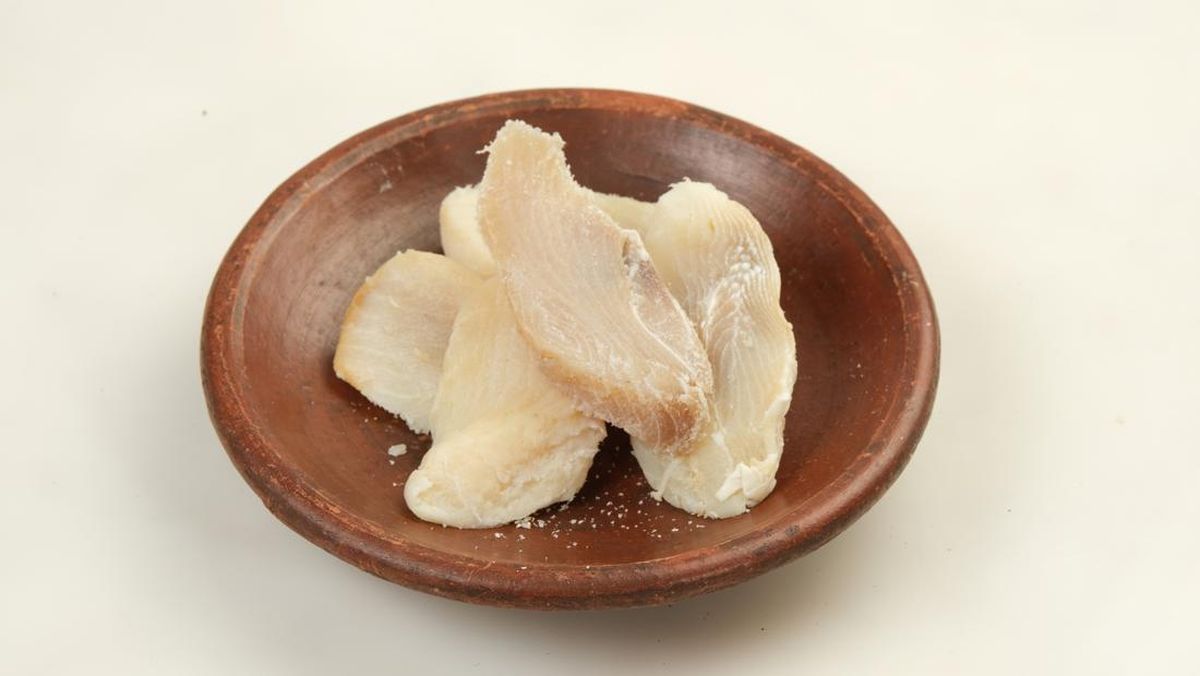
The answer to whether individuals with high cholesterol can eat salted fish is nuanced: yes, but with strict limitations. Salted fish does not directly increase blood cholesterol levels. The primary concern lies in its high sodium content. Excessive sodium intake can lead to elevated blood pressure, a well-established risk factor for heart disease. Therefore, individuals managing cholesterol can consume salted fish, but only in small portions and infrequently. Ideally, consumption should be minimized or avoided altogether, especially for those who also have hypertension.
While the direct impact of salted fish on cholesterol levels is minimal, the indirect implications through its high sodium content are significant. Public health campaigns in Indonesia have consistently highlighted the link between high sodium intake and cardiovascular issues. For instance, the Indonesian Ministry of Health has often advised limiting processed foods and foods high in salt to mitigate the risk of hypertension and related complications. The typical production process for salted fish involves preserving fish in salt, often in substantial quantities, to prevent spoilage and impart its characteristic flavor. This method inherently results in a product with a very high sodium concentration, which can easily exceed recommended daily intake levels even in modest servings.
For individuals with hypercholesterolemia, the overarching goal is to reduce the risk factors contributing to heart disease. While managing LDL cholesterol is paramount, controlling blood pressure is equally critical. The sodium in salted fish contributes to fluid retention, which can increase blood volume and subsequently raise blood pressure. This effect can be particularly pronounced in individuals who are already predisposed to hypertension or are actively managing it.
A Comparative Look at Foods That Pose a Greater Risk to Cholesterol Levels
In contrast to salted fish, several other food categories present a more direct and significant threat to elevated cholesterol levels. Drawing from recommendations by authoritative health organizations like the British Heart Foundation and the Mayo Clinic, certain foods are consistently identified as culprits that can exacerbate high cholesterol.
1. Red Meat and Processed Meats
Foods such as beef and lamb, along with processed items like sausages, are typically high in saturated fats. Saturated fats are known to directly increase LDL cholesterol levels in the blood. The American Heart Association, for example, advises limiting saturated fat intake to less than 5-6% of total daily calories for individuals seeking to lower their cholesterol. For a person consuming 2,000 calories daily, this translates to approximately 11-13 grams of saturated fat. Many cuts of red meat and processed meat products can easily surpass this limit in a single serving.
2. Butter and Animal Fats
This category includes solid margarines and fats derived from animals. These are rich in saturated and trans fats, which are particularly detrimental to cardiovascular health. They contribute significantly to the buildup of cholesterol in the arteries, hardening them and reducing blood flow. The transition from animal fats to healthier unsaturated fats has been a cornerstone of dietary advice for heart health for decades.
3. Coconut Oil and Palm Oil
While often marketed as natural alternatives, both coconut oil and palm oil are high in saturated fats. Their excessive use in cooking or as ingredients in processed foods can contribute to elevated cholesterol levels. While the debate on the precise impact of different types of saturated fats continues, major health bodies generally recommend moderation for these oils in diets aimed at managing cholesterol.
4. Full-Fat Dairy Products
Full-cream milk, cheese, and cream are examples of dairy products that are high in saturated fat. For individuals managing cholesterol, opting for low-fat or fat-free alternatives is often recommended. For instance, skim milk contains virtually no fat, while low-fat cheese provides calcium and protein with significantly reduced saturated fat content.
5. Sugary Foods and Pastries
Cakes, biscuits, and pastries are not only high in sugar but often also in unhealthy fats, including saturated and sometimes trans fats. The combination of high sugar and fat content makes them particularly detrimental to heart health. High sugar intake can also indirectly impact cholesterol levels by contributing to weight gain and inflammation, both of which are associated with poorer cardiovascular outcomes.
6. Excessive Chocolate Consumption
While dark chocolate in moderation can have some potential health benefits due to its antioxidant content, milk chocolate and excessive consumption of any type of chocolate can be problematic. The fat content from cocoa butter and added milk can contribute to increased cholesterol levels if consumed in large quantities.
7. Fried Foods and Fatty Foods
The process of frying inherently involves immersing food in hot oil, leading to significant absorption of fat. Fried foods are often high in saturated and sometimes trans fats, depending on the type of oil used and the cooking temperature. This makes them a major contributor to increased cholesterol levels and overall poor cardiovascular health.
Healthier Alternatives and the Path to Cholesterol Management
In lieu of these high-risk foods, individuals managing cholesterol are strongly encouraged to embrace a diet rich in healthier options. Fresh fish, particularly fatty fish like salmon, mackerel, and sardines, are excellent sources of omega-3 fatty acids, which can help lower triglycerides and have other cardiovascular benefits. Nuts, such as almonds, walnuts, and pistachios, provide healthy fats, fiber, and protein, contributing to satiety and improved cholesterol profiles. Avocados are another excellent source of monounsaturated fats, which can help lower LDL cholesterol. Furthermore, a diet abundant in fiber, found in fruits, vegetables, and whole grains, is crucial for managing cholesterol levels by binding to cholesterol in the digestive system and preventing its absorption.
The journey to stable cholesterol levels is a holistic one, extending beyond dietary choices. Regular physical activity is a cornerstone of cardiovascular health. The American Heart Association recommends at least 150 minutes of moderate-intensity aerobic activity or 75 minutes of vigorous-intensity aerobic activity per week, combined with muscle-strengthening activities at least two days a week. This not only helps manage weight but also improves HDL cholesterol levels and reduces LDL cholesterol and triglycerides.
Moreover, consistent health check-ups are indispensable. Regular monitoring of cholesterol levels allows individuals and their healthcare providers to track progress, identify potential issues early, and make necessary adjustments to treatment plans. These check-ups provide a critical feedback loop, informing dietary adjustments, exercise regimens, and medication needs.
In conclusion, while salted fish can be a part of an Indonesian diet, its consumption by individuals with high cholesterol requires a cautious and informed approach. The primary concern is not the fish itself but the high sodium content, which poses a significant risk to blood pressure and overall cardiovascular health. By prioritizing a balanced diet rich in whole foods, engaging in regular exercise, and maintaining a proactive relationship with healthcare professionals, individuals can effectively manage their cholesterol levels and enjoy a healthy, fulfilling life, making informed choices about every element of their diet.