Chalifah Fatihah
In a significant shift in global migration trends, numerous countries are now actively enticing individuals and families to relocate by offering substantial financial incentives. These ambitious programs, designed to revitalize shrinking communities, combat urban sprawl, and preserve cultural heritage, represent a unique opportunity for those seeking a fresh start in a new land, particularly those facing economic challenges in their home countries. The allure of picturesque landscapes, vibrant cultures, and a potentially lower cost of living is now coupled with direct financial support, making these destinations more accessible than ever before.
The underlying motivations behind these initiatives are multifaceted. Many of these countries are grappling with aging populations and declining birth rates, leading to depopulation in rural areas and a strain on social services. By attracting new residents, governments aim to inject vitality into local economies, maintain essential infrastructure, and ensure the long-term sustainability of their communities. The programs often target specific skill sets, such as tradespeople, entrepreneurs, and healthcare professionals, to address local labor shortages and foster economic growth.
A Global Overview of Generous Relocation Programs
The trend of offering financial inducements for relocation is not confined to a single region but spans continents, each with its unique approach and appeal. From the sun-drenched islands of Greece to the technologically advanced hubs of Chile, these nations are rolling out the red carpet for potential new citizens.
Greece: Revitalizing Island Life with Financial and Housing Support
The remote Greek island of Antikythera has launched a compelling program aimed at reversing its dwindling population. Successful applicants are offered a monthly stipend of approximately £433 (around $540 USD or Rp 8.5 million) for three years, coupled with free housing. This initiative specifically prioritizes families with children and individuals possessing skills crucial for the island’s survival, including artisans, farmers, bakers, fishermen, and construction workers. The island, like many remote communities globally, faces the challenge of an aging population and a lack of younger residents to sustain its future. The Greek government, through such programs, hopes to preserve the unique cultural identity and economic viability of its less populated regions.
Switzerland: Generous Subsidies for Rural Revitalization
In the Swiss Alps, the picturesque village of Albinen is offering a significant financial incentive for new residents. Individuals under the age of 45 are eligible for approximately £18,800 (around $23,500 USD or Rp 370 million) to move there, with an additional £9,400 (around $11,750 USD or Rp 185 million) granted per child. However, this attractive offer comes with stringent conditions: recipients must commit to residing in Albinen for a minimum of 10 years and purchase or construct a home valued at no less than £188,000 (around $235,000 USD or Rp 3.7 billion). Furthermore, they must possess a permanent residency permit (C-permit) or be Swiss citizens. This program highlights Switzerland’s commitment to maintaining its traditional alpine villages, which are vital to its cultural landscape and tourism industry, despite the high cost of living in the country.
Ireland: Incentivizing Renovation of Abandoned Properties
Ireland is actively seeking to breathe new life into its derelict buildings through a generous grant scheme. The Irish government is offering up to £72,800 (around $91,000 USD or Rp 1.4 billion) to individuals willing to purchase and renovate abandoned properties. The grant is even more substantial for properties located on offshore islands, reflecting the particular challenges faced by these remote communities. To qualify, the property must have been vacant for at least two years and built before 2008. This policy not only addresses the issue of vacant housing stock but also aims to preserve the architectural heritage of rural Ireland and bolster the economies of its coastal regions.
Spain: Financial Aid for Rural Communities and Startups
Spain is employing a dual strategy to attract new inhabitants to its rural areas. Several regions, including Ambroz, are offering grants of up to £13,000 (around $16,250 USD or Rp 255 million) to new residents who commit to staying for at least two years. The village of Rubia goes a step further by providing monthly allowances ranging from £86 to £130 (around $107 to $162 USD or Rp 1.7 to 2.5 million) to individuals who relocate there. Beyond these general incentives, Spain is also fostering innovation by attracting tech entrepreneurs. The government offers equity-free grants of up to £74,000 (around $92,500 USD or Rp 1.45 billion) to technology startups willing to establish their base in the country. Successful applicants also receive a two-year work visa, office space, and access to a global network of mentors, positioning Spain as a burgeoning hub for technological advancement.
Italy: The €1 Home Initiative and Beyond
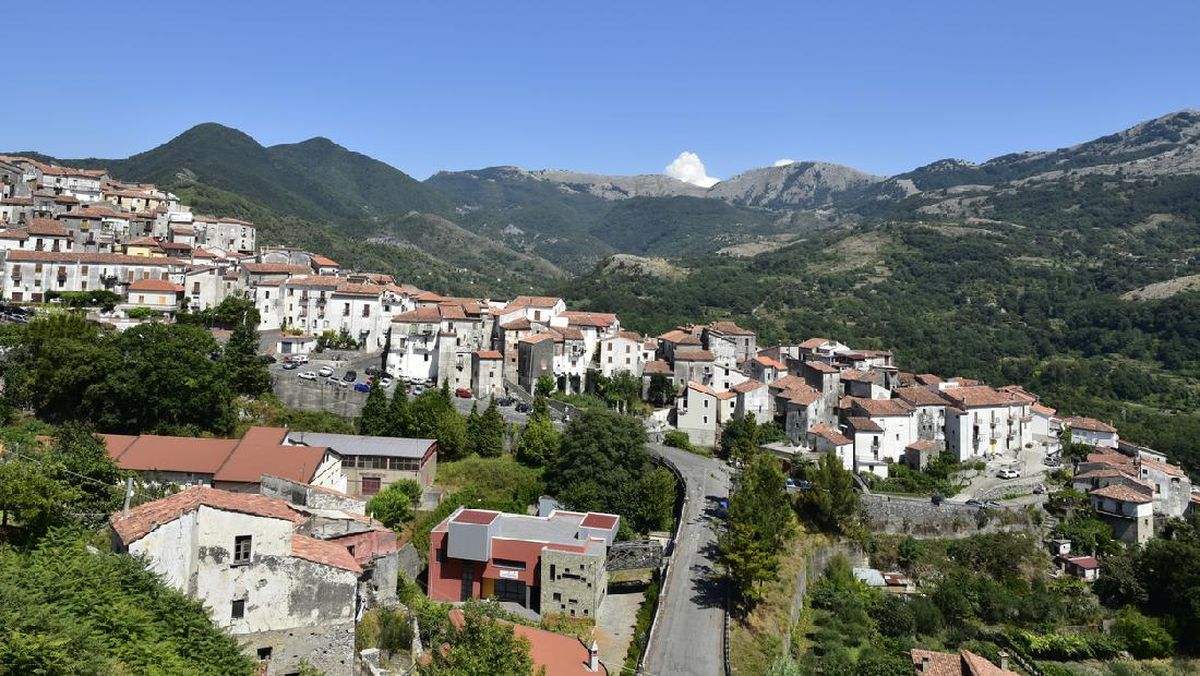
Italy has captured global attention with its highly publicized "€1 home" scheme, where dilapidated properties in historic towns are sold for a nominal fee. While the initial price is astonishingly low, buyers are obligated to undertake significant renovations within three years. The total cost of renovation, though substantial, is still considered far more affordable than purchasing a new property. This initiative is a desperate but innovative measure to save Italy’s "ghost towns," many of which have been abandoned by younger generations seeking opportunities in larger cities. The program, while requiring considerable investment and effort, offers a unique opportunity to own a piece of history and contribute to the revival of these culturally rich but depopulated areas. Beyond the €1 homes, Italy has also explored other incentives, such as tax breaks and grants for businesses and individuals who choose to settle in specific southern regions.
Japan: Encouraging Relocation from Urban Centers to Rural Areas
Japan is also actively encouraging its citizens to move away from the densely populated capital. Families relocating from Tokyo to smaller cities or rural towns experiencing population decline can receive a grant of ¥1 million (approximately $6,700 USD or Rp 105 million) per child. This policy is part of a broader effort to address the demographic challenges of an aging society and the economic disparities between urban and rural areas. The Japanese government recognizes that the sustainability of its rural communities is crucial for maintaining its national identity and preserving its natural landscapes. The program aims to stimulate local economies, boost birth rates, and ensure the continued operation of essential services in these regions.
Broader Implications and Future Outlook
These diverse relocation programs represent a significant global trend, reflecting a proactive approach by governments to address pressing demographic and economic challenges. The success of these initiatives hinges on several factors, including the clarity of the application processes, the availability of adequate infrastructure and social services in the target communities, and the long-term economic prospects for new residents.
The implications of these programs are far-reaching. On a micro-level, they offer individuals and families a chance to significantly improve their quality of life, pursue new career paths, and experience different cultures. On a macro-level, they have the potential to reshape demographic maps, revitalize economies, and preserve cultural heritage.
However, these programs are not without their complexities. Potential applicants must carefully consider the long-term commitments, the financial implications beyond the initial incentives, and the cultural adjustments required. Furthermore, the sustainability of these initiatives will depend on continued government support and the genuine integration of new residents into their host communities.
As the world continues to grapple with urbanization, aging populations, and the pursuit of economic opportunities, these innovative relocation programs are likely to become increasingly common. They signify a paradigm shift in how nations are approaching population management and economic development, transforming once-struggling towns and villages into potential havens for those seeking a different, and perhaps more fulfilling, way of life. The year 2026 marks a pivotal moment where global mobility is not just a distant dream but a tangible opportunity, fueled by the proactive and often generous policies of nations around the world.